
Tourism in the British Virgin Islands (BVI) is not yet exactly where it was five years ago, but it’s making a strong comeback. Most charter bases and marinas have been repaired or rebuilt, businesses are reopening, and fuel, groceries and provisions are generally available. That renewed activity means popular anchorages and restaurants can be busy: open mooring balls may be harder to find, fueling docks may fill up, and restaurant tables can be scarce. Still, after several difficult years, seeing growing crowds is a welcome sign of recovery.
The islands avoided the worst of the 2022 hurricane season and, overall, have made significant progress recovering from the catastrophic 2017 storms. The pandemic also temporarily crippled tourism in 2020 and 2021, when travel restrictions and quarantines limited arrivals across the Caribbean. By early 2022, the BVI government began easing Covid protocols and visitors returned. If your goal is to enjoy quieter anchorages while cruising, consider sailing during the shoulder seasons—spring or fall—when crowds are smaller but the islands are lively again.
I sailed through the BVI in October on a Moorings 4500 catamaran based in Road Town, Tortola. The boat, Moonshadow, belongs to David Crichton, a retired surgeon from Colorado who has cruised extensively throughout the Caribbean and has spent long stretches in the BVI over the past 27 years. His crew included his son Scott, a metallurgist, Kim Singleton, a retired health executive, and me. With ten relaxed days aboard, we had time to meet island residents and explore quieter spots away from the busiest routes.
Having cruised the BVI in peak season on earlier trips, I found this autumn voyage refreshingly different because we didn’t need to contend with thick crowds. We visited many of the islands’ classic destinations: the Bight on Norman Island; the Baths and Leverick Bay on Virgin Gorda; Foxy’s, Sandy Spit and the Bubbly Pool on Jost Van Dyke; and Soper’s Hole at the West End of Tortola. In each place we often found mooring balls available—and sometimes we were the only boat in the anchorage. Those moments of solitude can make a sailing vacation feel indulgent.
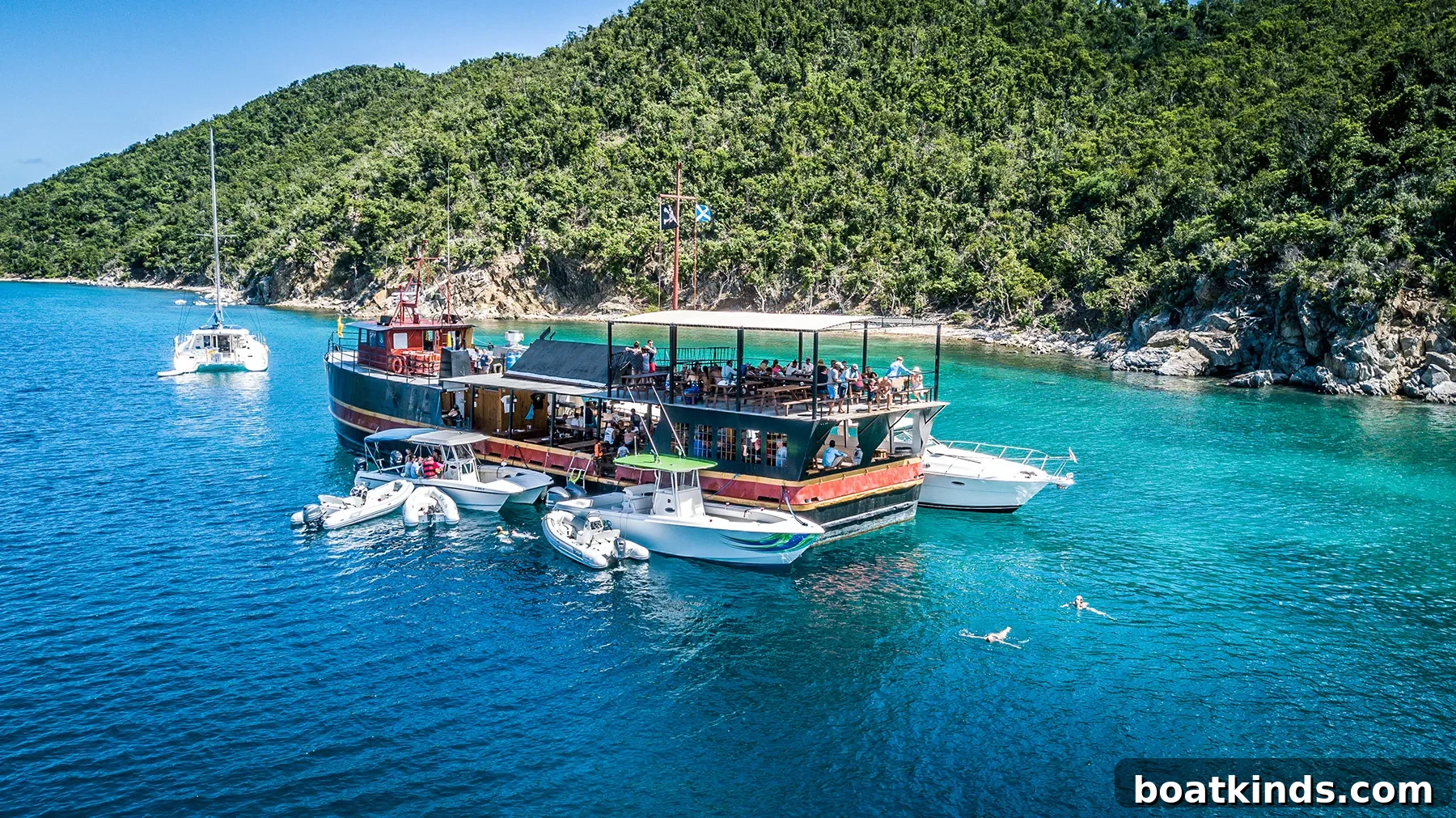
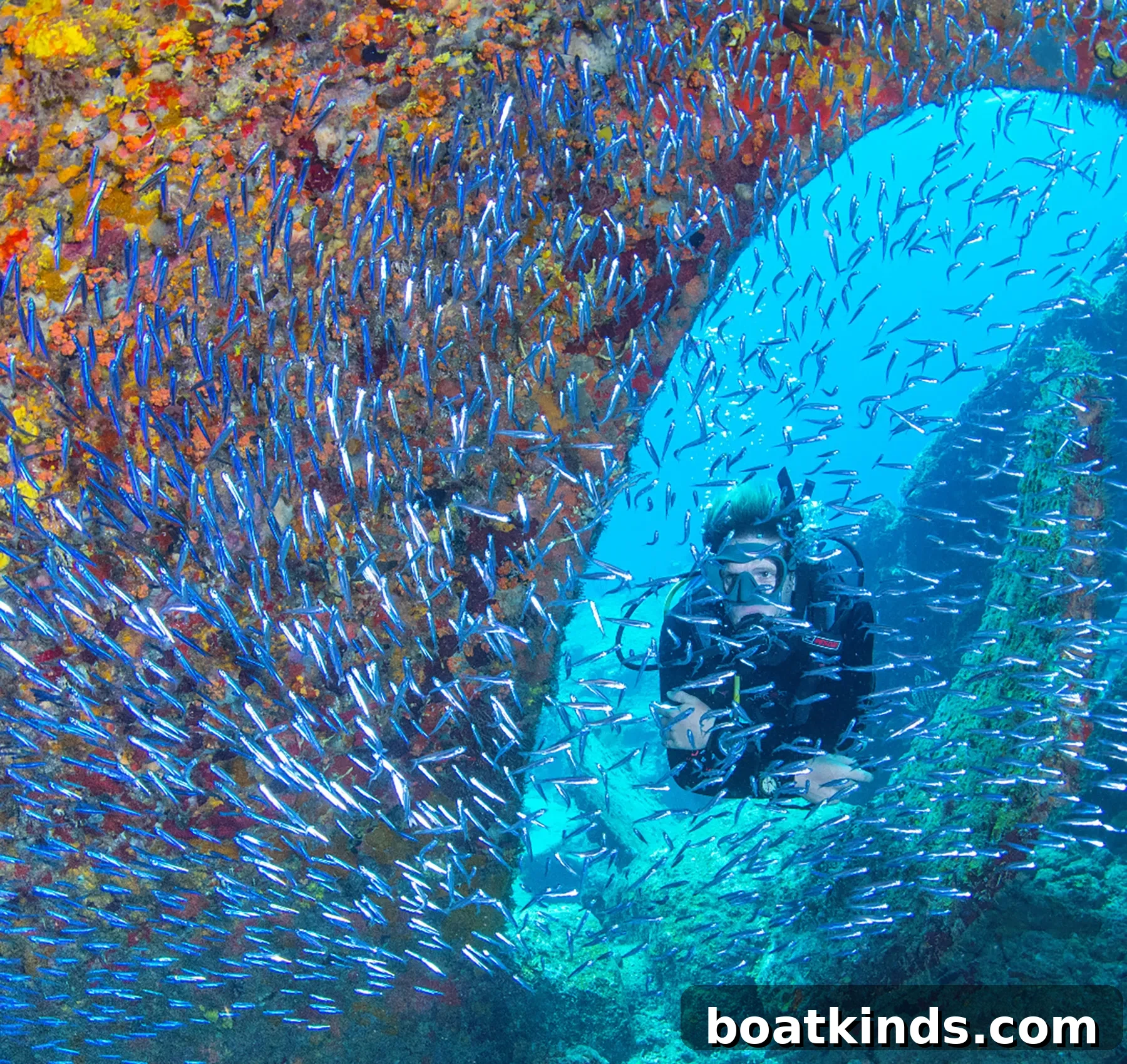
Even typically crowded restaurants had room. On Virgin Gorda, the Top of the Baths had empty tables; Foxy’s on Jost and the Willie T floating bar off Norman Island were similarly calm. The snorkeling sites—The Indians near Norman Island, the wreck of the Rhone off Salt Island, and the underwater walls at Great Dog Island—were pleasantly uncrowded. Visibility was excellent: without the winter trade winds stirring up sand, the warm Caribbean water remained unusually clear during our visit, making the snorkeling some of the best I’ve experienced in these waters.
Noise was a nonissue. In high season I’ve often packed earplugs to sleep through the bustle of nearby booze boats or shoreline bars, but on this trip late nights were quiet. One of the trip’s highlights was anchoring alone in Pond Bay off Virgin Gorda, north of the Baths, watching a vivid sunset and enjoying a gourmet meal we prepared aboard. Those calm evenings, under a sky full of stars, are a memorable part of sailing the BVI.
Some Compromises
Relaxing on the bow trampoline with after-dinner drinks, we even debated the important questions—like whether Oreo cookies count as food and what wine might accompany them—small pleasures that make a charter feel like a home away from home.
But cruising in the shoulder seasons brings trade-offs. Spring and fall can be more unsettled: winds shift, temperatures fluctuate and rain is more likely than in the dry winter months. The largest seasonal risk in the fall is that hurricane season extends through November 30. During our trip, the outer bands of Tropical Storm Lisa brought heavy winds and rain to the region at the end of October, a reminder that storm systems can develop quickly. Sailors chartering in the shoulder seasons should follow weather updates closely, stay in touch with their charter base, and be ready to alter plans or shelter in a protected bay if conditions worsen. Remember that charter companies may instruct crews to return to base if a significant storm is approaching.
Off-season dining can be hit-or-miss. Smaller or more remote islands such as Anegada sometimes have limited restaurant hours or seasonal closures; we found that Anegada’s lobster season didn’t open until November 1, so visiting in October meant missing its famed lobster offerings.
The Changing Islands
The BVI are back as a world-class cruising destination, but the landscape still reflects the storms they endured. While most debris has been removed, storm damage is still visible: sunken hulls remain in some mangroves and along shorelines, and a number of homes and businesses are still in the process of repair. Construction crews and equipment are common sights as rebuilding continues.
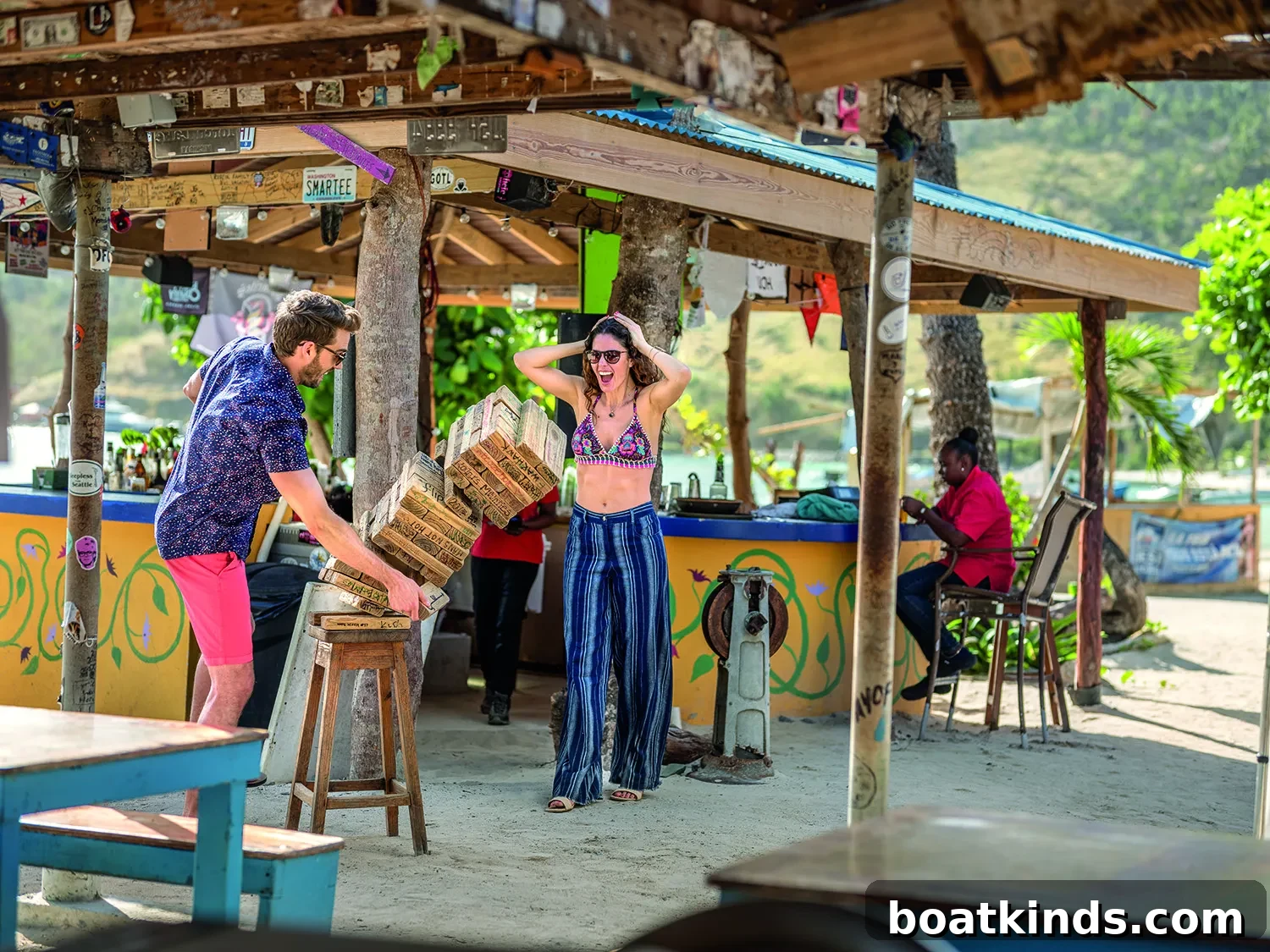
Many favorite spots have reopened—some restored to their former character, others rebuilt with a more modern, slick look. Foxy’s Tamarind on Jost Van Dyke has recovered its local charm, while establishments like the Bitter End Yacht Club and Foxy’s Taboo are smaller or refreshed. A few venues have come back larger than before, including Pirates Bight on Norman Island and Saba Rock on Virgin Gorda.
The original Willie T was wrecked by Irma and now serves as an artificial reef off Peter Island. Its replacement, a former oil tender brought from Louisiana, is more substantial, brighter and cleaner than the original, which changes its ambiance even as it remains a lively stop. Anecdotes about everything from T-shirts to topless jumps still circulate among regulars, a reminder that much of the islands’ character endures even as the scene evolves.
Rebuilding continues: favorite spots such as Biras Creek on Virgin Gorda are under reconstruction and may reopen in the near future. Conversations with island workers make clear that the BVI’s physical and cultural character is changing—new facilities appeal to a new generation of visitors, and some of the old “funky” places are becoming more polished. That evolution is part of recovery: the islands remain beautiful, friendly and eminently sailable, even as they adapt.
This article was originally published in the February 2023 issue.