
When Intuition Matters at Sea: Lessons from Fatal Boating Voyages
Deb Kiley felt uneasy before boarding the 58-foot sailing yacht Trashman for a trip from Maryland to Florida. She didn’t get along with one crewmate, Mark Adams, and there was a deeper, persistent sense that something wasn’t right about the voyage. Still, she had plans for Florida and expected the run south to be short, so she initially dismissed her misgivings.
Her unease intensified the day before departure. Kiley called the boat’s owner and told him she wanted to quit. After he reminded her of her commitment, she returned to the boat, regretting both her initial attempt to back out and her yielding to pressure. In the days before the voyage she had noticed warning signs—on her first visit, the galley was strewn with empty beer bottles and snacks, and other small signals suggested the boat and captain were not as prepared as they should have been. She ignored them, focusing on the warm weather she expected to find in Florida.
Her decision proved costly. A storm and a sequence of poor decisions by the captain caused Trashman to capsize. Only Kiley and crewmember Brad Cavanaugh survived the sinking. Cavanaugh later described a terrifying multiday ordeal in a small inflatable zodiac, watching sharks swim nearby and facing dehydration and hallucinations. The other three crewmembers died either from injuries sustained during the disaster or from drinking seawater, which led to disorientation and ultimately fatal choices. Kiley later reflected that sometimes a pros-and-cons list matters less than whether something simply feels right.
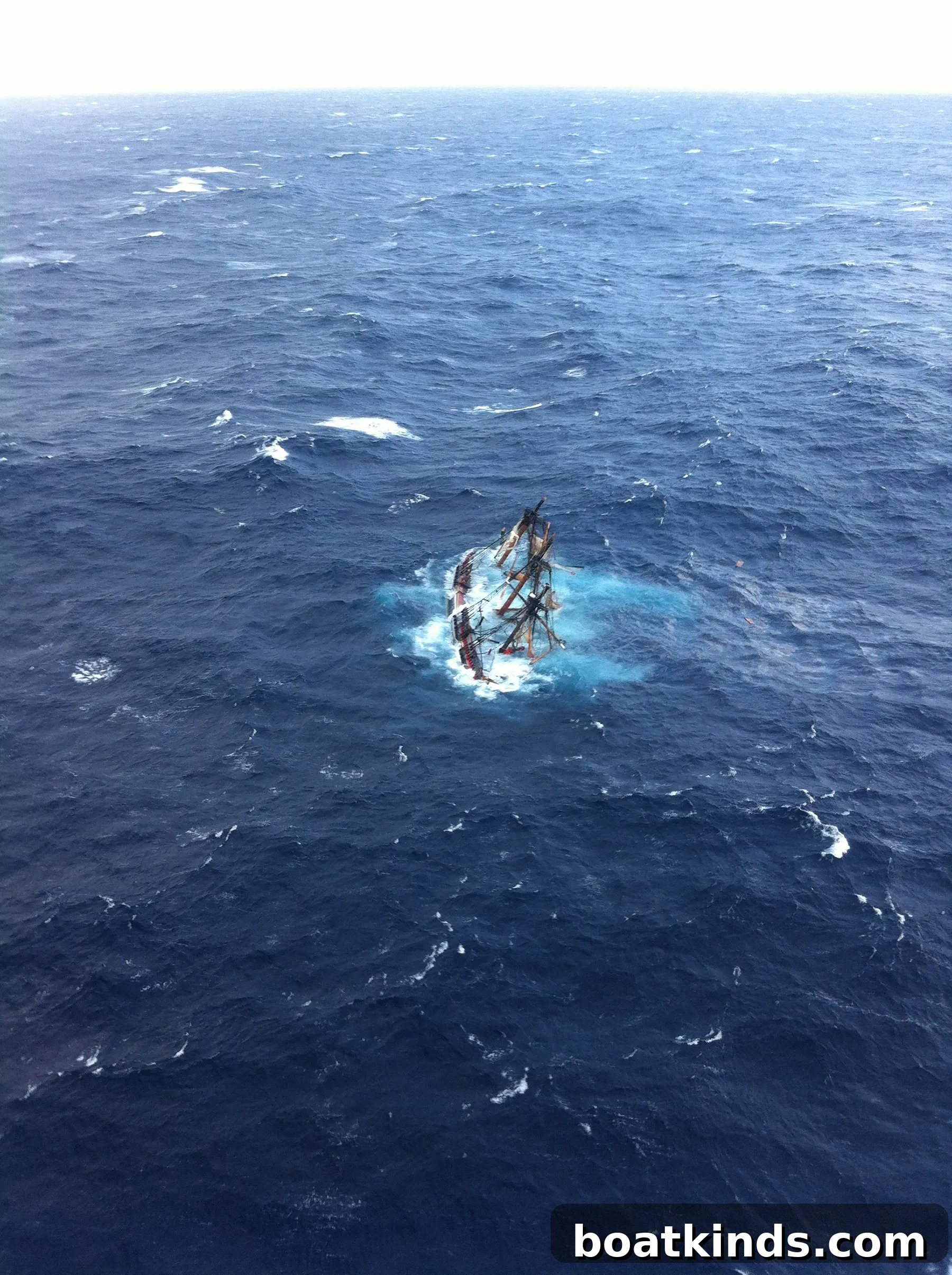
Suppressing a gut feeling can have tragic consequences. Claudene Christian, a crewmember on the tall ship Bounty—a replica of the original HMS Bounty—had misgivings before the ship set out during Hurricane Sandy. The 120-foot vessel departed New London, Connecticut, bound for Florida while Sandy was intensifying in the Caribbean and steering toward the U.S. East Coast. Captain Robin Walbridge, who had navigated around storms before, decided to attempt to sail around Sandy. Christian and most of the crew accepted his plan.
Her parents followed weather reports closely and urged her not to sail. Christian reassured them by text, citing the captain’s experience and the ship’s readiness, but she also privately expressed worry about the size of the approaching storm. She called her mother before losing reception to say she loved her, then sent a haunting follow-up text: “If I go down with the ship and the worst happens, just know I am truly, genuinely happy.”
As forecasts worsened, the captain altered course to try to slip between the hurricane and the coast—a risky maneuver that required maintaining speed and control. On October 28, the Bounty began taking on water and eventually lost engine power. Sandy swelled into the largest hurricane on record at that time, with storm-force winds covering hundreds of miles. Early on October 29, a massive wave knocked the ship on its side. A U.S. Coast Guard rescue saved many of the crew, but both Captain Walbridge and Claudene Christian drowned.
Kathy Gilchrist experienced a similar inner alarm before sailing on the 45-foot Hardin sailboat Almeisan for a Connecticut-to-Bermuda passage. She respected the captain and had sailed with him before, yet the timing in early May and a persistent, unexplained foreboding made her hesitate. She considered stepping away from the voyage but stayed out of a sense of commitment. During a severe storm, one wave capsized the boat and swept Gilchrist from the cockpit; a safety harness tethered her and likely saved her life.
Deb Kiley, Claudene Christian and Kathy Gilchrist all described an intuitive sense that something was wrong before a voyage—an uneasy, often vague feeling that preceded disaster. The author of these accounts notes that his research seems to indicate women may be particularly attuned to these signals, though intuition can affect anyone. Survivors commonly report a nagging trepidation before trips that later proved fatal.
What generates those gut feelings? A plausible explanation is that the subconscious mind detects subtle clues—details that haven’t yet reached conscious awareness—and raises a warning. Because those clues are not fully formed, the conscious mind struggles to explain the unease. That makes it easy to dismiss as irrational or overly cautious. But intuition often functions as an early-warning system: a whisper that something is off before the evidence is obvious.
Intuition differs from fear. Fear is emotionally charged and often tied to past wounds or anxiety about new challenges. Intuition is quieter and based on rapid cognitive processing that draws on experience and pattern recognition. As psychologist Gary Klein has noted, skilled decision-makers learn to rely on intuition even if it feels accidental. Author Gavin de Becker has described gut feelings as cognitive processes that operate faster than conscious, step-by-step thought.
When you notice an inner warning, pause and ask what might be causing the discomfort. Look for concrete signs: equipment that seems neglected, a captain’s behavior that feels casual, changing weather, or other anomalies. Bringing unconscious clues into conscious focus allows you to gather information and make a reasoned decision, rather than acting on impulse. In many survival stories the voice of intuition was a cautionary one—an early prompt to reassess the situation.
Learning to heed intuition means developing the habit of checking for discrepancies and trusting your instincts enough to investigate. That might mean refusing a trip, asking for a delay, or insisting on additional safety checks. The cost of ignoring these inner warnings can be high; the stories of Trashman, Bounty, and Almeisan serve as stark reminders that the subconscious often sees what the conscious mind has not yet realized.
This story is an adaptation from the book Extreme Survival: Lessons From Those Who Have Triumphed Against All Odds by Michael Tougias, a New York Times bestselling author.
This article was originally published in the February 2023 issue.