
U.S. Representative John Sarbanes describes himself as an avid, if occasional, boater. “I love being out on the water, but I don’t get much of a chance to do that,” the Maryland Democrat told Soundings. “Whenever I’m out on the water, I’m in seventh heaven.” That affection for the Chesapeake Bay underpins a new proposal he and U.S. Senator Chris Van Hollen, also a Maryland Democrat, have released: a draft plan to establish a Chesapeake National Recreation Area administered by the National Park Service.
The draft proposal would place select lands and sites around the bay under National Park Service stewardship to boost resources, expand public access, and highlight the region’s cultural and natural history. Sarbanes says the plan is the culmination of years of conversations with conservation groups, boating organizations and community stakeholders. He and Van Hollen plan to transform the draft into legislation this year; Congress would ultimately need to pass the bill to create the Chesapeake National Recreation Area.
Members of the public can review and comment on the draft proposal through February 12 at the website listed in the announcement: https://www.vanhollen.senate.gov/cnra. Public input is a central part of the process as lawmakers refine the measure ahead of formal introduction.
Sarbanes stresses that the intent is to elevate the Chesapeake’s profile and protect its legacy without imposing new restrictions on recreational or commercial boating. “We’re very explicit in the legislation that it doesn’t authorize any kind of additional regulations when it comes to recreational activity on the bay, on the water, or commercial activities on the waters,” he says. “There will not be negative impact on boaters as a result of this. We’ve been very intentional about making sure that this would not negatively affect existing boat traffic, whether you’re talking recreational or commercial.”
The working group that produced the draft has been bipartisan, which Sarbanes says gives the proposal a better chance of advancing even in a divided Congress. Its membership included boating and marine-industry organizations such as the National Marine Manufacturers Association, the Marine Trades Association of Maryland, the American Sportfishing Association and other stakeholders focused on the region’s waterways.
Advocates emphasize that a National Recreation Area designation brings practical conservation and access benefits. Mike Waine, Atlantic fisheries policy director for the American Sportfishing Association, noted that the Chesapeake, while iconic for its biodiversity, does not currently enjoy the streamlined pathways other National Recreation Areas have for securing conservation funding and expanding access points. “Designating the Chesapeake Bay as a National Recreation Area will help increase public access while also maintaining existing fisheries policies throughout it,” Waine said. He added that unifying existing recreation sites under one designation would improve public access and allocate $6 million annually to the Chesapeake Gateways Program, an existing partnership that supports conservation and public engagement across the watershed.
If enacted, the designation would allow the National Park Service to work collaboratively with local partners to add historical and cultural sites over time. Sarbanes emphasizes that any additions would be voluntary and would proceed only with the support of local stakeholders. “When sites are added, if they are added in the future, it’s all voluntary,” he says. “The National Park Service isn’t going to go in unless all stakeholders are committed and supportive of that in terms of transfer and acquisition.”
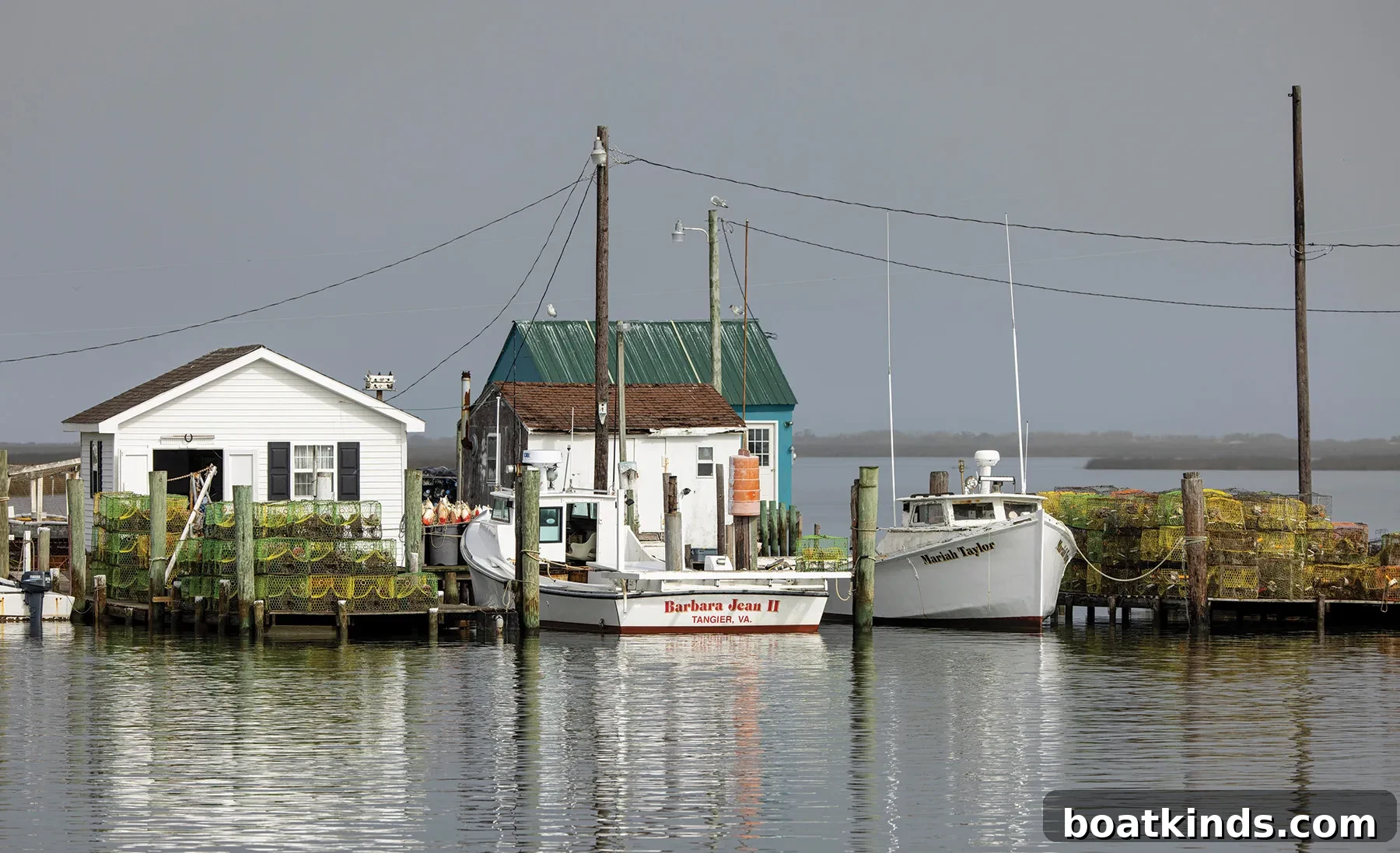
One clear priority for inclusion is preserving and telling the human stories tied to the bay. The proposal seeks to showcase the lives of watermen and waterwomen and other communities whose livelihoods and culture have been shaped by the water. The Burtis House in Annapolis, for example, is proposed for inclusion. Sarbanes points out that it is one of the last surviving 19th-century watermen’s cottages in the region and has a long history as a supplier and outfitter for bay watermen dating back to the 1890s. “That’s a powerful story to tell about men and women who make a living on the bay, and it’s exactly what we want to showcase with an effort like this,” he says.
For boaters, the most immediate changes would likely be expanded shore-side access to historical and cultural sites rather than any change to how the bay itself is used. Longer term, a consolidated National Recreation Area could attract more visitors in the same way national parks draw people from across the country, increasing awareness of the Chesapeake’s ecological and cultural value.
“We really want to imprint on the public’s consciousness why the bay is such a powerful legacy,” Sarbanes says. “If you have the stature, resources and management focus that the National Park Service brings to bear behind this concept of elevating the bay, it just takes it to a new level.” He and Van Hollen say the coming months present an opportunity to advance the legislation and to celebrate the Chesapeake Bay’s significance for current and future generations.
—Kim Kavin
This article was originally published in the February 2023 issue.