
The Ocean Race 2023 — Leg One: Alicante to Cape Verde
The opening leg of The Ocean Race 2023 set off from Alicante, Spain, on Sunday with a fleet divided between five IMOCA (International Monohull Open Class Association) entries and six VO65s. This first stage is a fast, tactical run of roughly 1,900 nautical miles from the Spanish Mediterranean coast to the Cape Verde archipelago off West Africa. It marks the first time since the event began in 1973 that the race will include a stop in Cape Verde, adding a fresh destination to the long history of this global offshore challenge.
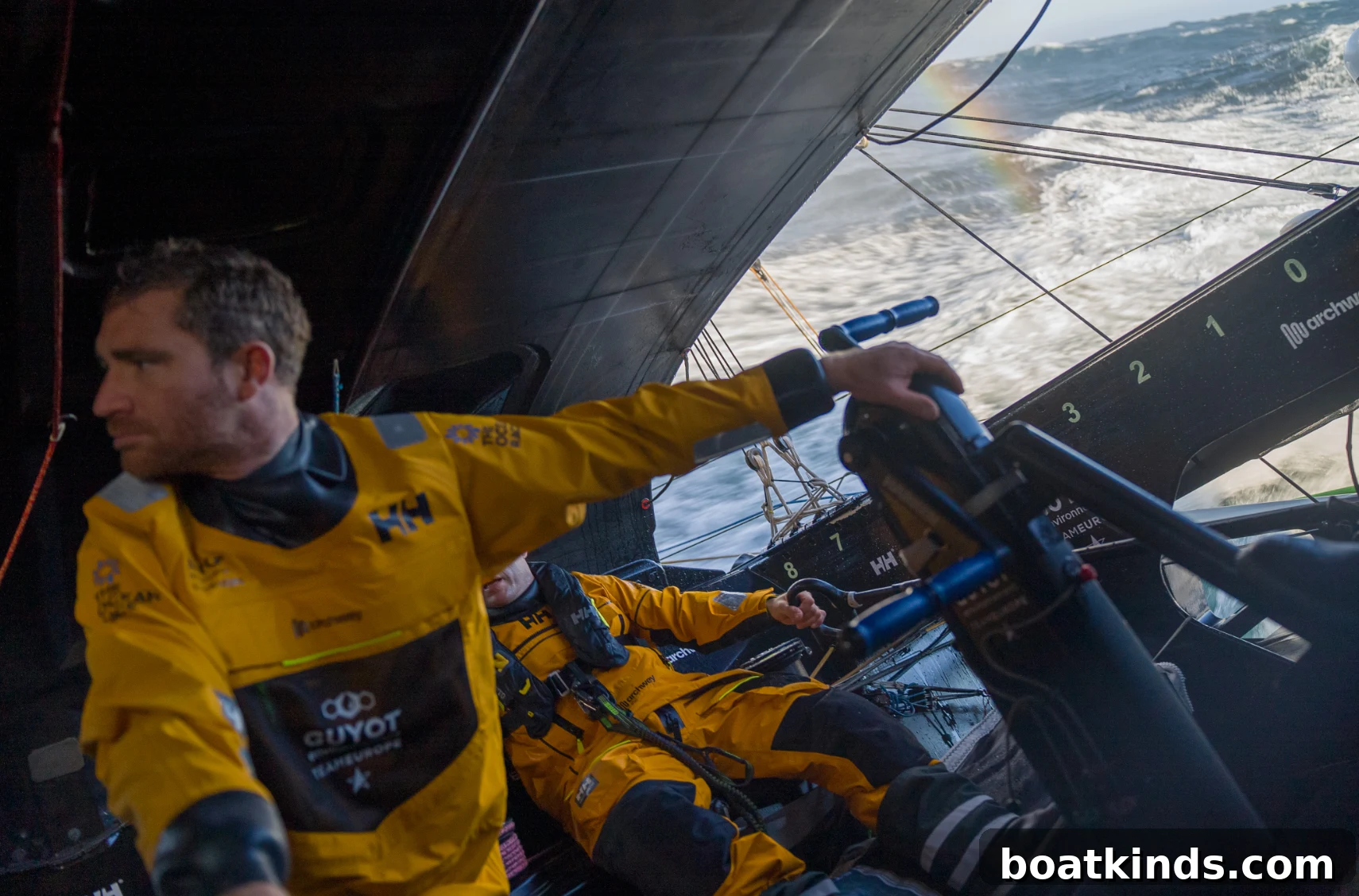
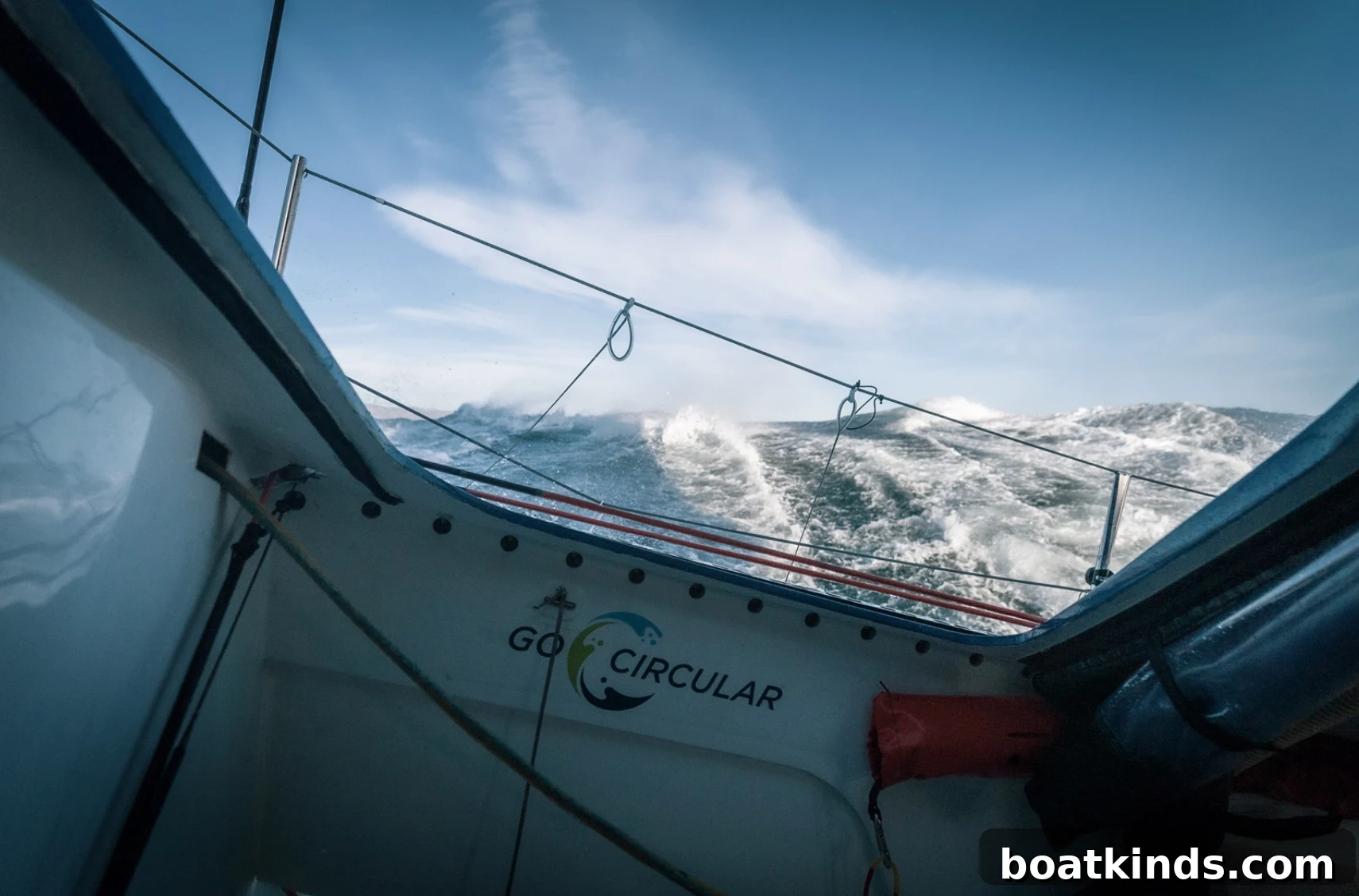
Heavy offshore winds dominated the first days of the leg, pushing the fleet to stay close to the Spanish coast as crews searched for more manageable seas. In such conditions skippers must balance two competing risks: choosing a shorter coastal route that can keep them in stronger, gusty winds and potentially violent sea states, or sailing a longer offshore course to avoid the worst of the waves but surrender some distance to their rivals. Those early decisions had immediate consequences as boats threaded their way toward the Strait of Gibraltar and the Atlantic beyond.
Team Holcim-PRB was the first IMOCA to round the Strait and enter the Atlantic, followed closely by 11th Hour Racing. Team Malizia, skippered by Boris Herrmann, came through third. “It was a very intense day and night,” Herrmann said. “We saw 50 knots yesterday.” Inshore and offshore wind shifts were expected to favor some boats that delayed their passage through the Strait, underscoring how timing and tactical positioning remained critical in these opening stages.
Behind the leading trio, Paul Meilhat’s Biotherm held fourth in the IMOCA class, while GUYOT environnement – Team Europe sat fifth. Those teams that were later through the Strait hoped to capitalize on forecasted wind changes that could reshape the leaderboard as the fleet settled into the Atlantic crossing. The same shifting breeze patterns were at play in the VO65 division, where WindWhisper Racing led the class, trailed by Austrian Ocean Race – Team Genova and Team JAJO in third. The VO65s remained tightly packed with tactical decisions and sail handling under pressure determining the gaps.
Once the boats reach Cape Verde, the IMOCA teams will participate in Ocean Week, a series of events focused on local and international sustainability issues. The Ocean Race has embedded a science and sustainability program throughout the six-month event; specially equipped vessels and research platforms will collect data along the course. Sensors and sampling equipment on board will measure microplastic concentrations and record climate-related oceanographic variables such as carbon dioxide levels, salinity, temperature and trace elements. Meteorological instruments will gather atmospheric data while biodiversity monitoring will help document regional marine life.
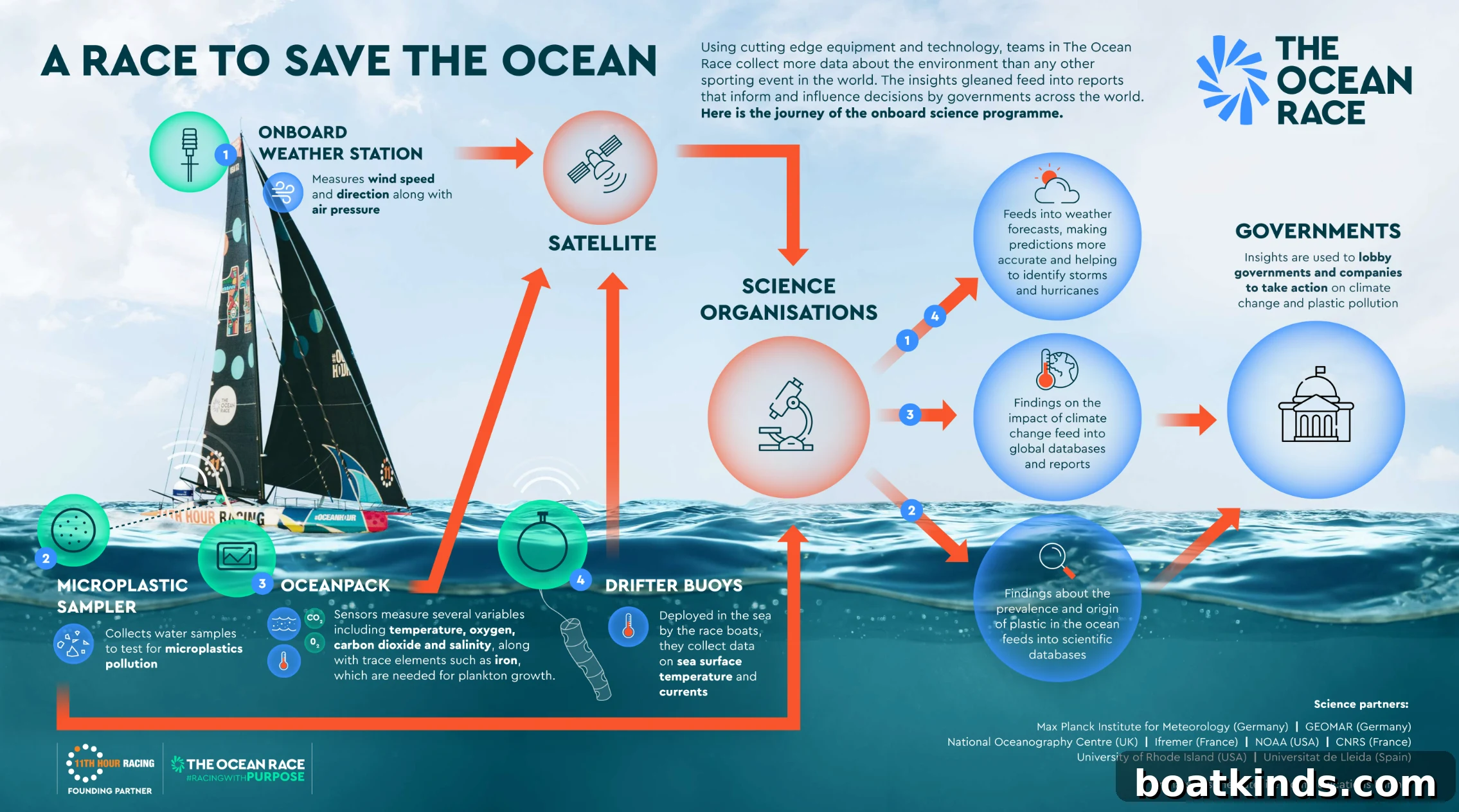
Stefan Raimund, lead scientist for The Ocean Race, emphasized the importance of this work: “A healthy ocean isn’t just vital to the sport we love, it regulates the climate, provides food for billions of people and supplies half the planet’s oxygen. Its decline impacts the entire world. To halt it, we need to supply governments and organizations with scientific evidence and demand they act on it.” The intelligence gathered during the race is intended to support conservation and policy initiatives by providing a consistent, high-quality dataset from open ocean environments.
Standings (as of January 17, 2023 — 1600 GMT)
IMOCA
1. Team Holcim-PRB — 1,465.4 miles to finish
2. 11th Hour Racing Team — 24.6 miles behind leader
3. Team Malizia — 46.0 miles behind leader
4. Biotherm — 54.9 miles behind leader
5. GUYOT environnement – Team Europe — 61.3 miles behind leader
VO65
1. WindWhisper Racing — 1,509.1 miles to finish
2. Austrian Ocean Race – Team Genova — 6.5 miles behind leader
3. Team JAJO — 9.8 miles behind leader
4. Mirpuri Foundation Race Team — 9.9 miles behind leader
5. Ambersail 2 — 21.2 miles behind leader
6. Viva Mexico — suspended racing, 194.5 miles behind leader
The opening leg has already tested teams’ seamanship, sail chemistry and strategic judgement. As the fleet moves into the open Atlantic, weather systems and persistent trade winds will continue to shape the contest. For crews and campaign teams alike, early learnings from this sprint—including how their boats perform under sustained offshore pressure and how well their sustainability instrumentation functions at sea—will be crucial as The Ocean Race progresses through its demanding six-month itinerary.