Eight Rescued After Powerboat Takes on Water off Virginia’s North Neck
Eight people were rescued from dangerously cold water off Virginia’s Northern Neck after their 50-foot powerboat began taking on water. The incident highlights core maritime safety practices and the essential gear every boater should carry on every trip.
When the vessel, Nauti Dream, began to flood, the onboard crew immediately called 911 and used their VHF radio to hail the Coast Guard. A volunteer sea rescue organization that serves the Chesapeake Bay, Smith Point Sea Rescue, responded to the distress call and located the group.
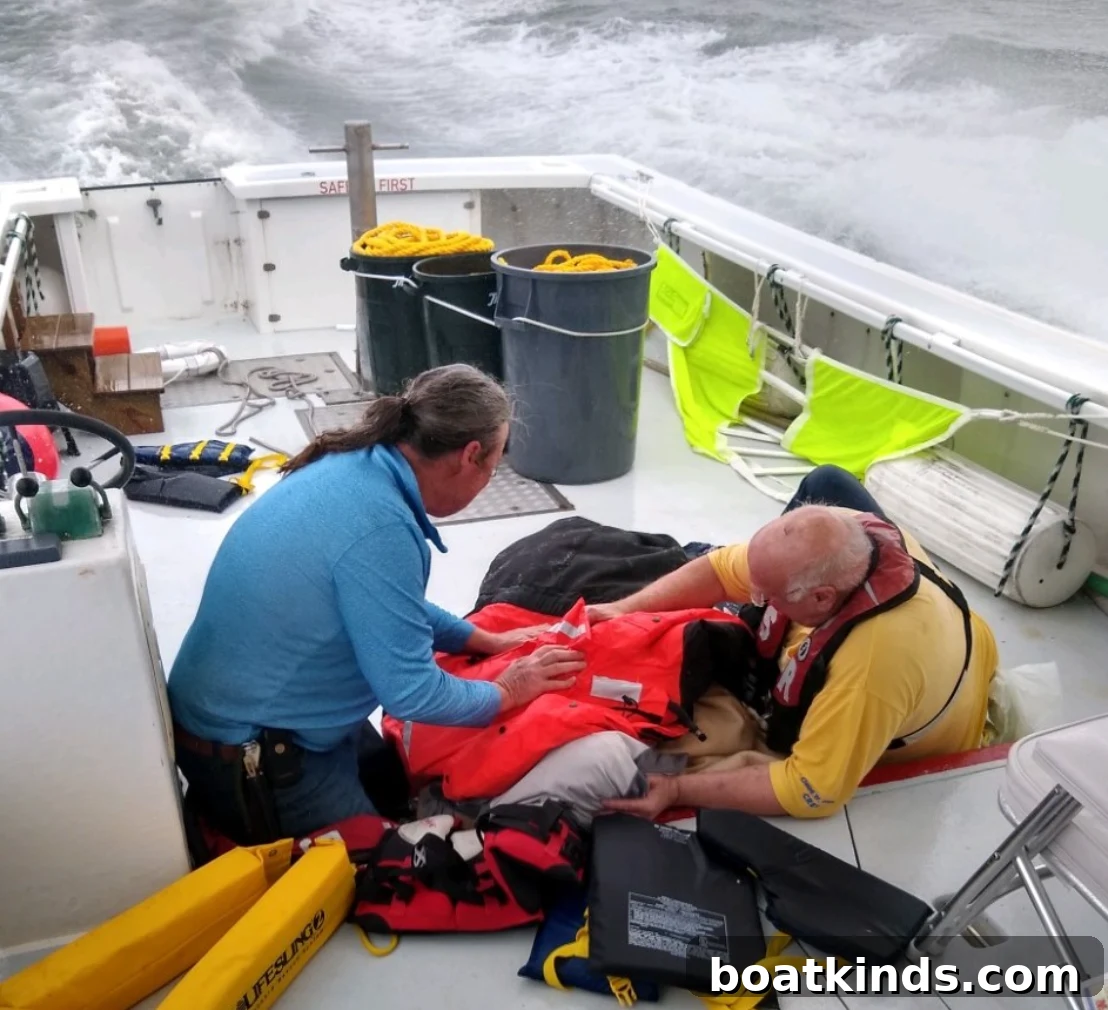
The eight people — three women and five men — were found together in the water, clinging and huddling to conserve body heat in 49°F (approximately 9°C) water. Several of them showed signs of mild to moderate hypothermia and were taken to Ingram Bay Marina, where local EMS personnel provided treatment.
What made the rescue possible
The survivors’ use of a VHF radio and flares was critical to their timely location and rescue. These items, combined with clear communication and quick response from trained rescuers, played a major role in preventing a worse outcome. As Lt. Joe Bannon, a search and rescue mission coordinator, noted, the maritime environment is inherently risky and becomes more dangerous in cold water or severe weather. Having the right gear and basic training can make the difference between life and death while waiting for help.
Essential safety equipment for every boat
At minimum, every vessel should be equipped with properly fitting life jackets for all passengers, a handheld VHF radio for communication with the Coast Guard and other vessels, and visual distress signals such as flares. Beyond these basics, several additional devices can significantly improve survival prospects:
- EPIRB (Emergency Position Indicating Radio Beacon) or PLB (Personal Locator Beacon): These devices transmit precise coordinates to search-and-rescue authorities and can shorten response time dramatically when activated.
- Life raft or dinghy: Inflatable survival craft provide insulated shelter and reduce heat loss compared with remaining in the water.
- Survival suits or thermal protection: When available, immersion or survival suits protect against cold shock and hypothermia.
- Battery-powered or hand-crank emergency lights and whistles: Useful for signaling at night or in low-visibility conditions.
Practical survival tips in cold water
Cold water accelerates heat loss and can lead to hypothermia quickly. Basic precautions and simple survival actions can increase the likelihood of rescue and recovery:
- Wear a life jacket at all times while underway; it increases buoyancy and reduces the effort needed to stay afloat.
- Use the VHF radio early and clearly state your position, vessel name, number of people on board and nature of the emergency.
- Fire flares or activate electronic distress beacons to aid locating vessels and rescue teams.
- If forced into cold water, assume the Heat Escape Lessening Posture (H.E.L.P.) or huddle together with other survivors to reduce exposed surface area and conserve heat.
- Avoid unnecessary movement; conserve energy and limit water exposure by getting into any available flotation device or craft.
Training and preparation matter
Beyond carrying equipment, mariners should practice using radios, flares and emergency beacons. Regular drills, familiarity with inflating and boarding life rafts, and knowledge of basic first aid for hypothermia improve chances of surviving an emergency. Volunteer and professional rescue services, like those that responded in this case, rely on clear, accurate information from distressed boats and timely notification to mount effective responses.
This rescue off Virginia’s Northern Neck serves as a reminder: plan ahead, carry the proper safety gear, and ensure everyone aboard knows what to do in an emergency. For more detailed reporting on the incident, consult local coverage and official statements from rescue agencies.