
Pinellas County Deputy Rescues Struggling Manatee During Severe Red Tide
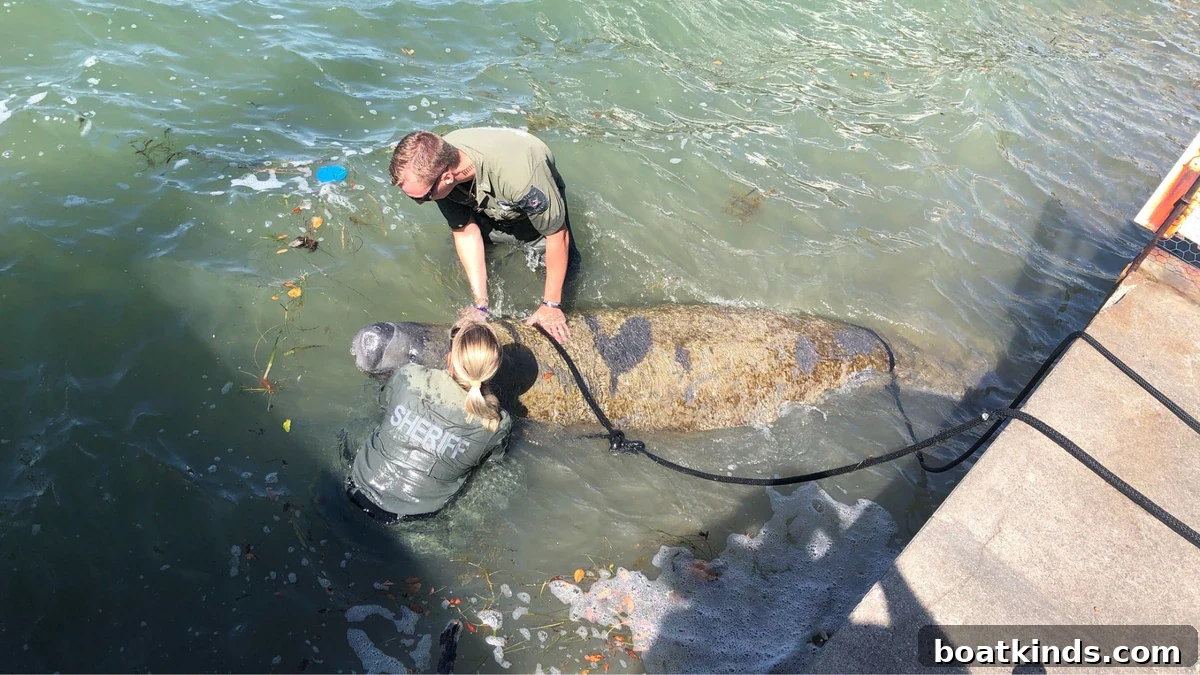
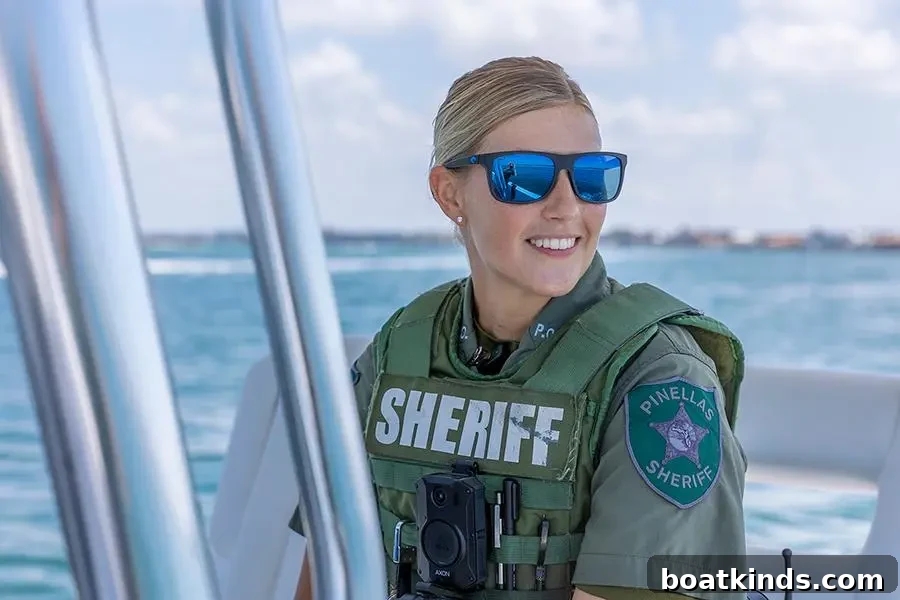
Pinellas County Sheriff’s Office Deputy Jill Constant refused to watch a manatee die. During a recent period of elevated red tide in Pinellas County, Florida, Constant answered a call reporting a distressed manatee in the Intracoastal Waterway. Although well-meaning members of the public sometimes misinterpret manatee behavior, she immediately recognized that this animal was in serious distress.
“We’re watching it, and it will not go underwater. It just stayed at the surface with labored breathing,” Constant said. The exhausted manatee repeatedly tried to beach itself on the rocks to avoid drowning, making it clear that human intervention was necessary.
Two Hours in the Water to Keep a Manatee Alive
Constant and a colleague from the Marine and Environmental Lands Unit docked their boat, removed their gear, and entered the water. For two hours they held the manatee’s head above water until biologists from the Florida Fish and Wildlife Conservation Commission (FWC) arrived to assist. At first the animal was too weak to cooperate; later it regained some strength and began to thrash, leaving Constant with a narrow escape from being overwhelmed herself.
When FWC personnel arrived they guided the manatee back into cleaner water, and it swam away appearing to be in stable condition. The rescue highlights the vital role first responders, specialized units, and wildlife agencies play when red tide and other stressors put marine animals at risk.
Manatee Status and Threats
West Indian manatees are a species that requires ongoing protection. Current estimates put the global population at about 13,000, with approximately 6,000 to 7,000 residing in Florida. In 2022, roughly 1,000 manatees died from causes including boat strikes, red tide events, and starvation linked to habitat loss. These figures underline the precarious situation many manatees face.
Boat interactions are a frequent and visible threat. In a study covering a decade, the FWC found that 96 percent of manatees examined bore propeller scars. Boat strikes are responsible for about 25 percent of manatee deaths, which is why speed-restricted zones exist in areas where manatees congregate. In the Intracoastal Waterway, for example, the regulated speed is “slow speed, minimum wake.” As Constant explains, “Slow speed, minimum wake means that the vessel must be completely off plane and fully settled in the water, producing minimal or no wake behind it.” These rules help reduce collisions and the severe injuries they cause.
Legal Protections and How the Public Should Respond
Manatees are gentle, social creatures and can appear to seek human contact. However, the law prohibits feeding, harassing, or touching wild manatees. Even seemingly harmless actions — such as offering fresh water from a hose — can interfere with a manatee’s natural behavior and increase risk to the animal. In some cases, molestation of a manatee can rise to the level of a felony, depending on the circumstances.
“Education is our most powerful tool,” Constant said. “Most people out here do not have ill intent. They don’t want to hurt a manatee. People just get enamored of how sweet they are, how social they are, and they’ll come right up to you. But it’s that forbidden fruit. You can’t do it.” Responsible behavior from boaters, waterfront residents, and wildlife observers is essential to reduce human-caused injuries and deaths.
What This Rescue Means
The deputy’s quick action and willingness to stay in the water for hours to support the manatee’s breathing underscore the critical role local responders play in wildlife conservation. When asked about her motivation, Constant was clear: “This manatee is going to die right in front of us and I’m not letting that happen!” Her determination, combined with coordinated responses from the Marine and Environmental Lands Unit and FWC biologists, helped give this individual a second chance.
Encounters like this one are a reminder that marine wildlife in Florida faces ongoing threats from environmental events like red tide, habitat degradation, and vessel traffic. Observing posted boating speed limits, respecting manatee protection laws, and contacting authorities when an animal appears injured or distressed are simple but powerful actions the public can take to help protect these vulnerable animals.