
Panope: Steve Goodwin’s 34-Foot Aluminum Sloop Reborn as a Comfortable Cutter
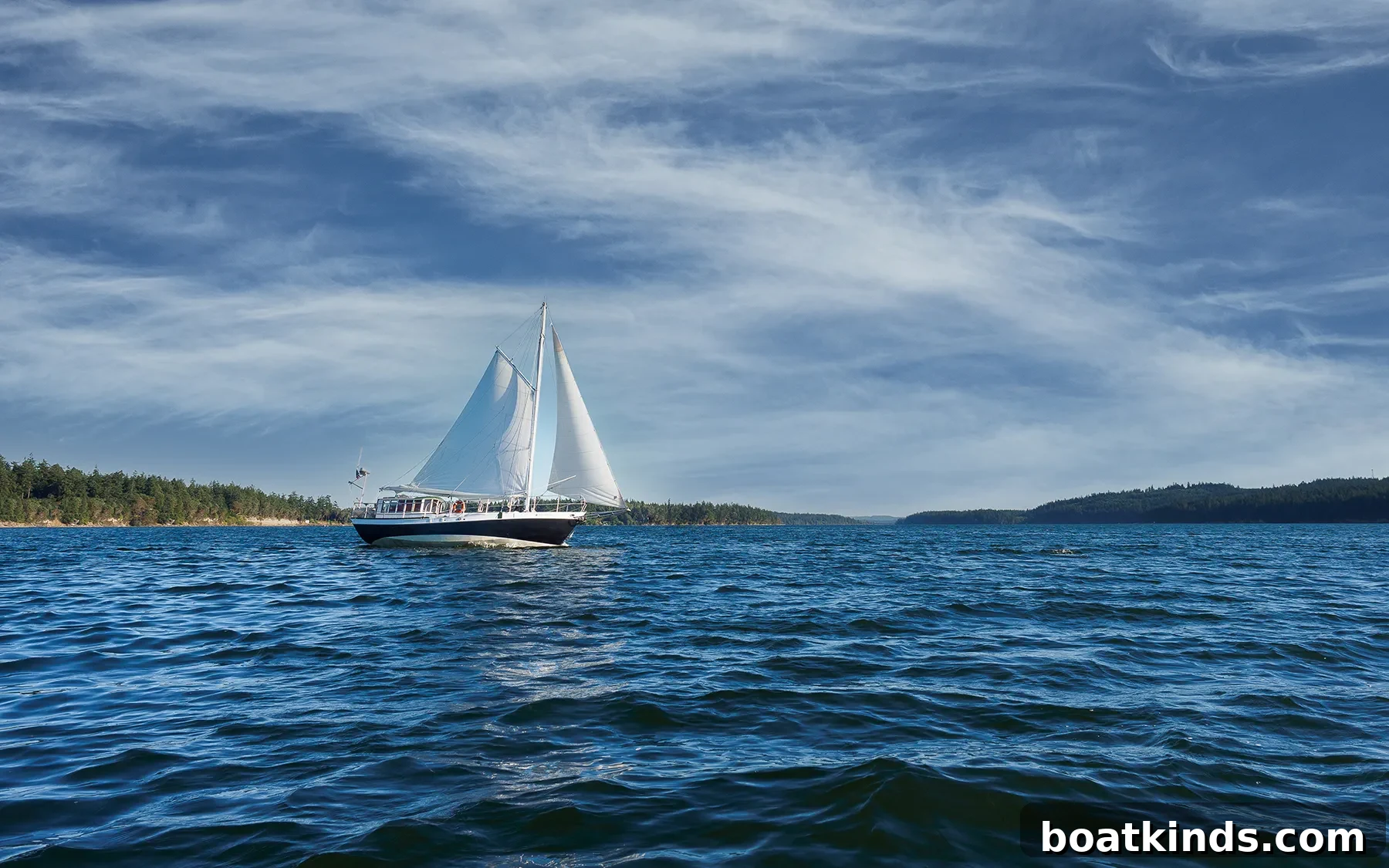
Heeled onto her chine, with a reef in the main and a bone in her teeth, Panope bore down on me. I was drifting in a tiny plastic dink across Mystery Bay with no place to hide, and the 34-foot aluminum sloop—now a substantial cutter with a long bowsprit and stout anchors—swept past within a few feet. The skipper, casually lounging aft and watching the boat drift by, later explained why there had been no real danger: “Panope practically steers herself.”
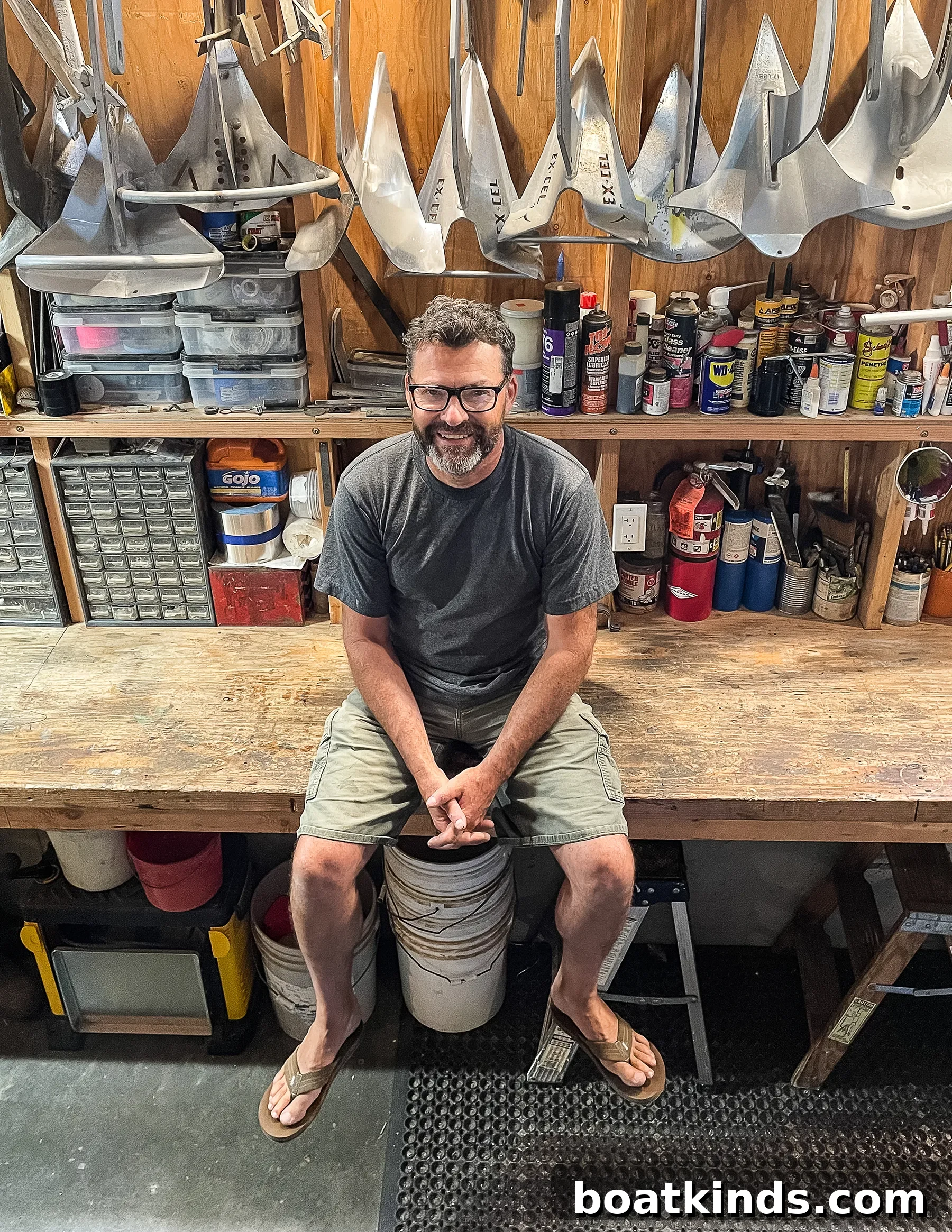
Steve Goodwin, who owns and maintains Panope, isn’t one to boast. He’s spent decades hands-on with every square inch of the boat since taking it over from his father in the late 1990s, slowly refitting and modifying her to match his practical needs. The work is ongoing by design: for him the boat is part workshop, part therapy—an opportunity to keep the mind engaged and the hands busy.
That relationship began long before Steve’s ownership. In the mid-1970s his father, Lynn Goodwin, a marine biologist, bought an unfinished aluminum hull—a Thomas Colvin Saugeen Witch—and finished it at their Quilcene, Washington property. Lynn outfitted the interior with oak and cedar, crafted a six-spoke steering wheel, and rigged the boat as a passagemaking schooner with dreams of long blue-water voyages. Those ambitions changed with time, but the boat remained central to family life.
The Saugeen Witch was well suited to the Pacific Northwest: sturdy, offshore-capable and adaptable to owner customization. Lynn added a 15-hp Yanmar diesel after discovering the limits of sailing without auxiliary power. In 1981, after six years of work, a house mover rolled the finished hull down to the water and Panope began a long career carrying the Goodwins on local cruises, fishing trips and shellfishing expeditions.
The boat’s name reflects Lynn’s work as a marine biologist: Panope was christened for Panopea generosa, the large burrowing clam commonly known as the geoduck. The family’s connection to regional marine life is embedded in the boat’s identity.
After a long sailing life and a demanding trip north to San Diego, upkeep started to weigh on Lynn. In the late 1990s he decided to sell, but his younger son Steve—who had left college to build a house, work as a boatbuilder and crew on a motoryacht—wanted to keep Panope in the family. Steve had learned metal fabrication, welding, carpentry, composites, systems and electrical work through practical experience. More importantly, he had observed his father’s steady work ethic and persistence. Those lessons, taught by example, prepared him to take on the monumental refit.
The refit was extensive and took years. Steve repowered the boat with a 40-hp Yanmar diesel and a larger prop to handle adverse currents. He converted the schooner into a gaff sloop and eventually into a cutter, removing a mast to simplify handling, reduce clutter and lower overall dockage costs. A tabernacle allows him to raise and lower the mast by himself using a gin pole, avoiding crane fees.
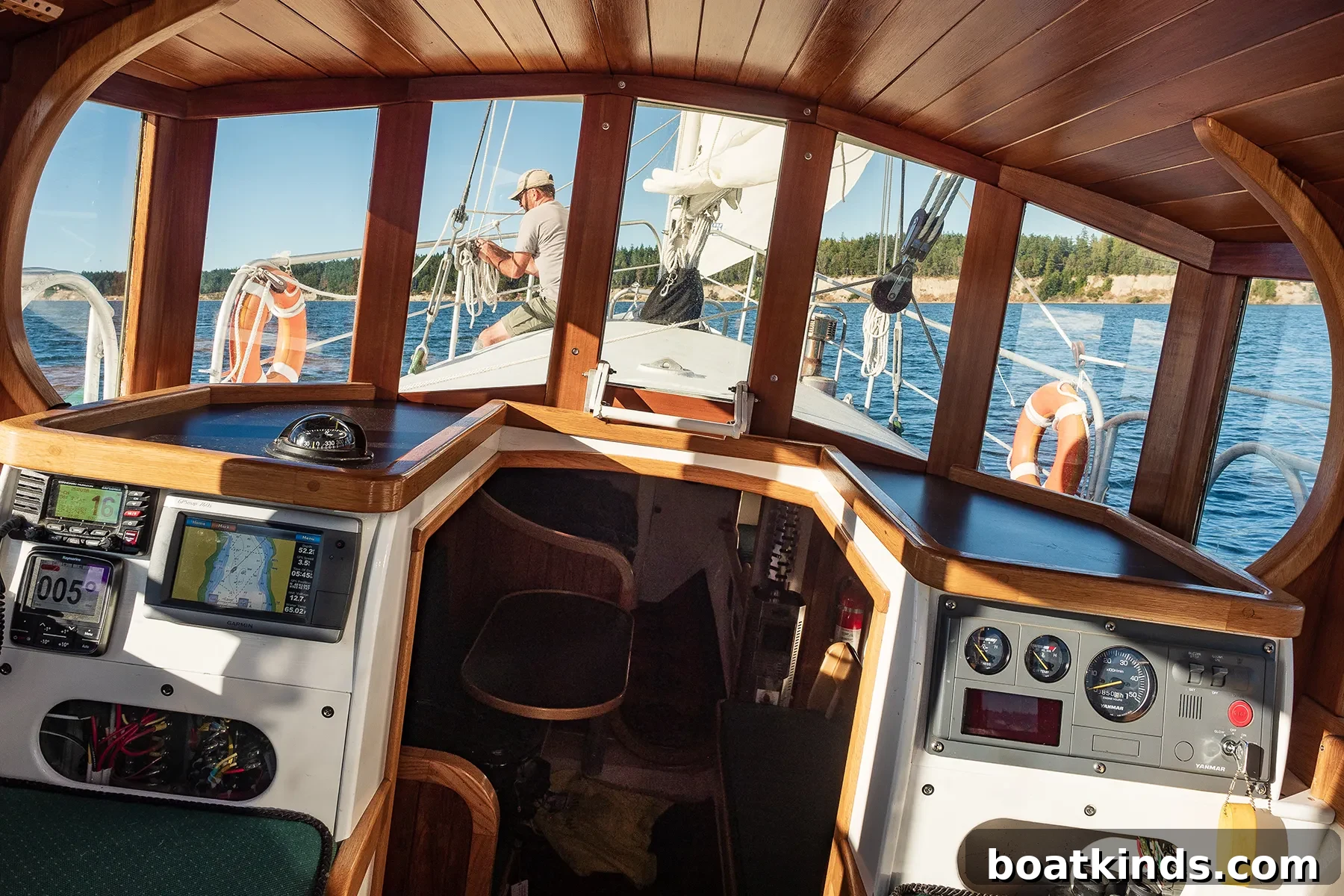
One of the most visible changes was the addition of an aluminum deckhouse aft. Built without formal plans, it seats six, offers full weather protection and provides a 360-degree view through 13 tempered-glass windows. The interior blends oak and cedar accents—an intentional nod to Lynn—and practical proportions, including a sun visor that echoes a Northwest workboat aesthetic.
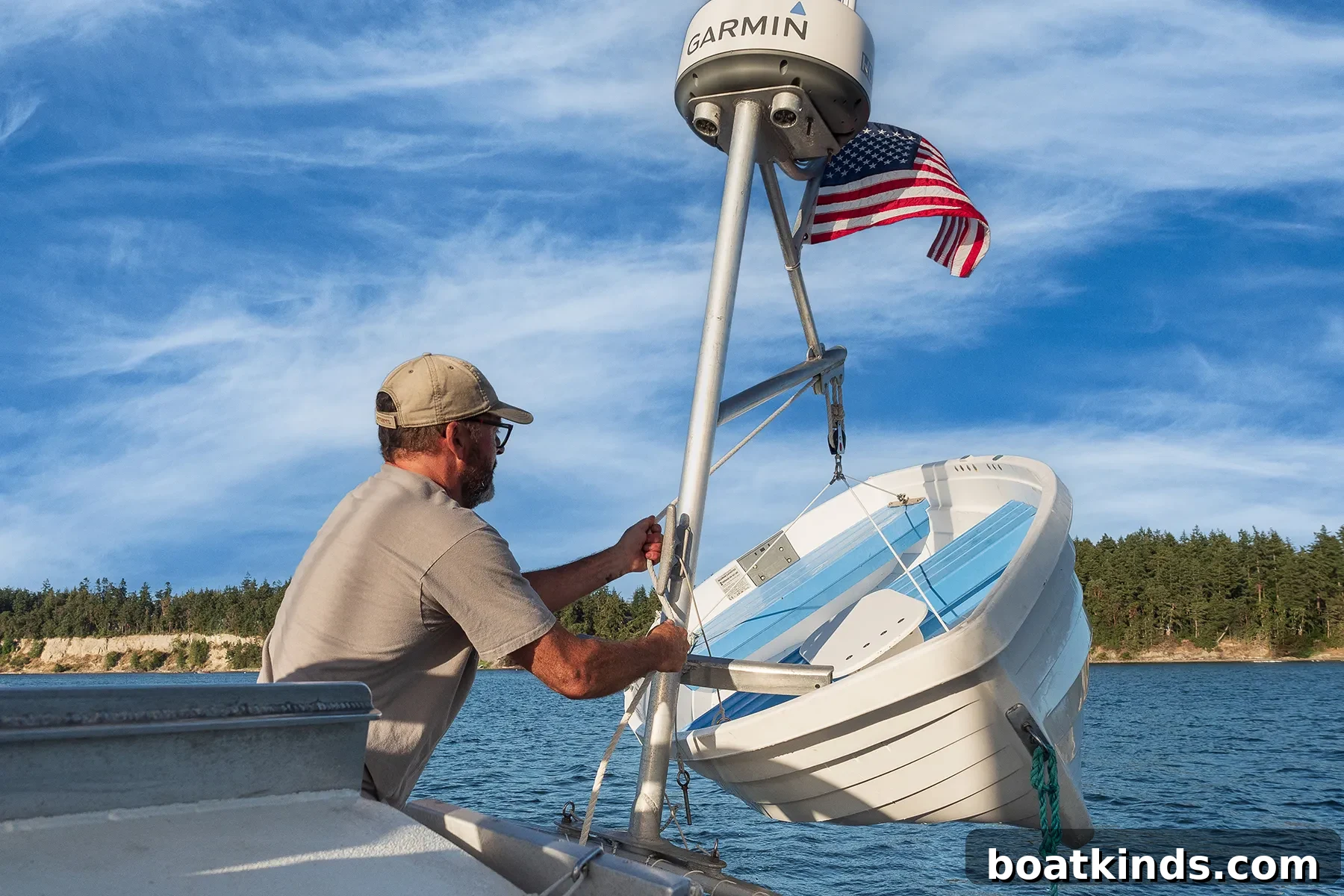
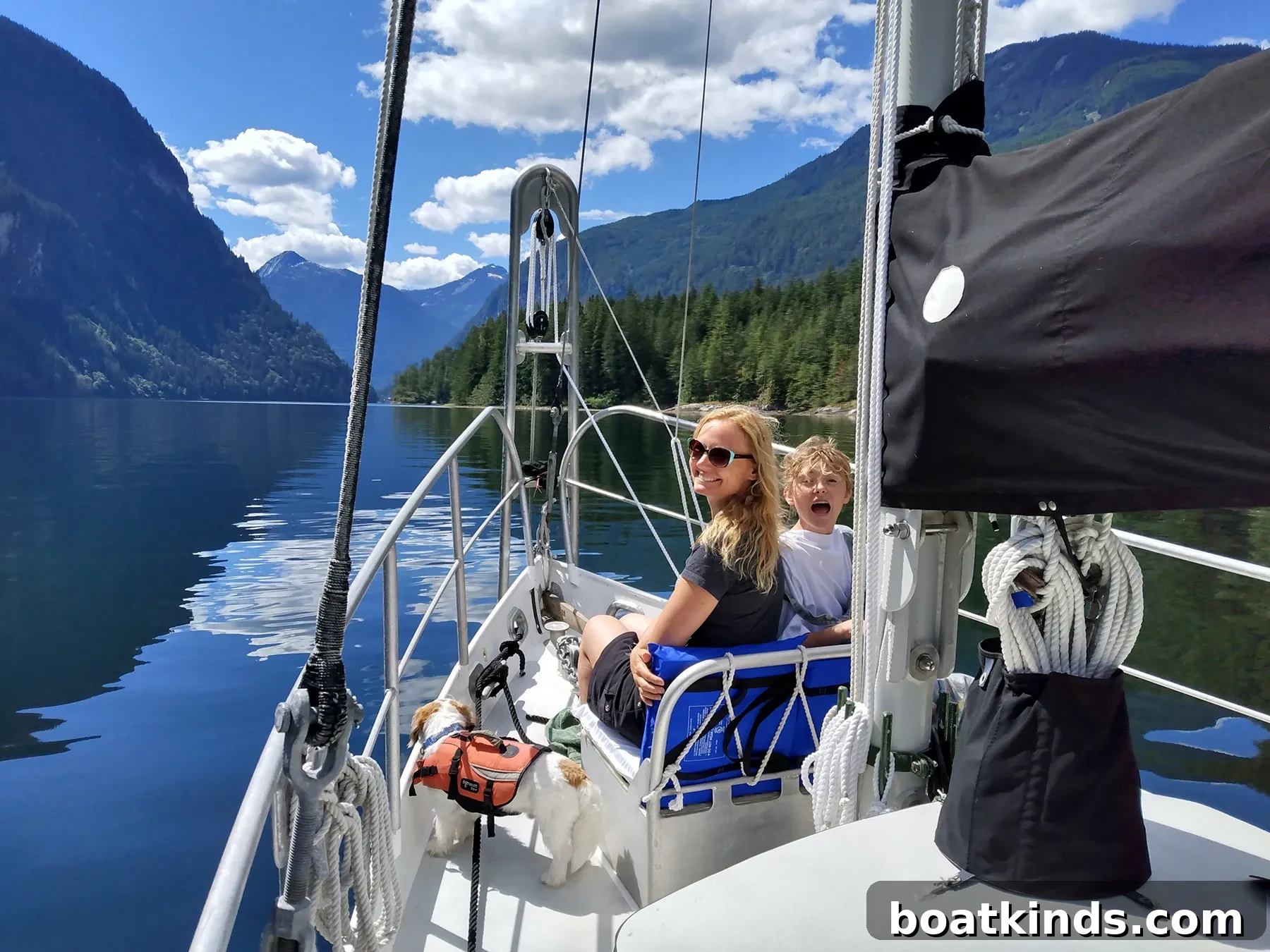
Up top, maintenance-minded choices removed wood from exposed areas and added multifunctional fittings. The bowsprit moves the headsail tack forward, serves as an anchoring platform and folds for marina berth savings. A single-arm davit holds the 8-foot Walker Bay dinghy, supports lights and antennas, serves as a crane and pivots inboard to shorten overall length. An aluminum foredeck hatch doubles as a bench, and a beaching leg attaches to former chainplates so the boat remains nearly upright at low tide—an invaluable feature for gunkholing in shallow bays.
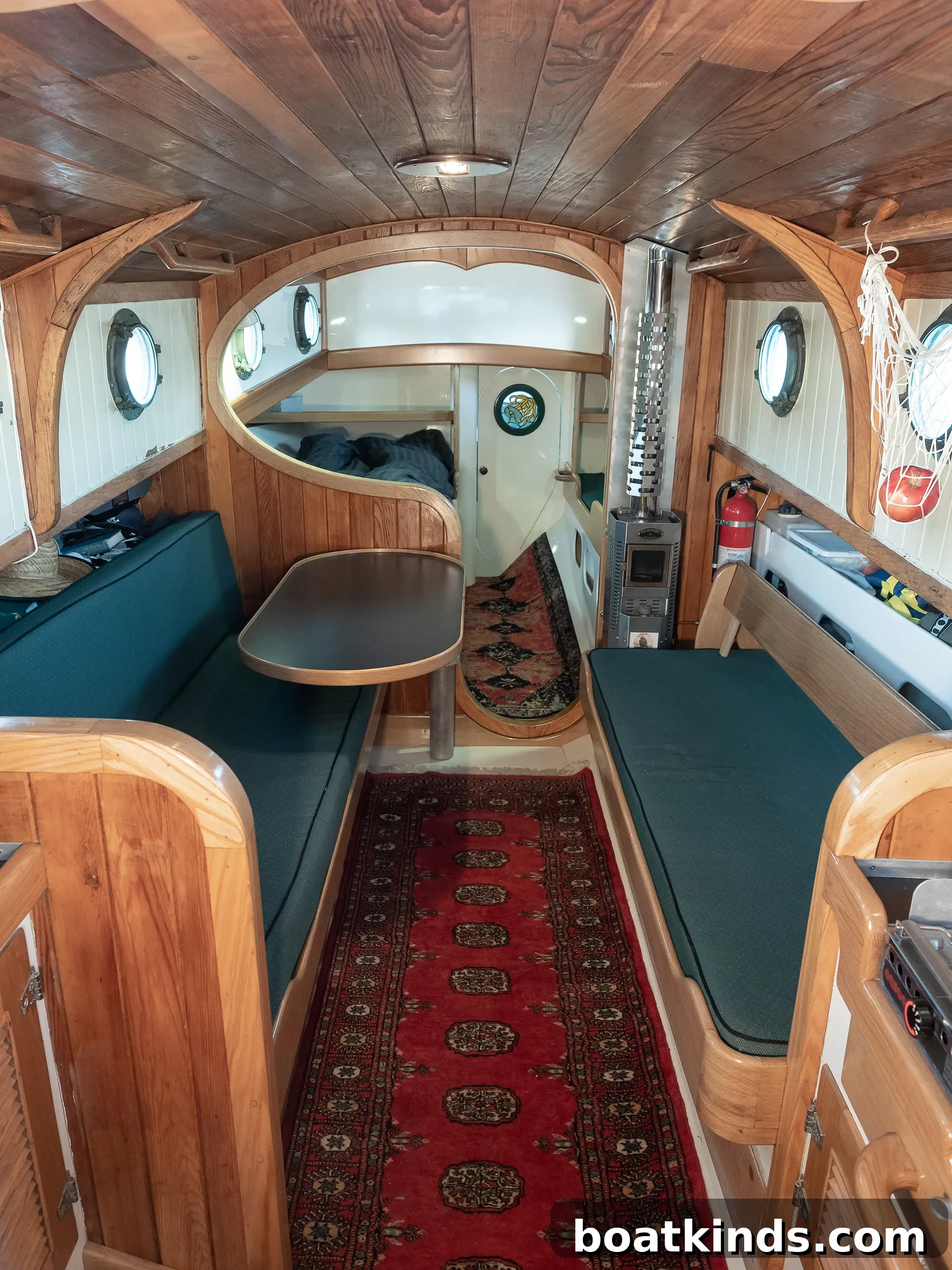
Inside, the cabin is open from near the stem to the stern with only one forward bulkhead concealing a composting head. The engine room sits beneath the deckhouse and the original galley remains at the foot of the companionway. Ring frames and half-bulkheads create generous stowage—enough room for inflatables and paddleboards—while accepting less privacy in exchange for spaciousness.
Headroom above the settees was limited by low side decks, so Steve raised and re-centered the seating and designed a new salon table with input from friends and designer Bob Perry. The pivoting aluminum pipe leg gives the table many positions and can be quickly removed and stowed.
Probably the toughest work was re-ballasting the boat. Steve removed hundreds of pounds of cement and lead, then reshaped lead ingots to fit the narrow bilge forward. That process required heavy jackhammers, repeated trips up and down ladders with 95-pound weights, epoxy encapsulation to isolate the lead from the aluminum hull and welded cover plates to protect the ballast and direct any seepage to a sump pump. The result lowered weight and moved ballast forward and down, improving the boat’s gunkholing performance for Pacific Northwest waters.
The refit comes with trade-offs: reduced aft-deck space for seafood hauling and increased windage from the new pilothouse. Lynn, now retired, accepts these changes while appreciating the family legacy. For Steve, Panope is exactly what he intended: a comfortable, practical cruiser tailored to the cooler, wet weather and cruising style of the Inside Passage and nearby waters.
Nearly a quarter century of steady improvements turned the former schooner into a cutter that suits its owner’s needs. Goodwin still tweaks systems and schedules new projects while working as a systems specialist at Cape George Marine Works. He relishes every minute aboard—whether buzzing a friend in a dinghy or planning the next modification. “Overall I’m real pleased,” he says. “Things are a lot nicer on board the boat.”
Length on deck: 34’0”, LWL: 27’0”, Beam: 10’0”, Displacement: 15,000 lbs., Sail area upwind: 780 sq. ft., Motor: 40-hp Yanmar 3JH3E diesel
This article was originally published in the September 2023 issue.