
HaiSea Wamis: The World’s First Fully Electric Tugboat and a Zero-Emission Maritime Shift
As the maritime industry moves away from carbon-based fuels, shipbuilders and operators are increasingly adopting electric propulsion. In a notable collaboration, Vancouver-based shipbuilder Seaspan and the Haisla Nation — the governing body of the Indigenous Haisla people — have joined forces to deliver the HaiSea Wamis, the world’s first fully electric tugboat. This vessel represents a major step toward cleaner port operations and reduced shipping emissions in British Columbia.
“This will live its entire life on a zero emissions platform,” said Jordan Pechie, Senior Vice-President of Seaspan Marine Transportation. “It will change the game, for sure.” The statement reflects the broader push within the industry to find practical, scalable alternatives to diesel-powered tugs that typically dominate towing and harbor-support operations.
Designed by renowned naval architect Robert Allan and constructed in a Turkish shipyard where Canada sources many of its tugs, the HaiSea Wamis measures 93 feet overall. Her name honors the Haisla Nation’s first ancestor in Kitimat, according to their creation story. Removing traditional exhaust stacks not only eliminates onboard emissions but also clears sightlines on deck, improving visibility and safety for the crew — a meaningful advantage for a vessel whose primary duties require close-quarters maneuvering around large ships and port infrastructure.
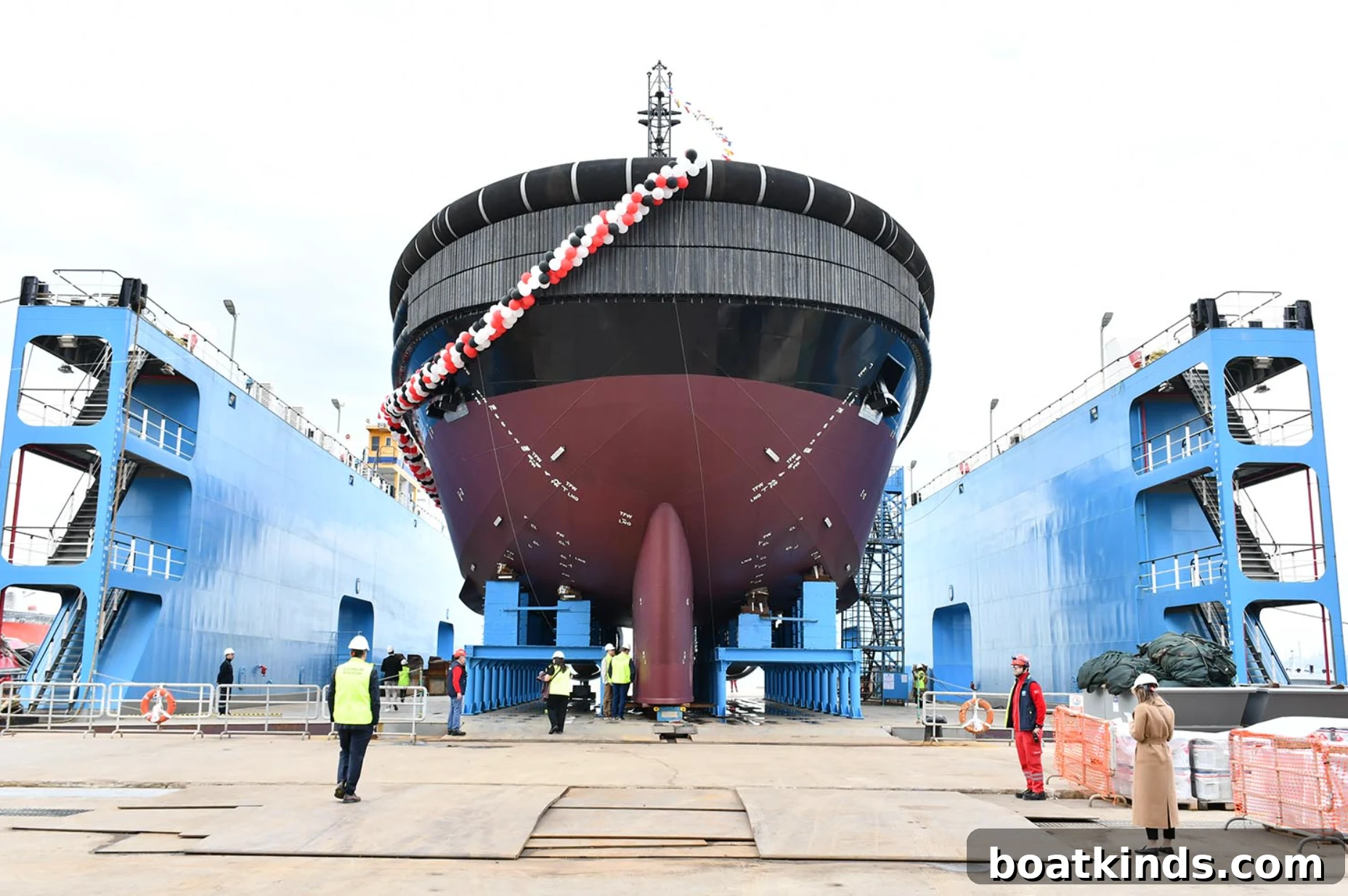
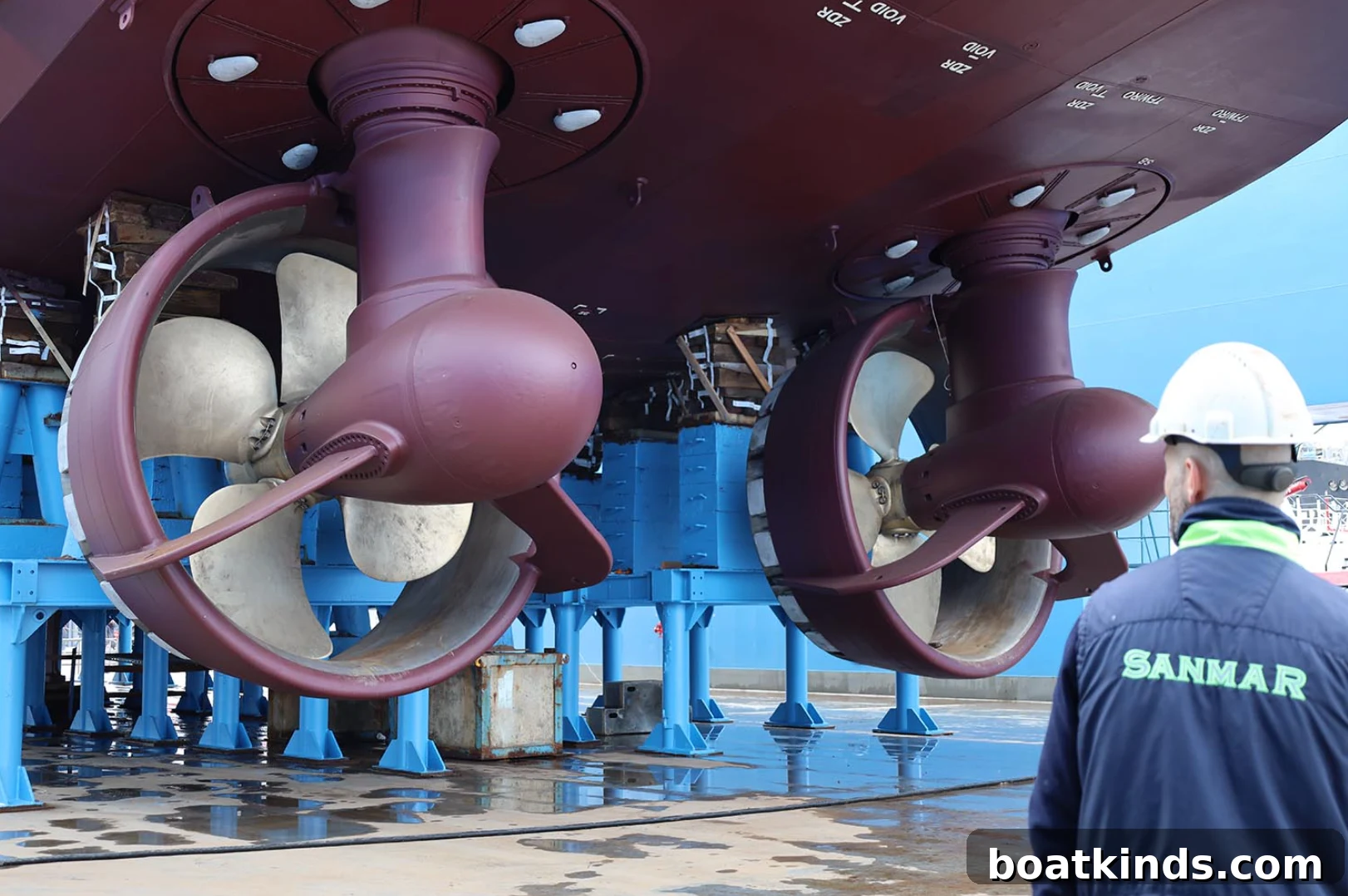
The electric drive system gives the tugboat performance benefits beyond emissions reduction. Electric motors deliver instant torque, resulting in more responsive handling than many diesel setups. To account for that responsiveness, designers refined the throttle controls to prevent unintended surges of power. Propulsion comes from six banks of high-capacity Corvus batteries, each rated at 5,300 kWh, providing the vessel with a combined output equivalent to roughly 7,000 horsepower. Seaspan and Haisla estimate the HaiSea Wamis will reduce greenhouse gas emissions by approximately 1,000 to 1,500 tons compared with a conventional diesel-powered tug operating on similar tasks.
Noise pollution is another important consideration. Electric propulsion is significantly quieter underwater than diesel engines, which helps reduce acoustic disturbance to marine mammals and other sensitive species in coastal waters. Quieter operation can improve conditions for marine life in and around busy ports while also enhancing onboard comfort for crew and passengers.
Below decks, the HaiSea Wamis retains the practical, compact layout familiar to tug crews. The interior provides comfortable accommodations, including four private staterooms with en suite facilities. This attention to habitability supports longer shifts and enhances crew welfare during routine operations or extended assignments.
The impetus for the electric tug came from Haisla Nation leadership, who required a new export terminal to be built with minimal environmental impact. The zero-emission tug was developed as a direct response to that requirement, demonstrating how community-led priorities can influence technological choices and infrastructure design.
Seaspan sees the HaiSea Wamis as a template for future terminal and harbor contracts in British Columbia. “This model is the future,” said Pechie. “This is what belongs in British Columbia. For terminal contracts, electric tugs just make perfect sense.” The project highlights how electrification, combined with thoughtful design and Indigenous partnership, can deliver operational, environmental, and social benefits.
HaiSea Wamis serves as a real-world example of how maritime operations can transition to cleaner energy sources without sacrificing capability. As ports, customers, and regulators push for lower emissions and better protection for marine ecosystems, electric tugs like the HaiSea Wamis will likely play an increasingly prominent role in coastal logistics and harbor support.