
Jeff Bezos’ Sailing Yacht Koru Arrives in Fort Lauderdale
When Jeff Bezos’ sailing yacht Koru arrived in Fort Lauderdale, Florida, on November 22 after departing Gibraltar, her crew immediately recognized that she was too large to fit alongside the region’s private yacht berths. Measuring 417 feet in length, Koru had to be moored in Port Everglades among commercial vessels and oil tankers—an arrangement driven entirely by practical constraints of size and harbor capacity.
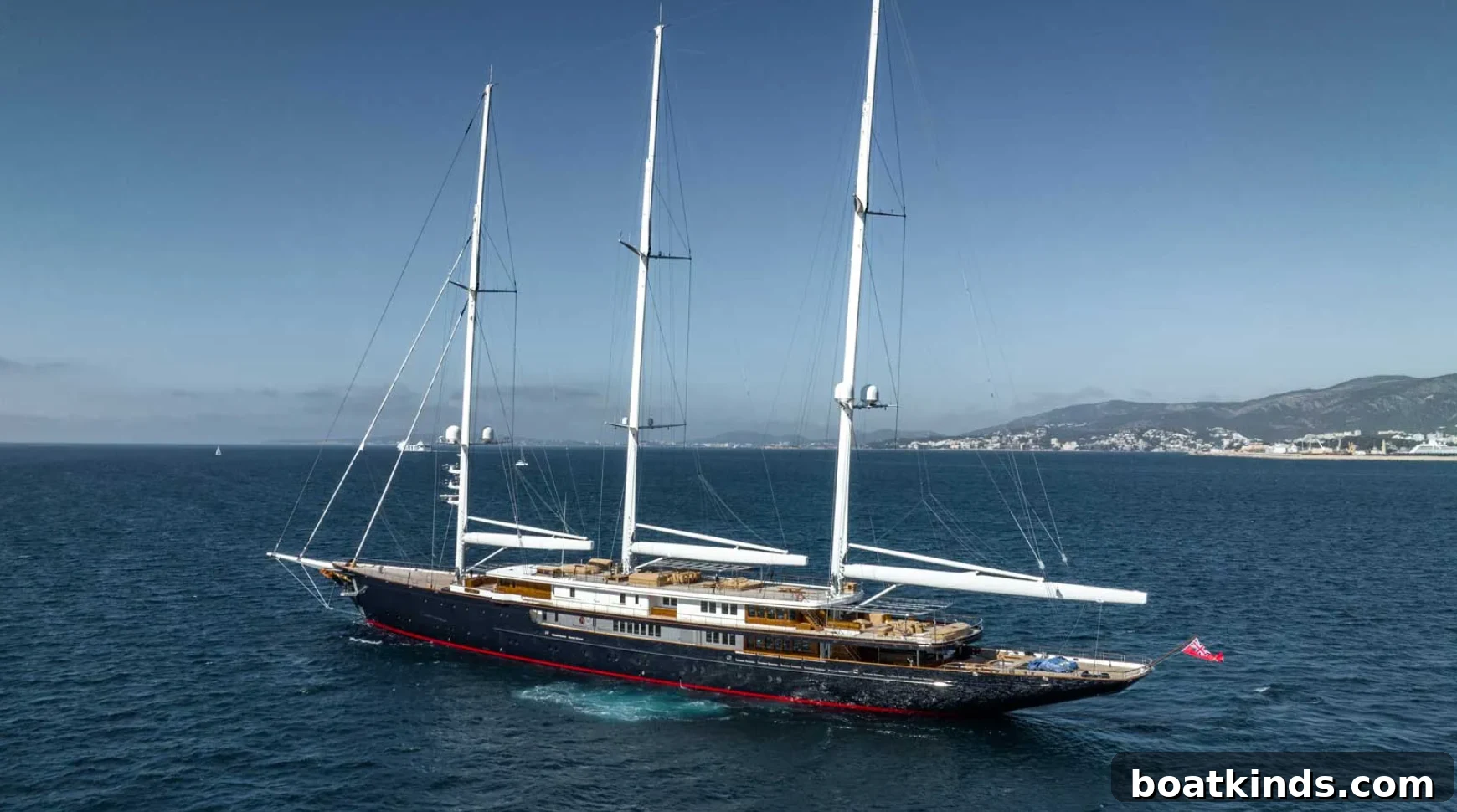
Commissioned and owned by Amazon founder Jeff Bezos, Koru was built in the Netherlands by the yacht builder Oceanco at an estimated cost of approximately $500 million. As one of the largest sailing yachts in the world, she ranks as the second-largest after Andrey Melnichenko’s Sailing Yacht A. Her scale and luxury interior appointments place her among the most notable private sailing vessels in recent years.
The arrival in Fort Lauderdale was not the yacht’s first high-profile logistical challenge. After her launch, Koru became the center of controversy when her builders sought permission to temporarily disassemble Rotterdam’s historic Koningshaven Bridge (also known as De Hef) so the yacht could pass. That proposal prompted public protests and highlighted the extraordinary infrastructure complications that can accompany superyacht construction and delivery.
Koru is a three-masted sailboat designed for both long-distance sailing and lavish onboard living. The yacht’s deck is arranged for relaxation and entertainment, featuring multiple amenities including three jacuzzis and a swimming pool. A distinctive mermaid figurehead graces the bow; while some have noted a resemblance to Bezos’ partner Lauren Sánchez, she has stated the figurehead was not modeled after her. The design is said to take inspiration from Freyja, the Norse goddess associated with love, fertility, war, and gold, lending the vessel both mythic symbolism and visual drama.
Docking a vessel of Koru’s magnitude requires space and facilities typically reserved for commercial traffic. Port Everglades implements a specific tariff for very large yachts: vessels over 400 feet are charged a daily rate of $309.50. Beyond port fees, the logistics of accommodating a 417-foot sailing yacht involve careful planning, tug assistance, and often placement in areas of the harbor that are shared with cargo ships and tankers rather than exclusive private marinas.
Supporting Koru is a substantial auxiliary vessel named Abeona, a 246-foot support ship built at one of the Dutch Damen Yachting yards. Abeona is designed to carry equipment, tenders, and additional guest amenities that complement the primary yacht. At the time of Koru’s arrival, Abeona was docked nearby at Dania Beach, Florida. Among the items stored aboard Abeona is a D14 value helicopter; however, because of Koru’s tall masts and rigging, a helicopter cannot safely land on the sailing yacht itself, making the support vessel vital for aviation and large-item logistics.
The presence of Koru in Fort Lauderdale drew attention not only for the yacht’s size and lavish fittings but also for the practical realities of hosting such an extraordinary vessel. From historic bridge controversies in Rotterdam to commercial port berths in Florida, Koru’s movements illustrate the intersection of modern luxury yachting with the operational limits of public infrastructure and maritime facilities.
For observers of superyacht activity, Koru remains a striking example of contemporary yacht design: a blend of traditional sailing elements—tall masts and a pronounced bow—with expansive leisure spaces and high-end finishes. Her visits to ports around the world tend to attract media attention, both for the celebrity association and for the logistical measures required to move, dock, and support a sailing yacht of this scale.