The word “captain” carries many meanings. In the military it can be a rank between first lieutenant and major; on a boat or plane it often refers to the person in command regardless of rank insignia; and, more broadly, it describes someone of influence or leadership in any field. For Soundings’ 60th anniversary, our editors used that broad definition to select captains who shaped boating culture and expanded what people imagine possible on the water. We looked beyond formal command to include those who inspired others, advanced safety and technique, or transformed public interest in maritime pursuits. The following individuals represent the diverse ways a captain can steer change.
Peter Wright
For many anglers, the moment they land a giant marlin is when they realize they were made for the sport. Peter Wright felt that calling as a child in Fort Lauderdale, Florida, working aboard charter boats before his teens and eventually becoming one of the most accomplished big-game fishing captains in history. Wright guided anglers to record catches, including the Australian men’s black marlin record on 130-pound line (1,442 pounds) and the women’s 80-pound-class black marlin world and Australian record (1,323 pounds). These catches—comparable in weight to a grand piano or a large polar bear—reflect extraordinary skill in boat handling and angler support.
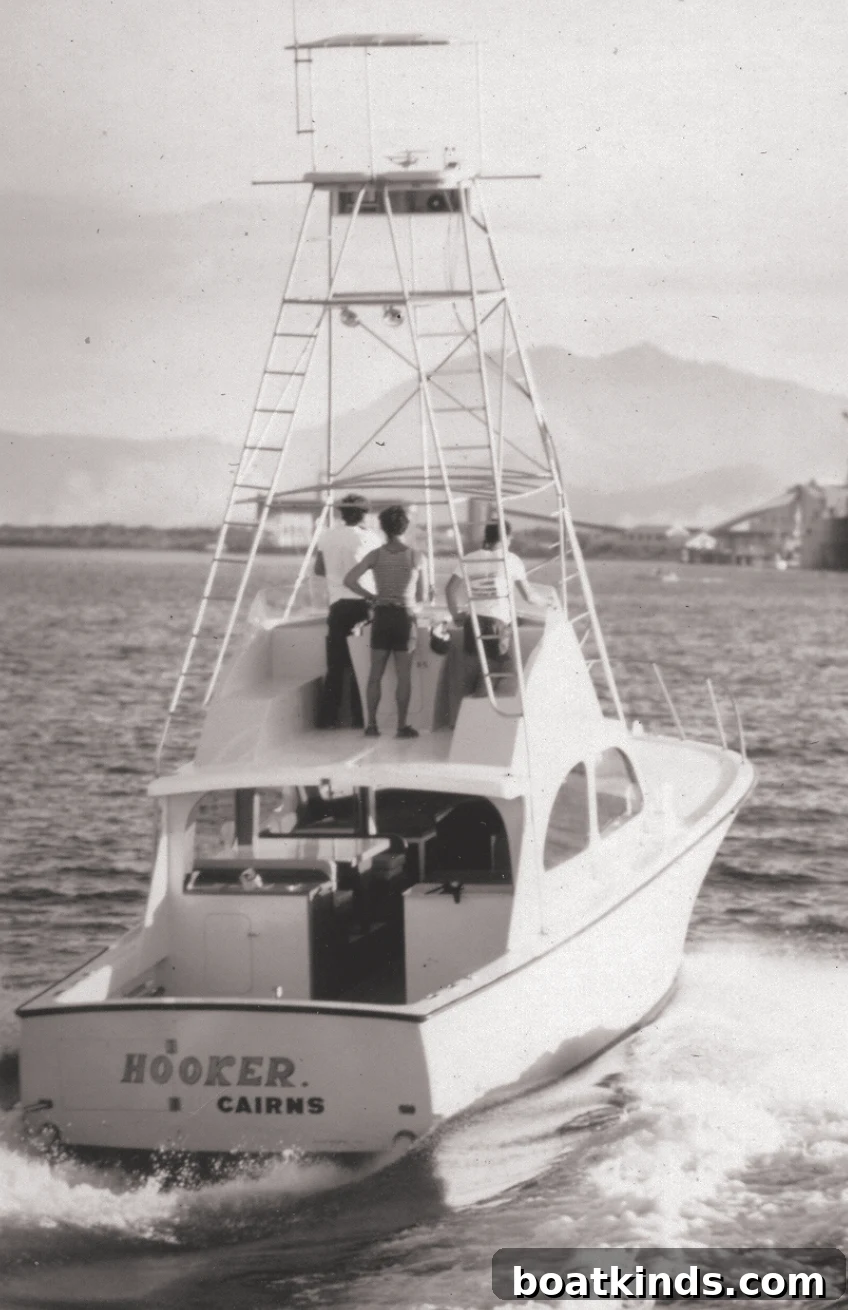
Wright owned and captained charter boats for years and earned induction into the International Game Fish Association Hall of Fame in 2007, recognized for his fishing expertise, seamanship, and willingness to teach others through publications and seminars. He also collaborated on tackle design, helping companies like Aftco refine products such as Wire Max leadering gloves to protect anglers’ hands during intense fights. Wright’s innovations set standards adopted worldwide. He passed away in 2023 after a battle with Alzheimer’s, remembered as one of the most influential heavy-tackle captains of the modern era.
Kenneth Boda
U.S. Coast Guard Capt. Kenneth Boda has carved a reputation as a polar explorer and oceanographer, serving multiple years aboard polar icebreakers. His assignments combined science, search-and-rescue, and maritime security in some of the planet’s harshest environments. In November 2022, Boda commanded the 420-foot cutter Healy home to Seattle after a historic 17,000-mile, 124-day Arctic deployment that included a transit to the North Pole to support research and provide security—a rare achievement for a U.S. surface vessel. That deployment also involved patrols along the international maritime boundary between the United States and Russia.
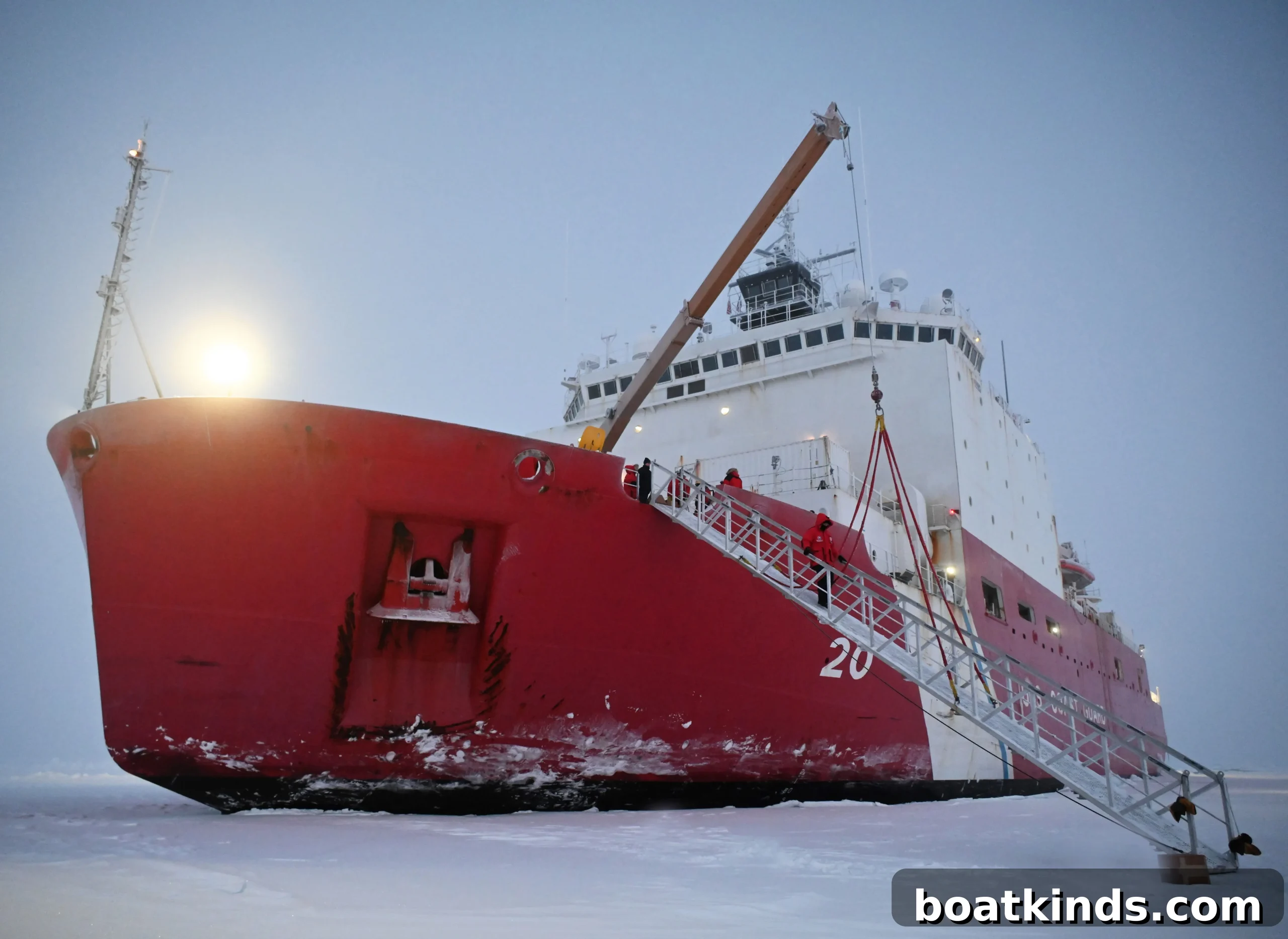
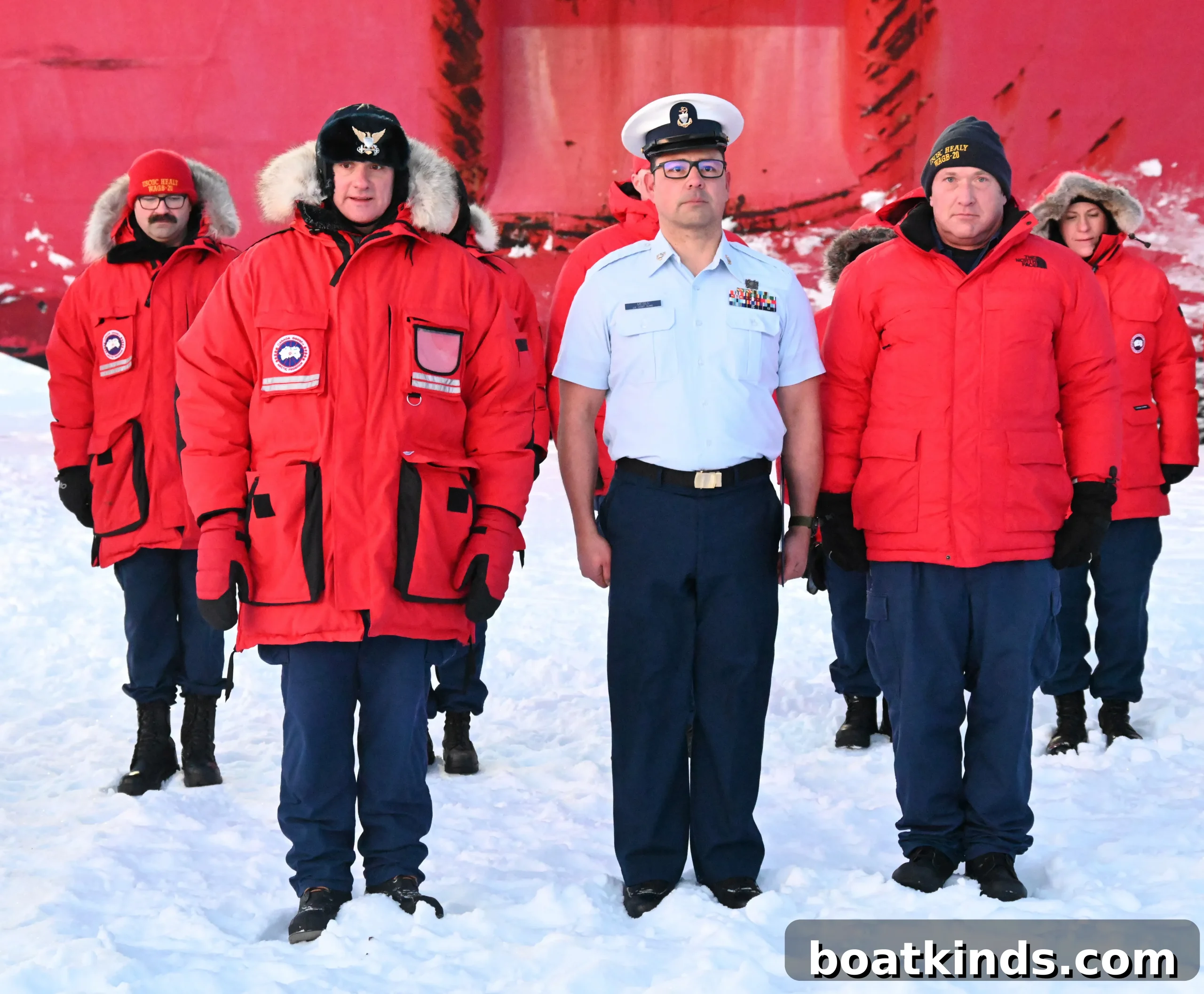
“The crew of Healy is proud to have completed this mission to the North Pole and back,” Boda said at the time, noting the expedition’s role in advancing American interests across the Arctic Ocean.
Dawn Riley
Dawn Riley has spent her career breaking barriers in competitive sailing and then working deliberately to widen the sport’s reach. She was the first woman to manage an entire America’s Cup syndicate and the first American to compete in three America’s Cups and two Whitbread Round the World races. Rather than resting on her accomplishments, Riley turned to leadership and education—serving as president of the Women’s Sports Foundation and as executive director of Oakcliff Sailing, which develops leaders through sailing.
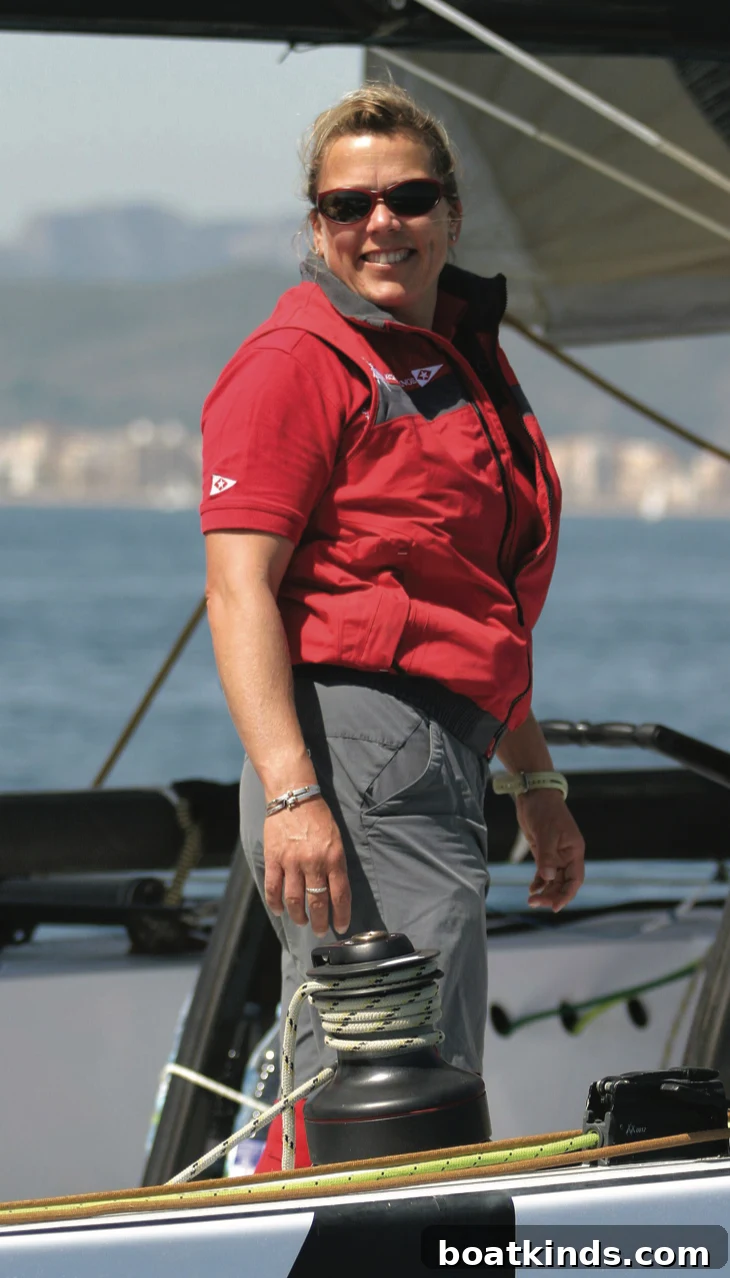
Riley was the watch captain on Maiden, the first all-women’s Whitbread entry, and the story of that campaign was told in the film Maiden. The National Sailing Hall of Fame inducted her in 2021, quoting her call for broader decision-making roles for women: “Women in leadership with decision-making powers is where we need to go. The next step is for more women to own their own boats.”
Lee Rosbach
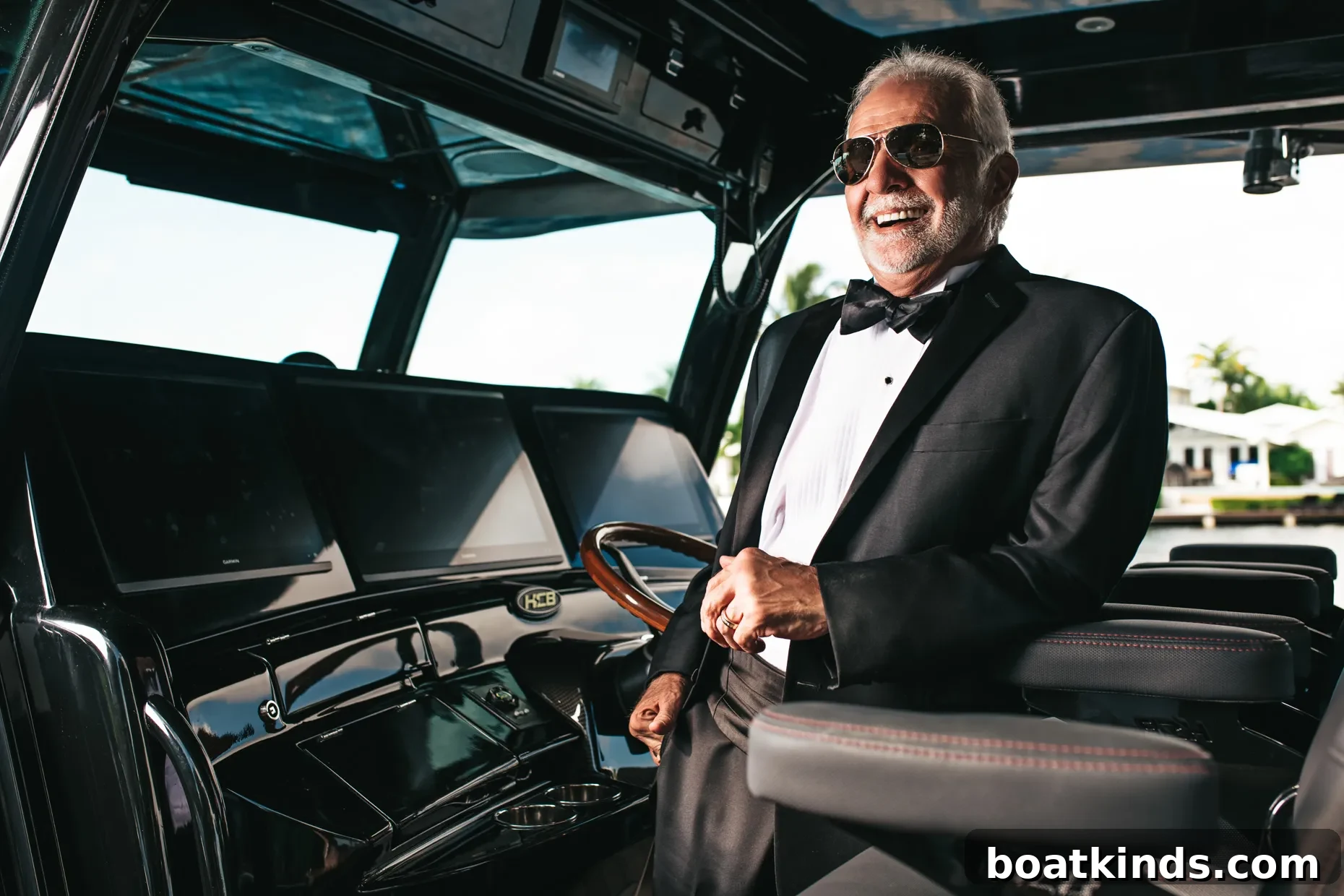
Before Below Deck made it mainstream, few people understood the professional world of crewed yacht charters. Lee Rosbach was a veteran captain of many yachts and became a household name when he captained the 164-foot Cuor di Leone—renamed Honor for television—on the first season of the reality show in 2013. Rosbach and a small leadership team remained aboard to operate the yacht while the rest of the professional crew took leave, allowing producers to feature the cast in crew roles. The show averaged 1.4 million viewers in its first season and spawned a franchise that introduced millions to the concept of crewed charters and the life of yacht professionals. While the industry initially bristled at some portrayals, the show ultimately drove greater interest in chartering and awareness of the captain’s role.
Lin and Larry Pardey
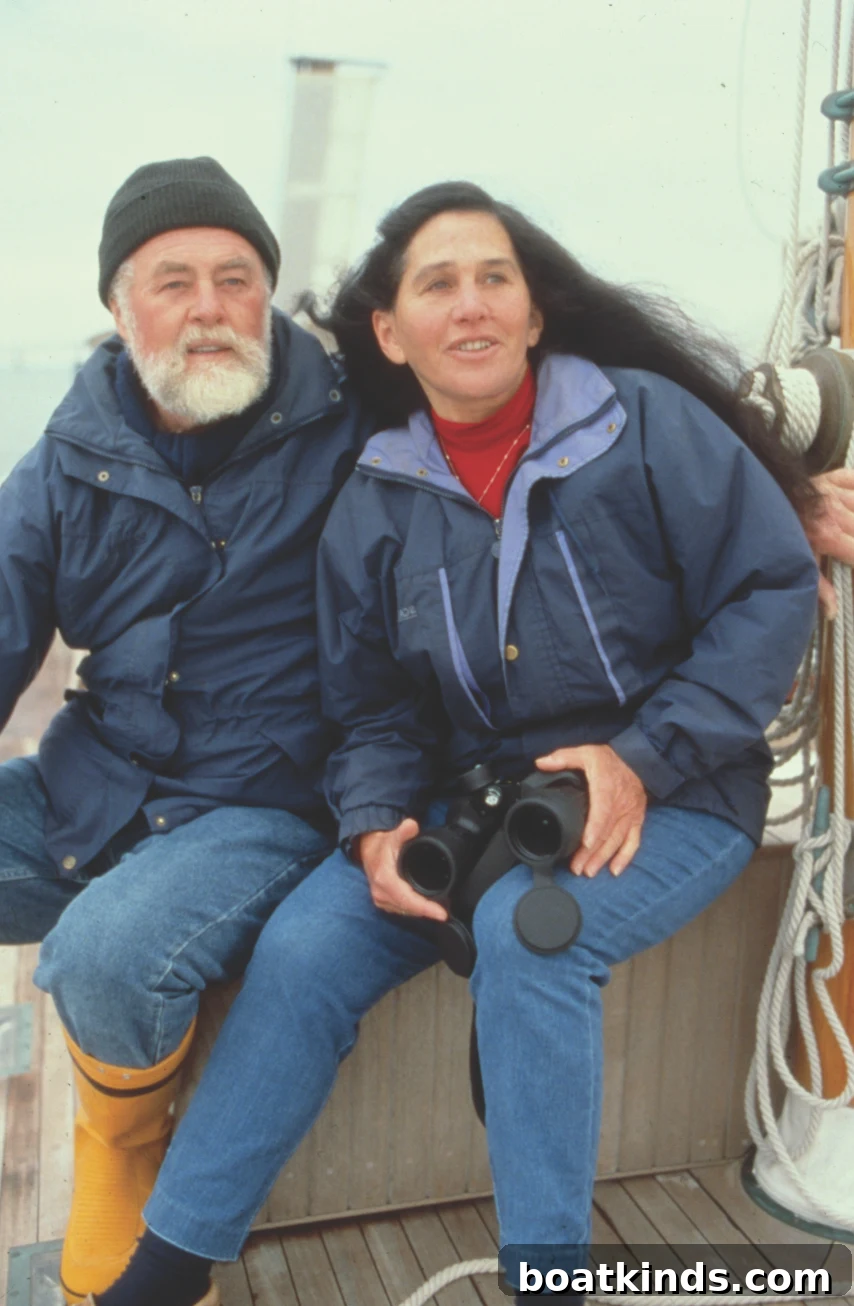
Lin and Larry Pardey championed a simple but bold philosophy: “Go small, go simple, but go now.” The couple circumnavigated the globe twice in small, engine-free, wooden boats they built themselves—the 24-foot-7-inch Seraffyn and the 29-foot-4-inch Taleisin—proving that long-distance cruising need not require large or high-tech vessels. The Cruising Club of America credits them with making the smallest downwind- and upwind-propelled circumnavigation around the southern capes.
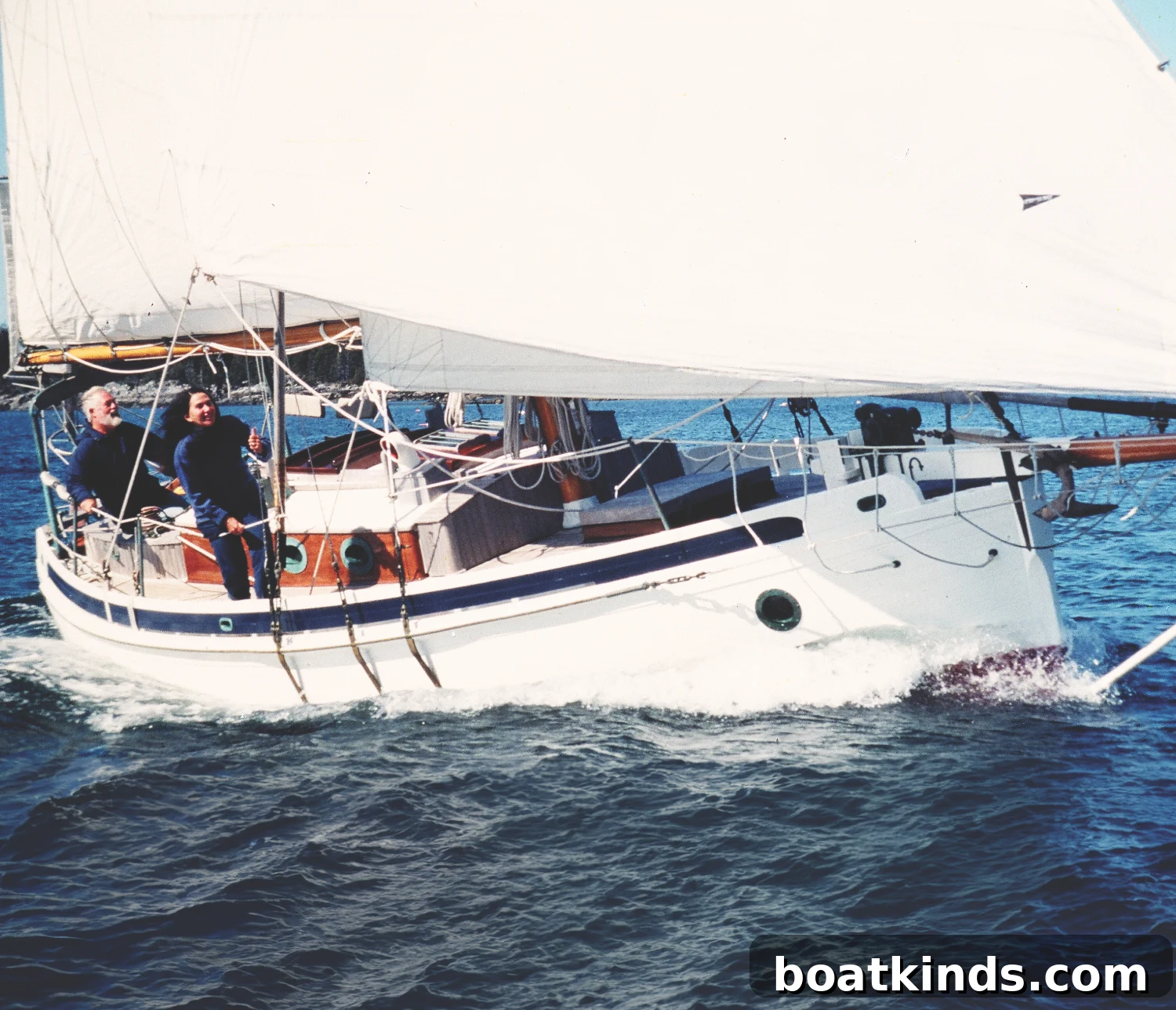
Without sponsorship, the Pardeys sailed to roughly 77 countries and then shared their experiences through books, lectures, and films that taught others how to embrace liveaboard cruising. Inducted together into the National Sailing Hall of Fame in 2022, they were celebrated for their seamanship, storytelling, and humor—illustrated by small personal touches such as naming a pet cat “Dog.” After Larry’s death in 2020, Lin remains active in sailing, teaching and inspiring new generations; she is working on a new book and offers an online course, Storytelling For Sailors, to help boaters share their voyages.
Dennis Conner
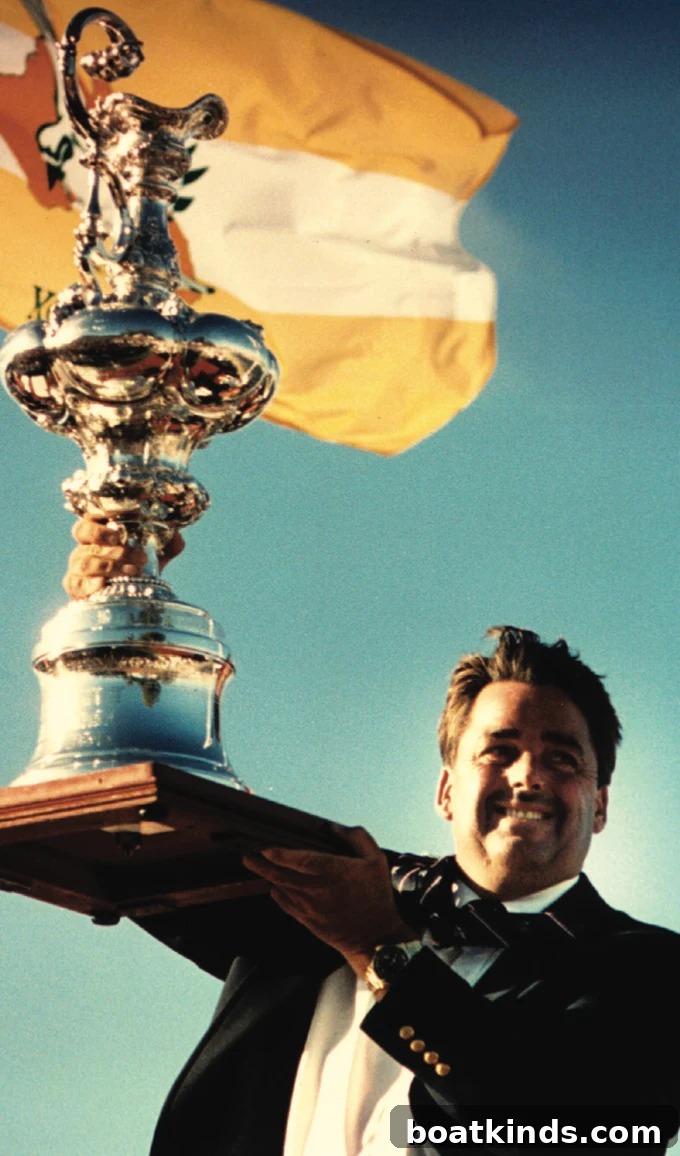
Dennis Conner’s impact on sailboat racing is huge and often polarizing. Nicknamed “Mr. America’s Cup,” Conner won the Cup multiple times and claimed more than 100 trial victories. He was part of the inaugural America’s Cup Hall of Fame class and is a National Sailing Hall of Fame inductee; in a 2012 public vote by US Sailing, he was named America’s Greatest Sailor. Fans admire his competitive drive; critics fault his ego and the degree to which he centered the sport on himself. Either way, Conner has inspired countless sailors to race—whether as an example to emulate or a rival to beat.
Richard Bennis
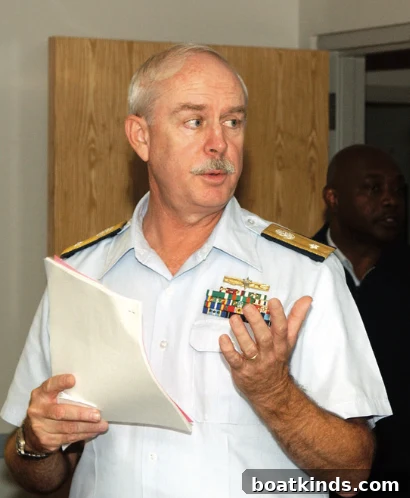
Rear Adm. Richard E. Bennis lends his name to the Coast Guard awards that recognize facilities fostering a “culture of security.” As commander for Coast Guard activities in New York during OpSail 2000 planning, Bennis extended his tour and was on duty during the September 11, 2001 attacks. While en route to Florida for post-surgery recovery, he turned back, secured a boat in Sandy Hook, and organized a flotilla of more than 100 vessels that evacuated nearly half a million people from Lower Manhattan. His decisive leadership helped reopen the Port of New York and informed subsequent maritime security planning.
John Tomlinson
In offshore powerboat racing, the throttleman is often regarded as the captain, and John Tomlinson is frequently judged the world’s best. Since 1986 he has earned over 50 national and world titles and more than 160 wins. Driving the 50-foot Mystic, he set an official speed record of 208 mph and recorded 218 mph at the Lake of the Ozarks Shootout. Tomlinson describes high-speed throttle work as establishing a rhythm—skipping from wave top to wave top and timing throttle inputs to maintain acceleration rather than alternating between full throttle and braking. His advice reflects an intimate knowledge of water reading and boat trim.
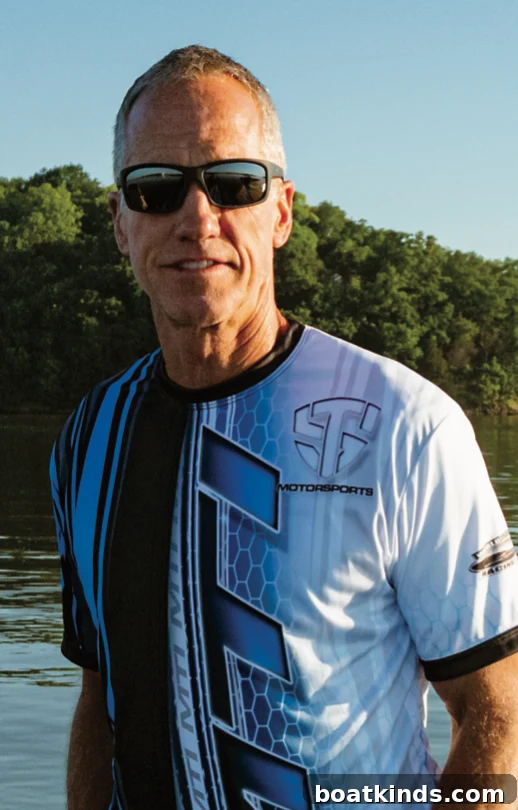
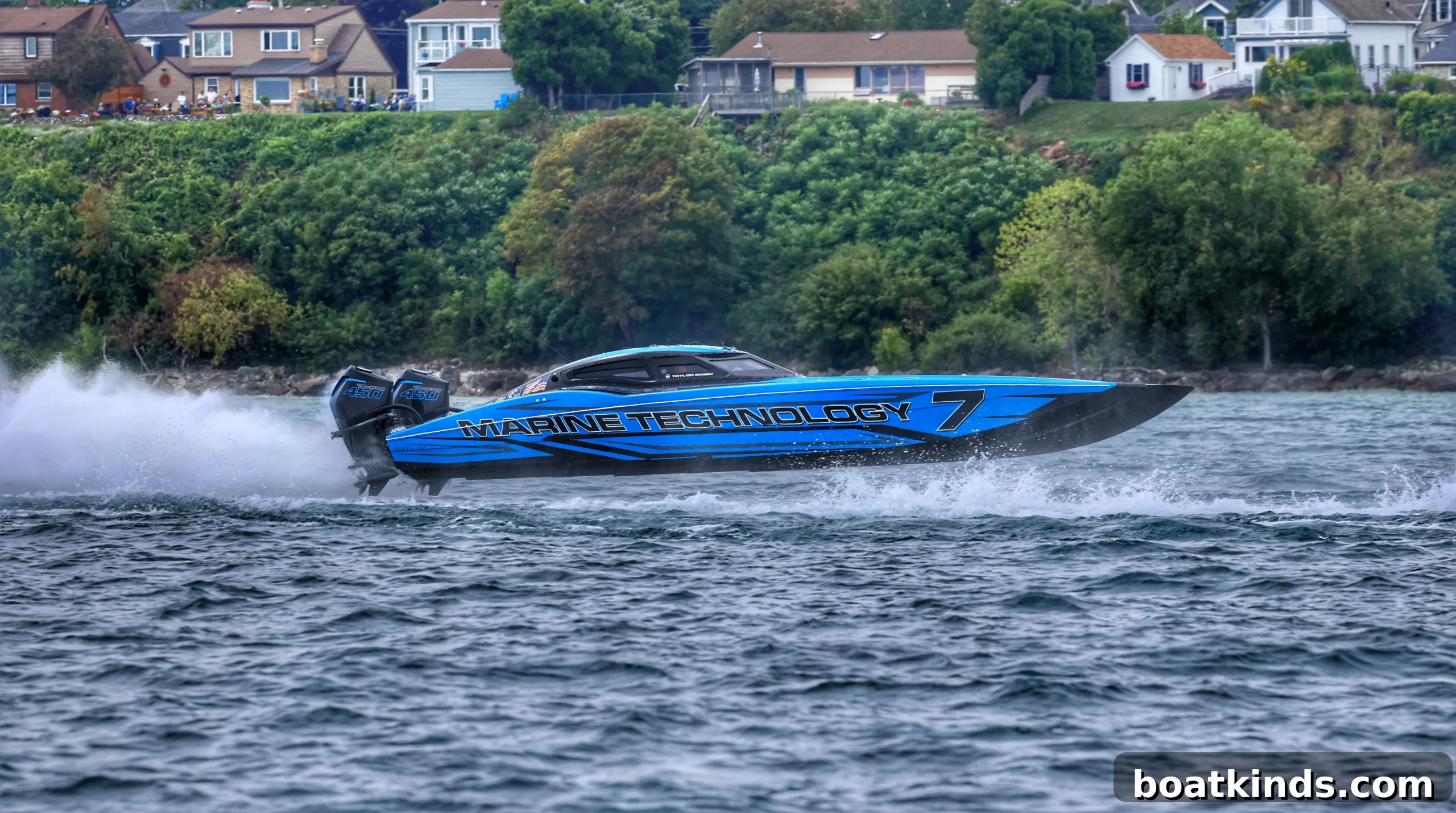
Tomlinson co-owns TNT Custom Marine in North Miami, a high-performance shop founded in 1984 that offers boats, engines, rigging and service. The company’s specialists bring racing-level expertise to recreational clients, helping them apply performance principles safely and effectively. As Tomlinson puts it, “The more time you get in any raceboat, the better.”
Victor Vescovo
Victor Vescovo set out to reach the deepest points of the world’s oceans. A former U.S. Navy Reserve intelligence officer, he led the Five Deeps Expedition and piloted the Triton-built submersible Limiting Factor to record-setting depths. Between 2018 and 2019 he reached the deepest known points of the Atlantic (27,480 feet), the Southern Ocean (24,388 feet), the Indian Ocean (23,596 feet), the Challenger Deep in the Mariana Trench—diving twice to a world-record 35,853 feet—and the Molloy Deep in the Arctic Ocean (18,210 feet), the first human to visit that location.
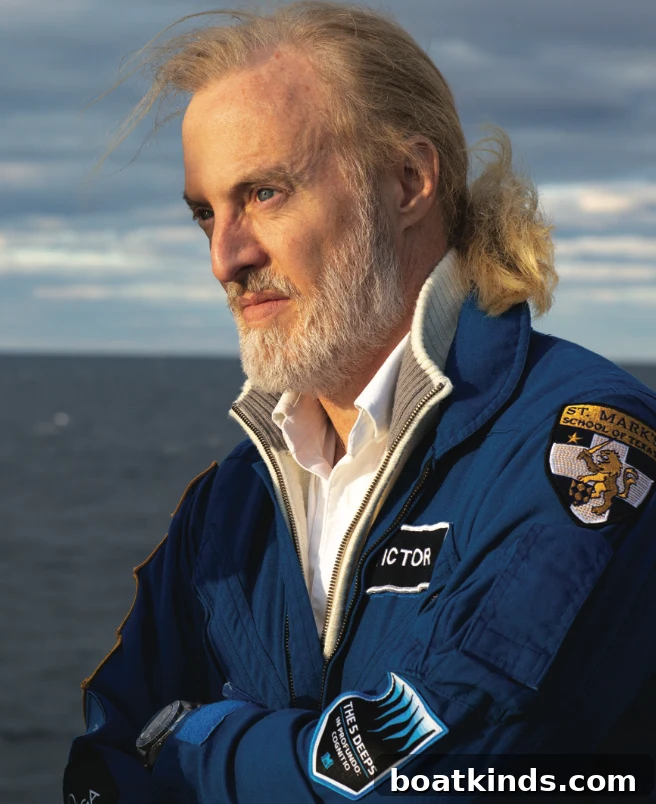
Vescovo emphasized the importance of a submersible capable of repeatable deep dives; Limiting Factor’s two-person design and descent-focused performance made the ambitious project possible. Yet his dives also brought an unsettling discovery—trash on the ocean floor—which prompted him to ask whether any place on Earth remains untouched by contamination. His finding underscores the environmental lessons that accompany modern exploration.
This story was originally published in the March 2024 issue.