
Boston Lightkeeper Sally Snowman Retires After Two Decades of Service
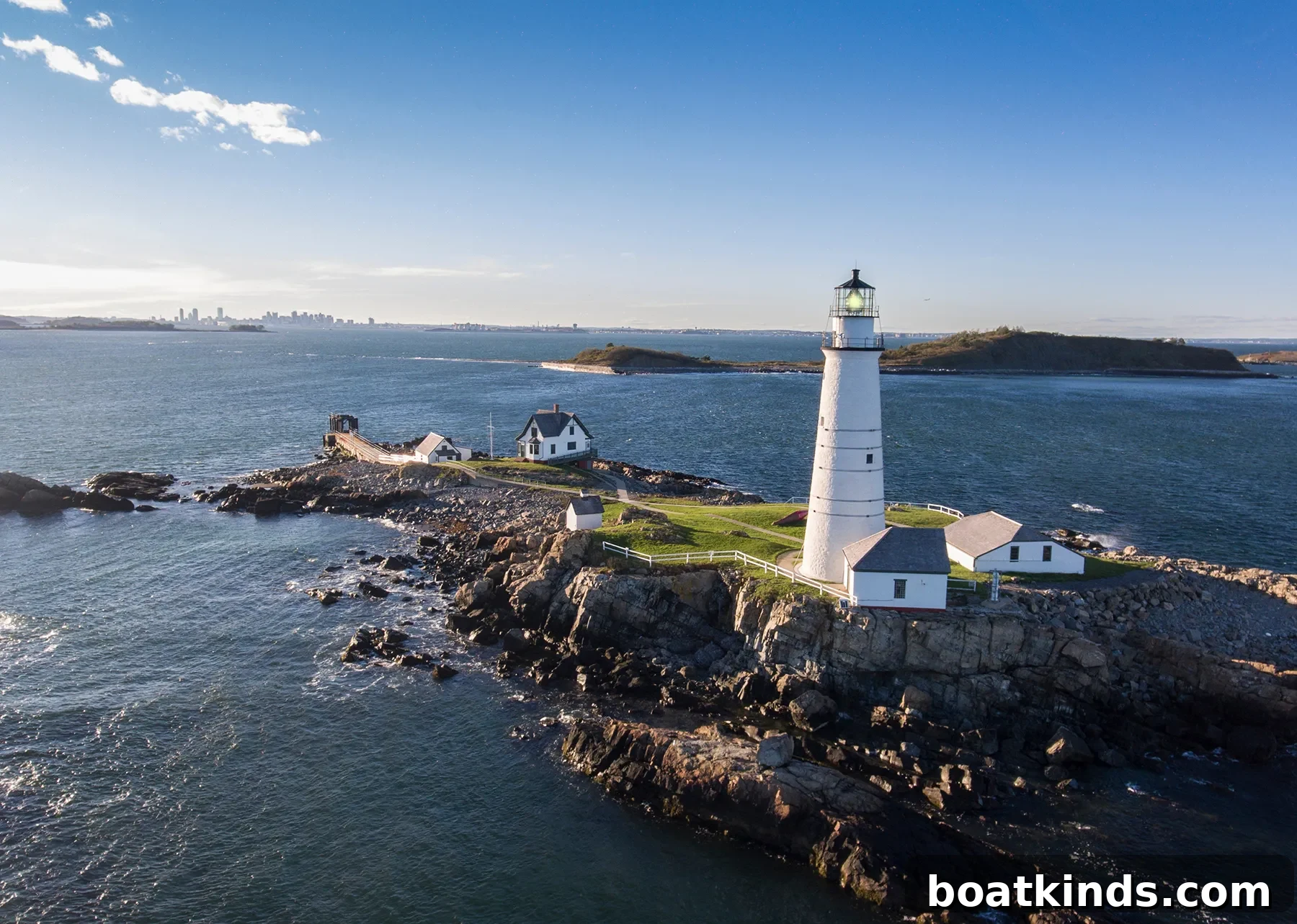
Sally Snowman’s long tenure as the keeper of Boston Light drew to a close on December 31, marking the end of an era for one of America’s most storied lighthouses. Snowman, who became the 70th keeper in 2003, served as a living link between a centuries-old maritime tradition and the modern navigational systems that increasingly replace it.
Boston Light, the oldest continuously used and staffed lighthouse in the United States, has occupied Little Brewster Island since the Revolutionary War. It is both a National Historic Landmark (designated in 1964) and listed on the National Register of Historic Places (since 1966). In response to cost and mission considerations, Congress passed the National Lighthouse Preservation Act of 2000 to allow transfer of lighthouses from federal oversight; the U.S. Coast Guard would focus on maintaining the aids to navigation while other groups could assume responsibility for preservation and public access.
Snowman’s role reflected the public’s desire to retain a human presence at Boston Light. For roughly five and a half months each year she lived on Little Brewster Island, greeting passing boats, leading tours, and standing watch through nor’easters and hurricanes. Even after a 2018 safety inspection revealed issues that forced her to relocate her residence ashore in North Weymouth, Massachusetts, she continued to visit the island twice weekly when tides and weather allowed—no small feat given the lack of a dock and often-challenging sea conditions.
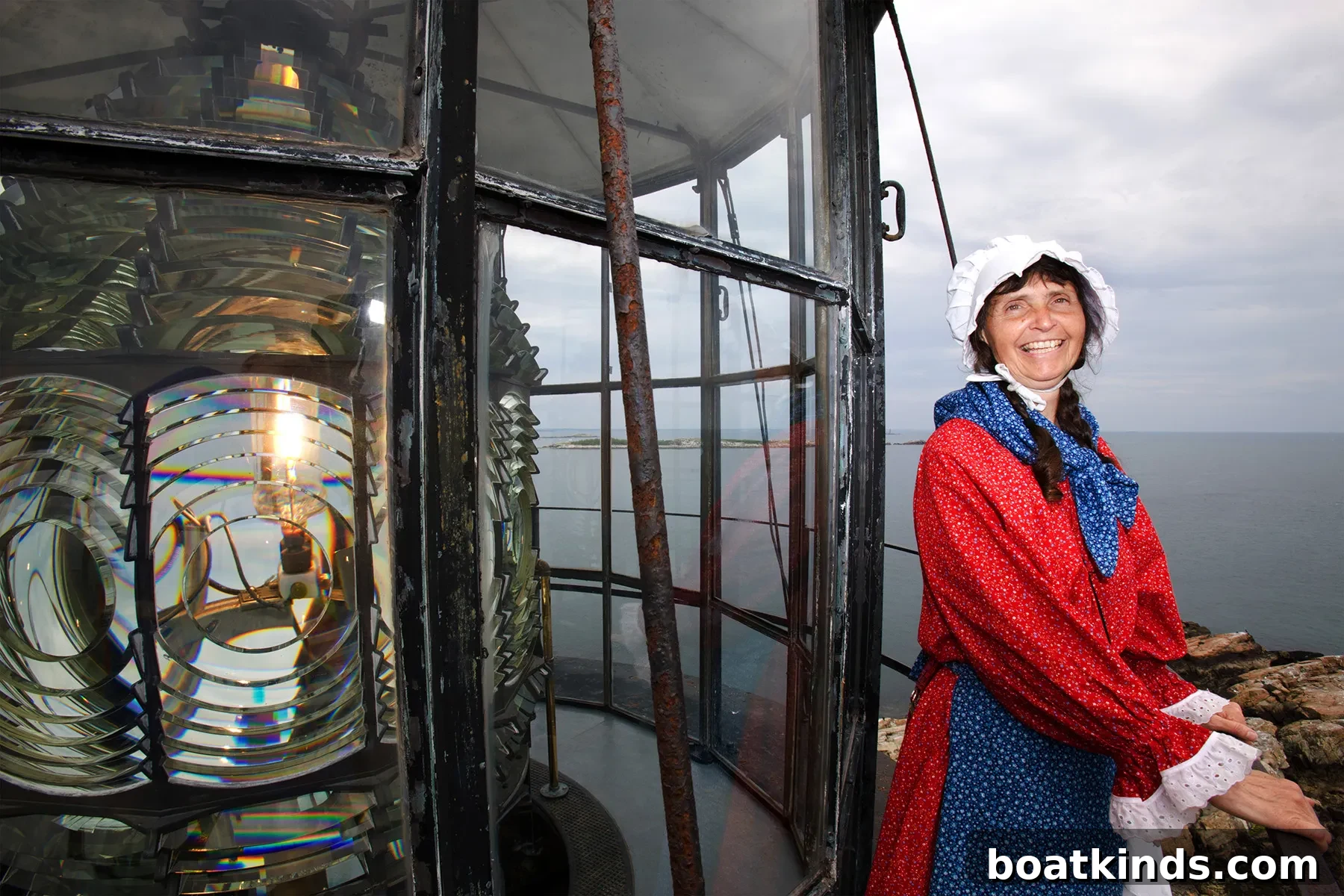
On her final day, Coast Guard personnel from Station Point Allerton in Hull escorted the 72-year-old keeper to the island on their 29-foot boat for a last check and a brief farewell. With Snowman’s retirement, Boston Light joins the growing number of U.S. lighthouses that are no longer routinely staffed by Coast Guard personnel. A property transfer was reported to be in progress, though details about the new steward have not been released.
Snowman has said she accepts the change. She notes that the Coast Guard’s core mission is maritime safety, not historic preservation, and that numerous organizations specialize in maintaining and interpreting historic lighthouses. “People taking the lighthouses have done absolutely fabulous work,” she told Soundings, pointing to about 150 successful transfers that have opened many towers as museums, bed-and-breakfasts, and public attractions.
Technological advances have also diminished the operational need for a staffed light. GPS, chartplotters, radar, and newer collision-avoidance systems mean modern mariners no longer rely on giant Fresnel lenses as primary navigation aids. Snowman highlighted the practical side: the original gearwork and crystal lens atop Boston Light are historic treasures, but today a simple, reliable LED beacon can meet navigational requirements—flashing at the mandated interval and visible at the required range—at a fraction of the cost and maintenance burden.
Despite stepping down from her paid position, Snowman plans to remain active in Boston Harbor. She expects to continue leading volunteer tours of Boston Light when the new owners address the safety concerns identified in 2018. In addition, she will keep serving with the U.S. Coast Guard Auxiliary, an organization she has been part of for 47 years. Between paid service as keeper and decades in the Auxiliary, Snowman’s commitment to the harbor and its people is unmistakable.
Together with her husband, Jay Thomson, she owns a 20-foot Maritime skiff named SBLS—Sally’s Boston Light Shuttle—powered by a 115-hp Yamaha outboard. The boat, which helped transport Auxiliary volunteers and visitors for tours, remains a fixture in the harbor and a way for Snowman to assist other boaters. On her last day, she reassured Coast Guard crew that she’ll still be on call: “Oh yes, have no fear, Sally will still be out there.”
The retirement of Boston’s last official keeper is both a closing chapter and a reminder of how lighthouses bridge maritime history and modern navigation. As stewardship shifts to new hands and technologies continue to evolve, Boston Light remains a cultural and historical beacon for the city and the broader coastal community.
This article was originally published in the March 2024 issue.