Marine Autonomy Today: Docking Assistance, AI Vision and the Path Forward
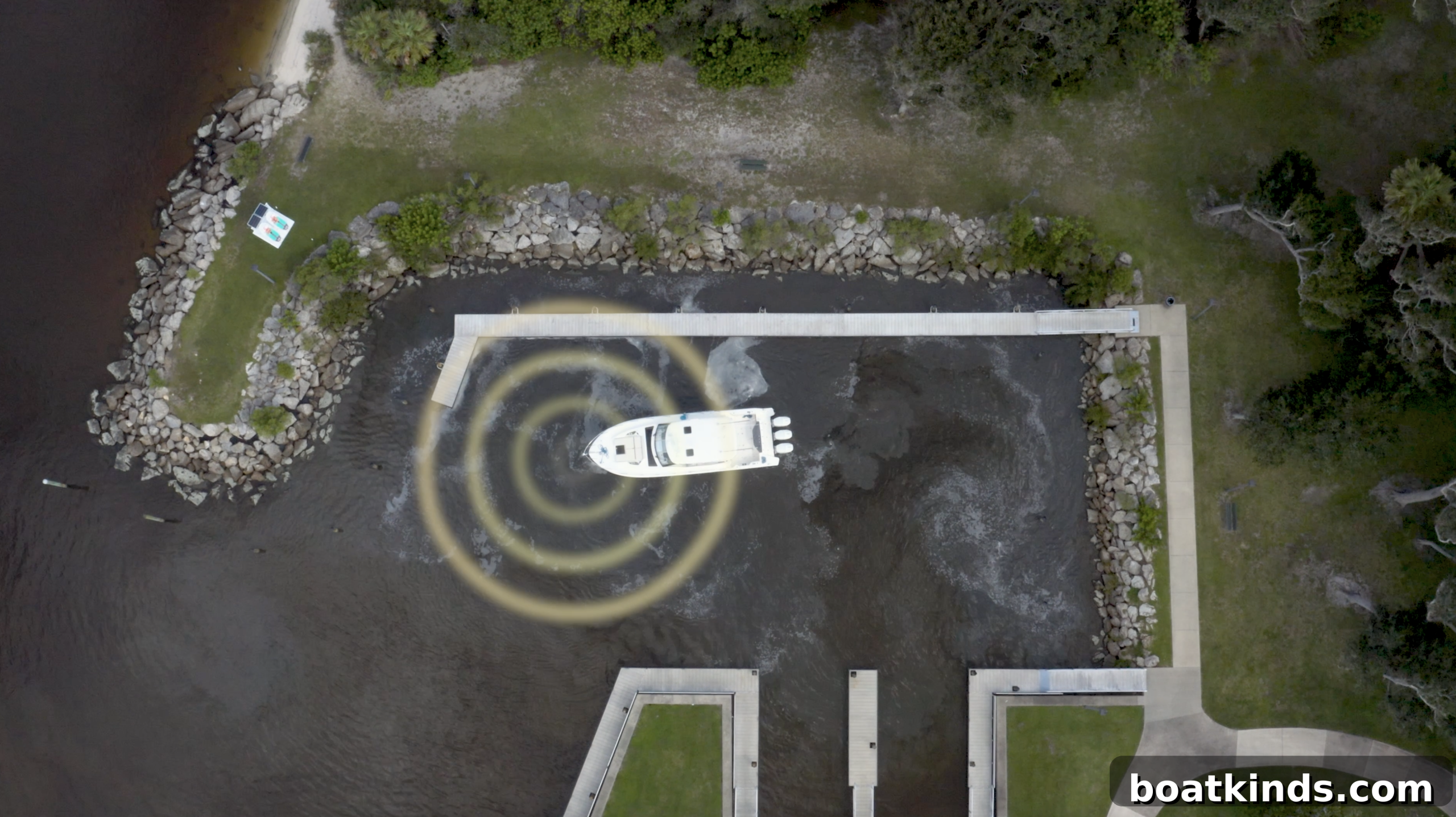
It’s been more than five years since Raymarine and Mercury first demonstrated their docking-assistance technology, and nearly two years since Avikus gave journalists a live demonstration of full autonomy at the Fort Lauderdale boat show. Those early demos showed promise, but they also left many practical questions about adoption, aesthetics and safety.
Recent progress is beginning to answer some of those questions. Early demonstrations highlighted two core capabilities designers are prioritizing: situational awareness around the boat and low-speed autonomy for docking and close-quarters maneuvering. These are the areas where recreational boaters are most likely to accept automation because the payoff—reduced stress and fewer minor accidents—is immediate and clear.
In one early demo, Raymarine and Mercury used large stereoscopic machine-vision cameras to detect objects within roughly three feet of the hull and to maneuver the boat away from hazards. The concept was impressive, though the sizable cameras drew attention for their looks. Avikus’ demonstration was more dramatic: a tablet mirrored the helm and showed a live, decision-making view of the boat’s surroundings. Within moments the operator removed their hands from the controls, and the system ran the vessel for more than 20 minutes through busy waters near Port Everglades, showing what level of autonomy can look like in a crowded channel.
These experiences raise two central questions: do boaters want full autonomy, or is hands-on operation an essential part of boating culture? And can autonomous systems become robust enough to operate safely in all conditions? Most industry insiders agree that while many boaters enjoy piloting, they also embrace technologies that reduce workload—autopilot, joystick control and dynamic positioning are all mainstream examples. The appetite for assistance is strong; full, hands-off autonomy remains more uncertain.
Several companies are moving from prototypes to customer-ready products, focusing first on docking, low-speed control and enhanced situational awareness. Since the arrival of conversational AI tools in late 2022, vendors increasingly describe their systems as leveraging AI for computer-aided decision-making. Avikus, Brunswick, Lookout Marine and Tocaro Blue are among the firms offering or developing systems intended to reduce operator workload and improve safety.
Avikus’ initial product, NeuBoat Dock, uses six cameras to create a bird’s-eye, surround view that improves situational awareness at the dock—similar in function to multi-camera surround systems from established electronics makers. NeuBoat Navi focuses on forward route planning with route visualization, collision warnings, suggested speeds and chart plotting; it’s slated for shipping in 2025. Both products are intended to gain guided-maneuver capability when paired with NeuBoat Control, expected in 2025, though compatibility with specific propulsion systems has not yet been fully disclosed.
Brunswick’s autonomy strategy—branded ACES for autonomy/automation, connectivity, electrification and shared access—has produced demonstrator boats such as a Boston Whaler 405 with integrated stereoscopic cameras that address earlier aesthetic concerns. Brunswick’s broad portfolio, which includes engine and control systems and its ownership of Freedom Boat Club, gives it unique access to propulsion controls and a large operational fleet for testing and data collection. That combination could accelerate development and reduce costs associated with low-speed damage in shared-fleet operations.
Lookout Marine focuses on providing an augmented, at-a-glance view of the environment rather than directly controlling propulsion. Their system combines daylight and night-vision cameras, AIS, chart data and cloud-sourced information to deliver a 3D augmented reality view on major chartplotters, highlighting hazards, navigation aids and other vessels to improve situational awareness.
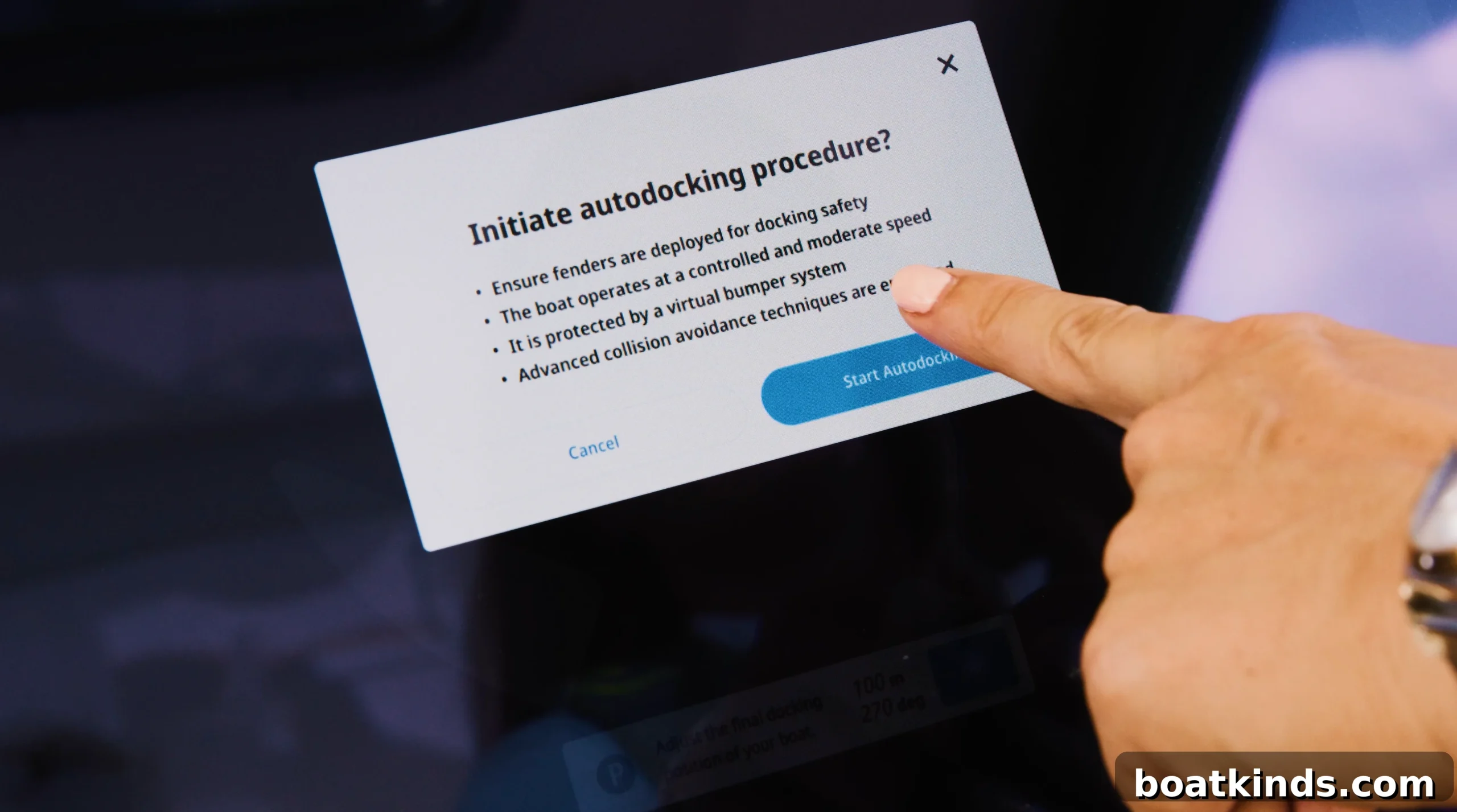
Tocaro Blue’s Proteus takes a different approach by integrating radar and sonar to build a longer-range, three-dimensional chart-like view. By incorporating depth soundings and hydrographic data, Proteus can warn of submerged hazards as well as surface obstacles. Tocaro Blue is among the first to fully integrate radar into assistance technology, aiming to automate interpretation of radar returns—an area where many recreational boaters lack experience.
Deploying autonomy on boats presents technical and cultural challenges. Autonomy has shown itself difficult in other domains—from cars to household robots—and boating adds its own complexity: variable weather, cluttered marinas, shallow water and diverse propulsion systems. At the same time, demand for technologies that make boating safer and easier is clear. Whether the industry’s path leads to greater operator assistance or to full autonomy, the near-term focus on docking, low-speed maneuvering and enhanced situational awareness looks set to deliver practical benefits to recreational boaters.
This article was originally published in the September 2024 issue of Soundings Trade Only.