
The Coho Ho Ho is a small, rather new cruising rally that typically departs Puget Sound on the last Sunday in August and continues for several weeks, with some boats finishing in San Francisco and others continuing to San Diego. Over the past decade the fleet has averaged about a dozen boats a year, and the rally often acts as a prelude to the larger Baja Ha-Ha rally from San Diego to Cabo San Lucas. From there, some participants end their cruising careers and sell their boats, while others press onward across the Pacific or toward the Panama Canal and the Caribbean.
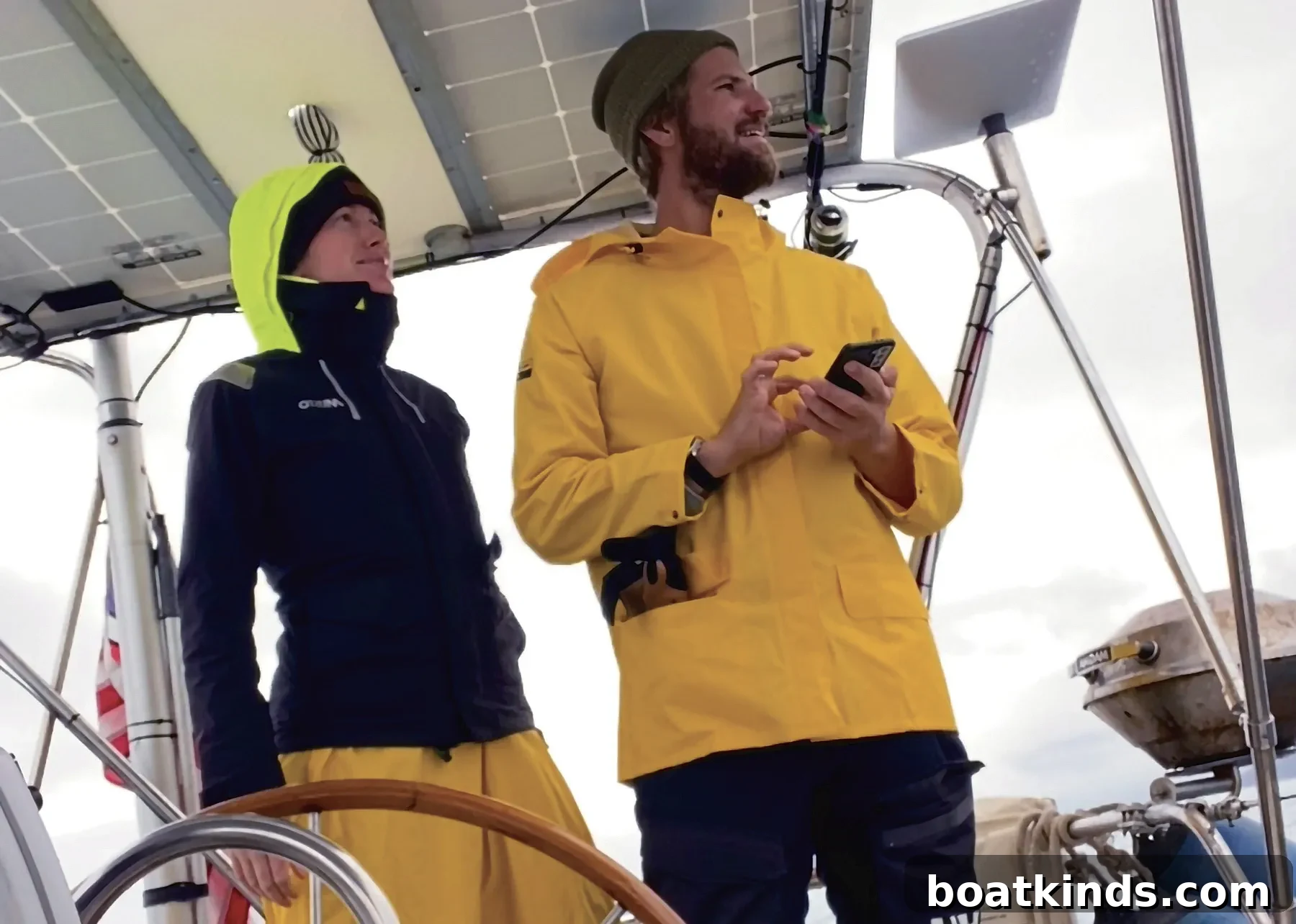
Historically, few sailors returned north to Seattle. Recently, however, Bob Vizenor, one of the rally organizers, has observed more boats making the return voyage. He attributes part of that shift to a changing demographic—cruisers are getting younger and more varied in background—and to the rapid adoption of satellite internet, especially Starlink. Where a decade ago many crews were retirees or affluent tech professionals, modern crews include younger remote workers and families who can stay connected at sea.
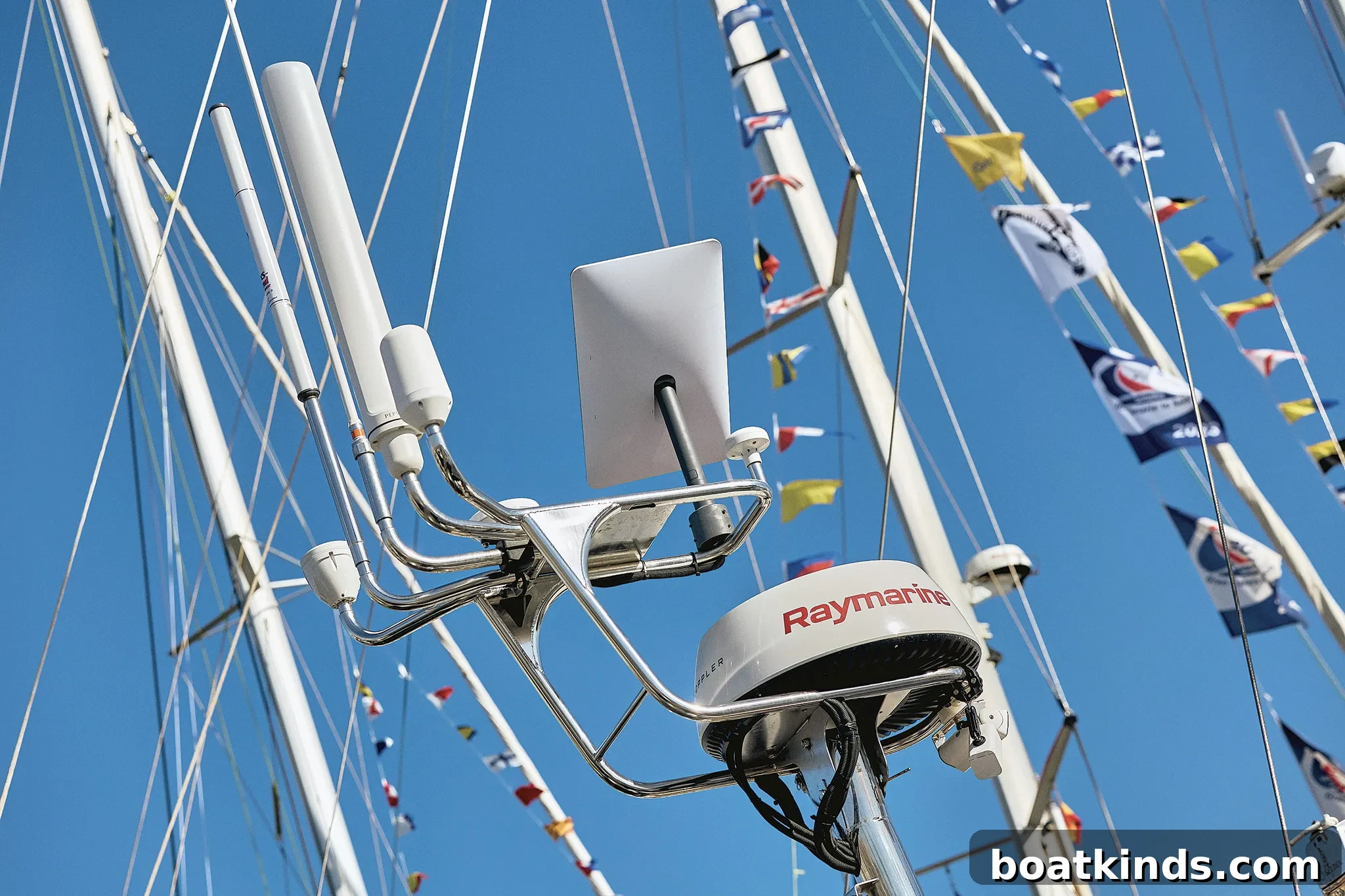
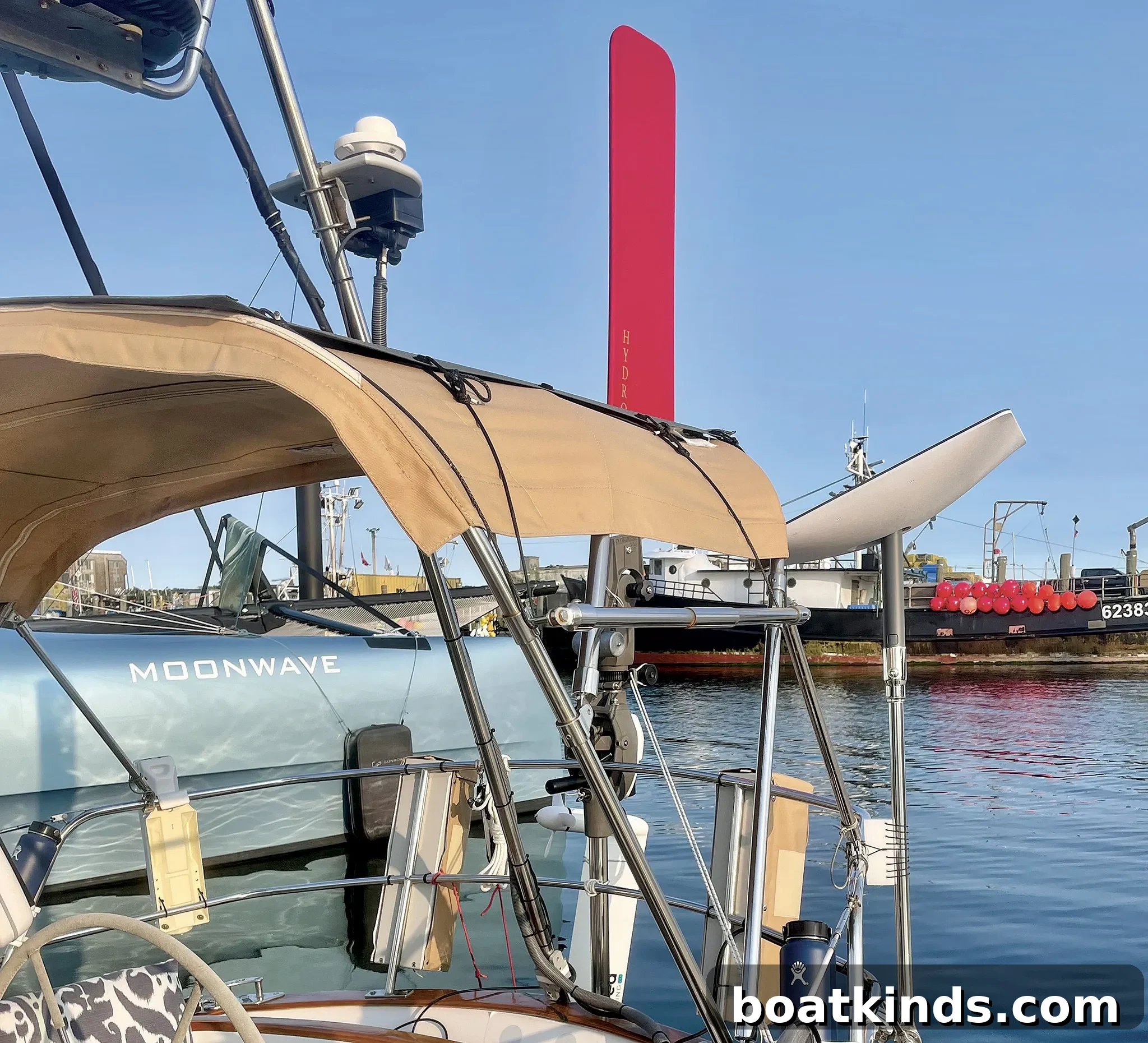
Starlink’s white rectangular dishes have become a common sight on rails and arches. Last year roughly half the Coho Ho Ho fleet carried a dish; this year, all nine participating boats did. “When Starlink came on the scene, remote work became possible for everyone,” Vizenor says. “That shift and cruising reinforced each other.”
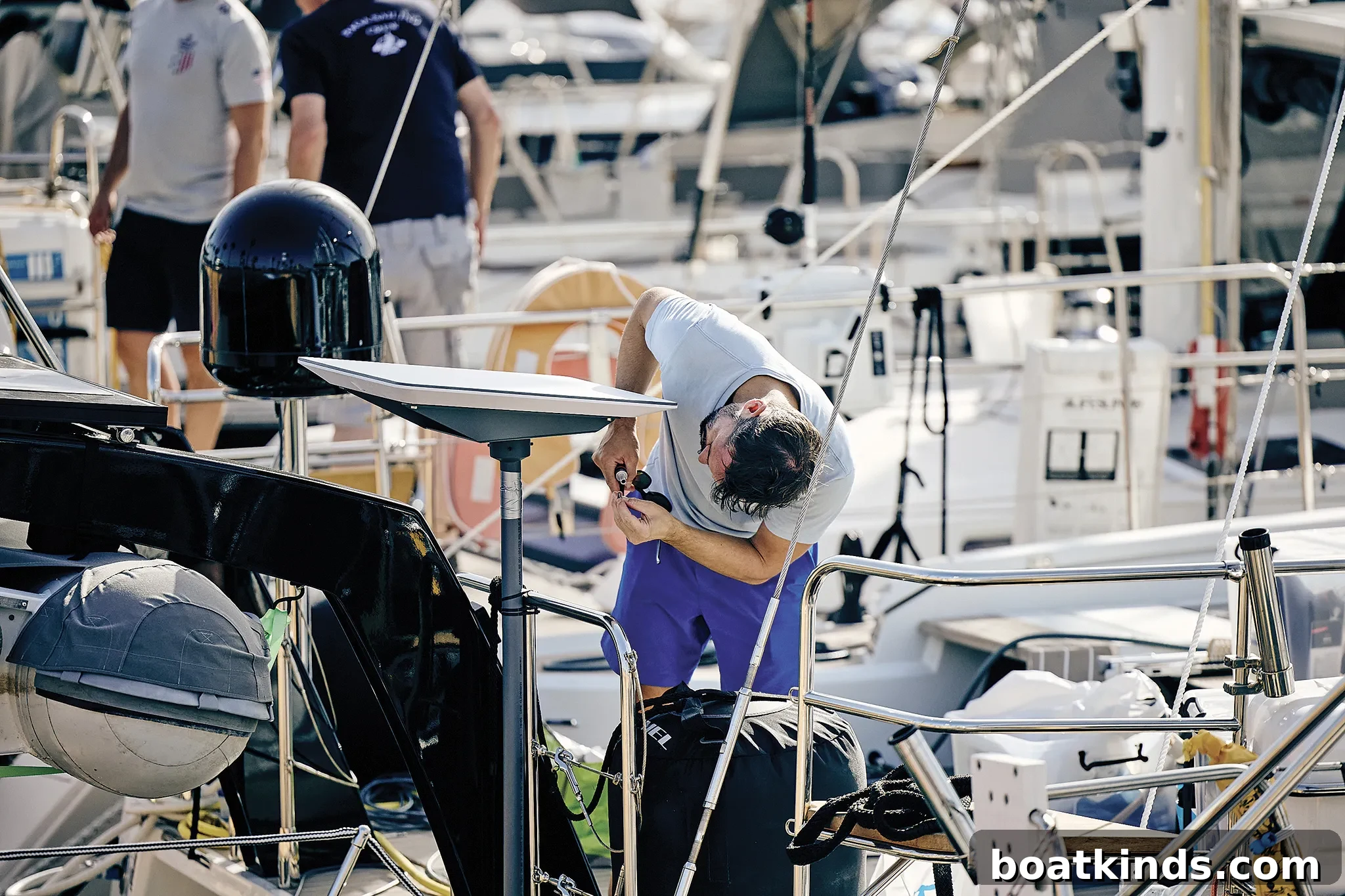
For many sailors, reliable high-speed connectivity has lowered the barrier to long-distance cruising. An ocean crossing or a multi-month rally can now be a chapter in an ongoing cruising life rather than a one-way farewell. While social media, changing work culture, delayed parenthood, and smaller families also play roles, connectivity is a major factor in enabling round-trip cruising and extending active cruising years.
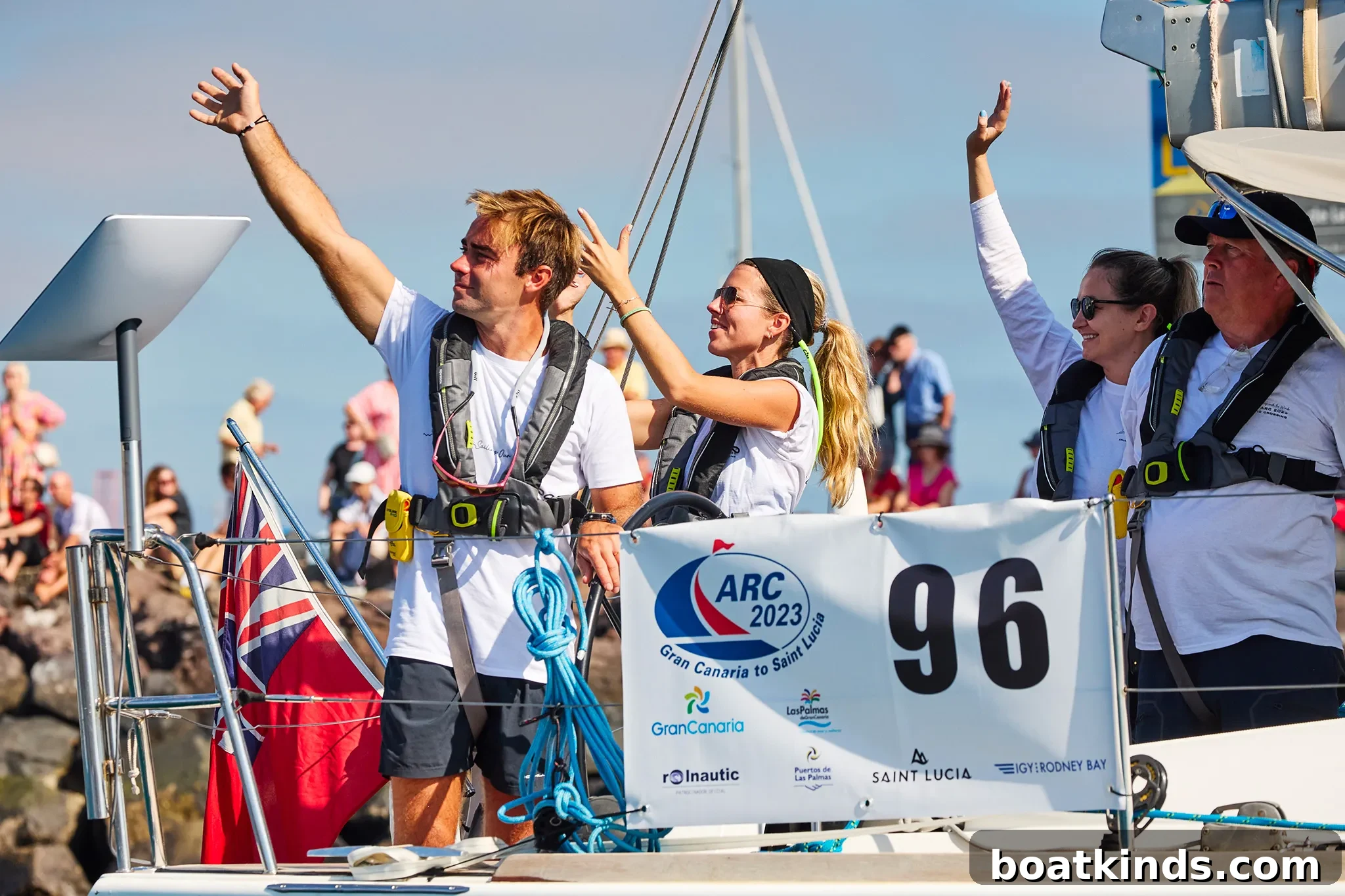
Starlink’s presence has spread beyond small rallies. Two years ago it was an emerging interest in the Atlantic Rally for Cruisers (ARC); in 2023 about a third of ARC sailors had Starlink, and more installed it upon reaching the Caribbean after seeing its value on the crossing. This year the World Cruising Club anticipated that 80–90% of ARC participants would have it, and the organization’s World ARC boats for 2024 already carried the system.
The change was swift. The summer of 2024 saw a surge in installations as equipment became cheaper and subscription options more flexible. Dealers and installers report sustained, high demand: one Annapolis-based supplier said he receives multiple weekly calls from owners and installs several units per week. The result is that Starlink is quickly becoming standard equipment aboard many cruising boats.
Sailing to Work
Starlink has amplified the rise of remote work and the DIY sailing media—video bloggers, YouTubers, Instagram creators, and podcasters—who have reshaped how sailing is perceived and marketed. But the dish serves a much broader set of needs: electricians, designers, administrators, and other professionals now work reliably from offshore locations.
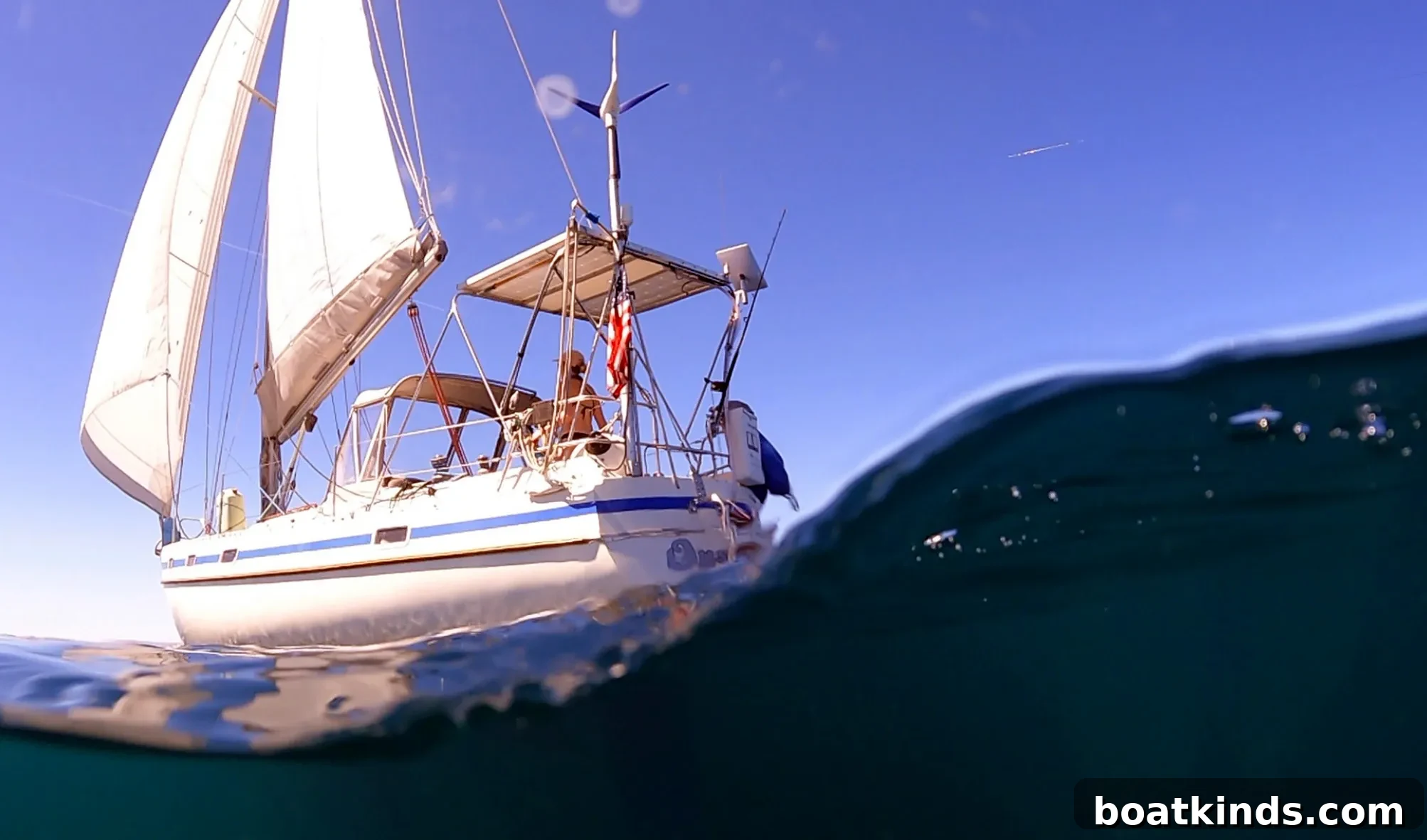
Owen Murphy, a marine electrical engineer, says Starlink transformed his practice. Anchored in a remote atoll in French Polynesia, he remotely guided wiring projects in Colorado, Greece, and England. Elizabeth Grewe, who cruises full-time aboard a Contest 36 named Oyster, installed Starlink at the end of 2022. As a digital administrator for a high-end furniture company, she continued working uninterrupted throughout long passages, island hopping from Mexico to Hawaii and back down the Pacific Coast while fulfilling job responsibilities.
Starlink also changes how offshore racing is experienced and marketed. During a recent Global Solo Challenge run, sailor Cole Brauer used constant connectivity to build an audience and attract sponsorship, demonstrating that media exposure can be as crucial as on-the-water results. For racers and solo sailors, being able to share live updates and engage followers can raise the profile of the sport.
Connectivity has practical safety benefits too. Racer Ronnie Simpson used Starlink during a delivery in the Pacific and later relied on messaging capabilities when he dismasted in the South Atlantic and called for rescue. While some purists argue that constant connectivity diminishes the romance of being disconnected at sea, most sailors appreciate the clarity and redundancy offered by modern communications. Still, experienced sailors emphasize that Starlink should not be the sole means of emergency communication and that traditional satellite devices and EPIRBs remain essential backups.
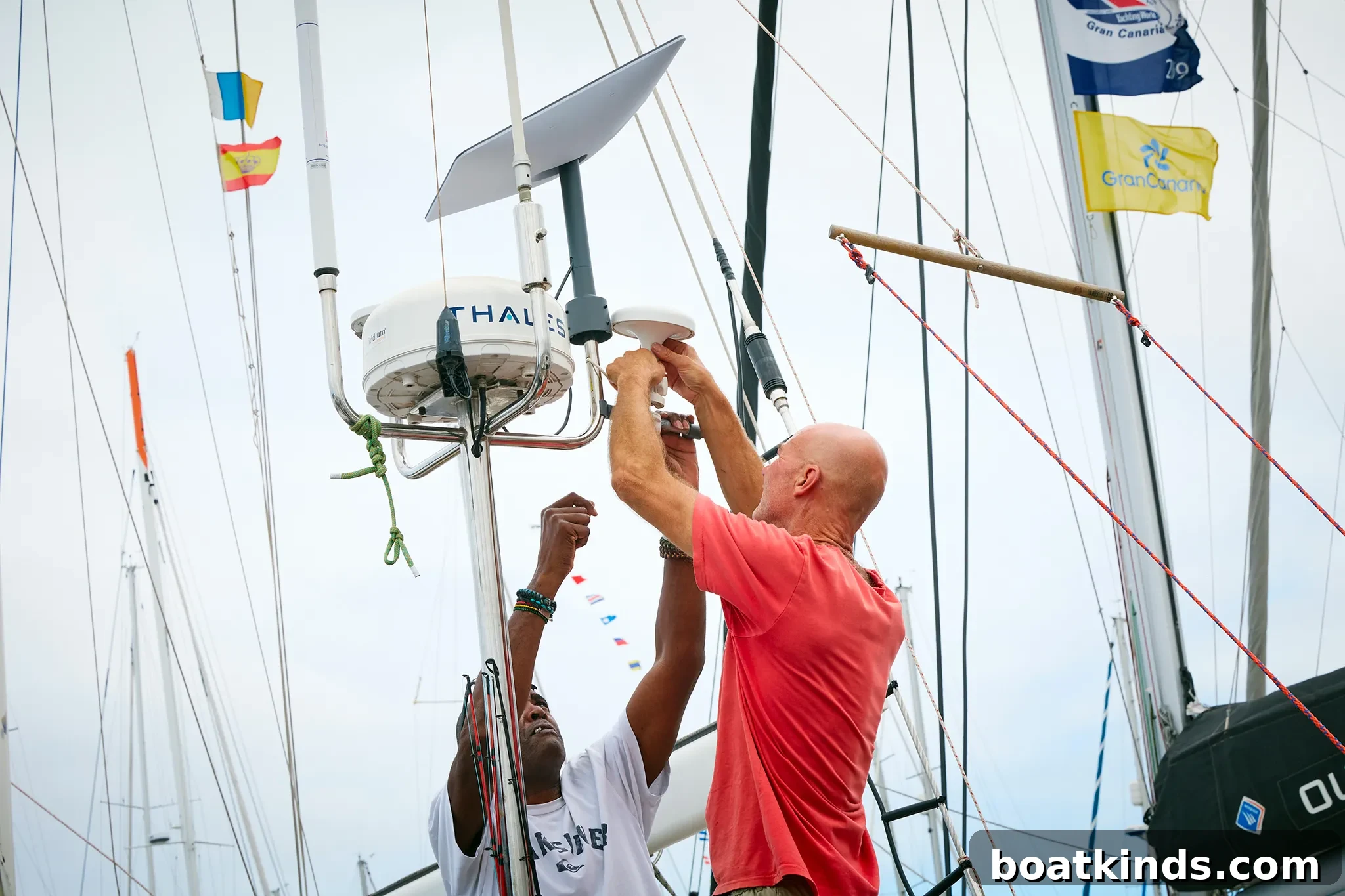
High-profile rescues have shown how Starlink complements established systems. When the Kelly-Peterson 44 Raindancer collided with a whale and sank between South America and French Polynesia, the crew used EPIRBs, handheld satellite devices, AIS beacons, and VHF to make initial distress calls. A Starlink-equipped vessel quickly posted a help request online, which mobilized nearby boats connected via messaging apps and helped coordinate a successful rescue—demonstrating the practical, lifesaving potential of combining traditional and modern tools.
Finding a Balance
The idea of low Earth orbit constellations has been discussed for decades, but only recently has the combination of thousands of satellites and frequent launches made global, high-speed maritime internet feasible. Starlink’s rapid satellite deployment and subscriber growth have shifted expectations: sailors now plan passages and lifestyles assuming consistent connectivity will be available.
Still, many sailors miss the uninterrupted solitude of earlier cruising days. Vizenor recalls leaving his phone in the nav station and being blissfully disconnected for two weeks. He also notes that Starlink has changed traditions—seminars and pre-rally gatherings that once brought people together physically are now often joined remotely by alumni anchored in distant locations. While remote access has broadened community, some of the in-person intimacy has been lost.
Resistance remains among a sentimental minority. Some captains and instructors prefer to avoid adding Starlink to their boats, relying instead on handheld satellite devices and ham radio for essential communications. Others, like those who learned navigation and radio skills in a pre-satellite era, welcome Starlink but still observe strict personal rules about when to switch it off to preserve solitude and attention to the sea.
Practical concerns remain: Starlink requires continuous power and currently lacks a built‑in battery, so it isn’t a direct substitute for portable emergency beacons. Sailors must balance convenience, safety, and stewardship—acknowledging issues such as visible satellite trains, the environmental impact of launches, and the risk of distraction while underway.
Nevertheless, for many cruisers Starlink is an indispensable tool. It enables remote work, improves safety, expands community, and lets sailors stay on the water longer while meeting modern responsibilities. Owners like Elizabeth and Scott Grewe accept connectivity’s trade-offs: they largely abstain from scrolling while on passage and reserve internet use for specific needs, seeking a balance between modern conveniences and the deep, slow pleasures of life afloat.
Starlink 101 — For the Moment
On boats, Starlink is relatively easy to install but can be a significant power consumer. Running a dish continuously can draw roughly the same current as refrigeration—about 4–5 amps (40–60 watts) for some models—so many cruisers upgrade electrical capacity or run Starlink intermittently. Newer, smaller models draw far less power and may suit owners who prefer lower consumption.
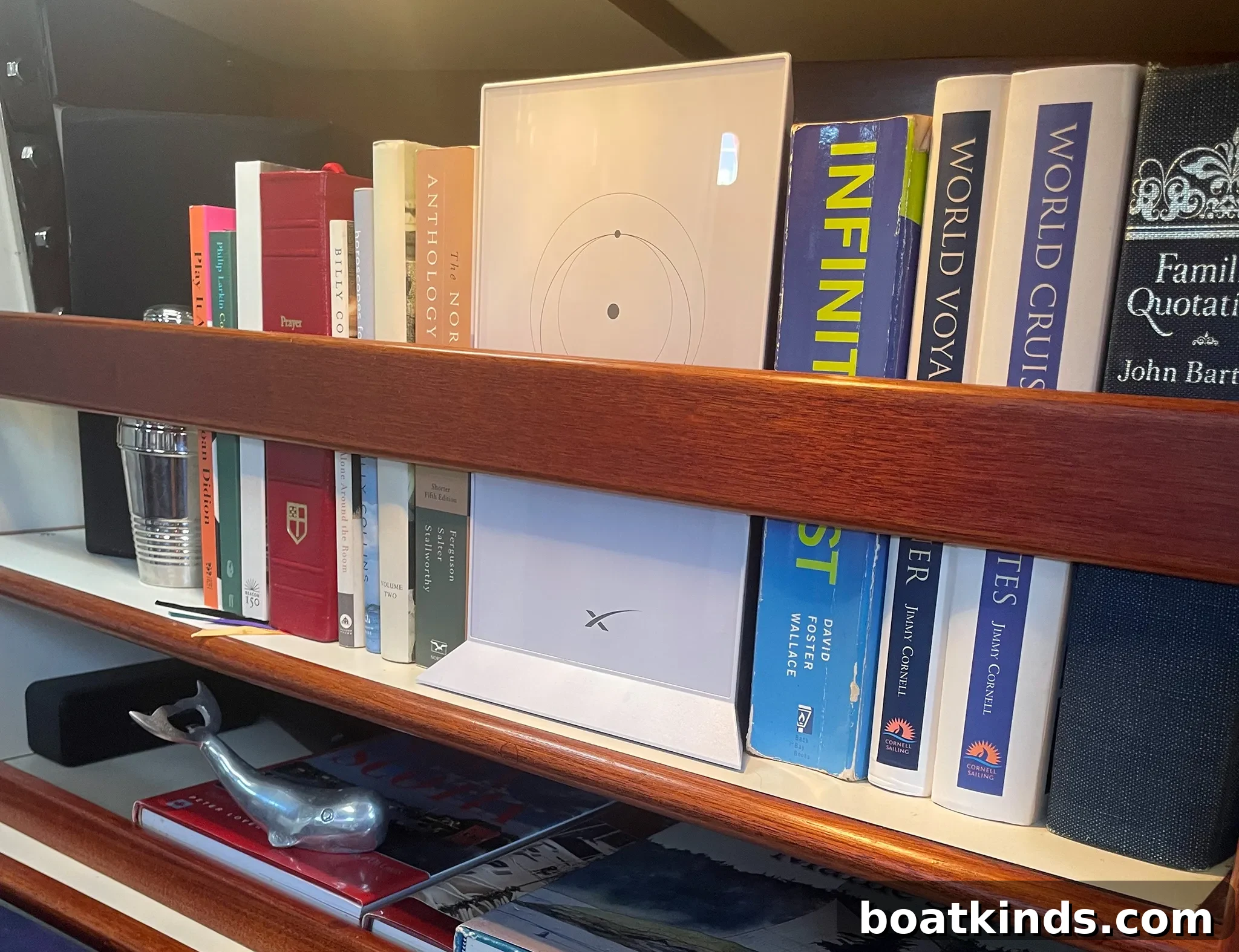
Equipment comes in several forms: standard dishes across three generations, a high-performance dish, and a compact “mini” that’s likely to be the most popular going forward. The standard and high-performance units require AC power and a separate router; the mini integrates a router, can run on DC power, and consumes considerably less energy. Power draw and performance vary by model, with high-performance units offering the best capability for fast, offshore passages but at higher cost and greater power requirements.
Service plans fall into categories for residential, mobile/regional, and true offshore priority use. Options range from single-location residential plans to mobile regional subscriptions used by many cruisers along coastlines, and higher-cost offshore priority plans meant for in‑motion, offshore usage. Cruisers commonly switch plans depending on whether they are settled in one location, cruising coastal waters, or preparing for an ocean crossing.
For most sailors the standard or mini dish will meet typical needs; the high-performance dish is generally worthwhile only for high-speed, long-range vessels that can supply the required power. As hardware and pricing continue to evolve, prospective buyers should check the latest product and plan details before purchasing.
This article originally appeared in the November/December 2024 issue of SAIL magazine.
Hugo Kugiya is an avid cruiser and reporter at The Baltimore Banner, where he occasionally covers sailing. A former sportswriter, he has written for the Associated Press, Newsday, the Seattle Times, and the Orlando Sentinel. He first learned to sail in Biscayne Bay.