
Why Lyman Boats Endure: A Legacy of Craftsmanship on Lake Erie
Jude Guerra grew up with a Lyman in the family almost as soon as he could walk. His grandfather owned several wooden Lymans from the original Lyman Boat Works, passing them to Jude’s father, who passed the passion on to him. Over time the family acquired more modern fiberglass boats, but Jude’s affection for those classic Lymans remained unwavering.
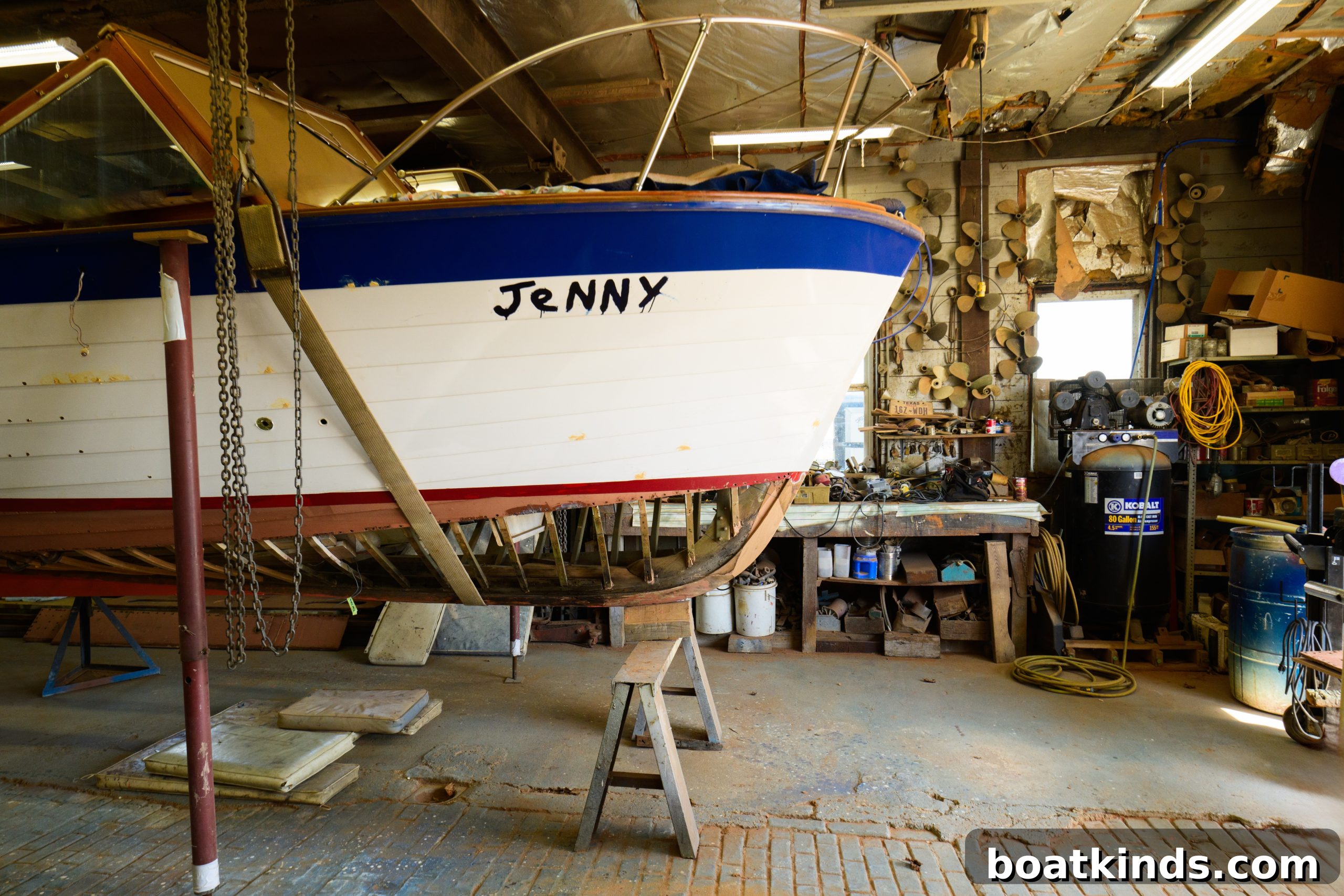
“Restoring a boat like this always takes longer than you expect,” Guerra admits, surveying the 1963 Lyman he and his brother have been renovating for their children. They bought the 25-foot classic for $25,000, and although the hull needed little structural work, full cosmetic restoration proved to be a labor of love.
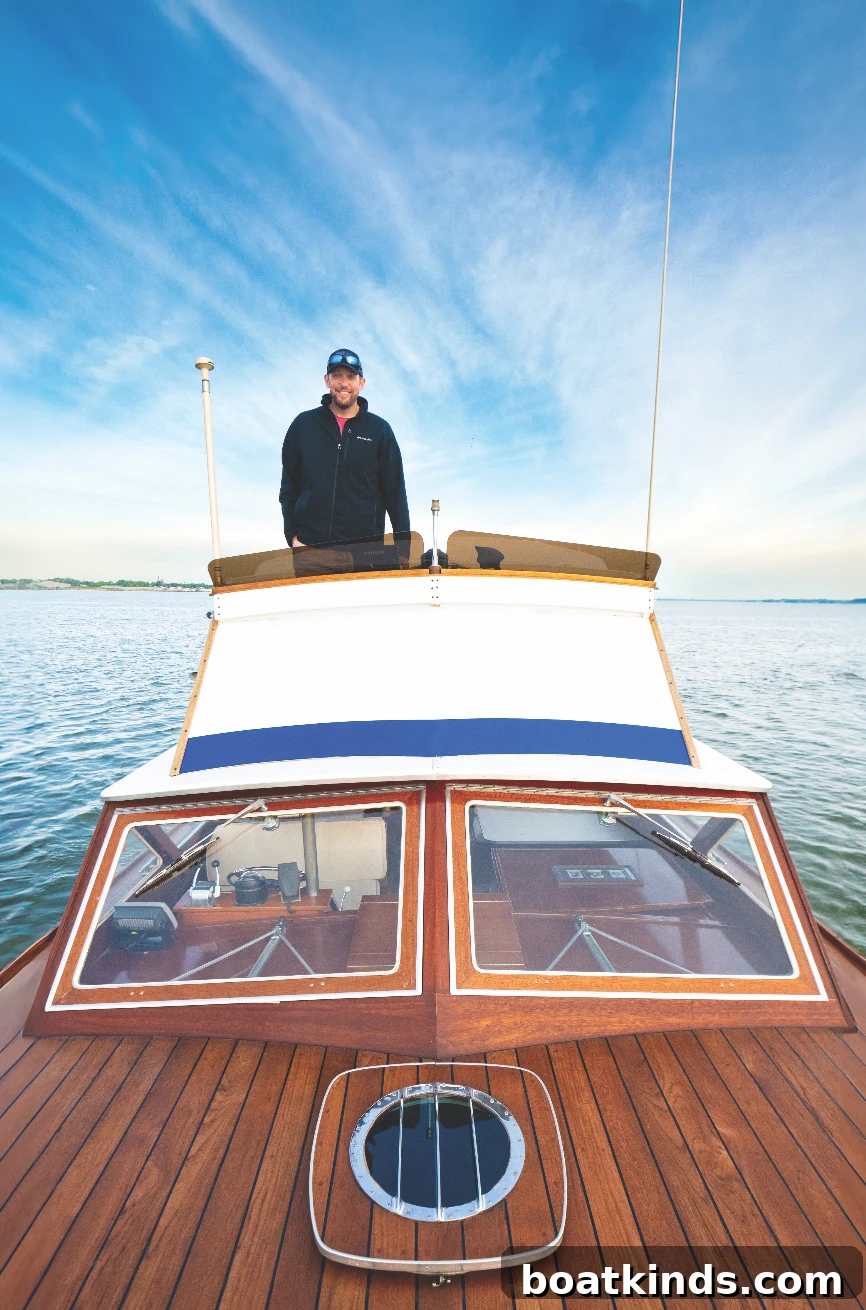
Owning and restoring a Lyman requires commitment, Guerra says, but the pride of preserving a piece of local maritime heritage is worth the effort.
The Lyman Advantage on Lake Erie
Of roughly 60,000 boats built by Lyman Boat Works in Ohio between 1875 and 1973, about 15,000 still survive. Brothers Herman and Bernard Lyman became known for clinker-built, lapstrake hulls that handled Lake Erie’s notoriously short, choppy seas better than most designs. The company weathered the Great Depression and reached peak production in the 1950s, at times selling nearly 4,000 boats per year.
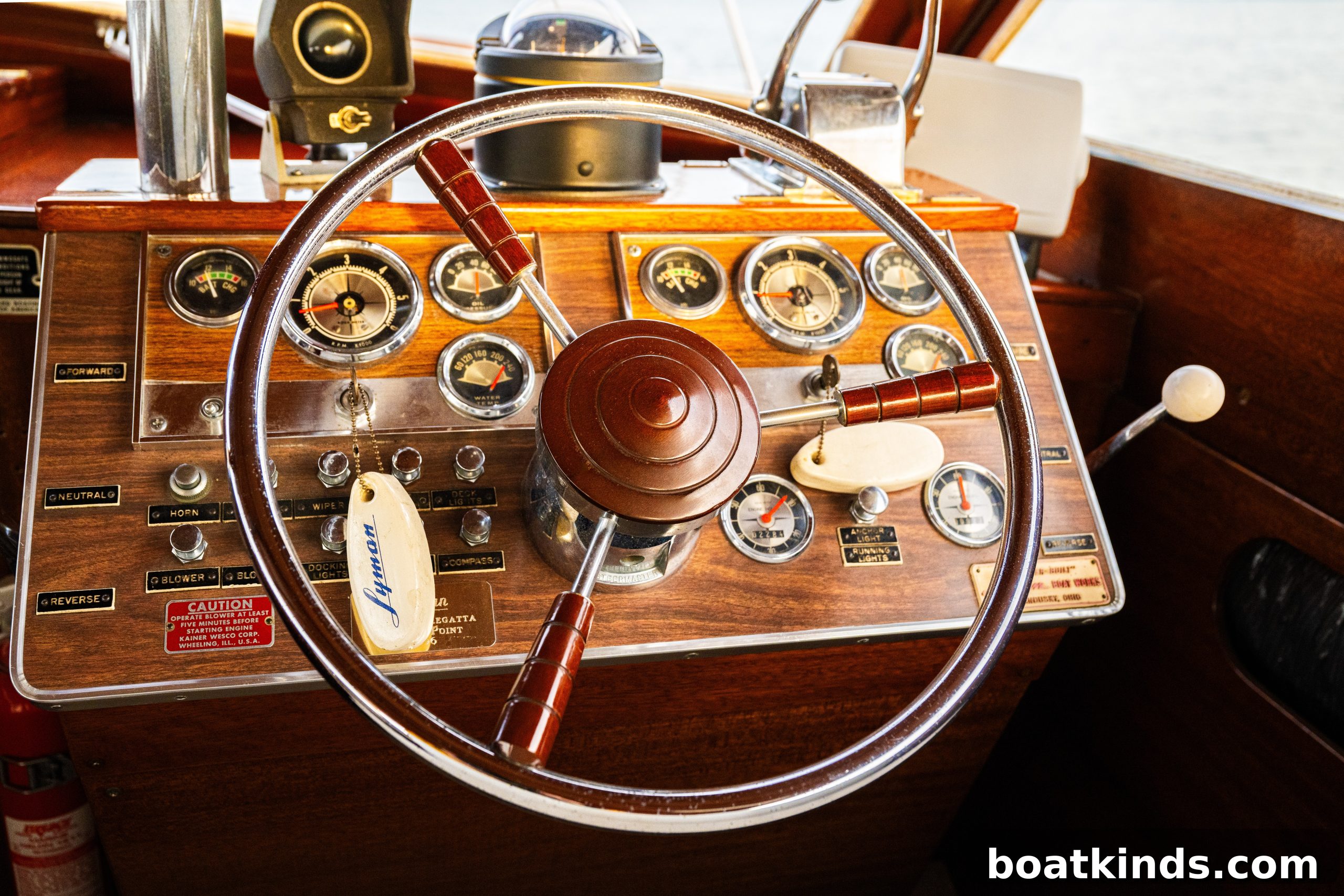
Today, Lyman owners still cruise Lake Erie year-round. The boats’ semi-displacement hulls, long keels, and nearly plumb bows slice through waves instead of bouncing off them, often keeping the ride dry where others get soaked. In 1961 Lyman introduced bow flare, improving both aesthetics and spray control—key factors in the model’s lasting popularity.
The ribbed construction used in many Lymans needs only a forward bulkhead for stiffness, which creates more interior space in larger models. That layout makes them attractive to anglers and families, and easy to handle single-handed. Larger Lymans typically include vent-style opening windows and optional soft tops for added comfort.
Model Range and Power Options
Lyman built hulls from 13 to 18 feet for outboard motors from manufacturers such as Johnson, Evinrude and Mercury. The full model lineup ranged from 18 to 35 feet—although only a handful of the 35-foot models were produced. Boats 19 feet and above commonly featured inboard engines, often small-block V-8s. Models over 26 feet were offered in sleeper cabin, enclosed wheelhouse, hardtop, and open configurations; the 28- and 30-foot models could be ordered as islanders with flybridges and stand-up heads.
Restoration, Parts, and Market Values
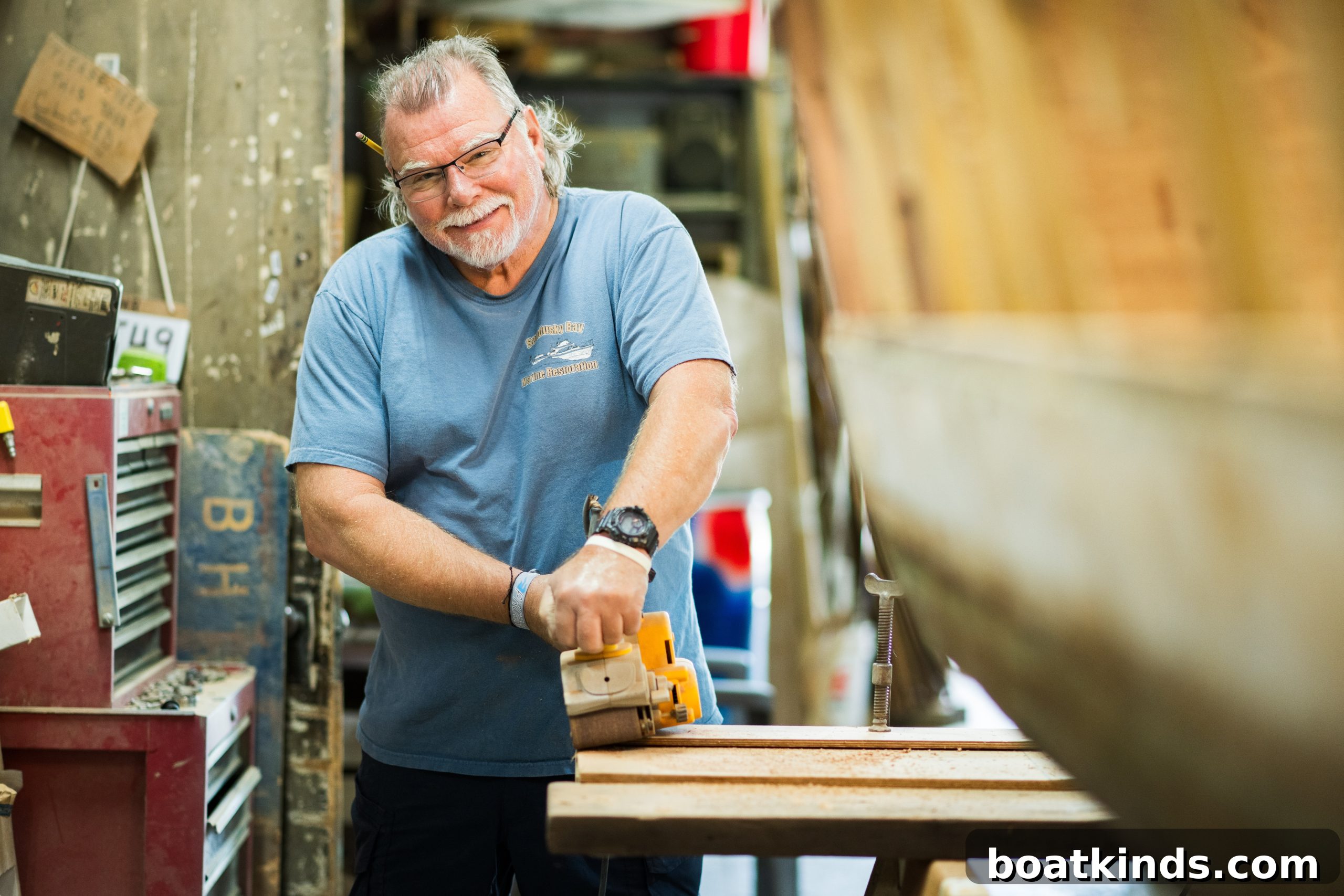
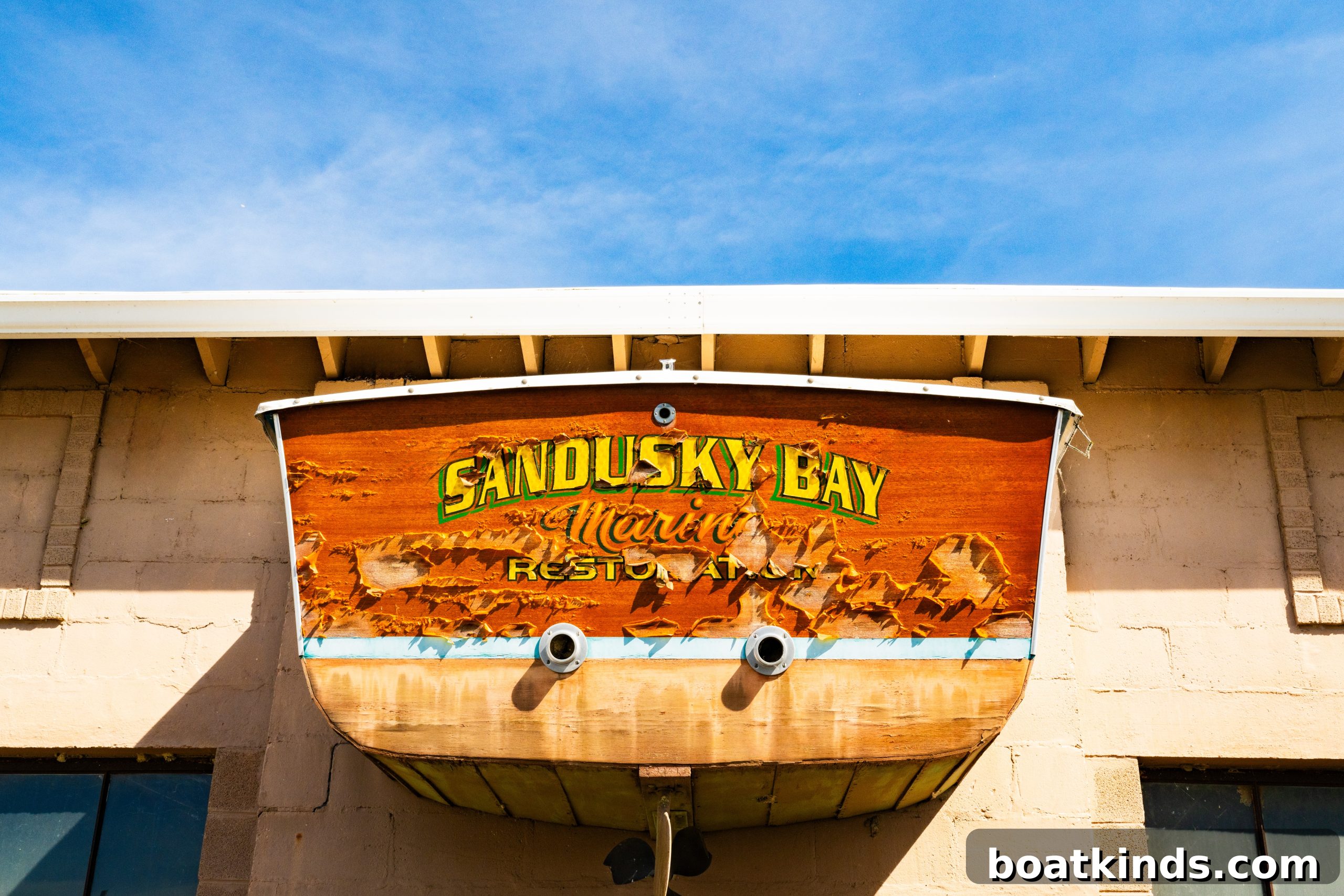
Experienced craftsmen like Pat Dietrich of Sandusky Bay Marine Restoration help keep Lymans on the water. Dietrich’s shop in Sandusky, Ohio, is filled with boats in different stages of repair and the distinctive scents of wood and varnish. Lymans are popular enough that many change hands privately rather than being listed publicly.
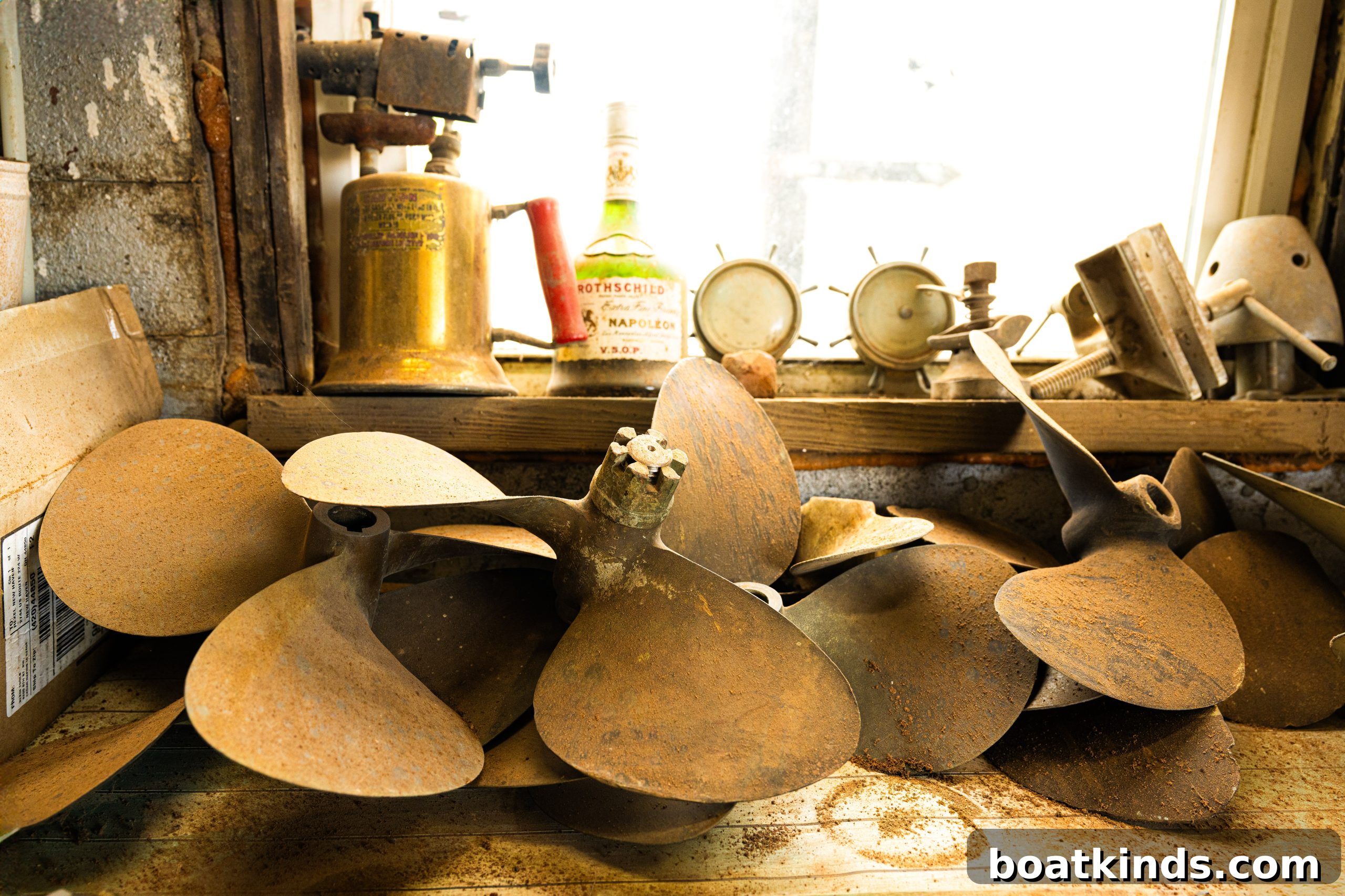
Prices vary widely: Dietrich cites values from about $5,000 up to $50,000 for boats in good condition, with pristine 30-footers selling for $80,000 or more. Restoration on heavily deteriorated hulls can cost tens of thousands of dollars.
Storage history is important. Wooden hulls can shrink and leak after extended dry storage because planks need moisture to expand and create watertight seams. Some owners soak the inside of their Lyman before launching each season. Ideally, a Lyman is stored wet or only seasonally kept dry, rather than left on a lift year-round. Regardless of storage, the bottom should have a copper coat to protect the hull.
Parts and Preservation: Doc Lyman’s Role
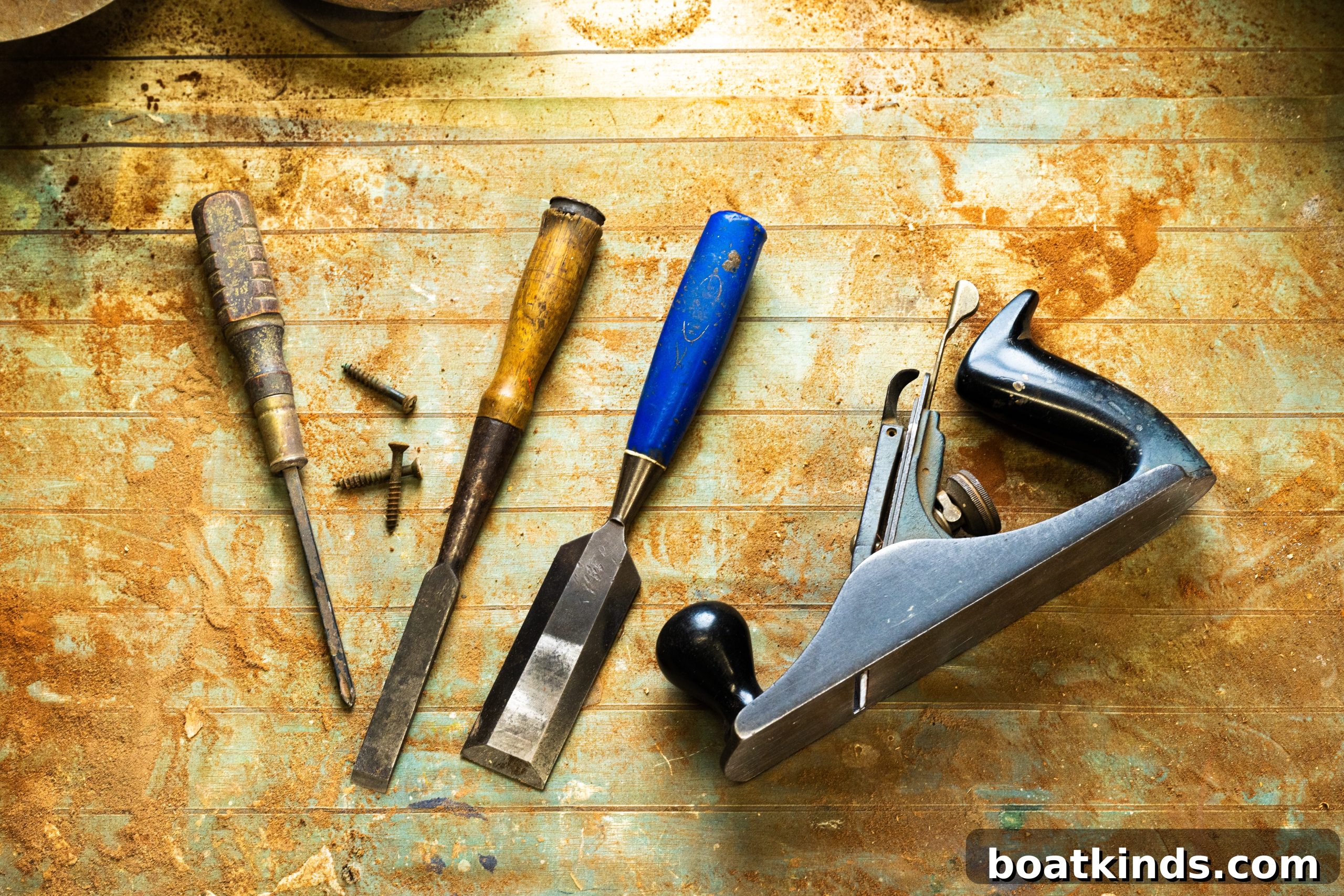
Tom Koroknay, known affectionately as “Doc Lyman,” preserved the Lyman Boat Works archives after buying them in 1988. From his Lexington, Ohio shop he supplies parts, spares, and even new builds. His 2004 book, Lyman Boats: Legend of the Lakes, remains a popular reference for fans and restorers.
Koroknay’s website lists Lymans for sale in various conditions, from a 1948 13-foot runabout to a 1970 26-foot sleeper. Listings reflect a nationwide enthusiast base, and the community of owners—including a 4,000-member Facebook group—actively share knowledge and resources.
Owners’ Stories and New Life for an Old Brand
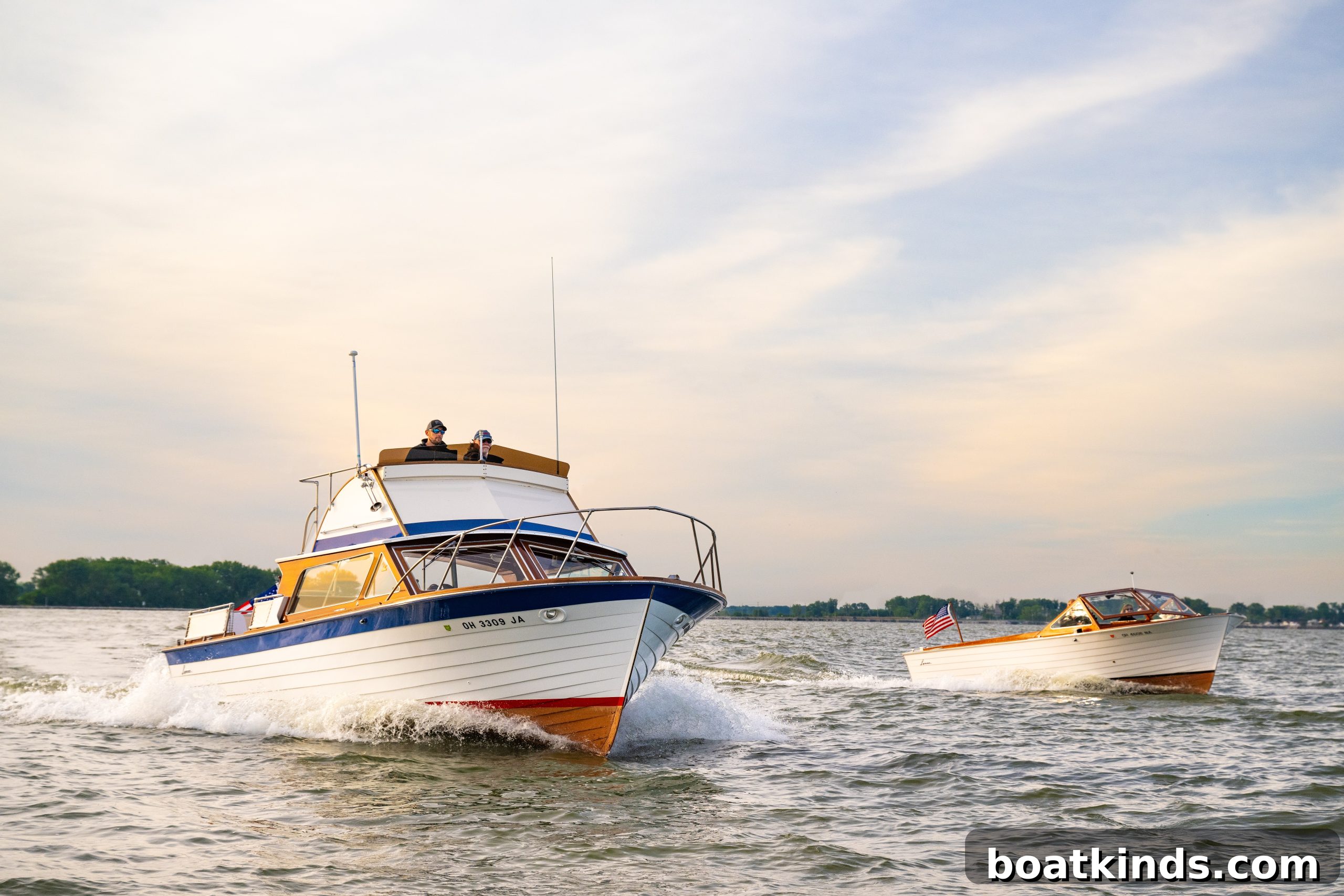
Many Lyman owners trace their passion to childhood memories. Ray LaMarca grew up restoring his father’s 1960s Lyman 25 and now enjoys a 1968 30-foot islander flybridge he acquired for $33,000. He praises the twin-engine handling and the visibility from the flybridge—features that make docking and family outings easier and more fun.
Bill and Marrion Bogzevitz credit a Lyman with helping bring them together. After decades and larger boats, Bill restored a rare mahogany-deck Lyman 26 Open for about $2,000 plus several years of careful work. Today they cruise every evening to enjoy sunsets and the simple pleasure their restored Lyman provides.
In 2022, entrepreneur Nate Sublett teamed with Doc Lyman and naval architect Kurt Cerny to reintroduce Lyman-built wooden boats using modern methods. The new Lyman 16½-foot runabout follows Coast Guard standards and uses CNC components, epoxy-bonded mahogany planks, and sapele decking. These construction techniques reduce maintenance to levels comparable with fiberglass hulls while preserving classic looks and on-water performance.
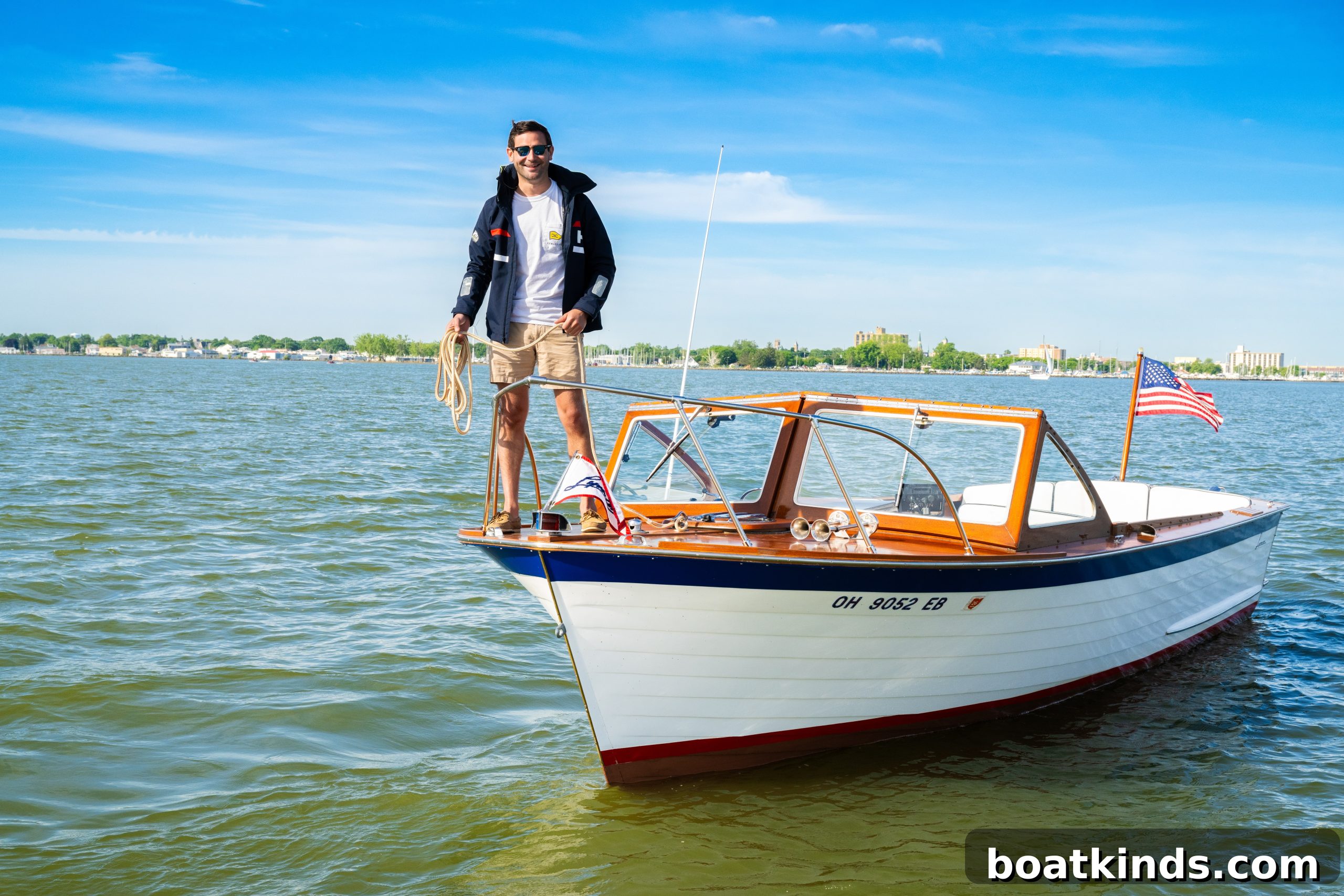
Sublett’s new models honor the brand’s heritage while delivering modern reliability and fit-and-finish, featuring polished stainless brightwork and contemporary outboards. Owners report excellent handling and a dry, comfortable ride even when cutting through chop at planning speeds. Priced at about $135,000 for early hulls, these new builds aim to make the Lyman experience accessible to a new generation.
Doc Lyman himself endorsed the revival: “It’s definitely a Lyman ride.” That sentiment sums up why owners, restorers, and new builders continue to celebrate and preserve these boats: they combine timeless style, seaworthy performance, and a strong community that keeps the Lyman legacy alive on Lake Erie and beyond.
This article was originally published in the September 2024 issue.