
It was pitch black. My hands, the saloon and the cockpit all smelled of diesel. Outside, the wind screamed as Aretha, our 53-foot sailboat, slid from one wave into the next. Whitewater swept across the lifelines and filled the cockpit; we were drifting sideways.
Aretha was hove-to, a deliberate sailing position that reduces motion while you work through a problem. The sails were set on opposite sides, and the wheel was lashed. Nichola and I were exhausted. Every 20 minutes one of us would climb on deck, blinking into the dark, to make sure no other vessel was approaching.
We had suffered a complete power failure. The generator and engine would not start. Although we were on a sailboat, the loss of power crippled nearly every system: electronic navigation and autopilot, communications, navigation lights, interior lighting, the stove, marine heads and the pumps for our water tanks. We were, quite literally, dead in the water.
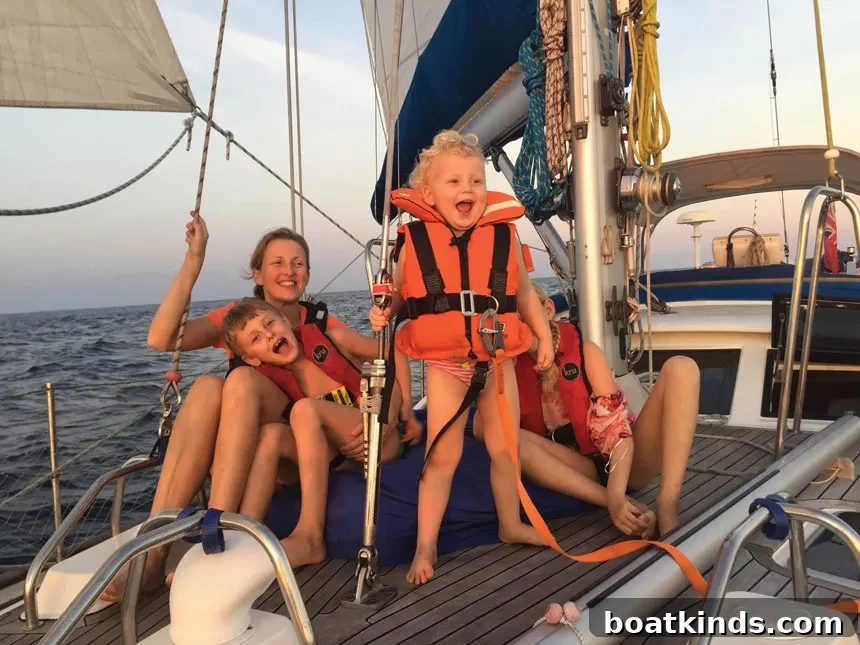
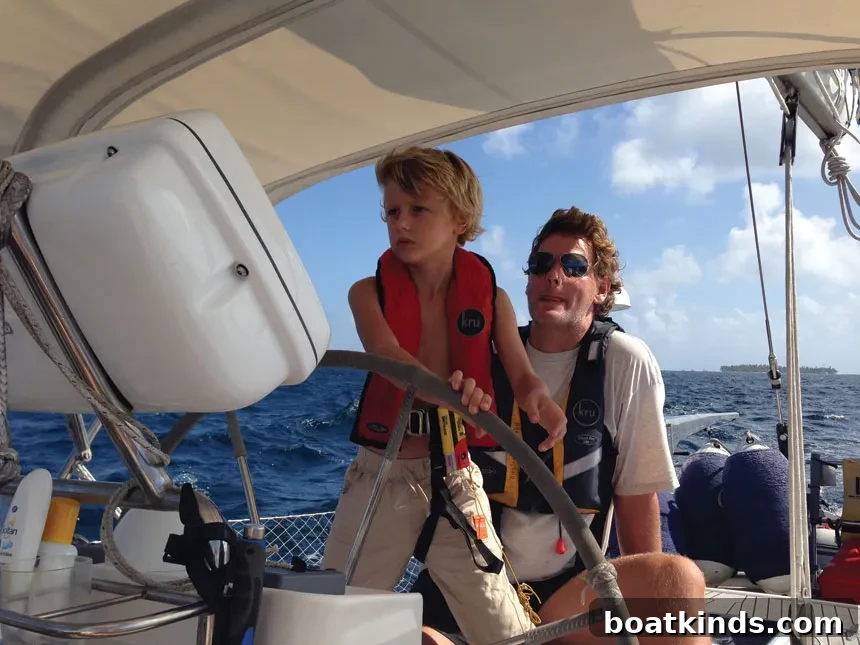
Clad in foul-weather gear, we slept in the saloon rather than in our bunks. Our three children—ages 9, 7 and 2—were tucked into the aft cabin where the motion was gentler and they could sleep. The saloon, a space smaller than an average kitchen, looked like a workshop after a raid: floorboards up, tools and spare engine parts scattered, and Nichola and I covered in grease from wrenching on the engine. Hours of troubleshooting had not revealed the cause.
We were in one of the most remote stretches of ocean, well over 500 miles from the nearest land—a tiny rock in the vast Pacific. There were no rescue services within reach. A few other yachts were in the region, but none could realistically sail 100 miles in 30-foot seas and come alongside safely. We felt profoundly isolated. It was just the five of us: Nichola, my wife, our three children and me.
How had our young family ended up in the middle of the Pacific, wave-tossed and without electronics or power? When we decided to sail around the world with our children to create life-changing experiences, this scene was not what we had pictured. We had imagined deserted tropical beaches, coral reefs and calm, sunlit days. We found all of that, and more. But the deepest lessons came in adversity. It was during these hard moments that our family learned to work as a team, and those trials became defining memories.
Magic happens when you step beyond your comfort zone—when you challenge your assumptions, decide what matters and pursue it with determination. On that dark night in the Pacific, we did not panic. We settled the boat, calmed ourselves, and methodically worked through the problem. Two years earlier we would have been terrified; now the same situation brought out resourcefulness and cooperation. We drew on skills we had cultivated long before that night, and that power loss later stood out as one of our proudest moments as a family team.
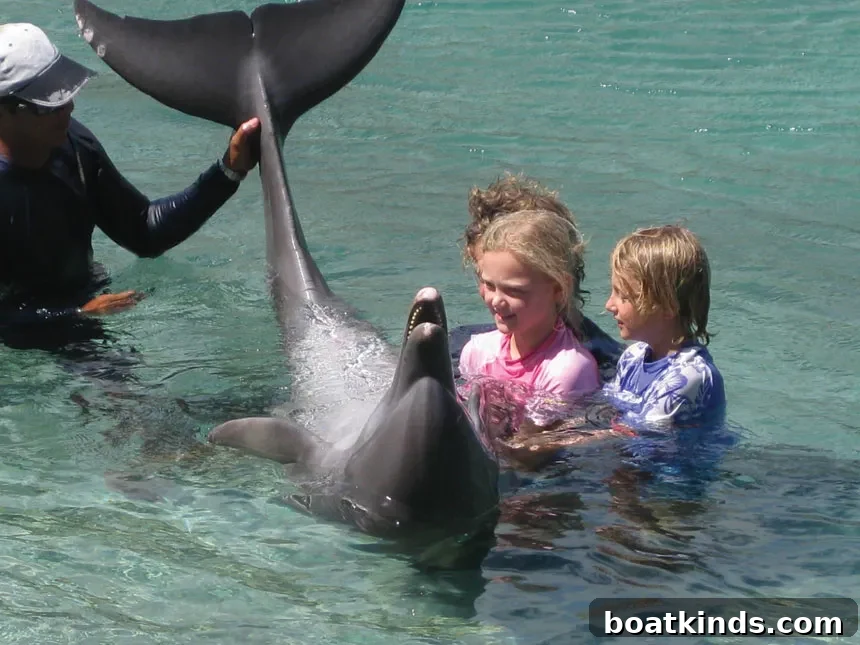
Our journey was full of extremes: mountainous seas and fierce storms, but also countless shared wonders. We explored the Galápagos, climbed an active volcano on Tanna, swam with sharks in the Tuamotus, delivered humanitarian aid after a disaster in Vanuatu and experienced warm welcomes in ports around the world. Each experience strengthened our bond and widened our perspective.
Many assume you must be wealthy to pursue a dream like circumnavigating the globe. We did the opposite: we put the dream first and then created the means to achieve it. Making that kind of life change requires a committed decision, imagination and resourcefulness, then persistent action to make it real.
Where the Magic Happens tells how a single idea grew into a life-changing adventure. Nichola and I left a suburban commuter life to pursue something that tested and transformed us. Our story is not about being exceptional; it is about choosing together, clarifying purpose, planning and taking relentless action, and adapting when plans needed changing.
The Seeds Are Sown
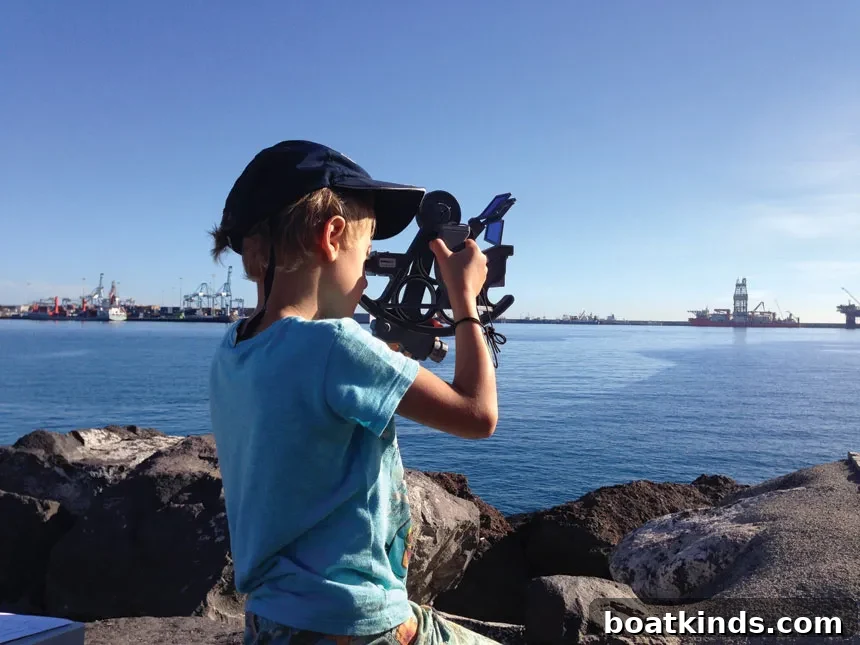
Fifteen years before our Pacific ordeal, in 2000–2001, I sailed around the world for the first time in the BT Global Challenge, often called the world’s toughest yacht race. During my selection interview, its founder, Sir Chay Blyth, told me something that has haunted and guided me ever since:
“Caspar—there will come a day when you are lying down looking at your toes. As you draw your final breath you’ll ask: Have I done everything I want to do in life? If the answer is no, you’ll be pretty annoyed. So stop messing around, work out what you want and get on with it!”
That advice shaped a long-term resolve. We wanted more than a brief adventure; we wanted lasting change. Many people are held back by three common concerns: partners, children and money. Navigating those issues to pursue a shared dream is difficult but entirely possible.
Our story is about creating a family team—building bonds, shared purpose and enduring relationships. It’s about the sacrifices and choices Nichola, our children and I made to transform our lives. We followed four core principles:
- Make a committed, joint decision and create a shared vision of the future.
- Understand your purpose—why this decision is essential rather than merely desirable.
- Create a plan together and pursue it with relentless action.
- Stay flexible and adapt your approach until you achieve the future you imagined.
These elements helped us turn an idea into reality. There was no manual; we learned by doing. My intention in Where the Magic Happens is to combine inspiration with practical guidance so others can pursue their own dreams.
Birth of an Idea
Some days change everything. You may not notice it in the moment, but later you recognize a turning point. For us it was June 13, 2009: a warm early summer day in my sister’s garden in the commuter village of Shipborne, Kent. A birthday lunch, children playing, conversation drifting between work and family. My brother-in-law mentioned a story about a family who had chosen to sail around the world. The remark stuck with Nichola. As we drove home she suddenly asked, “Shall we do it?”
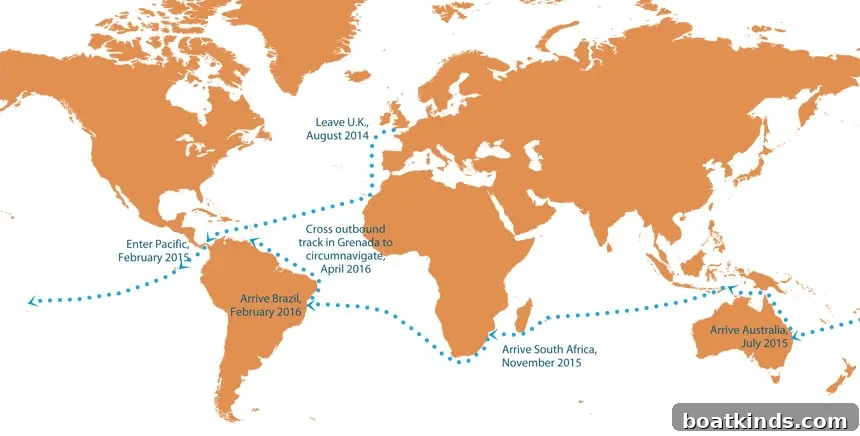
That simple question planted the seed. Nichola first imagined a year of sailing the Mediterranean, familiar territory from earlier holidays. I suggested the Atlantic Rally for Cruisers, a convoy-style crossing from the Canaries to the Caribbean that offered safety in numbers. Then I went further: why stop at the Caribbean? Why not transit the Panama Canal, cross the Pacific to Australia, continue via the Indian Ocean and return up the Atlantic? The idea took shape.
4 Elements for Family Life Change
- Committed joint decision — dream together and create a shared picture and story of the future.
- Understand your purpose — why the decision is a “must have,” not a “nice to have.”
- Make a plan together and take relentless action to bring it to life.
- Be flexible and adapt until you achieve the future you imagined.
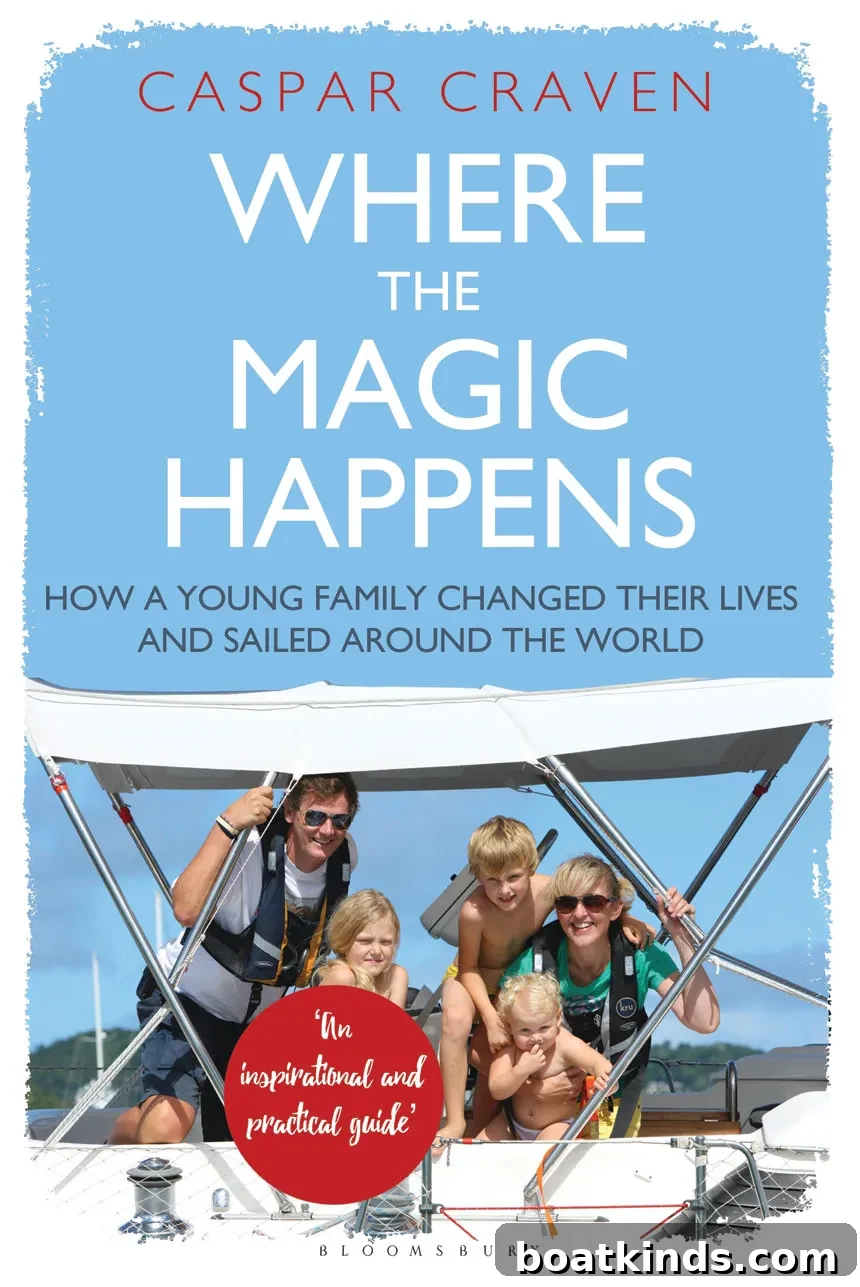
From Where the Magic Happens: How a Young Family Changed Their Lives and Sailed Around the World, by Caspar Craven. Copyright © Caspar Craven, 2018. Published by Adlard Coles, an imprint of Bloomsbury Publishing. Reprinted with permission.
This article originally appeared in the April 2018 issue.