
How to Buy a Boat Without Letting Looks Cloud Judgment
There’s an old adage: life’s too short to own an ugly boat. While good lines and attractive styling matter, an appealing exterior can tempt buyers to overlook serious shortcomings. To avoid buying a vessel that becomes a burden instead of a joy, approach the search as a careful, practical process rather than an emotional one.
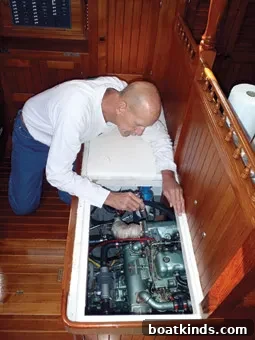
“When looking at a boat that you may want to buy, always think with your head and not your heart,” says marine surveyor George Gallup of Gallup Yacht Surveying. He has seen buyers fall in love with a boat’s appearance and ignore important faults, creating frustration and expense later on.
Buying a boat calls for research, preparation and careful planning. Before contacting sellers, create a short list of makes and models that match your needs. Visit manufacturers’ websites, talk to dealers, join owner forums and ask experienced boating friends about long-term ownership issues, typical repairs and known problem areas.
Use a certified professional yacht broker as a buyer’s broker to reduce legwork and handle contacts, arrangements and paperwork. If you use a broker, make sure they are acting on your behalf as a buyer’s broker and understand your requirements and budget.
Fieldwork and a Practical Checklist
Once you have a list of prospects, go inspect as many boats as you can. Gallup recommends keeping a three-ring binder with a page for each boat listing key details—make, model, year, propulsion type, engine hours and equipment—so you can compare them side by side. Score or annotate items (for example 1–5) to make objective comparisons later, and take extensive digital photos to record condition and details you’ll forget once you’ve seen multiple vessels.
During inspections, use a bright flashlight to examine bilges and other concealed spaces. Open access panels, storage lockers, and under-berth compartments. Ask whether those areas are clean or show mold and corrosion. Smells, dampness and messy wiring are red flags. Sit in the cockpit, dine area and navigation station to confirm comfort and ergonomics. Can you see all critical sightlines from the helm? Does the bedding fit you comfortably?
Walk the decks and test movement around the boat. Are side decks wide enough and finished with effective nonskid? Are there adequate handholds in the right places so you feel secure moving about under way or when the boat is heeled? Small ergonomic issues can become safety problems when you’re underway, so think about how the boat will be used and whether it’s designed for that use.
Questions to Ask and Records to Request
When you approach a seller or broker, come prepared with specific questions: Are maintenance records and receipts available? What maintenance has been performed on engines and systems? How old are consumables (sails, batteries, hoses)? What winterization or lay-up work was completed? Was fuel treated and how long has the boat been idle? Has the vessel ever been involved in a grounding or collision? Honest answers and a clear set of records reduce risk.
Set up a simple budget spreadsheet that captures the total cost of ownership before you commit: purchase price, transport and launch, haul-out and survey costs, bottom cleaning, recommissioning if the boat has been laid up, insurance, taxes and the prepurchase survey fee. Accounting for these items up front prevents unwelcome surprises.
Hire a Professional Marine Surveyor
A pre-purchase marine surveyor is essential. Established organizations such as SAMS and the National Association of Marine Surveyors list qualified professionals. Contact several surveyors local to the boat, check credentials and compare services and fees. A good survey will determine seaworthiness, identify deferred maintenance and verify whether the vessel is fit for your intended use. Gallup emphasizes that even new boats benefit from surveys; he routinely finds issues such as wiring placement or other detail items that need correction to meet safe-practice recommendations.
When evaluating a used boat, establish its usage history: both extremes—very hard commercial or charter use, and prolonged nonuse—can produce different but serious problems. Boats left idle often suffer hidden deterioration; fuel systems in particular can degrade when sitting for long stretches, so confirm whether fuel was treated and whether tanks and filters need attention before a sea trial.
Final Steps and Bottom Line
After inspection and survey, review all findings before negotiating. Use your binder notes and the survey report to prioritize repairs and to determine whether the seller’s asking price fairly reflects the boat’s condition. If major structural, mechanical or electrical concerns appear, be prepared to walk away if costs or safety risks exceed your threshold.
Thoughtful preparation—research, careful inspections, a realistic budget and a qualified survey—will help you avoid the common trap of buying a beautiful boat that turns into a costly project. With a level-headed approach you are far more likely to find a vessel that delivers years of safe, satisfying time on the water.
April 2014 issue