
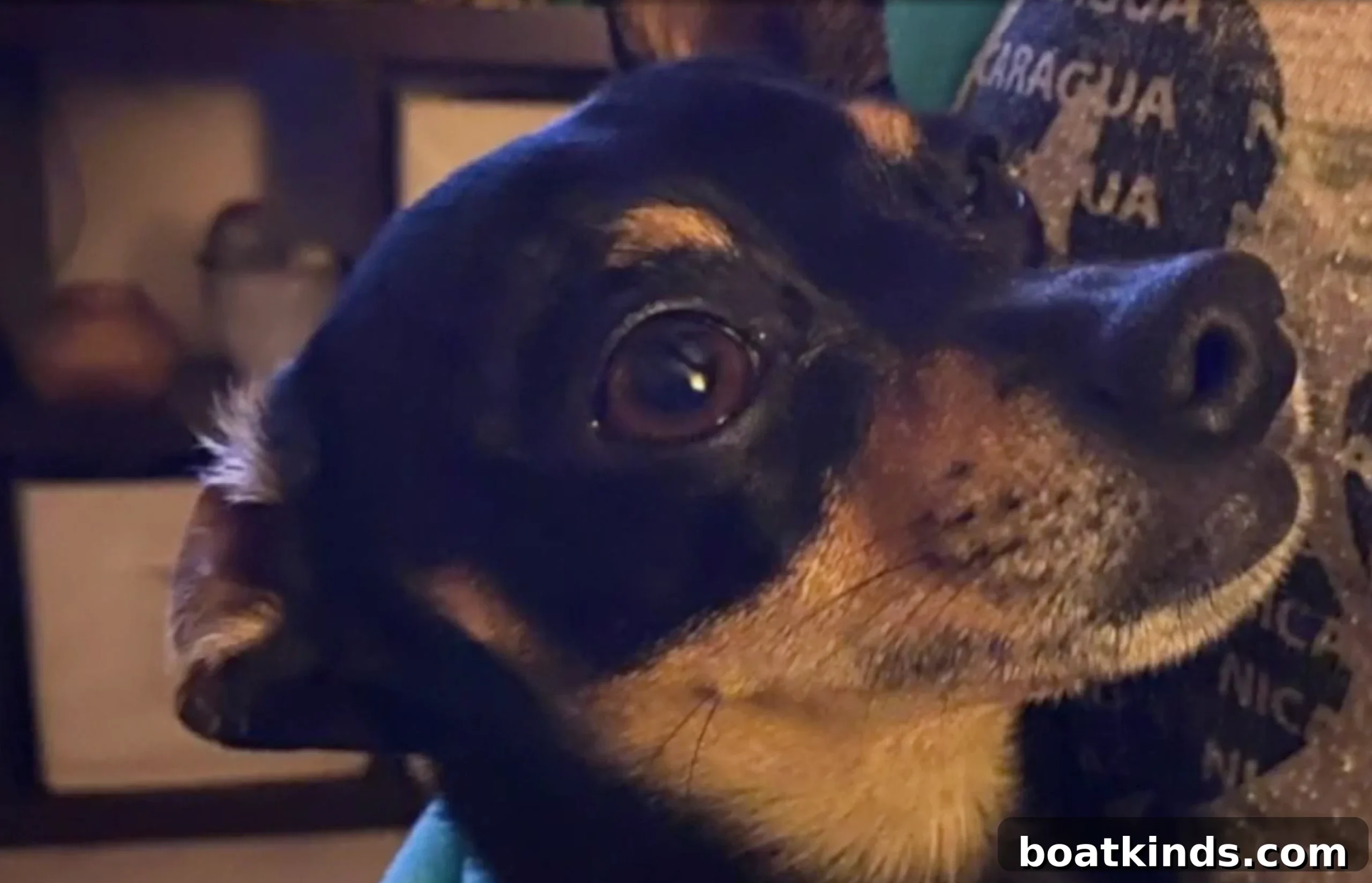
Tito Burrito: How a Microchip and Good Samaritans Saved a Dog Found in Delray Beach Waters
Tito Burrito is a fortunate dog who survived a frightening episode on the water and was reunited with his family thanks to a timely sighting, a veterinarian scan, and an updated microchip. The incident happened while Tito’s family was traveling along Florida’s calm Intracoastal Waterway. During the trip, Tito went overboard and was missing for hours before someone spotted him bobbing in the water near Delray Beach.
The Rescue and Reunion
A local resident, Daniel Negron, noticed the dog floating near a boardwalk gazebo and pulled him from the water. Negron posted photos of Tito and sought to locate his owners, but it was a visit to a veterinarian that led to the breakthrough: a microchip implanted under Tito’s skin contained the family’s contact information. “The [veterinarian] scanned him and luckily enough the owner updated the dog’s information the night before, so we immediately got a response,” Negron said. Because Tito’s owners had kept the microchip registration current, they were contacted and reunited with their pet shortly after the rescue.
Why Microchips Matter for Boating Pets
Microchips are a simple, long-lasting form of identification that can make a critical difference when a pet becomes separated from its family. About the size of a grain of rice, a microchip is implanted under a pet’s skin and stores an identification number linked to the owner’s contact details in a registry. Unlike collars and tags, which can fall off in the water or be removed, microchips provide a permanent form of ID that veterinarians, shelters, and animal control agencies can scan to help reunite lost pets with their owners. Keeping the registry information up to date is essential—Tito’s story highlights how a recent update enabled an immediate response.
Boating Safety Tips for Pets
Boaters who bring pets on board should plan ahead to reduce the risk of a pet falling overboard and increase the chances of a quick recovery if that happens. The following practical measures enhance pet safety on the water:
- Use a properly fitted life jacket: A pet life jacket provides buoyancy and visibility. Choose one with a secure fit, a grab handle, and adequate flotation for your pet’s size and weight.
- Keep pets supervised and restrained: Establish safe zones on the boat and use short tethers or pet barriers as needed to prevent sudden falls during rough water or when moving on deck.
- Train for water scenarios: Familiarize your dog with boarding and disembarking, and practice basic water rescues to reduce panic if an overboard event occurs.
- Secure identification: In addition to a microchip, keep a durable collar and ID tags with up-to-date contact details on your pet whenever you’re boating.
- Have a float plan and rescue gear: Carry a boat hook, onboard ladder, throwable flotation device, and a plan for how to recover a pet from the water safely.
- Maintain emergency contact info: Keep veterinary and registry contact information current and accessible—both onboard and linked to your microchip account.
After a Water Rescue
Even when a dog is rescued quickly, it’s wise to have a veterinarian examine the animal. Exposure to cold water, panic, or ingestion of seawater can cause health problems that may not be immediately obvious. A checkup ensures there are no injuries or complications and gives owners peace of mind that their pet is well.
Takeaways from Tito’s Story
Tito Burrito’s close call is a reminder that small precautions can have big effects. A microchip, kept up to date, proved decisive in reuniting Tito with his family. Equally important is the role of alert neighbors and quick action—someone noticed the dog in the water and took steps to bring him to safety. For anyone boating with pets, combining reliable identification with preventive safety measures—like life jackets and supervision—greatly improves the odds of a safe outing.
Tito’s family is grateful to have him home, and their experience offers practical lessons for other pet owners: microchip your pet, keep the registration current, fit your dog with an appropriate life jacket, and prepare your boat for safe pet travel. Those steps make recreational boating safer and can turn a potential tragedy into a happy reunion, just as it did for Tito Burrito.