
Dismasted at Sea: A Night of Damage Control in the Caribbean
It was Thursday, January 24, two days out from Puerto Rico and roughly 200 miles north of Colombia when everything changed. I came off watch at 1600 into a perfect afternoon: the ship was driving hard under a full canvas—main and fore t’gallants, main and fore topsails, main and fore topstaysails, and the jib. The wind was east by south at 25–30 knots and the seas rolled 10–12 feet. We were in a groove and making excellent passage toward Panama. I lingered on deck for an hour before heading below to eat, hungry and happy with the sail.
Standing just forward of the galley, we hit a steep run down the face of a big wave and rolled hard. I lost my footing and fell. At the same instant a shattering crack split the air and a violent shudder ran through the ship. Voices shouted and boots pounded across the deck above.
“All hands on deck!” Tony bellowed. Hunger evaporated. Adrenaline took over as I sprinted to the weather deck and saw a scene no sailor wants to see at sea: torn sails, broken spars and a tangle of lines. We had dismasted under full sail.
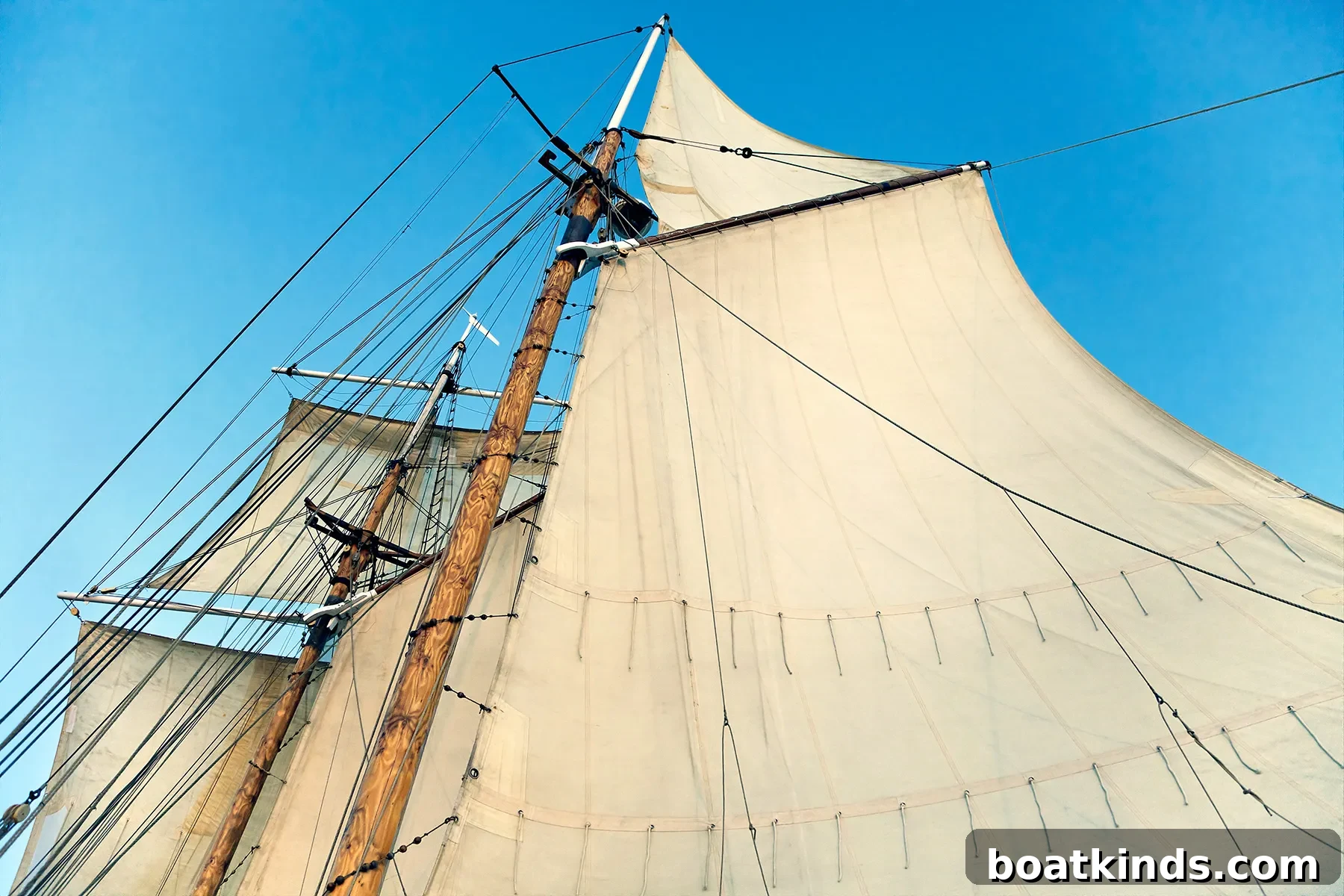
The main topgallant mast had snapped at the crosstrees where it ties into the topmast. Mast, yard and sail had fallen forward across the main topsail, appearing as a silhouette through the set topsail. Forward, the fore-topgallant yard had split in half and its remains were swinging with the shredded fore-topgallant sail.
Sunset was approaching and we had to act quickly to secure the situation and make it through the night without more catastrophe. Capt. Bailey took the helm while Andy climbed aloft to inspect the damage near the upper doubling of the main topmast—just below where the topgallant had been. Tony grabbed me by the arm and hustled forward.
“Will, get up there with Andy and Christina,” he ordered, dropping me at the base of the mainmast shrouds as he buckled on a safety belt and started up the foremast. I followed without question: I grabbed a belt, strapped in, swung onto the port rail and climbed the mainmast shrouds. Christina was already at the fighting top, working her way up to Andy.
Everything moved fast. I wondered why I had been chosen; there were 28 other crew and many had more experience. Aloft were the mates, the boatswain, our most experienced Able Seaman and me. Down below, the rest of the crew stared up, waiting for orders.
Oddly, we had not struck sail. Normally you would immediately reduce sail to unload the rig and prevent further failure. But the damage at the top of the main topmast meant that lowering the main topsail could shift the load onto the lifts and the doubling, risking another catastrophic break. At that moment the load resting on the halyard appeared to be the lesser of two evils.
I remember weighing risks at height: jump and hope to survive a water landing, or stay clipped in and be tethered to tens of thousands of pounds of falling spars. I chose to remain unclipped briefly so I could move without being pulled by falling gear, then clipped in only when it was prudent.
Aloft, Andy assessed the situation and decided to leave the sails as they were overnight. His judgment was to do the minimum necessary to hold us through the night and wait until dawn for a fuller plan. Christina and I became Andy’s muscle and relay—cutting and freeing lines when he gave the order, hauling on gaskets and controlling items lowered on the gantline. Jared manned the mizzen topsail yard to manage a leader line and help control pieces as they came down.
Looking forward, Tony stood on a broken yard, holding only a knife, steady as the ship rolled over 12-foot seas. His calm leadership and steady presence kept the deck crew focused and confident. He led by example—treating people with respect, knowing when to be stern, when to be kind, and when to lighten the moment with humor. That steadiness allowed us to relax enough to do the hard, precise work required to get through the night.
Andy’s decision to limit intervention and hold the current loading until daylight was right for the situation. We cut what had to be cut, tended rigging, and prepared for a cautious dawn inspection. The immediate goal was safe, controlled action rather than dramatic fixes that might cause more damage.
We spent the night managing what we could from aloft and on deck, alert and watchful until first light. In the end, this episode was a stern reminder of how quickly a passage can turn and how critical disciplined seamanship, clear leadership and steady teamwork are when the rig fails far from land.
This article was originally published in the April 2023 issue.