
Chinese White Dolphins in Hong Kong: A Pandemic Respite Amid Long-Term Threats
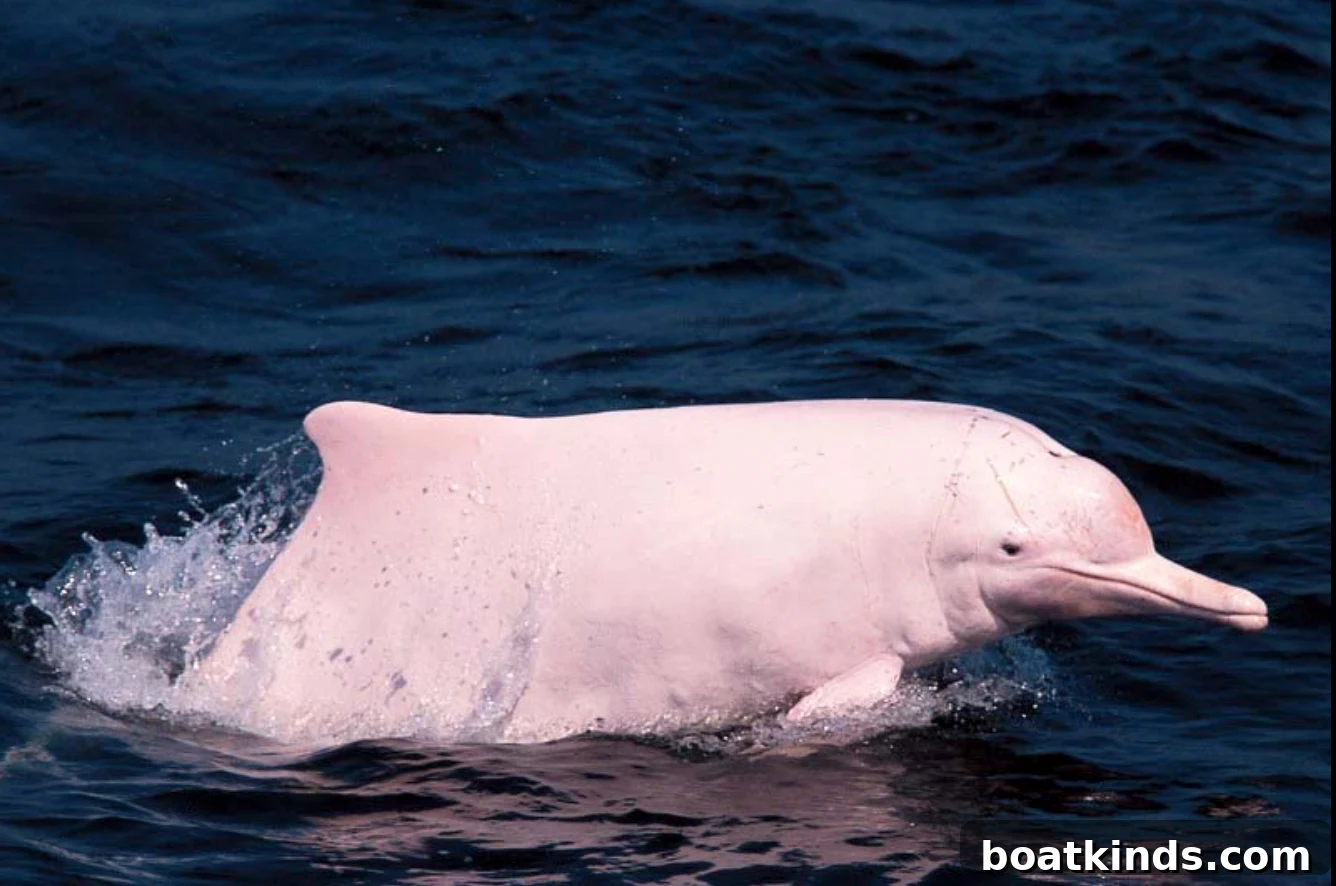
Chinese white dolphins, commonly called pink dolphins for the pale pink hue they can take on in warm waters, are native to Southeast Asia and are deeply associated with the waters around Hong Kong. These charismatic marine mammals attract public interest and conservation attention, yet their populations have faced severe pressures in the Pearl River Delta, one of the world’s busiest shipping and industrial regions.
Over the past 15 years the number of Chinese white dolphins in the Pearl River Delta has dropped dramatically—estimates indicate declines of up to 80 percent. Heavy maritime traffic, habitat modification from large infrastructure projects such as a new airport runway and bridge construction, and chronic pollution have all been implicated in reducing suitable habitat and increasing the risks these animals face. The Pearl River Delta region ranks among the highest in the world for freight shipments, and the resulting noise, vessel strikes, and disturbance have taken a toll on local cetacean populations.
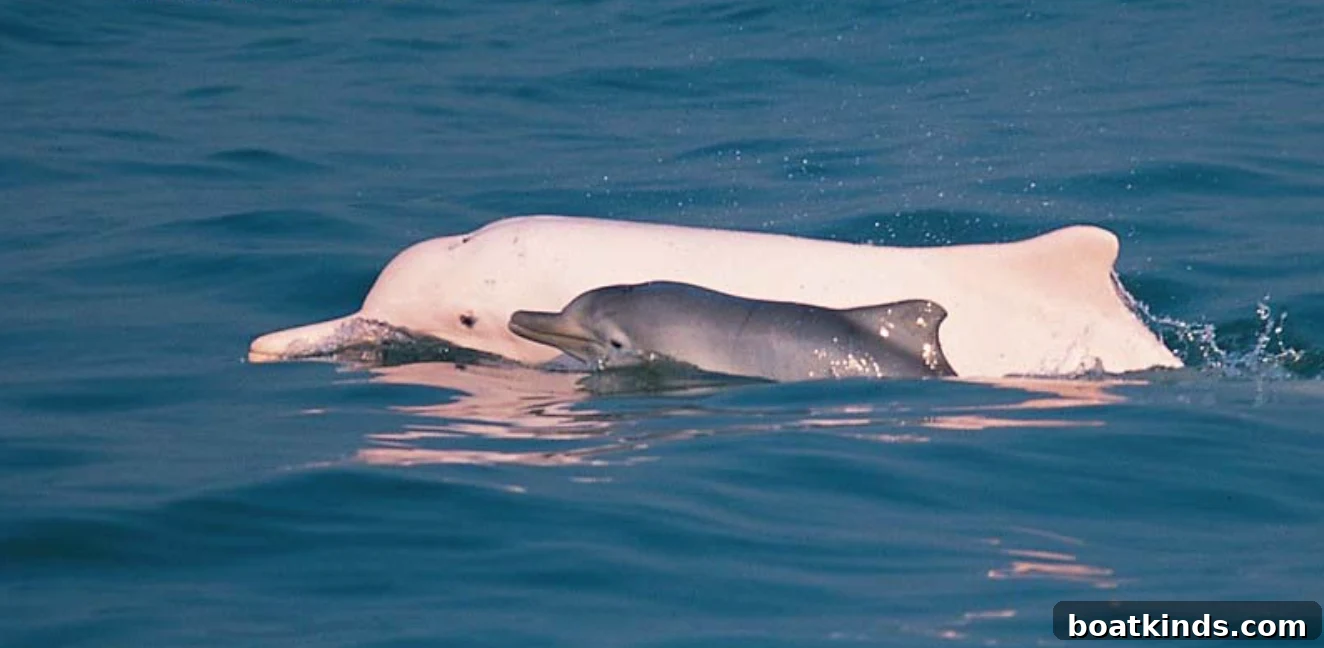
When the coronavirus pandemic led to widespread travel restrictions and temporary suspensions of high-speed ferry services, marine observers noticed a change: more frequent sightings of pink dolphins in areas where they had become scarce. Reduced ferry traffic and lower tourist boat activity appear to have given these dolphins greater freedom to use parts of their traditional range without the same level of human disturbance.
It is important to emphasize that a rise in sightings does not necessarily mean the population has recovered. Scientists caution that increased visibility is more likely an indicator that the animals are moving back into areas they previously avoided when human activity was heavier. Long-term recovery would require sustained improvements in habitat quality, reduced pollution levels, and better regulation of maritime traffic.
Conservationists are focusing on practical steps to reduce ongoing threats. Among the measures under discussion are rerouting high-speed ferry lanes away from important dolphin habitats when services resume, stricter controls on pollution inputs to coastal waters, and more careful management of boat tours to minimize disturbance. Addressing the cumulative impacts of port development, construction projects, and intensive shipping is critical to give the dolphins a realistic chance at stabilizing or rebuilding local numbers.
Tourism presents a complicated challenge: boat-based dolphin watching can generate public support and funding for conservation, but poorly managed tours can increase stress, displace animals, and raise the risk of boat strikes. Sustainable wildlife tourism practices—such as limiting the number of vessels, enforcing minimum distances, and educating operators and passengers—are necessary to protect dolphins while preserving economic benefits.
Clean water and protected habitat are central to any long-term plan. The Pearl River Delta’s dense industrial and shipping activity contributes to noise and chemical pollution, both of which affect dolphin health and prey availability. Restoring coastal ecosystems and reducing pollutant loads will support the broader marine food web that dolphins depend on.
For residents and visitors who value Hong Kong’s pink dolphins, the pandemic-era return of these animals offers a reminder of how quickly wildlife can respond when human pressures are reduced. At the same time, the situation underscores how fragile that balance remains: without coordinated conservation actions to manage shipping, infrastructure development, pollution, and tourism, the improvements seen during reduced human activity are unlikely to persist.
In the meantime, the increased presence of Chinese white dolphins near Hong Kong has renewed local interest in protecting these animals. Sustained monitoring, science-based management, and community engagement will be essential to convert this temporary respite into long-term recovery prospects for the region’s iconic pink dolphins.