
Tom Stokes was aboard his Pacific Seacraft 36, reflecting on why he and his wife were spending so much time motoring. “We had one trip, I don’t even think we put the sails up,” he recalls. “We were motoring at least half the time. It seemed crazy to think about a powerboat, but I started reading and got really intrigued.”
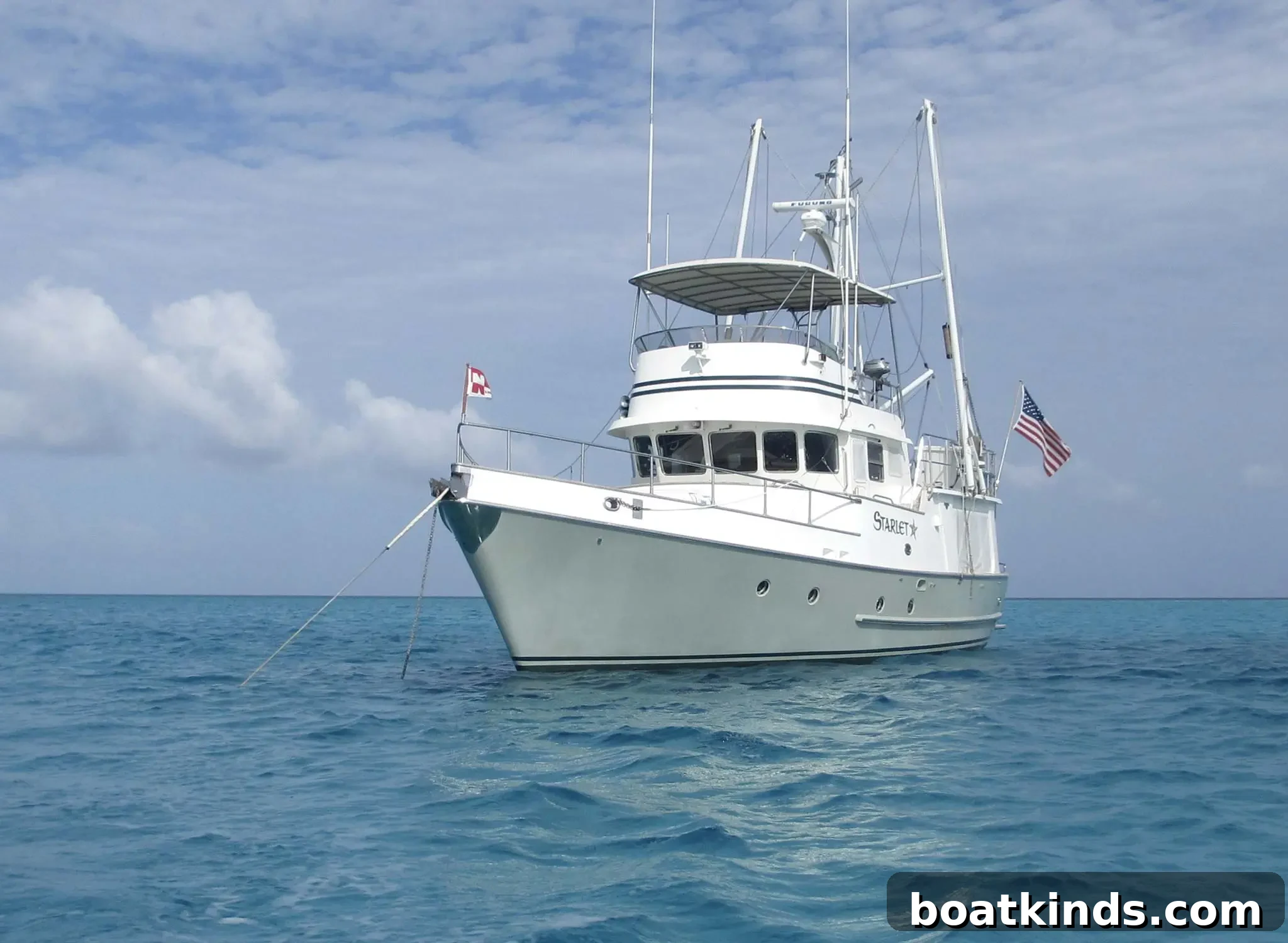
Now in his mid‑60s, Stokes wanted cruising to be less physically demanding in retirement while preserving the long‑range adventures he loved. After researching powerboats capable of more than coastal runs, he discovered he didn’t have to abandon offshore ambitions to simplify boating life. “People were going offshore, and that’s something I didn’t want to give up,” he says, now the proud owner of the Nordhavn 46 Starlet.
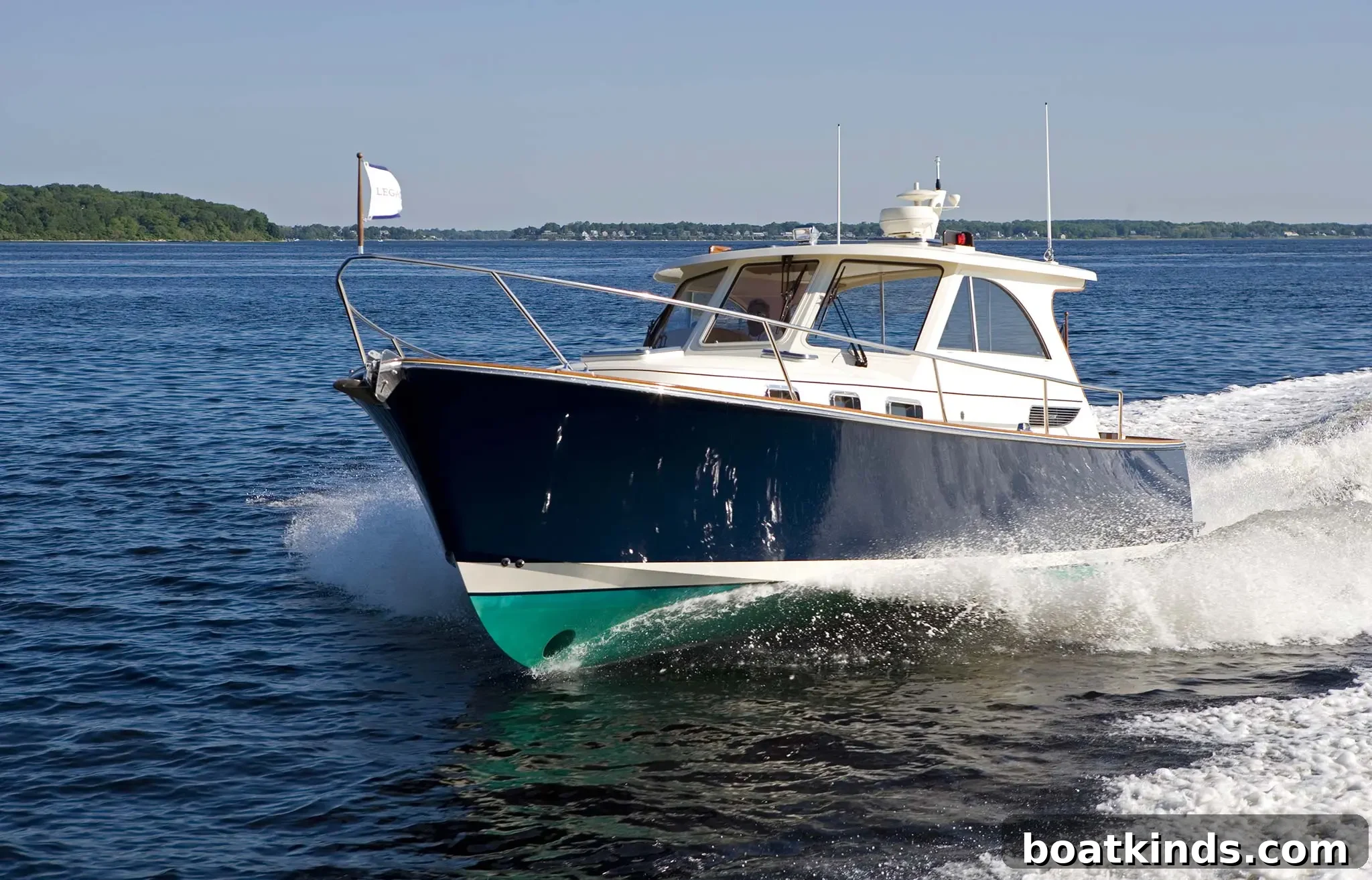
Stokes is one of many sailors who have switched to power or added motorboats to their fleets to access new kinds of cruising. Whether longtime club racers or casual weekend sailors, many find powerboats expand practical options. “We’re thinking about heading down to the Exumas and Abacos this January,” Stokes says. “That should be fun. Then we’ll come back home and maybe make some longer trips—maybe to Portugal or even across the Atlantic.”
WORK YOUR SOURCES
One valuable lesson Stokes learned while buying his Nordhavn 46: other owners are an excellent resource. He read Buddy Bethea’s Alaska on Our Minds, joined a Nordhavn owners’ group and connected with a long‑time community organizer who tipped him to a well‑maintained 2000 model returning from Australia.
That boat was shipped to Florida and, despite logging 65,000 miles, had been carefully maintained. The seller took Stokes on an overnight trial and walked him through systems. After practicing aboard the boat and attending multiple classes at the Annapolis Powerboat Show—he especially recommends Nigel Calder’s electrical‑systems course—Stokes gained confidence. “I repeated that one,” he says. “I did it again because it was so much information. Training definitely adds to the enjoyment and reduces the chance of making a mistake.”
He also discovered an unexpected benefit of a heavier powerboat: visibility and a greater sense of safety. “There are a lot of yahoos out there on speedboats,” he notes. “On a sailboat you wonder if they see you. On this boat they don’t seem to crowd us as much. We feel safe and confident, and it really is fun.”
KNOW THYSELF
For George Sexton, balance and comfort became priorities as he entered his 70s. A lifetime of sailing—from a Pearson 27 to a Pearson 39 used for decades on Long Island Sound—left him missing the comfort and simplicity of a powerboat. “Getting out on the foredeck to handle sails started to get dangerous,” Sexton says. “We wanted to be comfortable. A powerboat has more amenities.”
He worked with designer Mark Ellis and chose the Legacy 32 as a good fit for his needs. Bought in 2007 and named Starbound, the boat’s generator, heating, air conditioning, and bow and stern thrusters made docking and tight maneuvering much easier. Its 21‑knot cruise speed also shortened passages—Martha’s Vineyard to New York now takes far less time than it used to under sail. Sexton stresses careful planning when switching to power: consider how you’ll use the boat—dayboat, weekender or extended cruiser—and pick a size that matches those plans.
YOU CAN’T GO WRONG
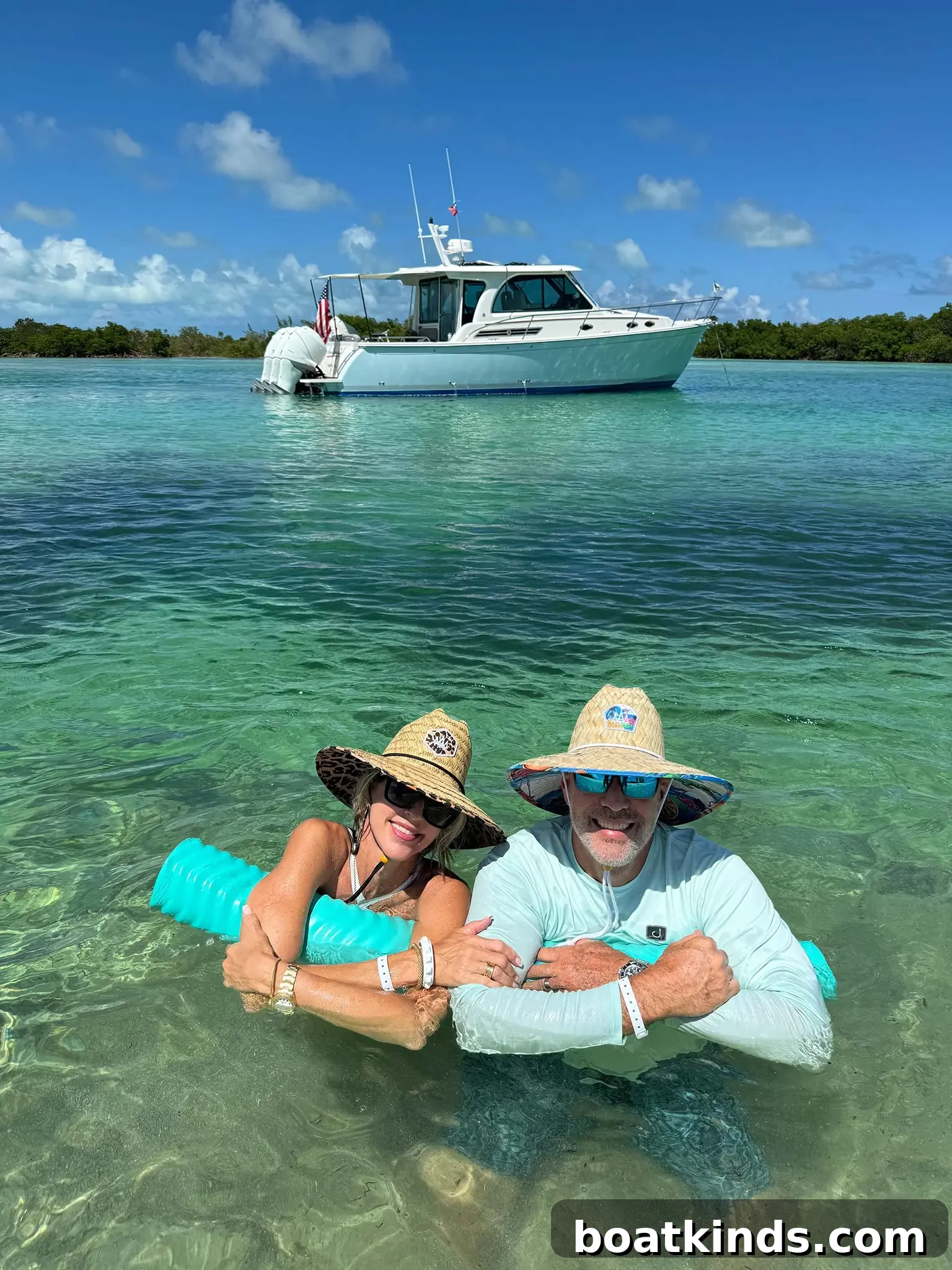
David Calverley knows the demands of high‑level sailing—he competed in three America’s Cup campaigns—but work and family responsibilities eventually pushed him toward powerboating. Living in Tampa with great cruising grounds inshore and in the Bahamas, he opted for Sabre powerboats and later discovered the Back Cove 39O, appreciating its styling and outboard configuration for shallow‑water cruising.
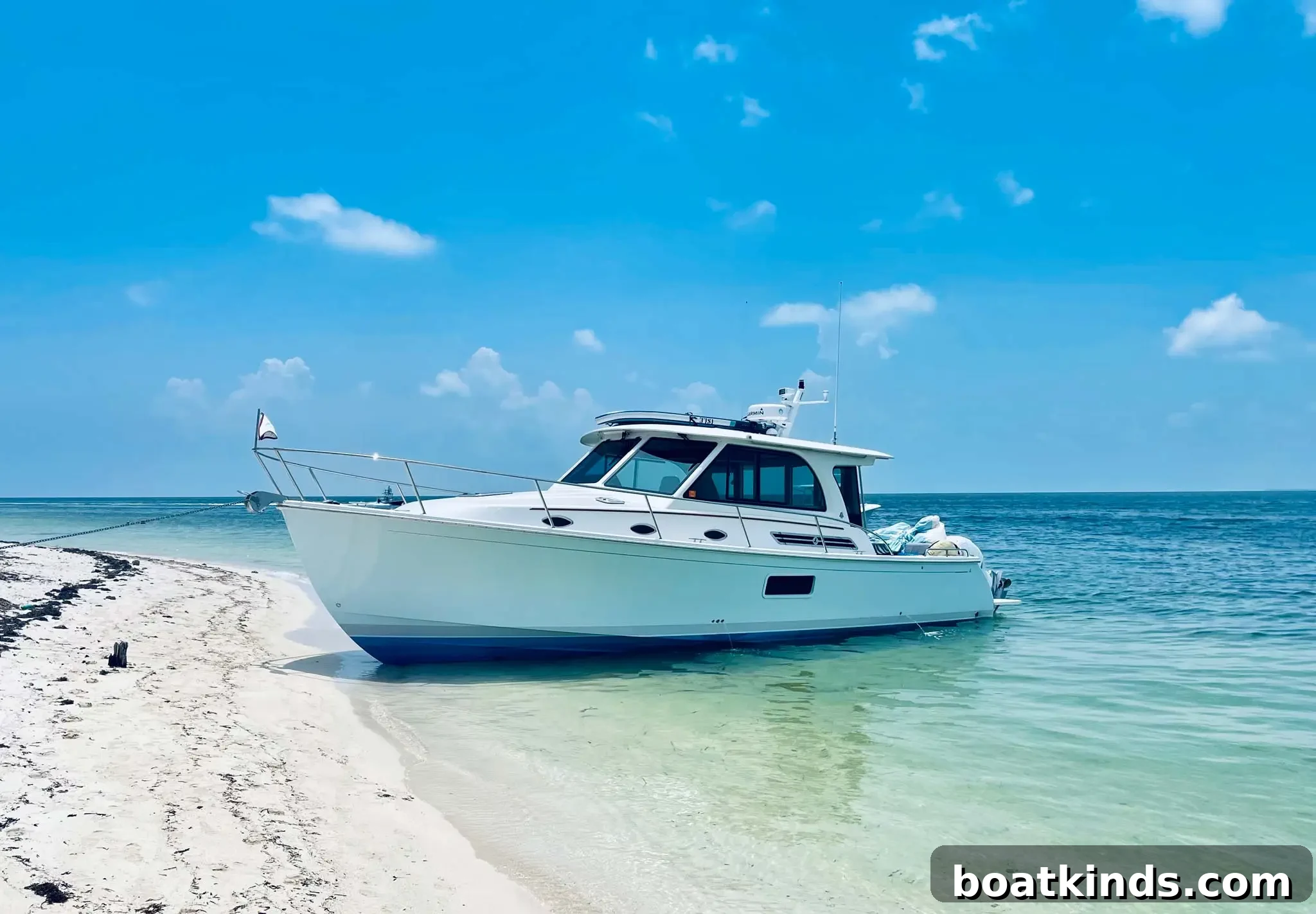
Hull No. 4 of the Back Cove became Calverley’s first new powerboat after a visit to the factory in Maine and a deposit that became a firm commitment. “We took delivery in spring of 2021,” he says. For him, powerboats offer a different kind of seamanship: they have handling characteristics and limits that require learning, but they make year‑round cruising and family outings easier. “My gut would say you can’t go wrong, because you’re still on the water,” he adds. “It’s better than sitting in traffic.”
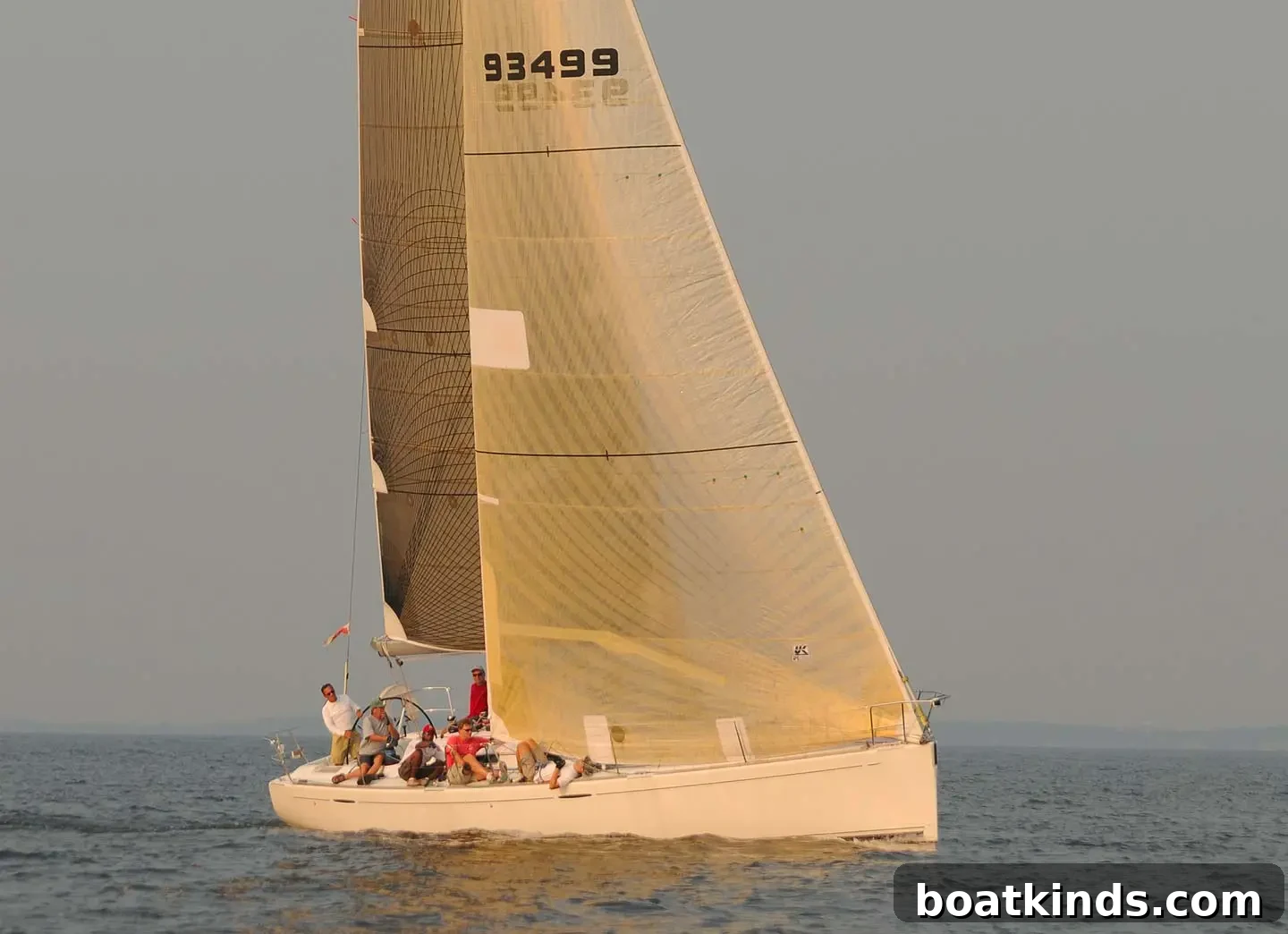
TO EACH HIS OWN BOAT
For David Andril, retiring from a busy legal career meant more time to linger on the water. He discovered that powerboats opened destinations previously impractical by sail—Washington, D.C., and Baltimore’s Inner Harbor became convenient day or dinner runs. Unlike some who switch for age‑related reasons, Andril wanted a different boating lifestyle after years of owning racer‑cruisers. A Sabre 38 Salon Express gave him generator power, climate control and speed, extending the cruising season and range on the Chesapeake.
Working with a thoughtful broker at North Point Yacht Sales helped him match the boat to his needs. Docking with twin screws and a bow thruster was a new skill, but he adjusted quickly. Moving into a new Sabre 45 Voyager in 2022 brought greater sophistication and systems that made handling easier—joystick control, improved efficiency and the Volvo Penta IPS system meant more boat for similar horsepower and fuel consumption.
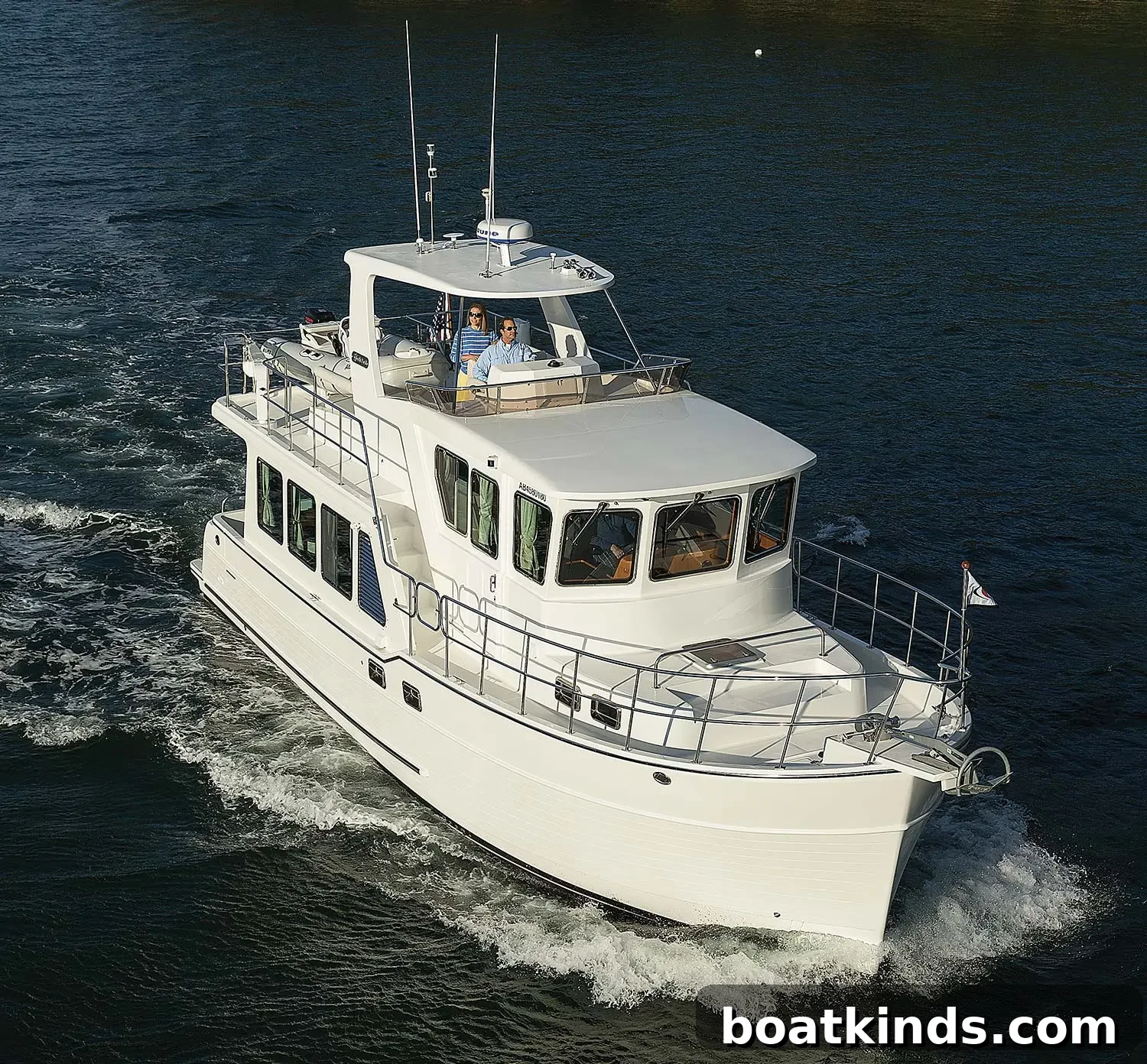
PERSONAL TOUCH
Andrew Watkins’ sailing roots began on Georgian Bay, and after years at sea—including a six‑and‑a‑half‑year circumnavigation aboard a 41‑foot Amel Sharki named Wasabi—he settled near the Thousand Islands and ran a marina. Working with powerboats at the marina gave him hands‑on appreciation for their utility. After owning a Mainship 390, he met Trevor Brice at the Annapolis Powerboat Show and later bought a used North Pacific 43, then ordered a new North Pacific 45 Pilothouse delivered in 2016.
Watkins found the 45 an improvement in visibility, finish, interior structure and overall capability—perfect for long shakedown cruises such as a three‑month trip to Alaska. Owning large and capable powerboats has deepened his appreciation for motor cruising while reflecting the personal choices many boaters make when they shift from sail to power.
February 2025