
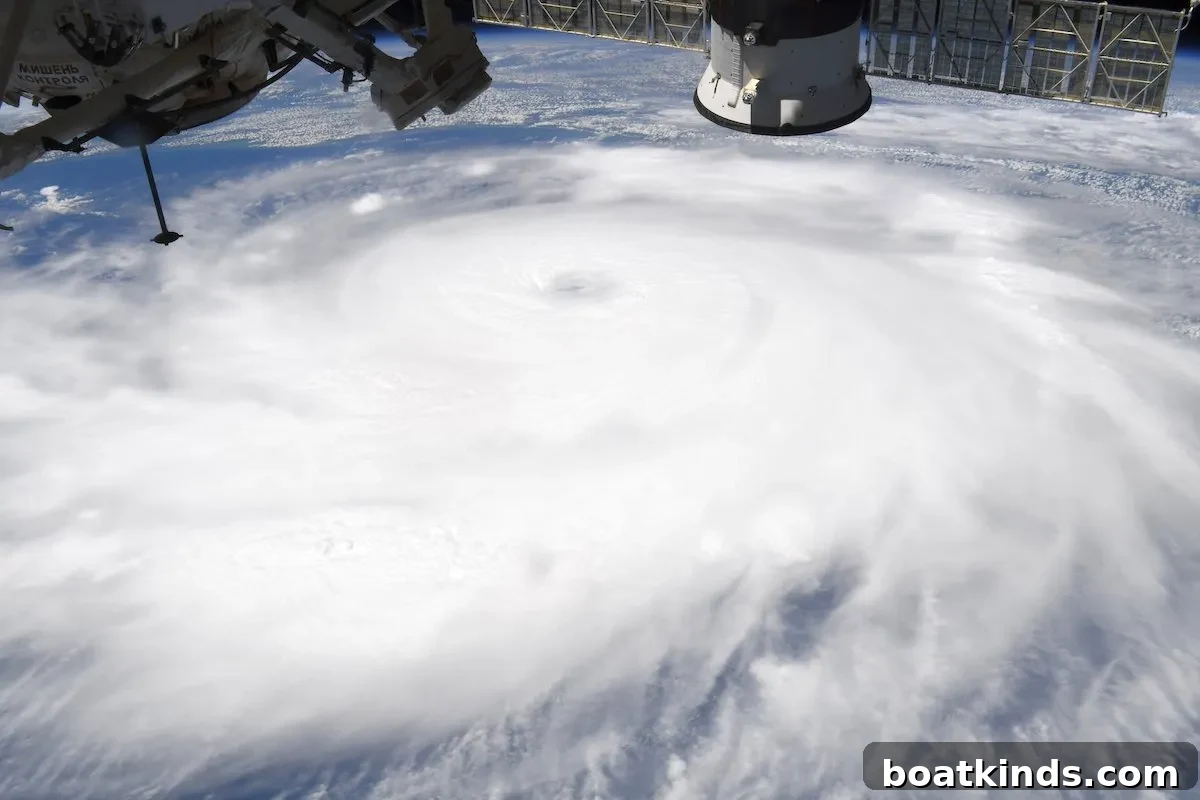
Hurricane Laura Devastates Coastal Louisiana: Landfall, Surge, and Widespread Outages
Hurricane Laura made landfall near Cameron, Louisiana, in the early hours of Thursday as a powerful Category 4 storm with sustained winds of 150 miles per hour. The storm produced a major storm surge that inundated low-lying coastal communities, knocked out power to hundreds of thousands of residents, and caused at least one reported fatality when a 14-year-old girl was killed by a falling tree. Emergency officials warn that the full human and material toll of the storm may not be known for days as crews work to assess damage and reach isolated areas.
Storm Surge and Coastal Impact
Cameron Parish experienced a storm surge that exceeded 9 feet in places, pushing seawater into bayous, marshes, and communities that sit only a few feet above sea level. Southwestern Louisiana’s landscape of interconnected bayous and lakes means storm surge and rising waters can spread rapidly across a wide area. Although population density in much of the immediate coast is relatively low, many small towns, residences, and roadways were heavily affected by flooding and debris.
Lake Charles, the nearest larger city, is roughly 30 miles inland from the Gulf of Mexico and sits about 15 feet above sea level. Even there, the surge pushed nearly 5 feet of water into parts of the city, compounding wind damage from the hurricane itself. Authorities reported that almost all roads in Lake Charles were rendered impassable by downed trees and live powerlines, making movement dangerous and delaying initial damage assessments.
Power Outages and Infrastructure Damage
Widespread wind and water damage left hundreds of thousands without electricity across southwestern Louisiana. Downed transmission lines, uprooted trees, and flooded substations have made power restoration a complex and hazardous task. Utility crews will likely face extended outages in heavily damaged areas, and officials have cautioned residents to avoid downed lines and flooded roads while repairs are underway.
Evacuations and Rescue Operations
Authorities issued evacuation orders and urged residents in the path of the storm to leave well before landfall. Despite the warnings, roughly 150 people in Cameron chose to remain in place. Due to deep flooding and dangerous conditions, officials do not expect to begin rescue and recovery operations in some communities until Friday or Saturday, once waters recede and crews can safely access affected neighborhoods.
Inland Threats: Flooding and Tornadoes
Although Laura struck the coast as a major hurricane, its impacts extend far inland. By midday Thursday the center of the storm had moved east of Shreveport, Louisiana, bringing damaging gusts above 60 miles per hour and widespread reports of downed trees and powerlines. Meteorologists emphasize that heavy rain, flash flooding, and isolated tornadoes are possible well inland—into Arkansas and parts of the Ohio and Tennessee river valleys. Emergency managers urge communities away from the immediate coast to stay alert and monitor local updates as flooding and severe weather can quickly create new hazards.
Immediate Priorities and What to Expect Next
In the coming days, priorities for local, state, and federal responders include search and rescue for those who remained behind, making roads passable for emergency vehicles, restoring critical infrastructure like power and water, and establishing temporary shelters for displaced families. Damage assessments will continue as survey teams move into affected areas. Because initial access is limited by flooding and debris, accurate counts of structural damage and the full casualty toll will take time to compile.
Safety Tips for Residents and Visitors
Residents and visitors in affected and nearby areas should heed official guidance and take basic precautions:
- Avoid driving through flooded roadways; just a few inches of moving water can sweep a vehicle away.
- Stay away from downed power lines and report them to authorities or utility companies.
- Follow local evacuation orders and shelter advisories; return home only when authorities declare it safe.
- Prepare for extended power outages—have a supply of water, nonperishable food, medications, and a battery-powered radio or charger.
- Document damage with photos for insurance purposes only when it is safe to do so.
Recovery Will Take Time
Hurricane Laura’s combination of extreme winds and significant storm surge has left coastal Louisiana facing a long recovery. The immediate challenge is restoring lifesaving services and ensuring safe access to affected neighborhoods. Longer-term recovery will involve rebuilding homes, repairing infrastructure, and supporting communities as they recover from both physical and economic losses. Officials and relief organizations will continue coordinating efforts in the days ahead as more detailed information becomes available.
Residents seeking information should rely on official local and state emergency channels for the latest safety advisories, road closures, and resources for assistance. For now, the focus remains on protecting lives, securing critical infrastructure, and reaching those who remain cut off by floodwaters.