
Nautical Flag Etiquette: Size, Placement, and Best Practices for Recreational Boaters
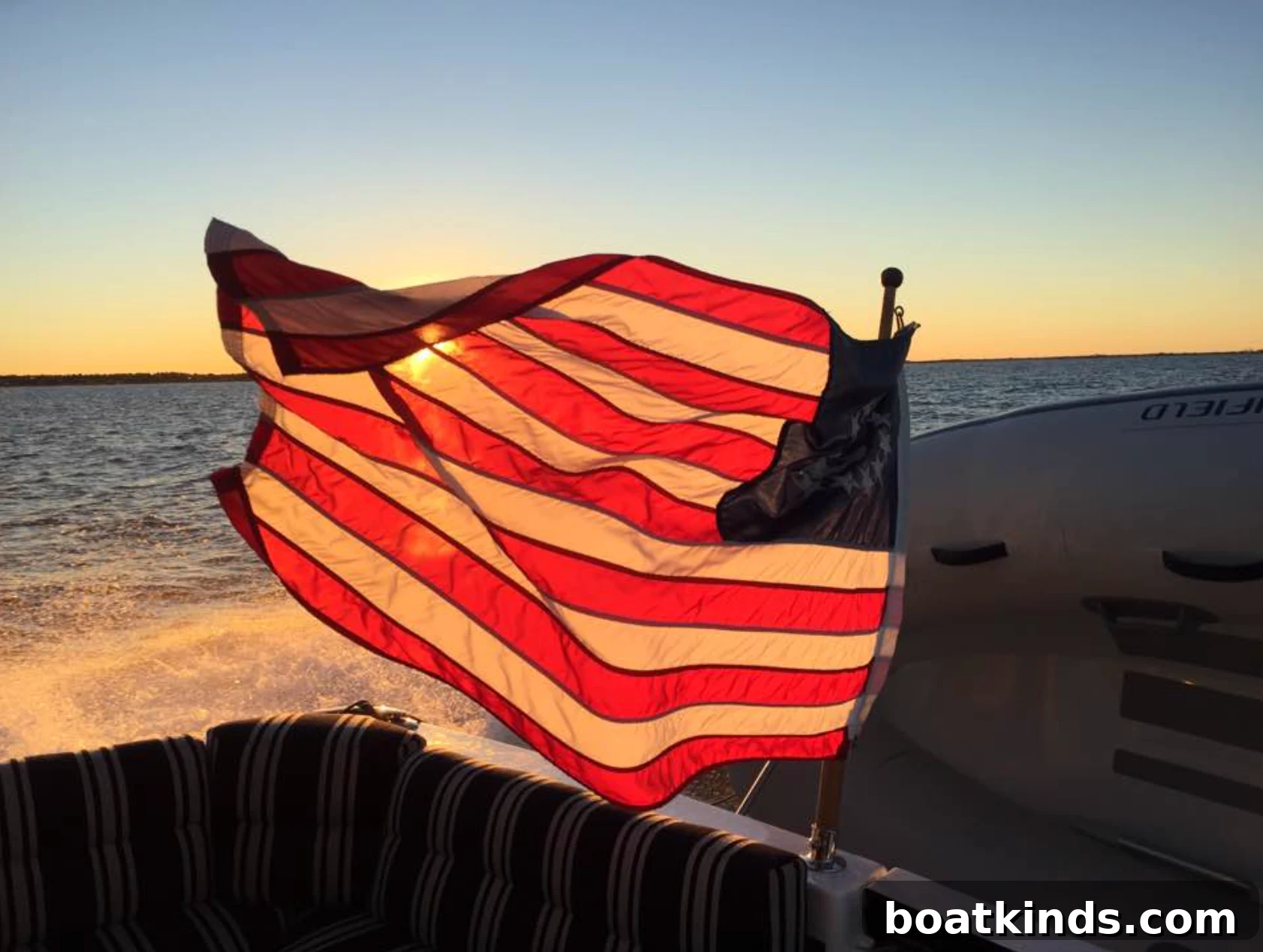
Nautical flag display follows traditions that have evolved over more than three centuries, and proper flag etiquette is an important part of seamanship. One clear, commonly cited rule addresses the size of the national ensign flown at a flag staff on the stern of your boat: the flag’s length on the fly should be one inch for each foot of overall boat length. That simple ratio helps ensure the ensign is proportionate to the vessel and visible at a reasonable distance.
What “one inch on the fly per foot of boat length” means
The term “fly” refers to the horizontal length of a flag (the dimension that flaps in the wind), while “hoist” refers to the vertical dimension nearest the flagstaff. Using the rule means choosing a flag whose fly measurement equals one inch multiplied by your boat’s overall length. For example, a 30-foot boat would generally carry an ensign about 30 inches on the fly. This sizing guideline produces a balanced appearance and helps the ensign read correctly relative to the size of the vessel.
Placement and visibility
The national ensign is traditionally flown at the stern on a dedicated flag staff or gaff so it is prominently visible to other vessels and authorities. A properly sized and properly mounted ensign communicates nationality and pride while remaining respectful of maritime customs. Make sure the flag is mounted securely and is neither obstructed nor tangled by rigging or other equipment.
General etiquette and care
Although there are many detailed rules and local variations, several practical etiquettes are widely accepted among recreational boaters:
- Keep the ensign in good repair. A clean, unfaded, and untorn flag is a sign of respect. Replace any flag that becomes frayed or heavily soiled.
- Respect the hierarchy of flags. The national ensign should not be flown below any other ensign; it is the primary symbol of national identity on the vessel.
- Lower and stow flags politely. When removing the ensign, handle it with care and fold or roll it neatly for storage. Avoid letting it touch the deck or the water unnecessarily.
- Choose appropriate materials. Flags made from durable, weather-resistant fabric will last longer in a marine environment and maintain proper appearance under sunlight and salt spray.
Courtly practices and visiting foreign waters
Many recreational boaters follow additional courtesies when visiting foreign ports, such as flying a host nation’s flag as a courtesy. Practices vary by region and tradition; when visiting another country, take time to learn local expectations so you can show proper respect. Consult authoritative guidance or local harbormasters for the specific customs that apply where you cruise.
Why proper flag etiquette matters
Beyond aesthetics, correct flag use contributes to clear communication and mutual respect among mariners. A well-maintained, properly sized ensign signals that the vessel’s operator understands and honors basic maritime customs. Conversely, a tattered or improperly displayed flag can create a negative impression or suggest neglect.
Where to find complete rules and guidance
Flag etiquette is detailed and can include national regulations, club customs, and international conventions. The United States Power Squadrons and many national boating organizations publish comprehensive etiquette guidelines for recreational boaters. For specific rules—such as exact dimensions in local jurisdictions, protocols for half-masting, or customs for visiting foreign ports—consult authoritative sources and local maritime authorities before you travel.
Practical checklist for your ensign
- Measure your boat’s overall length to determine the recommended fly size.
- Select a durable flag sized proportionately to your boat (one inch of fly per foot of length as a general guide).
- Install a secure, visible flagstaff at the stern and ensure the flag is properly attached.
- Inspect and maintain the flag regularly; replace it when it shows significant wear.
- Learn local customs and follow appropriate courtesies when visiting foreign ports or special events.
Observing basic flag etiquette is an easy way to show respect for maritime tradition and for other mariners. A properly sized, well-kept ensign at the stern is both a practical signal of identity and a mark of good seamanship.