
“No. We are not spending that kind of money.”
For a solid decade, that was Steve Olsson’s wife’s answer whenever he suggested buying an American Tug. He first noticed one in a marina and was immediately taken by its tall profile, generous beam and the remarkable sense of space for a 41-foot hull. Compared with the 30-footer he hauled behind his truck from their Seattle-area home, the American Tug felt built for far grander adventures.
“I lusted after it for at least 10 years,” Olsson says. He even tried to compromise by looking at a 50-foot converted fishing boat that cost less. “That boat was fine,” he admits, “but I really, really wanted the American Tug.”
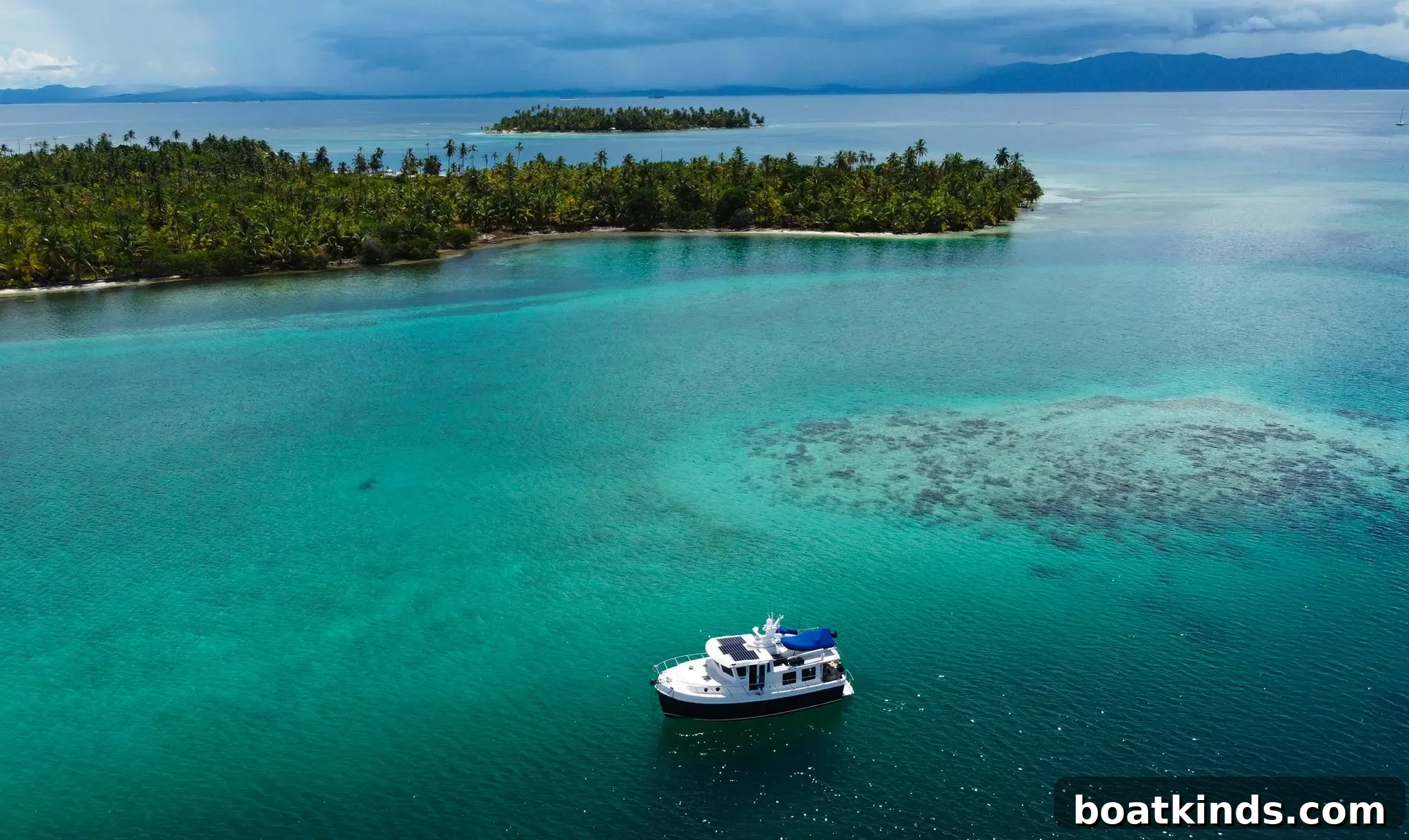
After his marriage ended, Olsson finally acted on his long-held desire. In October 2020 he bought a 2008 American Tug 41, named her Coda—an apt name, suggesting a final, meaningful chapter—and moved aboard in his early 60s. He retired from a career in electronics and software in 2021 and set out to cruise, ultimately logging about 22,000 miles.
The transition to full-time cruising taught him a lot and introduced him to an overwhelmingly helpful boating community. “People in and around boating are pretty darn great,” he says.
The first six months served as a shakedown cruise, and that proved wise: a couple of engine injectors cracked during early outings. Coda had been sitting on the hard for a while and likely hadn’t run for over a year. Although she ran well for the purchase inspection, the 500-hp, 9-liter diesel began showing problems by the fourth or fifth cruise.
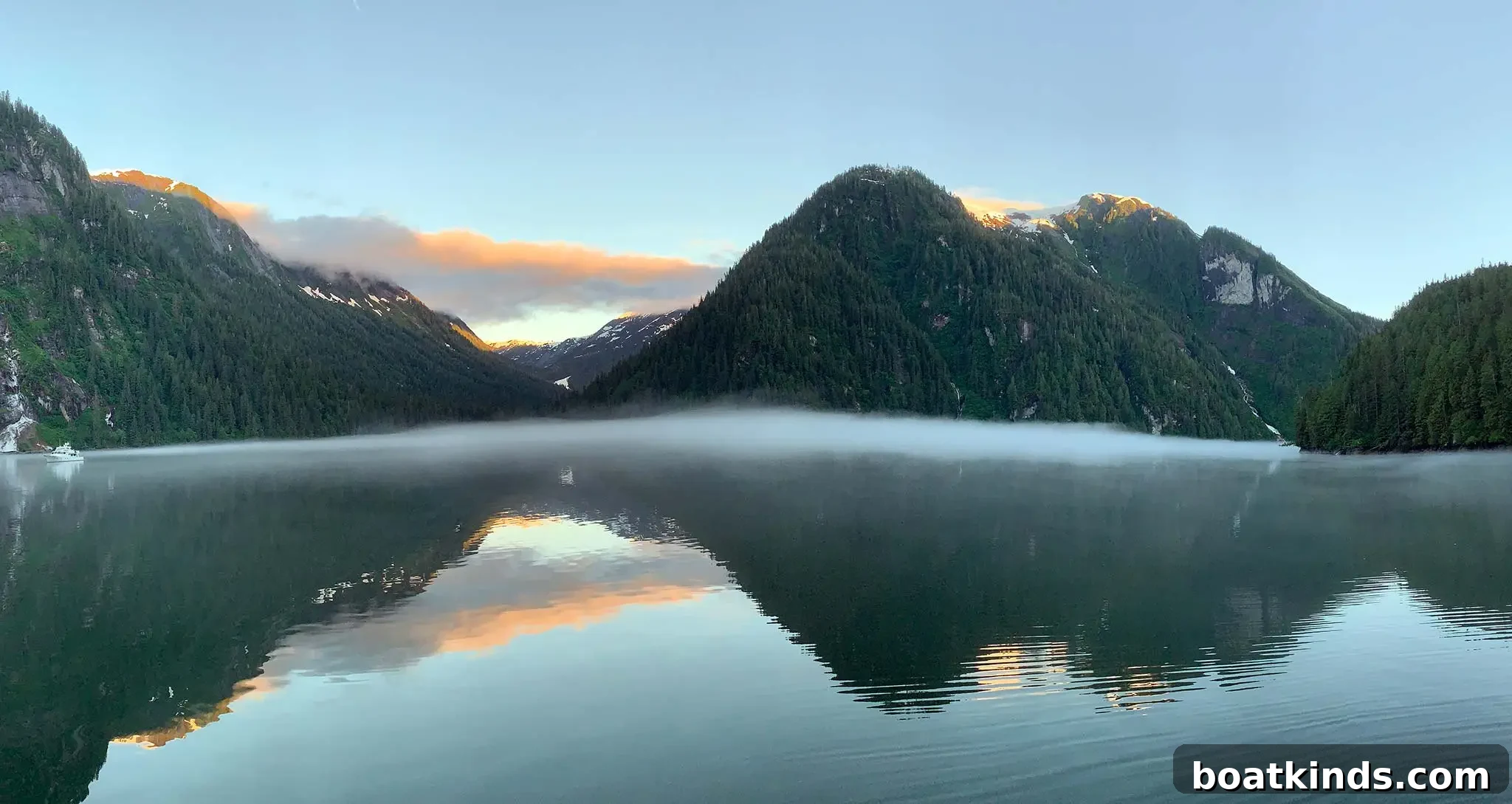
That experience pushed Olsson to prepare Coda for long-distance cruising with meticulous attention to maintenance. He saw the American Tug as a solid platform that, with careful upkeep, would let him focus on life afloat instead of constant repairs. He didn’t cut corners: he replaced all the injectors rather than just the cracked ones and accumulated spare parts for anything he could fix himself.
“The key, to me, was having a reliable boat,” Olsson explains. “I didn’t want to be stuck in some third-world country trying to find parts. People who have to do that in places like Mexico can have a rough time.”
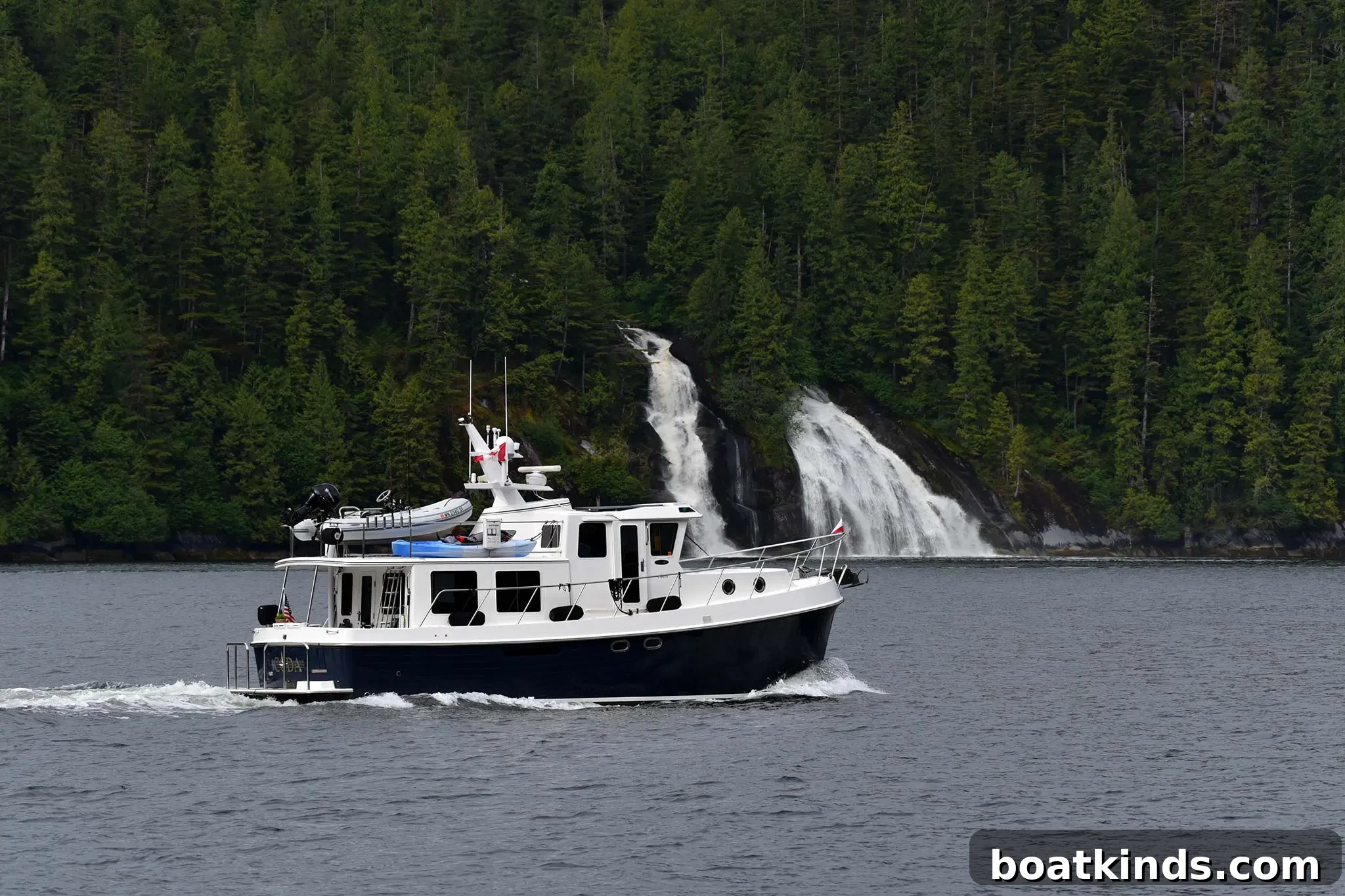
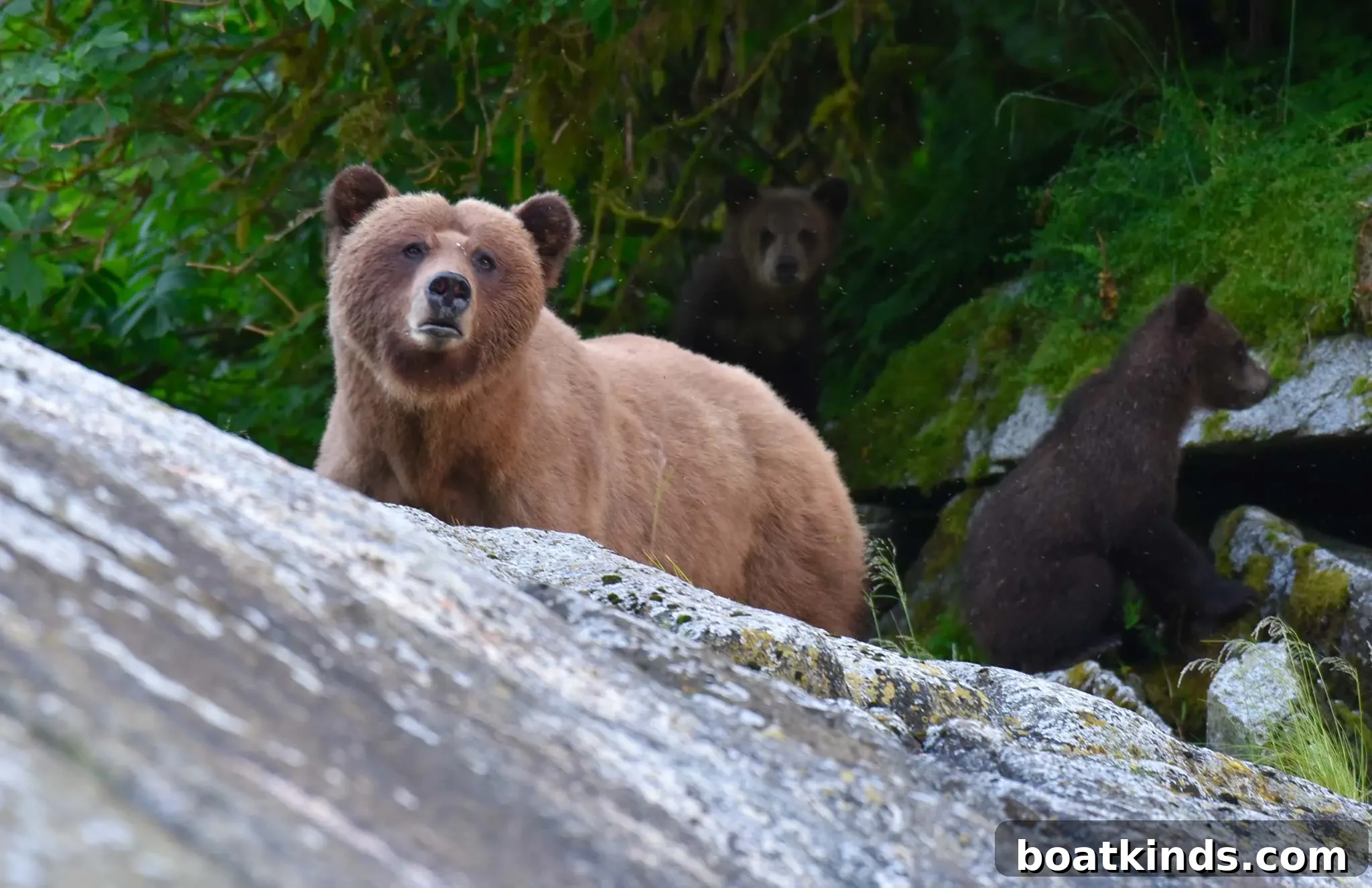
Once Coda was sorted, Olsson and a friend in a buddy boat made for Alaska. Because the trip happened during the pandemic, Glacier Bay was remarkably empty when they arrived. “Take away the cruise ships and tour boats and there were maybe 50 boats in that bay, which is huge,” he recalls. They enjoyed sunny, warm weather much of the three months they spent there.
The pair cruised around Baranoff Island, stopping at Sitka, Ketchikan and Juneau. They explored waterfalls, hot springs and wildlife, rafting up and anchoring each night. “We hiked almost every day and ran around in the dinghies,” he says. “It’s just an incredible place. The solitude is amazing.”
From Alaska Olsson headed down the West Coast and joined the Panama Posse, a seasonal network of cruisers who share knowledge and support on the route to Central America. “That was extremely valuable,” he says. “At any port in Mexico, Costa Rica or Panama there were other boats doing similar things. You’d trade stories, get weather and route advice, hear where the safe harbors were, and even get pirate reports. The community helped with charts and planning.”
Those shared experiences led him to places like the Sea of Cortez, which he describes as “boating on an aquarium.” Warm, clear water made daily swims and diving highlights of the cruise. “You get up, go swimming, make coffee and get ready for the day,” he says.
Insurance rules during hurricane season kept Coda in Costa Rica and northern Panama until November. Olsson used the waiting time to prepare for his longest open-ocean passage: from Panama to Jamaica on the way to Florida. His sister joined him for the three-day run out of Panama. By then he felt confident in his seamanship and in the boat, but Coda has only one engine, which made him cautious about long offshore legs.
“In Washington State a single engine makes sense—less maintenance and lower operating costs,” he says. “But when you’re 250 miles offshore on an 800-mile northbound passage, the prospect of an engine failure is unnerving.”
He slept little during those three days, keeping Coda on a shipping-lane course so he could spot faster vessels on AIS within a few miles if he needed assistance. He also relied on good weather forecasts. In the end the crossing was flawless. “It felt like the route was laid out for us,” he says. “We sat on the bow and watched porpoises jump—beautiful, peaceful boating.”
Afterward he cruised to the Caymans, then on toward the Dry Tortugas and Key West. He learned practical lessons along the way—like how to secure galley gear, after a heavy stand mixer once flipped off a counter and damaged the sole. “We started wrapping bottles in cloth, stowing plates with pillows and covers,” he says. “If the boat’s rocking it’s uncomfortable, but not hearing things crash makes it much more relaxed.”
In the Keys he met up with two buddies, and once everyone was ready they set off together to begin the Great Loop. Olsson fell in love with the Erie Canal, the Trent–Severn Waterway and the Thousand Islands. “It’s like boating on a river,” he says. “Every lock had a little town with a bar and grill—one even had a chocolate factory. There’s no weather or waves, and people are thrilled to see you.”
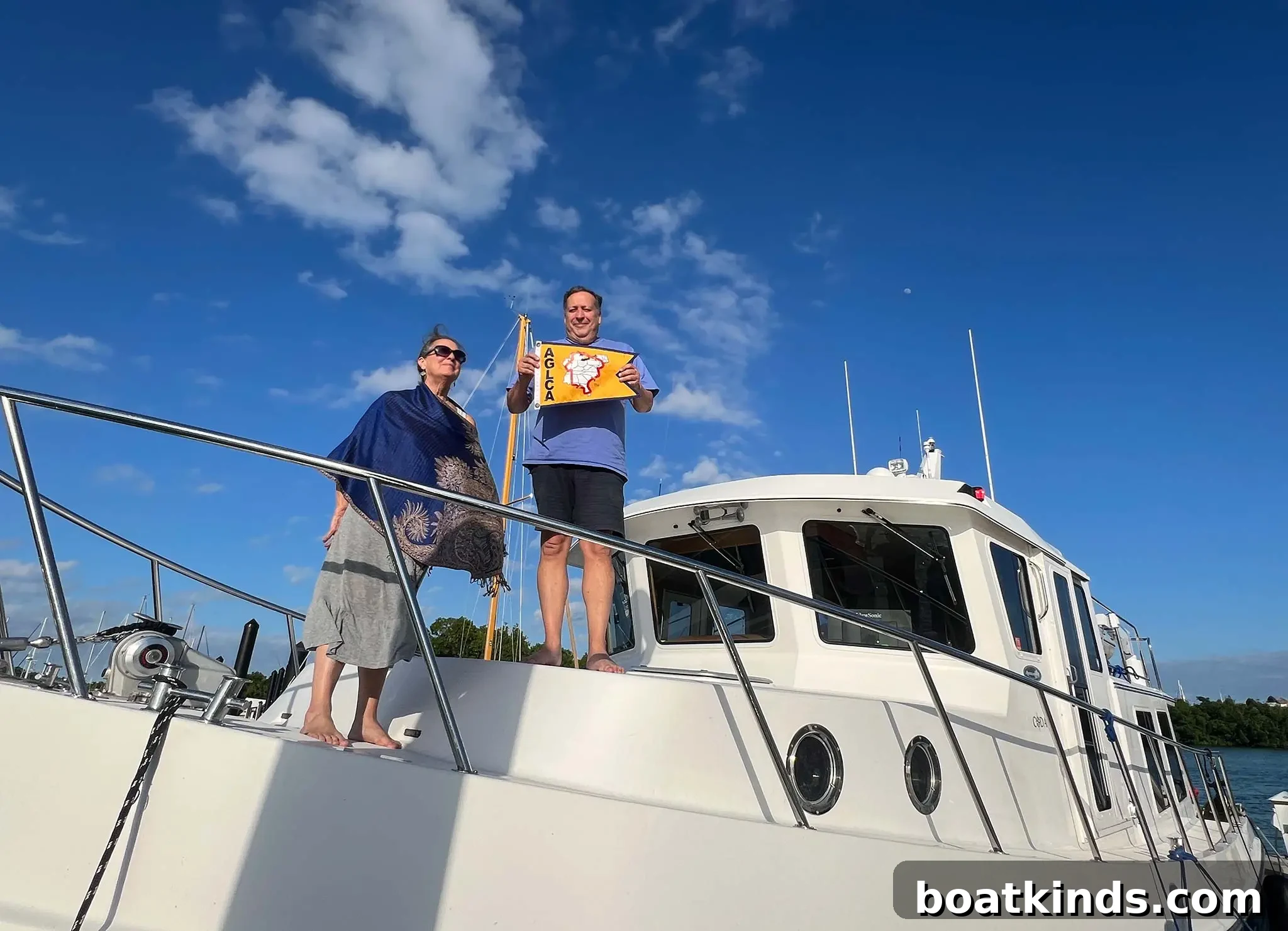
Along the Loop he found many like-minded cruisers and joined America’s Great Loop Cruisers’ Association. “You become friends and visit each other’s boats for drinks,” he says. “It’s like a yacht club every night.”
As of late December 2024, Olsson was back in Seattle, living aboard and planning another Alaska cruise. His advice to anyone tempted by life on the water is simple: get past whatever is holding you back and start small if you need to.
“Start with the San Juan Islands if that’s all you can manage,” he suggests. “Build experience with your boat and then go further. There’s so much fun to be had, and the people you meet renew your faith in humanity. This is a great lifestyle. I’m not stopping.”
March 2025