
Shenandoah’s Next Chapter: Preserving a Martha’s Vineyard Tradition of Sailing Education
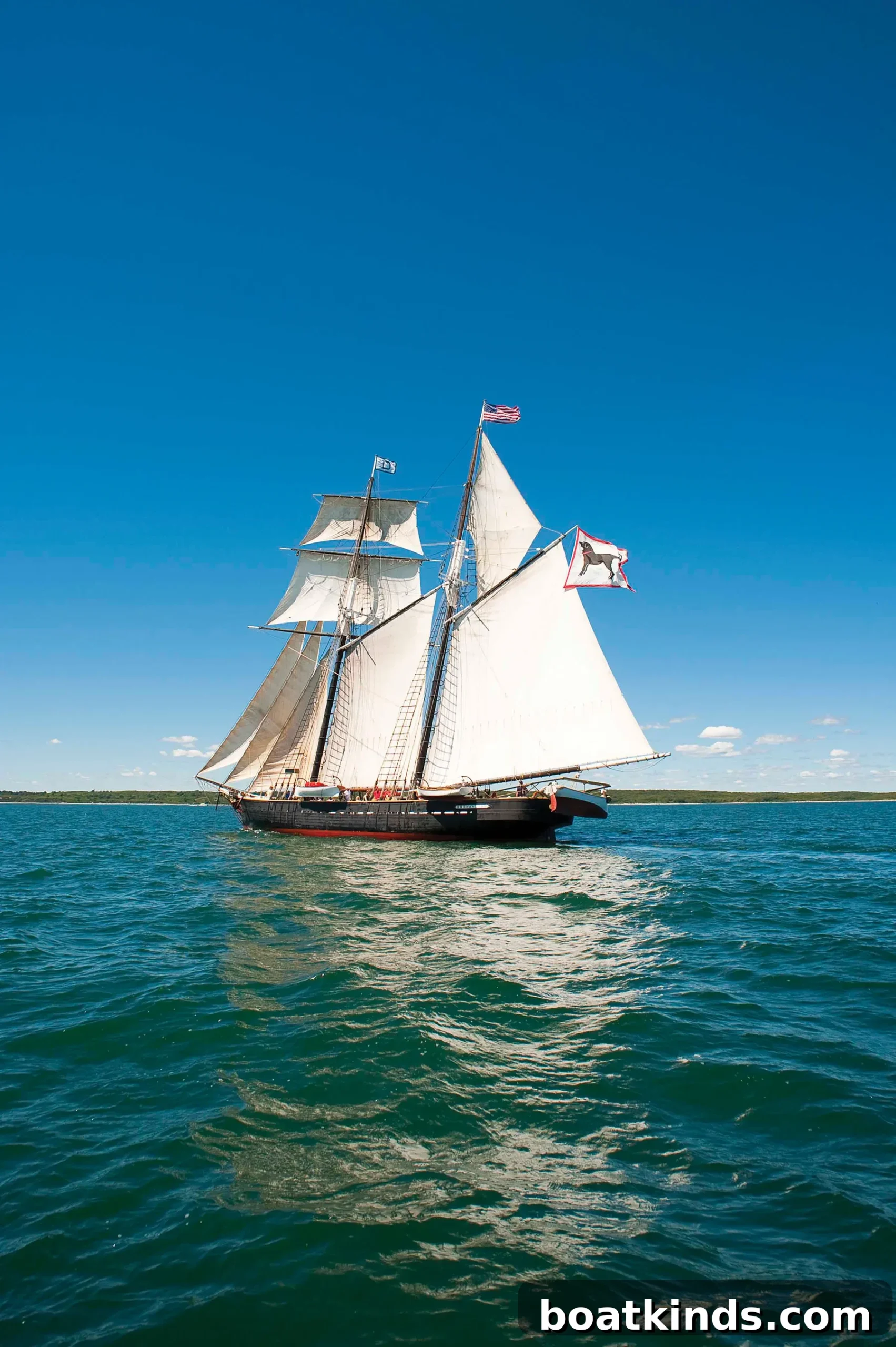
For more than half a century Captain Bob Douglas and Black Dog Tall Ships have introduced generations of Martha’s Vineyard fourth- and fifth-graders to life at sea aboard the schooners Shenandoah and Alabama. Since the 1990s alone, well over 5,000 island children have sailed on week-long voyages that combine hands-on seamanship with personal growth. These immersive trips—waking early for deck duty, hauling sails and anchors by hand, cooking in a busy galley—have often been a child’s first extended time away from family and proved transformative for many participants.
On the engine-free Shenandoah, students step into a slower, more deliberate way of life. The wooden ship relies on hand pumps for water, coal stoves for warmth, and traditional navigation and ropework. Living and working together in close quarters teaches practical skills—knot-tying, small-boat handling, navigation—and also fosters teamwork, resilience and self-reliance as students cruise the southeast New England coast.
Passing the Helm to a New Generation
After nearly six decades of ownership, Capt. Douglas, now 88, has decided to entrust the Shenandoah to a new generation of mariners. In September, he and his family announced the transfer of the 108-foot topsail schooner—designed and commissioned by Douglas in 1964—to the Foundation for Underway Experiential Learning (FUEL). The nonprofit, based on Martha’s Vineyard, was founded by two of Douglas’s former crew members, Capt. Ian Ridgeway and Capt. Casey Blum, who rose through the ranks aboard Douglas’s ships.
The Alabama will remain under Black Dog Tall Ships’ ownership and will continue to offer day sails, sunset sails and private charters. The Shenandoah, however, will become the central vessel for FUEL’s mission to expand experiential, maritime education on the island.
Urgent Repairs and a Fundraising Campaign
Before Shenandoah can return to the water for spring programming, the wooden schooner requires approximately $1 million in mandatory repairs. So far the fundraising campaign has secured $350,000, and FUEL is appealing to the island community, alumni and supporters in the wider sailing world to raise the remaining $650,000. Organizers emphasize that these repairs are essential to meet safety and regulatory standards and to ensure the vessel can continue serving students for decades to come.
Community support is seen as vital not only to restore the ship’s hull and systems but also to preserve a program that has become a rite of passage for many Vineyard children. The campaign invites tax-deductible donations; the project remains rooted in local stewardship and long-term educational goals.
Education, Environment and Future Plans
Ridgeway and Blum plan to continue the hands-on educational model established by Douglas while expanding its scope. Environmental education is a core priority for FUEL: life aboard a working vessel offers immediate, tangible lessons about resource limits, energy use and waste management. As Ridgeway notes, students experience first-hand that electricity and water are finite and that responsible stewardship matters.
Blum emphasizes the program’s lasting personal impact. Alumni frequently report increased confidence, improved problem-solving skills, overcoming fears and a greater tolerance for adversity—qualities that shape both academic and personal development. These outcomes, she says, are as important as the technical sailing skills learned on deck.
Looking ahead, Ridgeway and Blum envision a “Shenandoah 2.0” concept to expand access, broaden seasonal programming and eventually support year-round initiatives. That longer-term vision includes improving accessibility and diversifying the kinds of maritime and environmental experiences available to Vineyard youth and visiting students.
Captain Douglas’s Ongoing Role
Capt. Douglas remains deeply committed to the ship and the program. He plans to remain actively involved whenever possible, offering guidance on maintenance and operations and sharing his expertise with the next generation of captains. “Sailing Shenandoah is what I wanted to do with my life,” he has said, expressing confidence that Ridgeway and Blum—who trained under him—will carry forward the ship’s legacy.
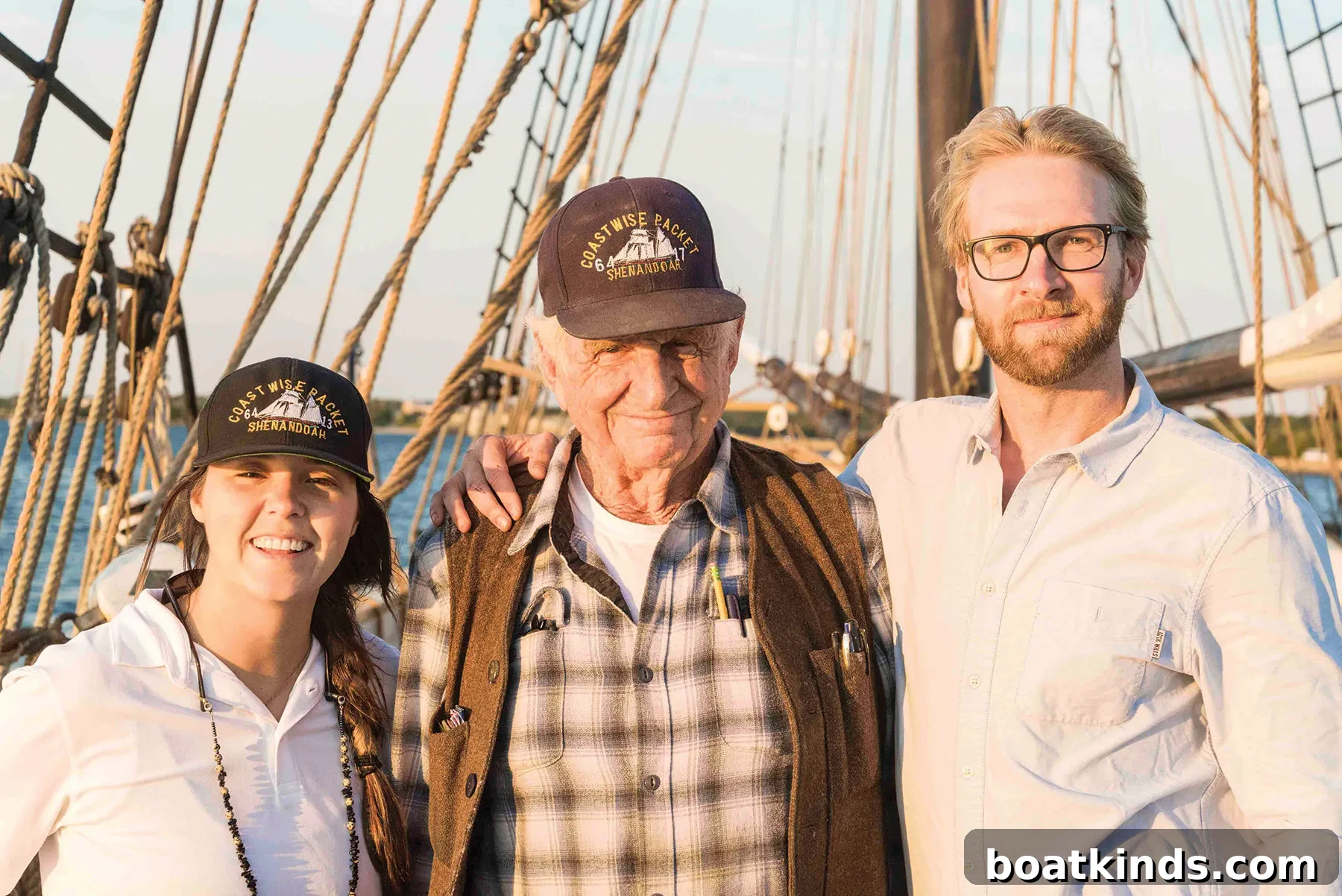
This long-running program, launched by Douglas in 1964 and continued for decades, has become a distinctive part of Martha’s Vineyard culture. As organizers and community members work to raise the funds needed for repairs, their goal is to preserve this unique educational opportunity so that future generations of Vineyard children can learn seamanship, environmental responsibility and personal resilience aboard Shenandoah.
To support the campaign, organizers provide information and accept contributions through the Shenandoah Fund: www.ShenandoahFund.org.
This article was originally published in the November 2020 issue.