
Marlin Damages Deck of Atlantic Rowboat Carrying Shropshire Crew in Talisker Whisky Atlantic Challenge
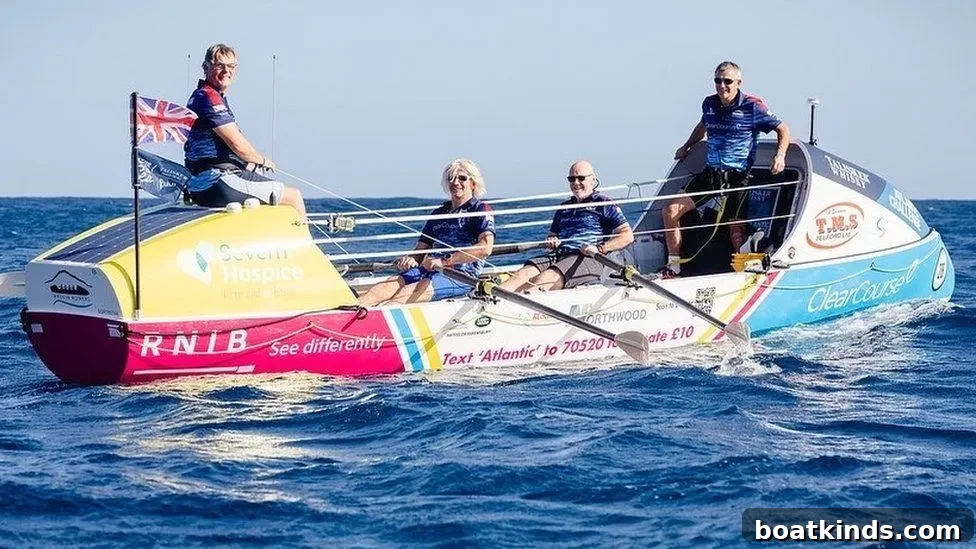
Four men from Shropshire, England, competing in the Talisker Whisky Atlantic Challenge suffered an unexpected setback when a marlin reportedly struck their ocean rowboat, puncturing the deck and damaging storage lockers that hold their food. The incident highlights both the hazards of ocean rowing and the unpredictable nature of life at sea during long-distance events.
The crew and their goal
The team, known in the race as “The Wrekin Rowers,” consists of Stuart Shepherd, Martin Skehan and brothers Gary and Stuart Richards. They set off on December 12 with the objective of rowing roughly 3,000 miles across the Atlantic Ocean as an unassisted crew, aiming to complete the crossing while raising money for charity. Prior to the marlin strike, the Wrekin Rowers were reporting strong progress and had been pacing themselves to finish the challenge in about 38 days.
What happened during the attack
According to family reports, a marlin attacked the boat and speared a hole through the deck and into the lockers used for storing provisions. No crew members were physically injured in the incident. The primary consequence of the strike has been damage to the boat’s storage compartments and an increase in water ingress, which adds weight and slows their rowing speed.
Response and safety decisions
Despite the extent of the damage, the crew opted not to accept assistance from the race safety boat. Accepting help would change the status of their crossing from unassisted to assisted, and the Wrekin Rowers chose to continue on with the challenge under the unassisted rules. Family members say the damage is manageable and the team has taken steps to keep the situation under control, though the extra water aboard has inevitably affected their pace.
Context: marlins and ocean rowing risks
Marlins and other large pelagic fish are common in the Atlantic, and while attacks on vessels are rare, they are possible—especially when a boat and its wake attract the attention of large animals. This episode serves as a reminder that ocean rowing is a high-risk activity where weather, sea conditions, equipment failures and wildlife encounters can all threaten progress and safety.
Impact on the race and the crew’s priorities
The incident will likely delay the Wrekin Rowers’ finish time and may force them to adjust daily targets to account for increased weight and damaged provisions. Their decision to decline external assistance underscores their commitment to completing the challenge unassisted and to the charitable purpose that motivated their entry. Maintaining the boat’s integrity, managing food and water supplies, and preserving the crew’s energy and morale are now critical priorities as they continue the crossing.
Continuing support and monitoring
Organizers and nearby race participants typically monitor such incidents and stand ready to intervene if crew safety is at risk. At present, family members report that the men are safe and working to mitigate further damage. Supporters and followers of the Talisker Whisky Atlantic Challenge will be watching their progress closely, both to see how the Wrekin Rowers adapt and to cheer their fundraising efforts.
Conclusion
The marlin strike against the Wrekin Rowers’ boat is an unusual but sobering example of the unpredictable challenges faced by ocean rowing teams. While the damage is manageable and there were no injuries, the added water and lost provisions will make the remaining miles harder. The crew’s determination to continue unassisted highlights the spirit that drives competitors in long-distance rowing events: resilience, teamwork and a commitment to their goals and charitable aims.