
Periods of Transition: Preserving Situational Awareness on the Water
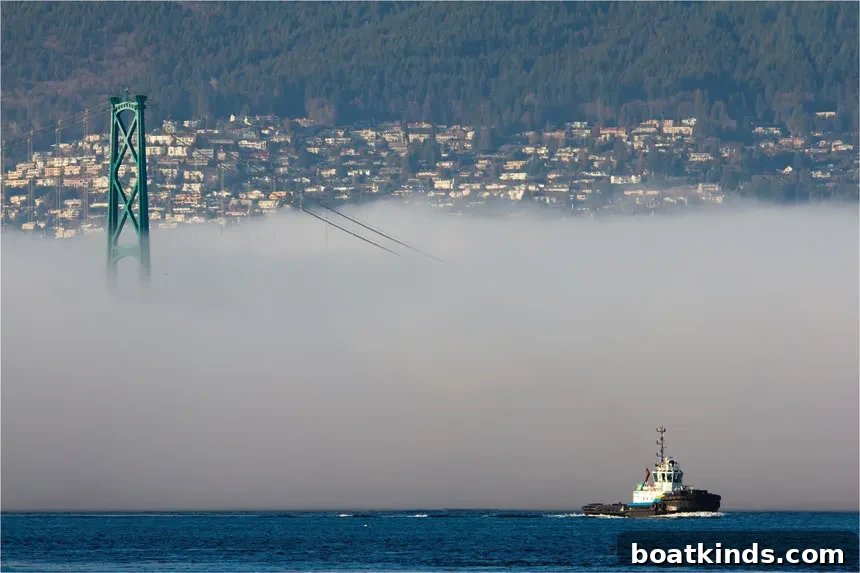
In maritime operations, transitions—changes in people, equipment, environment or plans—are frequent and often benign. But when transitions are mishandled or occur simultaneously, they can erode situational awareness and lead to serious accidents. The following incidents illustrate how easily awareness can be lost during routine changes.

March 2006, British Columbia: The ferry Queen of the North was on a routine run when the mate and the helmsman failed to execute a planned course change. The mate, believing a larger correction was needed, ordered a more aggressive maneuver to compensate. An unfamiliar steering system had recently been installed, and the helmsman could not switch from autopilot to manual control in time. The vessel struck an island and sank, with tragic loss of life.
July 2001, Ohio River: The towboat Elaine G was underway during a watch change as dense fog moved in before dawn. In the brief interval required to hand over watch duties, neither officer noticed a small recreational boat ahead, and the people on the smaller vessel did not realize traffic had increased. The Elaine G struck the recreational boat, killing all six on board.
August 1993, Tampa Bay, Florida: The tug Seafarer was pushing a jet-fuel barge inbound just before daybreak. The officer on watch initially informed a slower vessel that he would not overtake, but moments later the captain assumed the watch and ordered full ahead to pass. At the same time, an outbound ship transferred control to a harbor pilot, one mate relieved another, and the pilot became engaged in a radio call. All three vessels collided in a channel bend; the jet fuel ignited, wheelhouse windows were blown out, and an outbound ship was driven ashore to avoid sinking.
These events rarely have a single cause. What they share is a common thread: multiple transitions—of watch, responsibility, equipment and environment—fragmented the situational picture for experienced mariners and reduced their ability to respond effectively.
What Situational Awareness Means
Situational awareness is the process of perceiving what is happening around you, recognizing which developments matter, and deciding on an appropriate course of action. It requires constant reassessment. Fatigue, distraction and complacency are familiar threats, but transitions create a different, often subtler, risk: they spread attention thin, scramble priorities and make it harder to bridge the gap between what was happening and what is happening now.
Common Transition Hazards
The maritime environment is rich in transitions. Recognizing where these shifts can diminish awareness helps crews manage them before they become dangerous. Key areas to watch include equipment changes, visibility shifts, twilight, weather and unfamiliar or busier waters.
Equipment
Upgrading navigation gear is appealing; new devices promise better performance. But the familiarity you have with existing equipment—its buttons, quirks and limitations—creates a form of muscle memory and efficiency. New equipment, even when superior, often requires a learning curve. In stressful or time-critical situations, fumbling with unfamiliar controls can erode overall awareness. When you install or replace essential gear, spend time training and practicing with it before relying on it under pressure.
Visibility
Fog, darkness and changing sea states force a heavier reliance on instruments such as radar, chart plotters and depth sounders. While these tools are invaluable, switching from visual cues to screens and digits can cause a lag in awareness and lead to missed developments. Likewise, when visibility improves, lingering at the screen instead of scanning the horizon can cause you to overlook important visual information. On radar specifically, settings that are appropriate for clear conditions will be degraded by rain or choppy seas unless rain and sea suppressions are enabled; conversely, suppression settings reduce sensitivity when conditions clear. Operators must adjust systems promptly as conditions change.
Twilight
Dawn and dusk present unique challenges. The human eye relies on cones for daylight and rods for low-light vision. During twilight, vision transitions between these systems, reducing color perception and depth judgment and making it harder to detect and range objects. Console and instrument lighting also require adjustment—dim enough at night to preserve night vision, but bright enough by morning to read displays—so remember to alter display brightness as light changes.
Weather and Plans
Weather changes force plan adjustments. A well-considered Plan A accounts for anchorage, wind, daylight, tide, current and under-keel clearance. Plan B rarely receives the same scrutiny, and adopting it can lead to compromises driven by optimism rather than careful assessment. Conversely, clinging stubbornly to Plan A despite worsening conditions is equally risky. Recognizing when to commit to an alternative plan—or to abort and return—depends on accepting that the transition moment has arrived and acting decisively.
Other transitions that can challenge situational awareness include entering unfamiliar waters, moving from open to confined waters, transitioning from low-traffic to high-traffic areas, and sailing with passengers or crew who are unfamiliar with the vessel, procedures or terminology. Each change is manageable, but only if those involved respect how transitions affect attention and decision-making.
In short, transitions are a normal part of boating. The difference between routine and disaster often comes down to anticipating changes, communicating clearly during handovers, practicing with new equipment, and staying alert to how environmental shifts influence perception. Keep your head in the new game before it leaves you behind.
This article originally appeared in the September 2018 issue.