
John Condon paused to confirm the figures. At first glance it seemed almost unbelievable that calls to TowBoatU.S. for on-water assistance rose by 43.9 percent in just two years. Yet the numbers were real. In 2020, as the coronavirus pandemic prompted a surge in boat purchases not seen in over a decade, TowBoatU.S. recorded a 20 percent increase in assistance requests compared with 2019—more than 81,000 dispatches that year, the biggest year‑over‑year rise in the company’s history.
This upward trend continued into 2021. In May alone, TowBoatU.S. logged a 21 percent increase in help requests compared with May 2020. With activity from January through April included, the company projected it could reach 100,000 dispatches for the first time, with roughly 80 percent of those occurring during the summer months.
“The Covid pandemic created this environment,” says Condon, vice president of towing services for BoatU.S. “It has rejuvenated boating in general. Whether you’re a new boater or you’ve been on the water for 30-plus years, interest is high from both ends.”
TowBoatU.S. isn’t alone. Joseph Frohnhoefer, CEO of Sea Tow Services International, reports a 34 percent increase in assistance requests in 2020, with calls still rising—about 10 percent higher so far in the current year. More boaters are expected to be out on the water this season as people and organizations look to make up for events and outings missed the previous year. “I just spoke with a franchisee in Cape Cod,” Frohnhoefer said in late May. “They’re running a sailboat race twice this year after skipping it last year. I think we’ll see a lot of folks making up for lost time.”
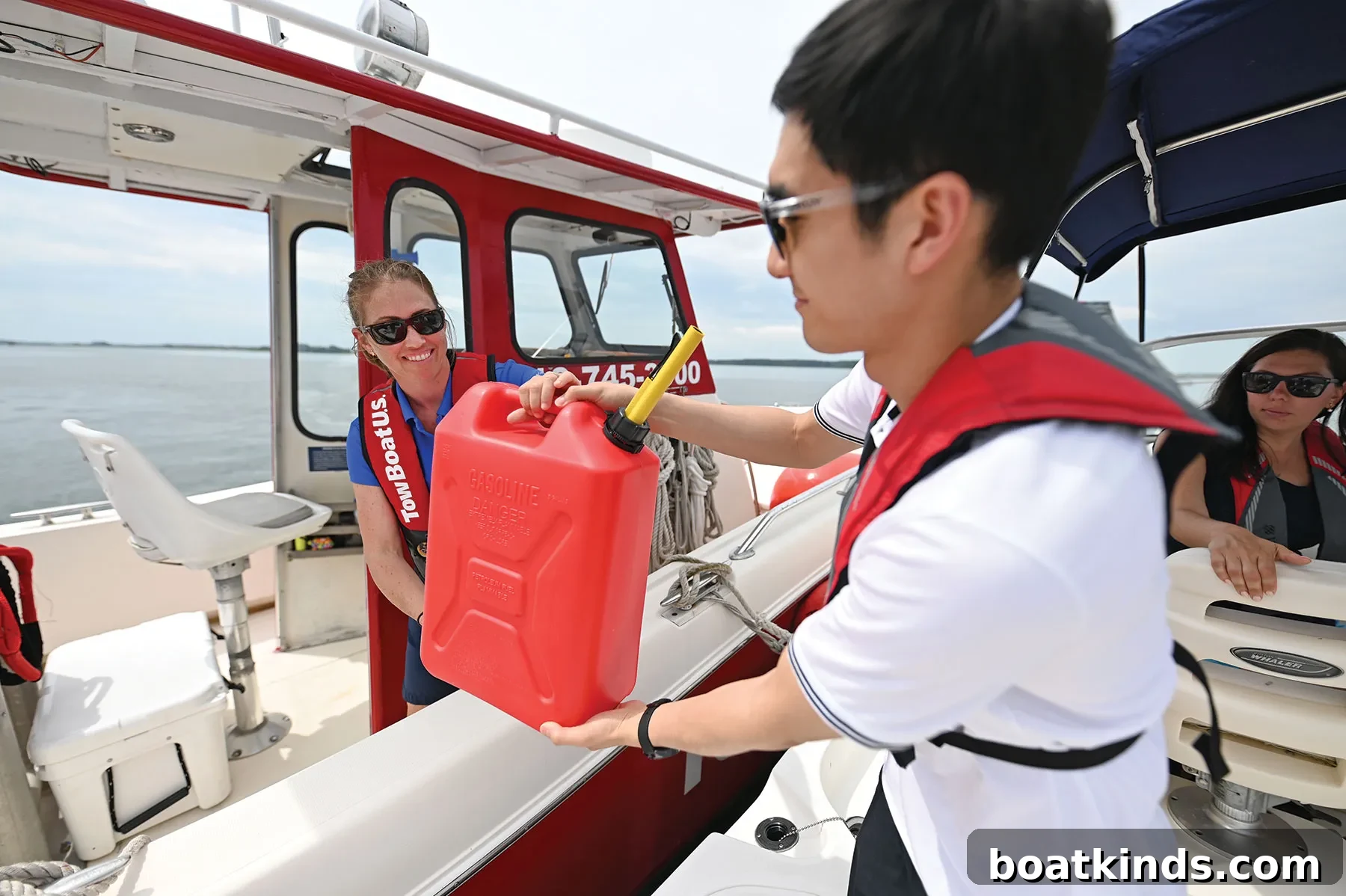
Both TowBoatU.S. and Sea Tow report that the majority of calls—54 percent and 58 percent respectively—are for mechanical breakdowns. Groundings, dead batteries and fuel deliveries also occur but account for a smaller share of calls, generally between 8 percent and 12 percent. Pinpointing the precise causes of mechanical failures can be difficult, but several recurring factors appear to be contributing.
One frequent issue is incomplete spring commissioning. In the rush to get on the water, some owners cut corners—sometimes running boats on old fuel or skipping checks—leading to avoidable problems during the season. “Some folks are in a rush because they really want to get on the water, and they may skip a couple things,” says Scott Croft, vice president of public affairs for BoatU.S. “Finish your spring commissioning the best you can.”
Supply-chain disruptions and parts delays make proper maintenance harder this year. Frohnhoefer notes that replacement parts can take weeks or months to arrive, and even after parts are delivered, technicians may be in short supply to perform repairs. Like many other industries, marinas and towing franchises are feeling the effects of labor shortages—seasonal operations often struggle to staff up, particularly in northern regions where employees are hired only for part of the year.
Both towing services urge boaters to take steps that reduce their own risk and help tow crews work more efficiently. Having an active on‑water assistance membership with current contact and vessel details on board speeds response times; members are typically prioritized and their information is already in the system. BoatU.S. and Sea Tow also provide mobile apps that help callers identify their precise location—latitude and longitude—and connect with local captains.
Using the BoatU.S. app can sometimes bypass a dispatcher altogether, routing help directly to a nearby towboat, Condon says. “The easy ones, we can send directly to the tower,” he explains. “We have extra staff for the call volume, but if you use the BoatU.S. app, that really helps us.”
Frohnhoefer recommends that newer boaters first determine whether they truly need a tow. Modern boats sometimes enter a reduced-power “safe mode” when sensors detect an issue; in many cases the vessel can still be operated safely under those conditions. “We get a lot of calls from people thinking they need a tow, but they don’t,” he says. “The boat is saying something is wrong, but it’s safe to operate under these conditions.”
Experienced boaters can prepare by practicing operating with one engine or with reduced power, learning how their boat responds and how far they can reasonably travel to a safe harbor. “It’s OK that you don’t go as fast or that your engine hours are different. You can still get home, or at least move closer,” Frohnhoefer advises.
Boaters should also set realistic expectations for wait times. Help may take an hour or more to arrive, and “longer” becomes a special concern in late-afternoon peak periods—roughly 3 p.m. to 5 p.m.—when several boats call for assistance at once, particularly on holidays and weekends. Frohnhoefer calls it “the witching hour.” In those situations, tow crews prioritize true emergencies first, while non-emergency issues like dead batteries or needing a fuel top-off may require a longer wait.
When stranded without immediate risk, stay calm, anchor if needed, conserve supplies, and make sure everyone on board has water and snacks. Recognize that on‑water assistance providers are handling unusually high volumes and doing their best to help every boater safely and efficiently.
This article was originally published in the August 2021 issue.