
Lake Tahoe Marina Installs First Marine CCS Electric-Boat Charger in the U.S.
In mid-May, Homewood Resort’s marina at Lake Tahoe became the site of a milestone for electric boating: the installation of what appears to be the first marine CCS (Combined Charging System) rapid-charging station in the United States. The installation drew excitement from industry insiders, including Sean Marrero, president of Ingenity Electric, who believes the station could set a standard for waterfront charging across the country.
“I think it’s the first marine CCS charger that’s anywhere in the U.S. It’s the first one that I’m aware of,” Marrero said. “It’s showing you what’s to come.”
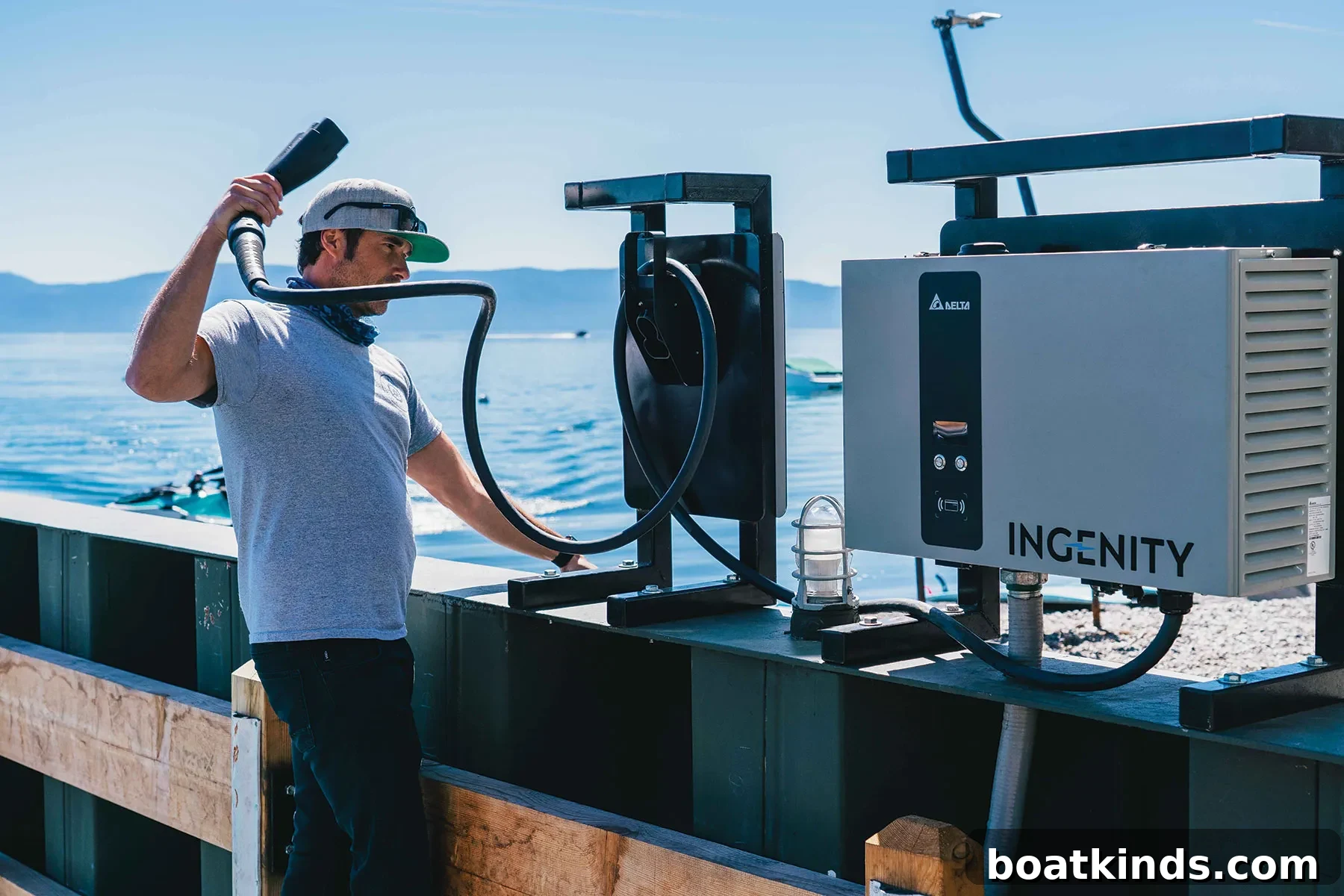
CCS is a widely adopted rapid-charging standard in the automotive industry. It uses a connector type that enables much faster charging than a conventional shorepower plug—meaning boats equipped to accept CCS can recharge quickly and get back on the water the same day, rather than charging slowly overnight. Several major automakers have standardized on CCS for electric vehicles, and Ingenity chose CCS for its marine application to avoid developing a proprietary charging system.
The marine industry is only beginning to build electric boats intended for broader, mass-market appeal. Electric boats have been around for decades in limited niches: Duffy Electric Boats has produced small slow-speed leisure craft since the 1970s, and companies such as Vision Marine Technologies and Hinckley Yachts have introduced electric models over the years. More recently, Swedish builder Candela has rolled out high-performance foiling electric boats like the C-7. Despite these advances, widespread charging infrastructure for marine CCS has not yet materialized—creating a classic chicken-and-egg challenge for manufacturers and marinas alike.
Ingenity is part of Watershed Innovation, a division founded by Correct Craft in 2018 to accelerate marine-focused electrification technologies. Under the Ingenity brand, introduced in 2020, the team’s goal has been to bring high-power electric drives to watersports boats, preserving the ride and performance people expect while eliminating combustion exhaust and noise.
The company’s first production model, the Super Air Nautique GS22E, mirrors the gas-powered Super Air Nautique GS22 in speeds and wake performance, according to Marrero. The electric version is designed to deliver about two to three hours of run time—enough for the majority of typical watersports sessions, Ingenity’s research indicates—and to reproduce the same handling and feel as the gas boat, while being quieter and emission-free.
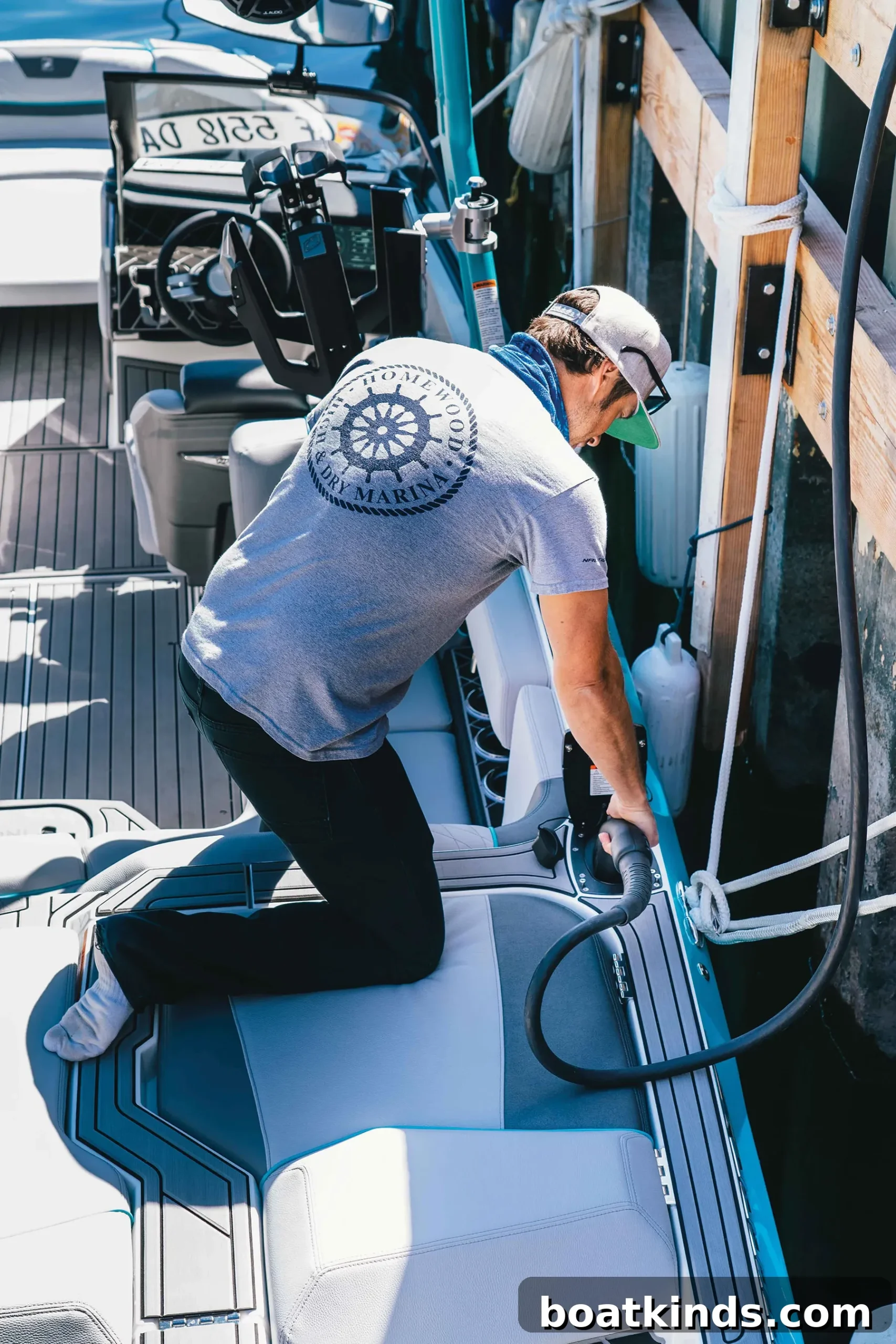
To support practical, fast recharging in a marina environment, Ingenity equipped the GS22E with an onboard CCS charger. That decision led the company to work with Homewood Resort’s marina to install a dockside CCS station so potential owners and the public could experience the boat and the charging system first-hand. The demonstration setup is being presented as the Ingenity Experience.
David Topol, director of the marina, noted the collaboration had been years in the making. “We have been working with the Ingenity team on this project for over three years,” he said in a press release. “It’s exciting to see this project come to life and provide an electric boat experience at our location this summer.”
The Ingenity Experience offers groups of six the chance to ride in the Super Air Nautique GS22E with a captain and wake-sports coach onboard. Local partners provide coaching and sales information: Tahoe Surf Company handles coaching while Superior Boat Repair & Sales offers ownership guidance. Marrero confirms the electric model currently sells for about twice the price of the gas version, a cost many buyers offset with the convenience and environmental benefits of electric propulsion.
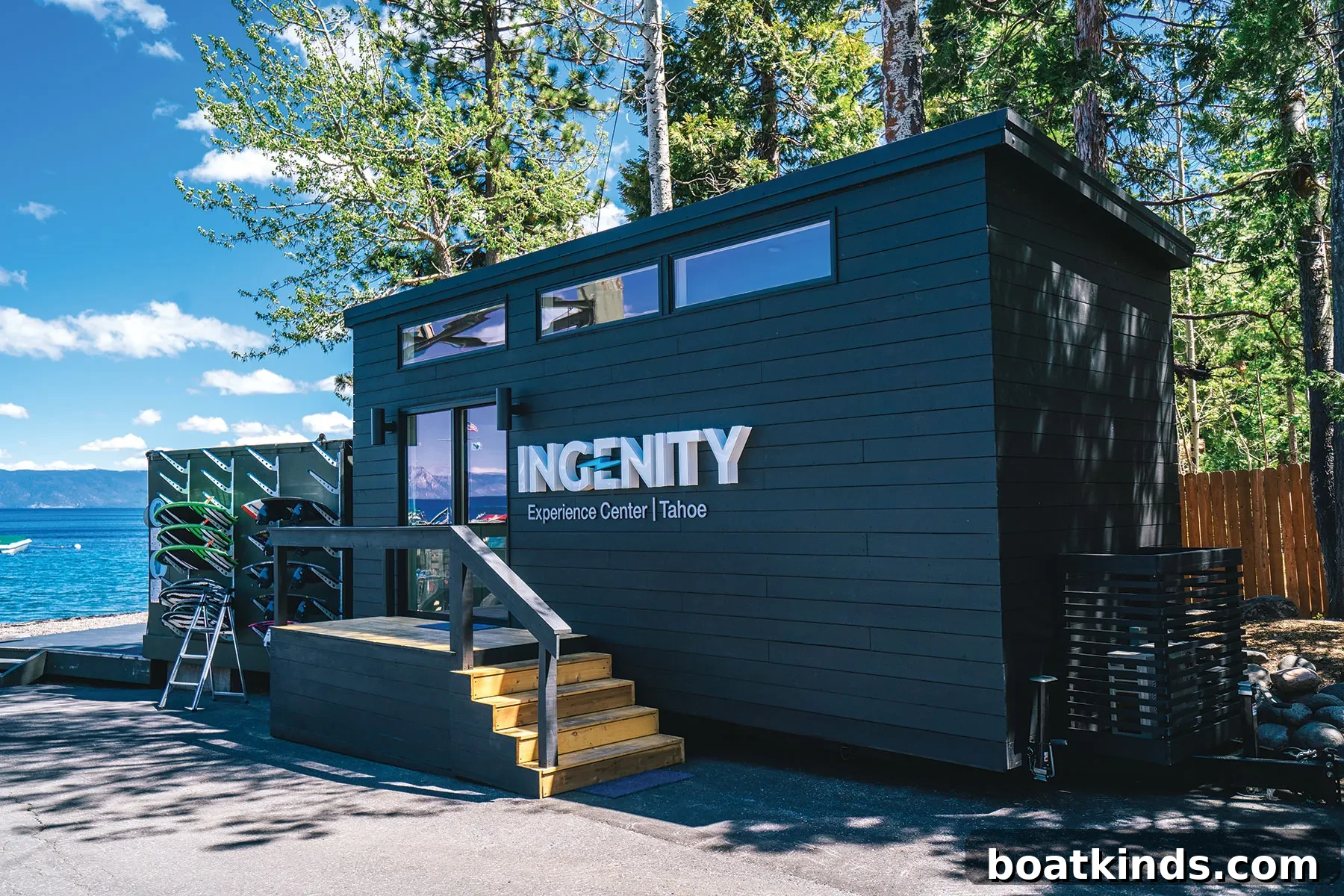
Visitors who ride the GS22E and see the CCS charging station often highlight convenience as a key advantage. “You don’t have to take it anywhere to gas it up, you don’t have to haul gas cans, you’re never spilling gas into the water—all of that goes away,” Marrero said.
Marina owners weighing the addition of CCS infrastructure must evaluate several factors. Many boaters who choose electric boats install private CCS chargers at home, but marinas considering public or guest charging need to consider demand, permitting timelines and electrical capacity. Local approvals can take months, and marinas may need to upgrade dock wiring or the main service to the property to support rapid charging. While the GS22E can charge on as little as 240 volts and 30 amps of AC—compatible with many shorepower setups—that level of power results in a slower charge. For quicker top-offs or multiple simultaneous fast charges, significantly more capacity may be required, as the GS22E can accept up to 90 kW for faster charging sessions.
There are also potential revenue opportunities for marinas that invest in charging hardware. Modern charging stations can include RFID readers and payment processing so operators can charge fees for premium or rush charging—turning infrastructure into either an amenity or a revenue stream, depending on the marina’s strategy. “The marina has to decide how they view this,” Marrero said. “Is it an amenity to help attract more people, or a business play to make an investment and get a return? Or it could be some combination of both.”
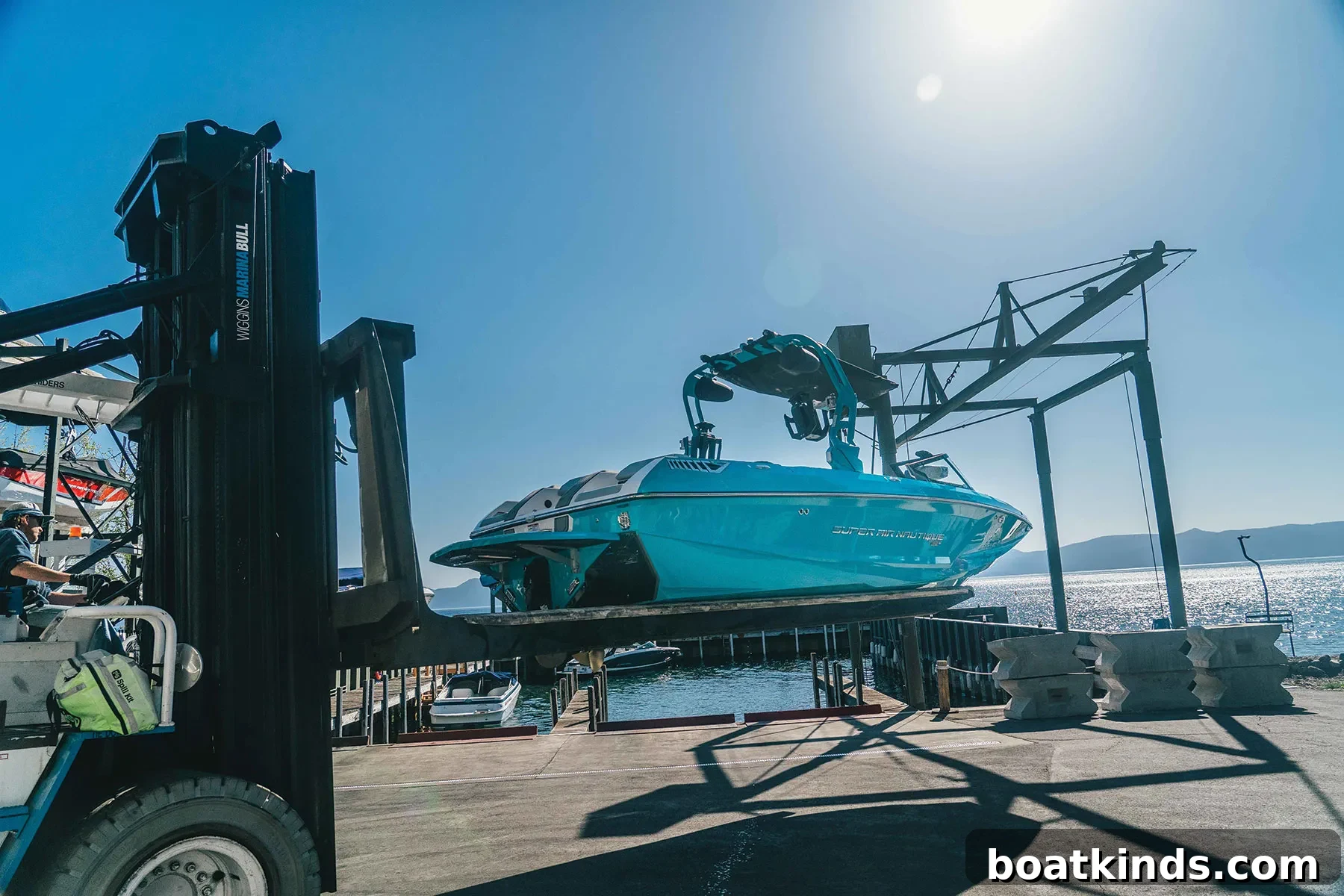
Ingenity says it plans to help other marinas replicate the Lake Tahoe model. “We want to scale this model to other locations,” Marrero said, noting that broader charger availability is essential to wider boat sales: “If there’s not a place to charge the boat, we can’t sell the boat, so we have an interest in solving that problem in key markets.”
This article was originally published in the August 2021 issue.