
Strong’s Marine Yacht Storage Expansion in Mattituck Sparks Local Opposition
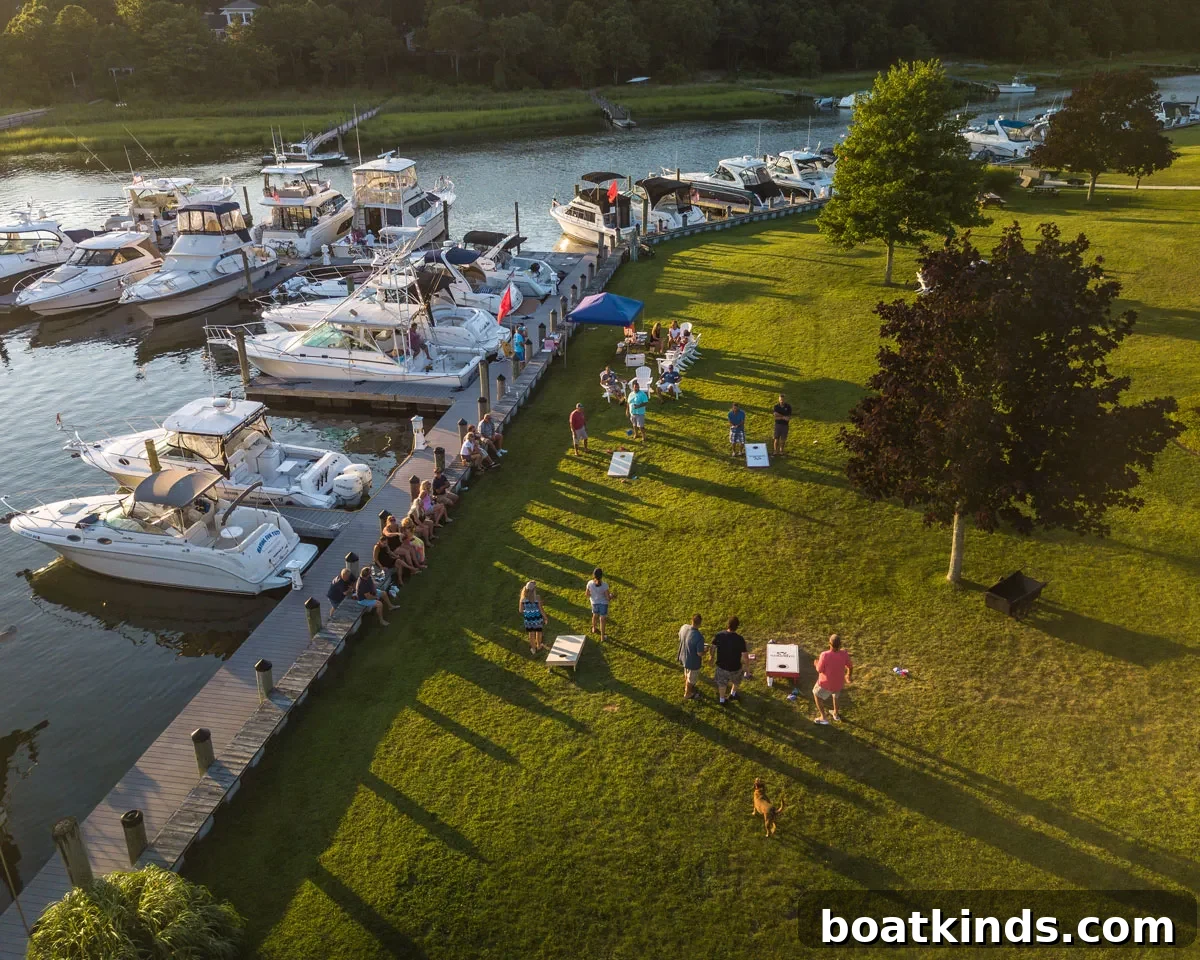
Strong’s Marine, located in Mattituck on the North Fork of Long Island, has announced plans to expand its yacht storage facilities. The proposed project would require the removal of roughly 600 trees and the relocation of millions of pounds of sand to clear and grade the site for additional dry storage. While the company says the expansion will increase storage capacity and support local marine services, the plan has provoked vocal opposition from residents and environmental advocates.
Project details and scope
The expansion proposed by Strong’s Marine is intended to add space for additional yachts and trailers, addressing perceived demand for winter and off-season storage on the North Fork. To create the necessary footprint, the company plans significant site work, including tree removal and earthmoving to reshape and stabilize the parcel. Those physical changes are central to the controversy, since they alter the character of the property and affect nearby natural areas.
Community response and petition
Local residents have organized in response to the plan, arguing that the expansion will harm the surrounding environment and change the rural, coastal character of the neighborhood. Community groups and environmentalists have circulated a petition opposing the project; organizers report collecting approximately 3,000 signatures from neighbors and concerned citizens. Petitioners say the expansion primarily benefits boat owners from outside the immediate area who need storage, rather than the local community, and will place additional pressure on nearby natural resources.
Environmental concerns
Opponents point to several potential environmental impacts. Removing a substantial number of trees can reduce habitat for birds and small mammals, fragment green corridors, and lessen the site’s ability to absorb stormwater. Moving millions of pounds of sand and regrading the land can change drainage patterns, increase runoff, and raise concerns about erosion and sediment entering nearby wetlands or coastal systems. Residents have also expressed worry about noise, light pollution, and increased traffic associated with a larger storage operation.
Local environmental advocates emphasize the proximity of a nature preserve near the project site. Although the project footprint does not necessarily extend into the preserve itself, neighbors say changes on adjacent properties can have cascading effects—altering hydrology, introducing invasive species during construction, or disrupting migration and feeding patterns for wildlife that use both the developed parcel and the preserve.
Regulatory review and possible outcomes
Developments of this scale normally require municipal approvals, building permits, and sometimes environmental review or mitigation measures. Opposition from residents and environmental groups can influence the scope of permitting, prompt additional studies, or lead to negotiated modifications to reduce impact—such as preserving larger tree buffers, limiting site grading, or implementing stormwater controls. The exact regulatory pathway and timeline depend on local zoning, county environmental rules, and any state-level requirements that apply to coastal or wetland-adjacent work.
Next steps and community engagement
At present, the dispute centers on balancing the business interests of Strong’s Marine with community and environmental priorities. Neighbors have mobilized petitions and public comment to make their concerns known to town officials and planning boards. Those opposed to the expansion are urging local authorities to thoroughly review potential environmental impacts and to consider alternatives that would protect nearby natural areas while addressing the marina’s operational needs.
Supporters of the expansion argue that enhanced storage capacity could support the local marine economy by providing jobs and services for boat owners, while opponents counter that long-term environmental costs and changes to the character of the North Fork should weigh heavily in any permitting decision.
For additional context, the project and community response have been reported in regional and national outlets, which have documented the competing perspectives between the marina’s operators and local residents. The coming weeks and any public planning hearings will be key in determining whether the proposal proceeds as planned, is scaled back, or is modified to address environmental and neighborhood concerns.