
WHAT WE’RE READING
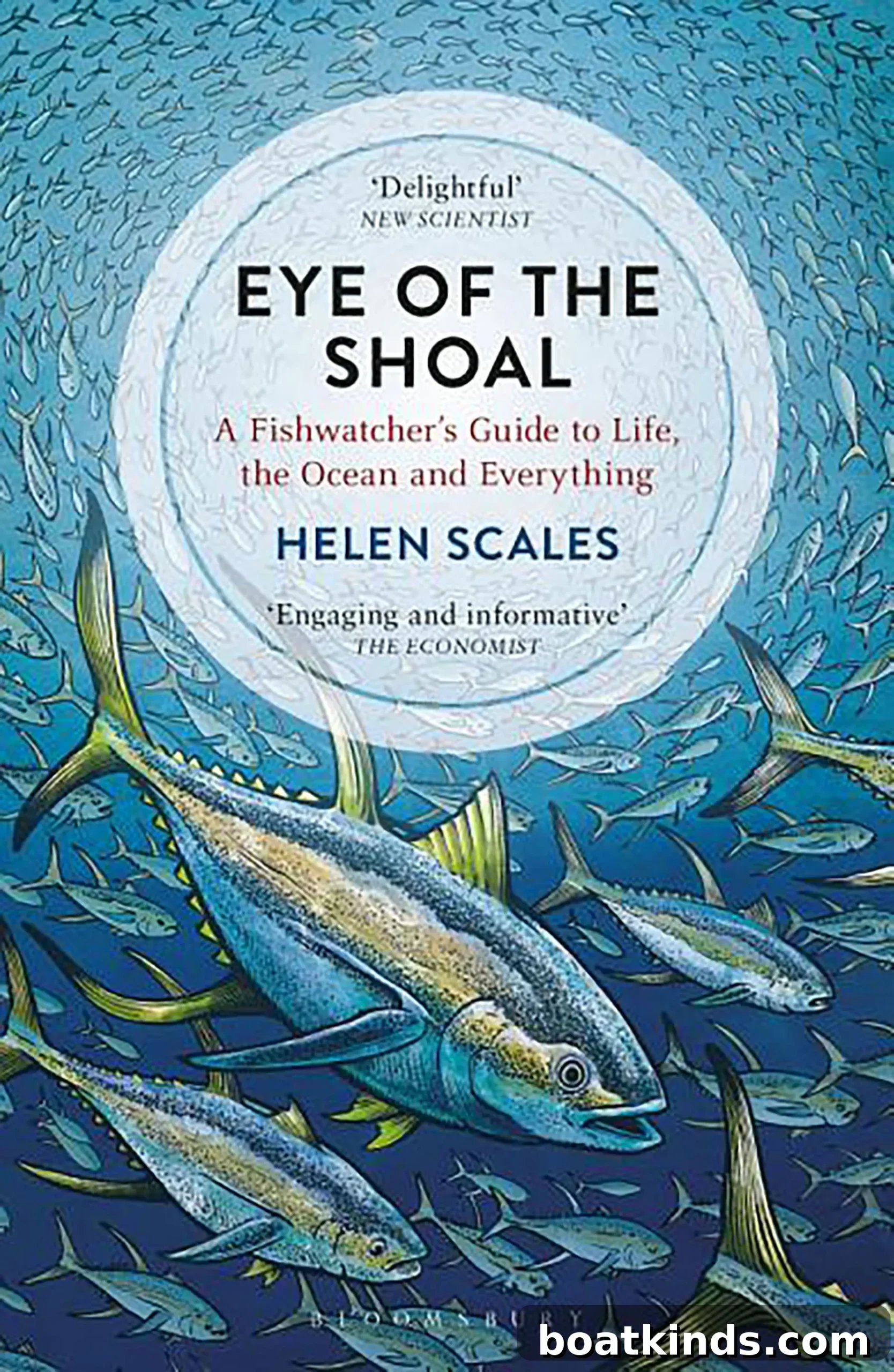
Sounds Fishy
There are roughly 33,600 fish species inhabiting the world’s oceans, rivers, lakes and estuaries. Some look familiar, while others seem almost otherworldly. In Eye of the Shoal: A Fishwatcher’s Guide to Life, the Ocean and Everything, author Helen Scales introduces readers to a diverse cross-section of these finned animals and explains how their behavior, biology and social lives complicate the simplistic idea of fish as merely scaled or slimy creatures. Scales blends natural history with storytelling to reveal surprising traits—how fish communicate, navigate, court and cooperate—and she highlights the hidden everyday work of being a fish.
This is not a dry field guide but a readable exploration that invites both casual readers and nature enthusiasts to pay closer attention to the watery world. Scales’ affectionate, observant tone helps demystify marine life while underscoring the ecological importance of fish in ocean and freshwater systems. If you enjoy books that blend science, natural history and approachable writing, this title offers engaging insight into the lives beneath the surface. (Bloomsbury Sigma)
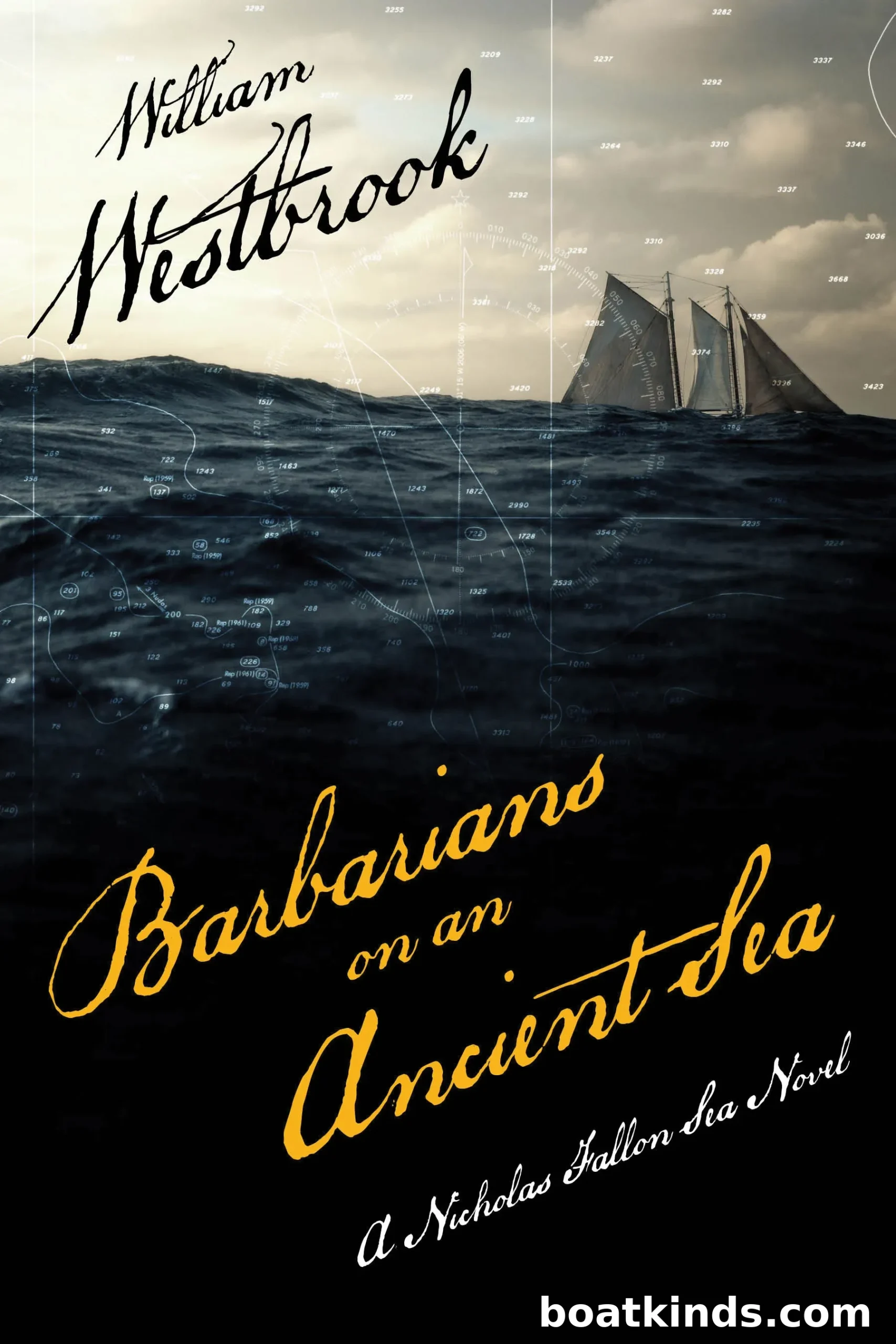
A Salty Novel
William Westbrook’s Barbarians on an Ancient Sea plunges readers into a high-seas tale of privateering, political intrigue and naval adventure. Capt. Nicholas Fallon and his crew aboard the British privateer Rascal confront brutal storms and life-or-death decisions while rescuing a stranded cod fisherman who brings news of ransom, kidnapping and barbarous behavior by Barbary pirates. The novel follows the crew as they navigate international tensions, political maneuvering and the rough justice of the age, moving between action at sea and the broader context of diplomacy and power.
The story delivers classic maritime drama—sea battles, narrow escapes and the camaraderie of a ship’s company—while portraying the era’s complexities. Fans of historical nautical fiction will find vivid scenes of command decisions, skirmishes and the unpredictable nature of life at sea. The book reads as both an adventure and a study of how sailors confront external threats and internal moral choices. (Mcbooks Press)
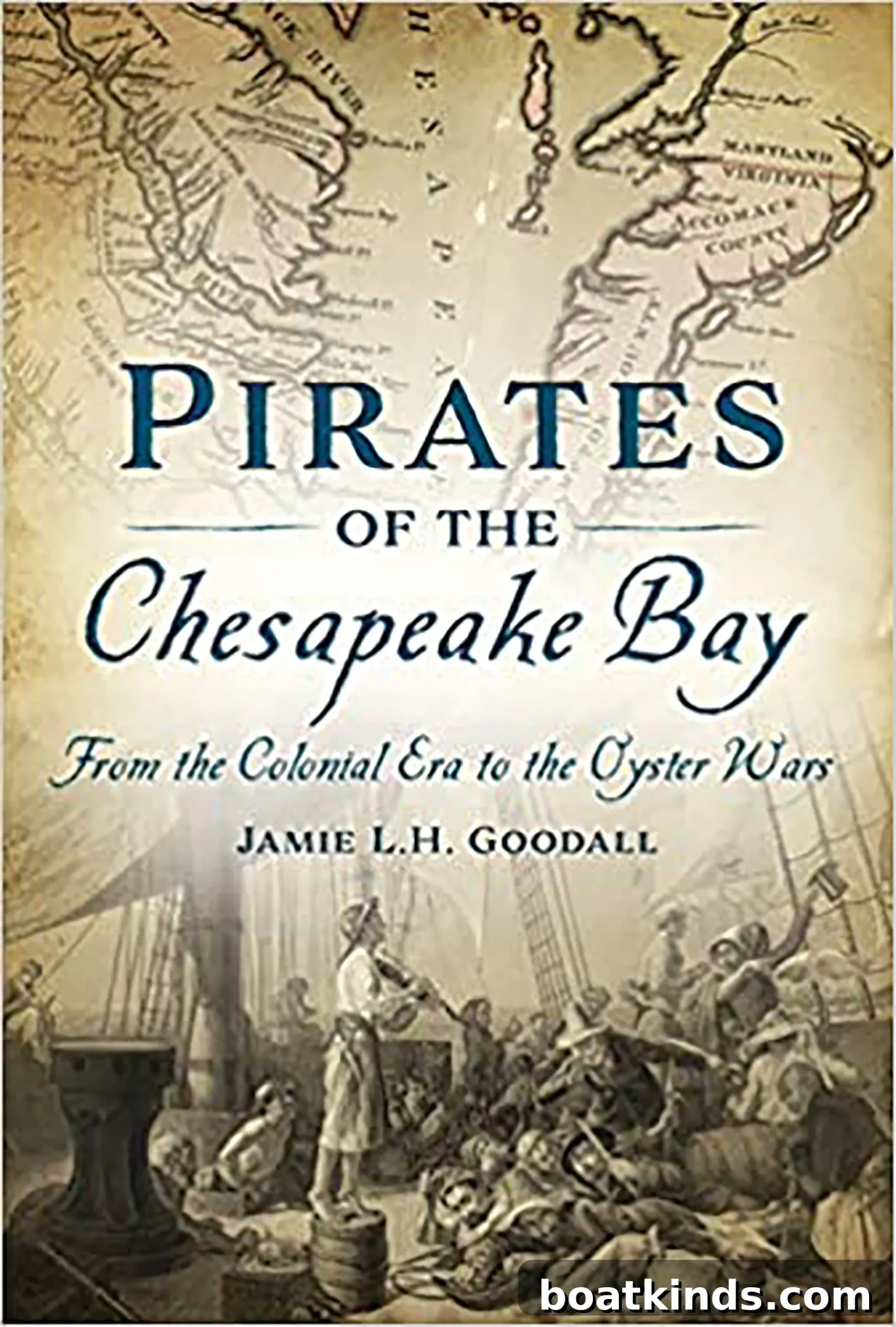
Avast Ye!
The Chesapeake Bay is often celebrated for its scenic cruising grounds, productive fisheries and tranquil coves, but like many coastal regions it has a surprising history of raiding and privateering. In Pirates of the Chesapeake: From the Colonial Era to the Oyster Wars, Jamie L. H. Goodall documents the Bay’s lesser-known episodes of piracy and maritime conflict. Instead of focusing solely on the famous names often associated with ocean piracy, the book profiles local figures whose actions shaped the region’s waterways and coastal communities.
Goodall provides context for when and why piracy flourished in Chesapeake waters, describes the social and economic conditions that enabled raiders to operate, and traces key confrontations and legal responses over time. The narrative moves between colorful biographies, timeline detail and descriptions of the places where this maritime lawlessness took hold. For readers interested in regional history, coastal culture, and the human stories behind maritime legend, this book offers a clear, well-structured account that brings Chesapeake Bay piracy into sharper focus. (The History Press)
WHAT WE’RE LISTENING TO
U.S. Naval Academy’s Preble Hall
Preble Hall is a naval history podcast produced by the United States Naval Academy Museum in Annapolis, Maryland. Each episode features interviews with historians, practitioners, military personnel and subject-matter experts who explore naval history from ancient times through modern conflicts. Recent topics have included the USS Kirk and the evacuation of Saigon, the cultural history of naval tattoos, the Somers Mutiny and the founding of the U.S. Naval Academy, and examinations of ancient maritime powers.
Episodes are designed for listeners who appreciate well-researched storytelling and thoughtful discussion about naval heritage, maritime strategy and life at sea. The format mixes expert commentary with archival context, making it appealing to maritime history enthusiasts, students and anyone curious about how naval events shaped broader historical developments. The podcast is available through the Naval Academy Museum’s audio channels and outlets affiliated with the institution.
Trawler Talk
From PassageMaker magazine comes Trawler Talk, a podcast centered on trawler yachts, offshore cruising and life aboard displacement-style vessels. Hosted by PassageMaker’s Editor-in-Chief Andrew Parkinson, the series brings together industry experts—from weather forecasters and electronics specialists to seasoned cruisers and marine consultants—to discuss practical topics that matter to trawler owners and prospective buyers.
Recent conversations examine boat classification, systems selection, route planning and weather routing, and they also cover the real-world challenges of long-distance cruising. With a mix of technical insight and hands-on experience, the podcast helps listeners make informed decisions about vessel choice, outfitting and passagemaking. Episodes are suitable for boatowners, recreational mariners and anyone interested in the practical side of extended cruising on the water.