
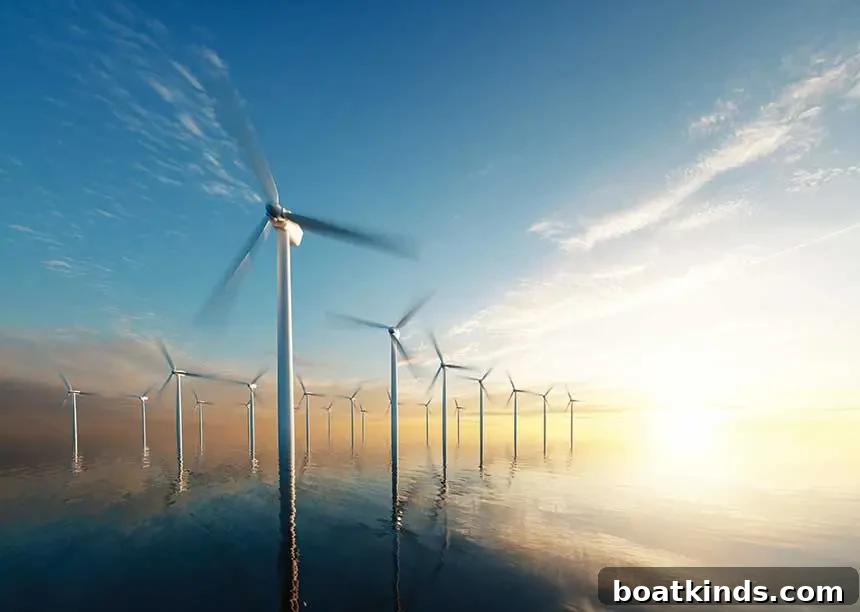
About 15 years ago, Tom Fote welcomed the Jersey Coast Anglers Association’s early support for offshore wind in New Jersey. As the association’s legislative director since 1992, Fote has long been the voice for recreational anglers, navigating the complex meetings and competing interests that accompany renewable energy planning. Back then, wind power looked like a clear improvement over the air and water pollution coming from coal-fired plants in Pennsylvania and Ohio, which contaminated New Jersey waterways and harmed fish populations.
At the time, wind also seemed preferable to nuclear options being considered as an alternative to coal. Proposals for nuclear plants included cleaning systems that could flush pesticides and chlorides into waterways—further threats to marine life. Wind power, proponents argued, offered a cleaner path for the future of fishing and coastal communities.
Now that large-scale offshore wind is becoming a reality, Fote and many in the fishing community are more cautious. In June, the New Jersey Board of Public Utilities approved a multinational company’s proposal for what would be the largest offshore wind farm in the United States: Ocean Wind, a 1,110-megawatt project roughly 15 miles off Atlantic City with expected construction in 2022 or 2023 and power delivery beginning in 2024. The site falls directly along major migratory routes used by striped bass, bluefish, tuna, sea bass, summer flounder, menhaden and numerous other species that move up and down the East Coast each spring and summer.
“These are the consequences of good intentions,” Fote says. “Wind turbines are renewable and do not pollute lakes and streams like fossil fuels do. But they will have ecological impacts.”
Federal and state governments, responding to public demand for cleaner energy and climate mitigation, are rapidly advancing offshore wind as a core strategy. The Bureau of Ocean Energy Management has set lease areas from Massachusetts to North Carolina—many located inside long-established fish habitat and migration corridors. More approvals are expected, including another lease off New York.
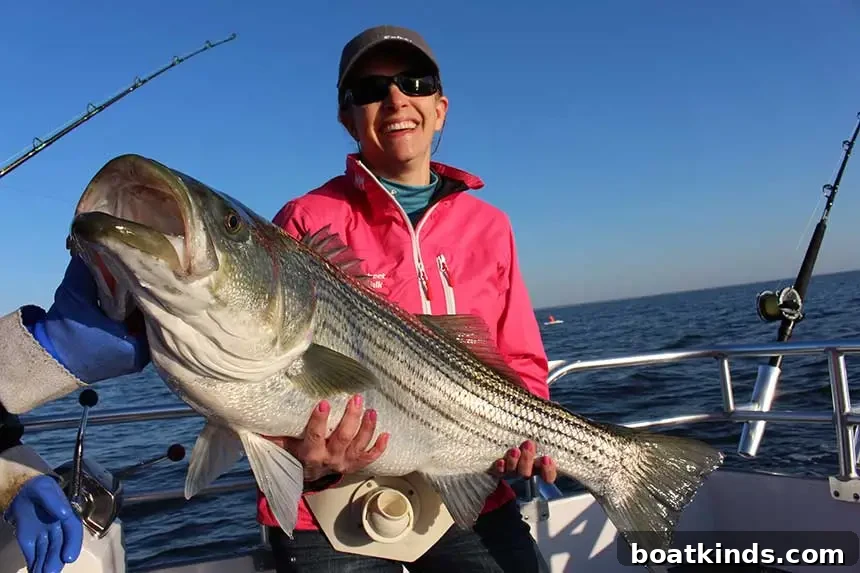
Anthony Logan, a senior analyst for wind at Wood Mackenzie Power & Renewables, notes that each lease block could accommodate roughly 200 turbines, and modern machines are vastly larger than earlier models—often taller than 60 stories. Larger turbines lower the per-megawatt cost of production, and because offshore installations are expensive to build and maintain, developers favor bigger units.
These turbines are typically mounted on fixed foundations rather than floating platforms, which remain an emerging technology. That limits construction to shallower waters—generally no deeper than about 200 feet—making coastal areas along the densely populated Boston-to-Baltimore corridor particularly attractive because they combine favorable seabed depth with large local power demand.
“Between 2021 and 2024, it’s going to be kind of a gold rush,” Logan says. He expects rapid deployment across multiple states. But fishermen and coastal communities ask for more deliberate study—time to assess and mitigate potential impacts on marine life, fisheries access and traditional livelihoods.
In New Jersey, Fote points out, comprehensive data on recreational fisheries are scant. The most thorough state study dates back to 1952. For the Ocean Wind lease area, basic seabed mapping and habitat surveys are incomplete. Without a clear baseline of what currently lives on the bottom, it is difficult to predict how construction, turbine foundations, cable installation and operational activity will alter local ecosystems or what remediation and compensation might be required.
“We haven’t mapped those areas,” Fote says. “We need a baseline study so that five or 10 years from now we can measure what changed and determine what mitigation or compensation is necessary.”
The scale of offshore wind development brings corporate and governmental power to the forefront. Ørsted, the Danish firm that won the Atlantic City lease, operates internationally and represents a level of capital that dwarfs regional fishing interests. While recreational and commercial fishing combined with the boating industry contribute roughly $4 billion a year to New Jersey’s economy and include hundreds of thousands of anglers, these stakeholders often compete with multinational companies and state policies that prioritize rapid clean-energy deployment.
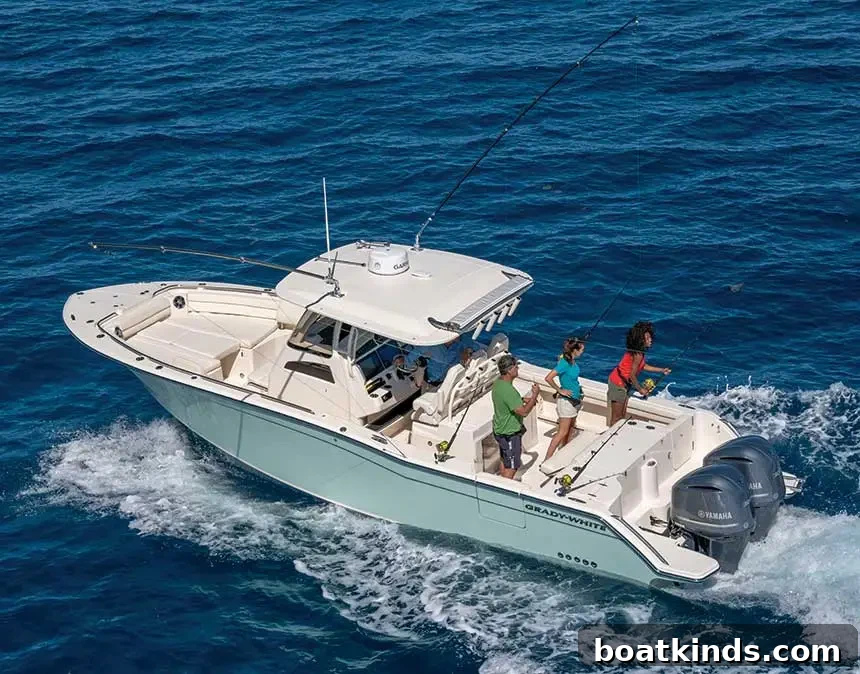
Resistance from the fishing community is a notable difference on the U.S. East Coast compared with many European waters where offshore wind is already established. In Rhode Island, for example, a fisheries advisor warned that turbine arrays could create hazardous navigation conditions for small-boat fishermen. Developers entering the U.S. market are still learning how recreational fishing operates here and how to balance infrastructure goals with access and safety concerns.
Fote and others point to past coastal projects that had unintended consequences for fish habitat. New Jersey’s beach replenishment efforts, which moved submerged sand to shorelines, removed many underwater lumps and structures that had served as long-standing fish habitat. “We destroyed almost every lump in New Jersey,” Fote says—historic fishing areas that supported species for generations.
Anglers’ concerns about Ocean Wind include potential changes to migration patterns from electromagnetic fields around cables, loss of access to traditional fishing grounds, and the permanence of towering foundations that will remain in place for decades. At the same time, some effects could be positive: turbine foundations and associated scour protection materials often attract marine life and form artificial reefs, but which species benefit and how fishermen will access those aggregations remain uncertain.
Fote stresses that compensating affected fishermen and creating meaningful monitoring programs are essential. “Some families have fished these areas for 30, 40, 50 years,” he says. “If we’re going to change those grounds, there should be accountability and remedies for the loss of generations of access.”
Because New Jersey sits along major north-south migration routes, changes to local populations could reverberate along the coast—from the Carolinas up to Long Island and Cape Cod. “New Jersey is the center of the migration,” Fote notes. “Impacts here can affect the whole food chain.”
At the same time, he acknowledges the environmental benefits: reduced carbon dioxide emissions, fewer pollutants, and slower ocean acidification. “We’re not drilling off New Jersey for oil,” he says. “These projects will give us renewables. But we need baseline science, monitoring and mitigation so we can understand and limit ecological damage.”
This article originally appeared in the September 2019 issue.