
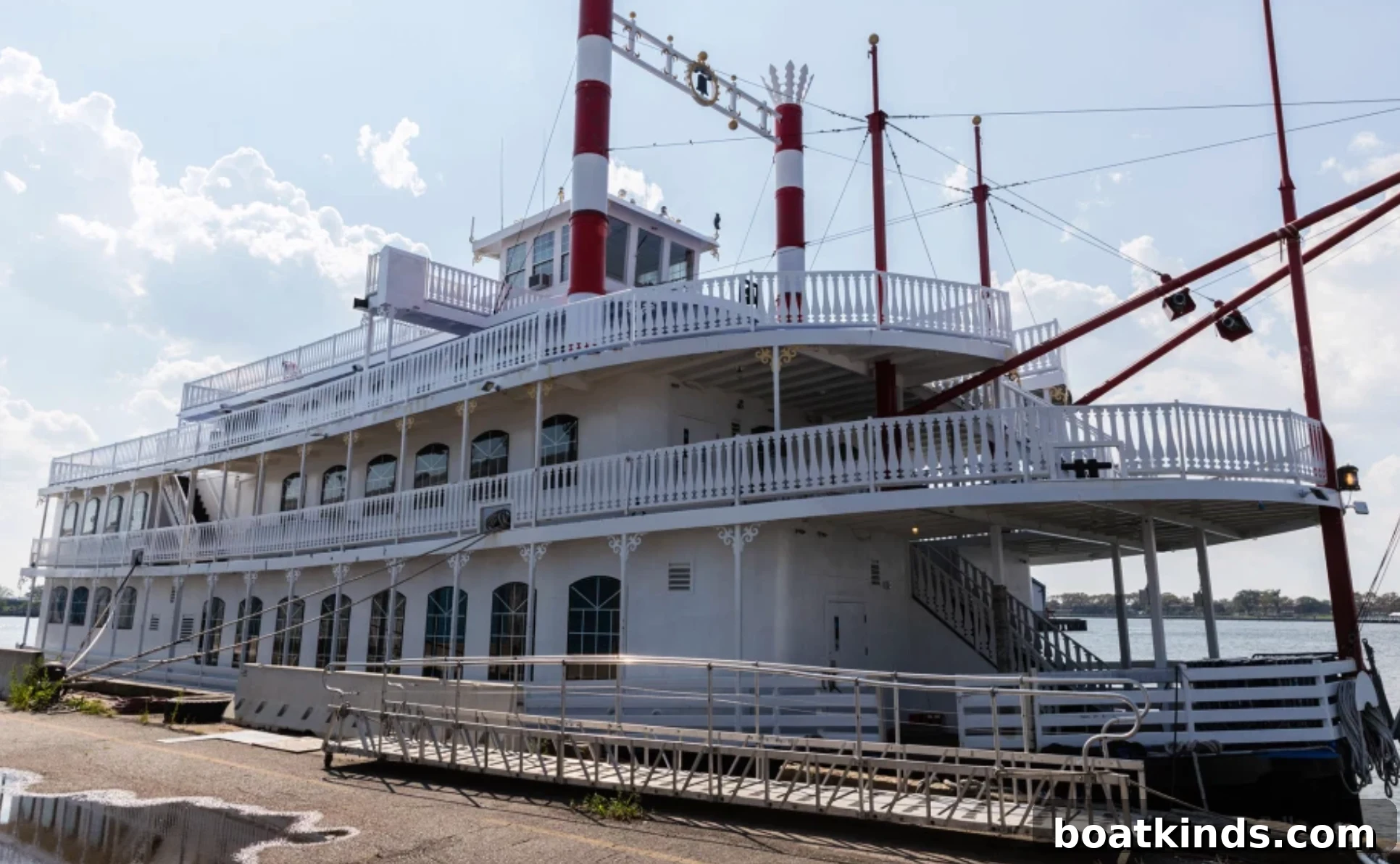
Liberty Belle Party Boat Faces License Denial After Crowd and Safety Concerns
Ronny Vargas and Alex Suazo, owners of the party vessel Liberty Belle, say they followed the rules when they departed Pier 36 one August evening for a private birthday celebration. They presented a 12-page social distancing plan that had been approved by the city agency DockNYC, a police officer conducted an inspection before launch, passengers wore masks while boarding, and they limited the guest list to roughly 170 people — about 25 percent of the vessel’s passenger capacity. Despite those precautions, the outing drew heavy public scrutiny and prompted official enforcement action.
People onshore who saw the boat traveling along the East River filed complaints with authorities. When the vessel returned to Pier 36 at around 11:30 p.m., members of the Sheriff’s Office were waiting. City officials later reported that some passengers were not wearing masks when they returned to the dock and that there was evidence of indoor bar use during the trip. The owners dispute the characterization of the bar’s use, saying it operated on a grab-and-go basis similar to how many land-based restaurants were serving customers at that time.
Following the inspection, Vargas and Suazo were issued five violations by the Sheriff’s Office. Among those citations was an allegation that alcohol was being served after the boat’s liquor license had expired the day before the cruise; the owners note they had applied to renew the license earlier in June. Another citation cited a violation of social distancing protocols. Those enforcement actions came in a fast-moving regulatory and political context during the pandemic, one in which rules and guidance were evolving rapidly.
Complicating the timeline, the State Liquor Authority (SLA) issued clarification several days after the incident stating that the state’s 50-person cap on gatherings applies to boats as well. At the time Liberty Belle set sail, that specific guidance had not been publicly in place, leaving owners who relied on earlier approvals and inspections in a difficult position. The SLA’s later clarification meant that the ferrying of approximately 170 guests exceeded the newly clarified 50-person limit for gatherings.
Governor Cuomo publicly criticized the cruise, calling the outing illegal and a violation of public health precautions and common decency. The incident attracted media attention and fed a broader public debate over enforcement consistency, the pace at which rules were updated, and how businesses and operators were expected to adapt. For the owners, the event and the resulting attention had immediate consequences: state officials moved to deny renewal of the vessel’s liquor license on the basis that the business had demonstrated it would not adequately protect public health.
The dispute highlights several recurring issues that emerged during the pandemic: the challenge of interpreting changing guidance, the responsibility of private operators to anticipate or respond quickly to evolving rules, and how public perception and visible crowds can prompt enforcement even when operators believed they were acting within the law. Vargas and Suazo point to their inspections, DockNYC approval, and pre-existing social distancing plan as evidence of good-faith efforts to comply. Authorities and elected officials, however, prioritized visible public safety concerns and the later SLA clarification when determining enforcement and licensing outcomes.
As enforcement agencies and regulatory bodies continue to refine guidance for gatherings and licensed establishments, operators of boats, restaurants, and event venues face an environment where approvals, inspections, and public complaints can all factor into licensing decisions. For owners like Vargas and Suazo, the denial of a liquor license renewal represents a significant commercial setback as well as a cautionary example of the need to monitor not only existing approvals but also emergent rules and the potential for swift scrutiny.
The case of the Liberty Belle underscores how the intersection of public health policy, regulatory enforcement, and public reaction can rapidly alter the operating landscape for hospitality and event businesses. It also illustrates the legal and reputational risks that follow when officials determine that a business has not met the latest public health expectations, even if the business relied on earlier approvals and inspections.