
Rare Pristine Coral Reef Discovered in Mesophotic Zone Off Tahiti
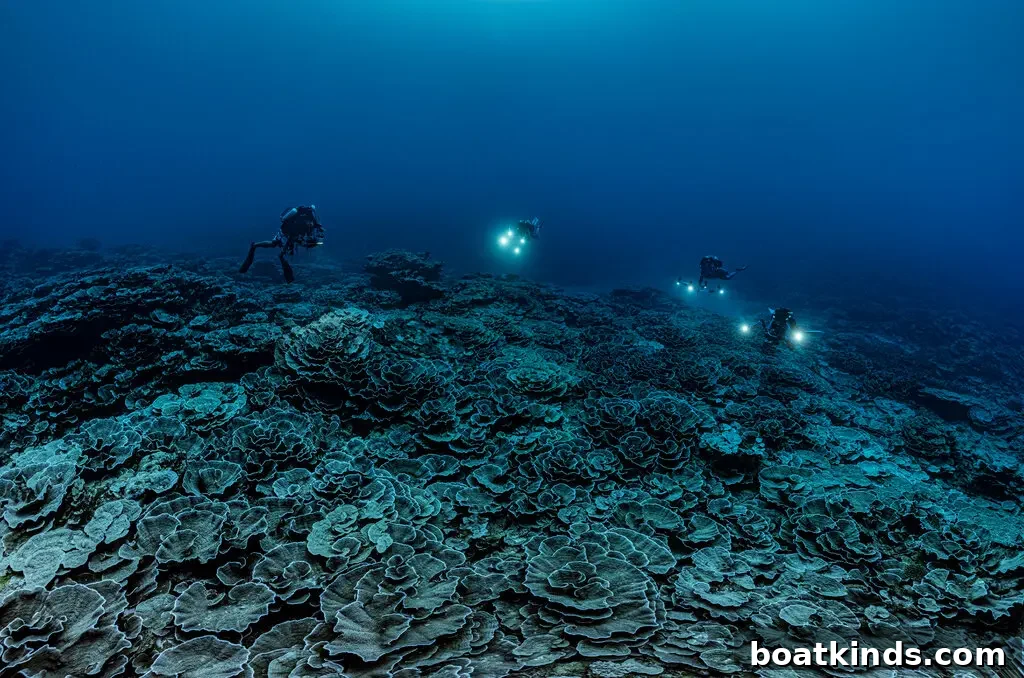
After a string of alarming environmental events—from volcanic eruptions and tsunamis to severe winter storms—there is encouraging news for ocean watchers and conservationists: deep-sea explorers mapping seafloor habitats off Tahiti have documented a remarkably pristine coral reef. Its delicate formations have been likened to a bed of roses, a vivid image that captures both the reef’s visual splendour and its fragile beauty.
The reef sits within the mesophotic zone, a portion of the ocean that receives reduced sunlight compared with shallow reefs yet still supports photosynthetic life. In this twilight band, the symbiotic algae that many corals rely on can persist, allowing coral colonies to survive where light penetration is limited. Mesophotic ecosystems often host species and structures distinct from those in shallow waters, and they can serve as important refuges for marine life.
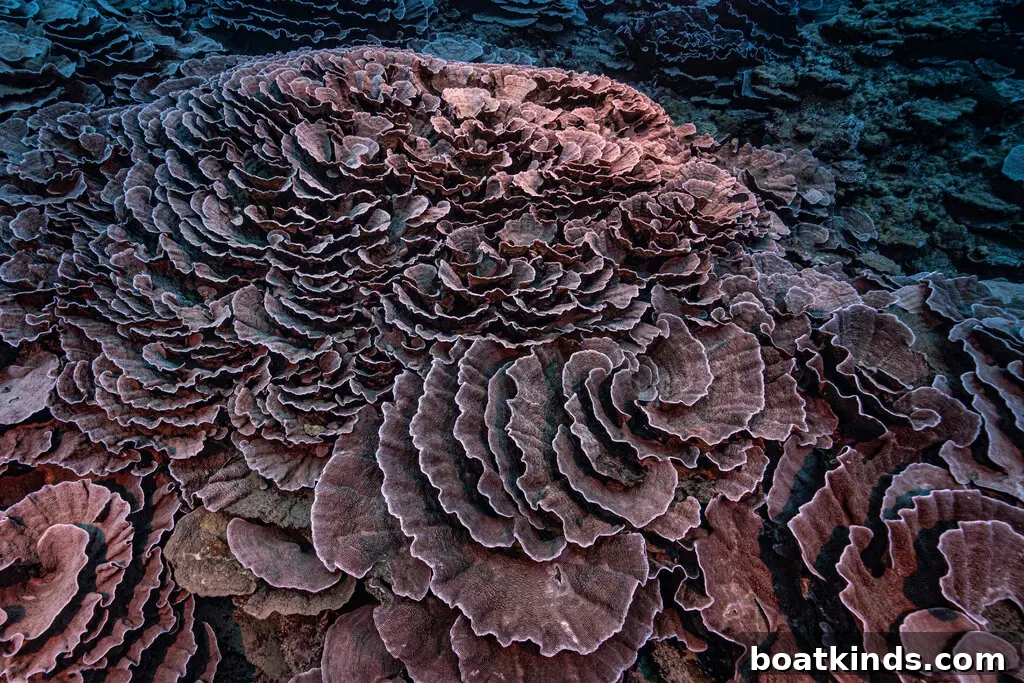
The images were taken by Alexis Rosenfeld, an underwater photographer based in Marseille, France, who was part of a deep-sea exploration initiative called the 1 Ocean project. Rosenfeld described the encounter with the reef in personal terms: “This, my dream, is exactly the same as the reality.” His photographs capture the fine textures and contours of living coral colonies, presenting a rare glimpse of a near-pristine habitat that has not been heavily impacted by human activity.
Discoveries like this are significant for multiple reasons. First, pristine reefs—those largely free from direct human damage such as pollution, overfishing, or coastal development—offer baseline examples of how healthy marine systems look and function. They provide scientists with reference points to understand what intact reef ecosystems should be, which helps in assessing the health of more degraded reefs elsewhere. Second, mesophotic reefs may act as ecological reservoirs; because they occupy deeper, less disturbed waters, they can harbor species and genetic diversity that contribute to broader reef resilience.
Corals form the structural backbone of reef ecosystems through a close partnership with microscopic algae. These algae live inside coral tissues and provide much of the energy corals need via photosynthesis, while corals in turn offer shelter and nutrients. When conditions change—particularly when waters warm or become polluted—this relationship can break down, leading to coral bleaching and mortality. Finding intact reefs in deeper zones is therefore an important reminder that pockets of resilience still exist in the ocean, even as many shallow reefs face mounting pressures from climate change and human activities.
While this discovery is cause for optimism, it does not mean reefs are out of danger. Even remote and deeper corals are affected by ocean warming, acidification, and the broader impacts of global climate change. The value of documenting and protecting such sites lies in their potential to inform conservation strategies, guide research, and inspire public support for stronger protections. Photographs and scientific records from expeditions help build the case for marine protected areas and for policies that reduce local stressors on reef systems.
The Tahiti reef featured in these images stands as a striking example of what healthy coral communities can look like when they remain undisturbed. The exploration underscores the importance of continued deep-sea mapping and monitoring—activities that reveal hidden habitats, improve our understanding of marine biodiversity, and highlight areas that may merit conservation efforts. For photographers, scientists, and the public, the images are both a celebration of natural beauty and a call to safeguard fragile marine environments for the future.
This discovery has been reported in major outlets and shared widely among conservation circles, offering a rare piece of good news amid broader concerns about the future of the world’s reefs. It reminds us that careful exploration and documentation are critical tools in the effort to understand and protect the ocean’s diverse ecosystems.