
Georgia’s Section of the Atlantic Intracoastal Waterway: Problems, Progress, and Practical Advice
Georgia is widely regarded as the most difficult stretch of the Atlantic Intracoastal Waterway (ICW) to navigate. The primary issue is shoaling — the gradual accumulation of sand, silt, and other sediments in navigation channels — which constricts depth and complicates safe passage for recreational and commercial vessels alike. Until suitable, environmentally acceptable spoil disposal sites are established in the state, shoaling will continue to shape navigation conditions along this portion of the ICW.
Why Shoaling Is a Persistent Challenge
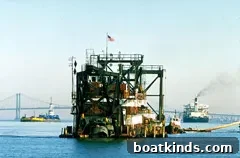
Shoaling is a natural coastal process driven by tides, currents, river inputs, storms, and coastal morphology. In many locations, dredging is used to maintain channel depth and width. However, the act of removing sediment is only part of the equation — where and how that material is disposed of matters. In Georgia, finding disposal sites that satisfy environmental regulations, coastal management goals, and community concerns has proven difficult. Without approved disposal options, dredged material has limited destinations, which constrains routine maintenance dredging and can allow shoaling to worsen between operations.
The Role of Spoil Disposal
Spoil disposal — the placement or containment of dredged material — is regulated to protect wetlands, fisheries, water quality, and sensitive habitats. Environmentally acceptable disposal sites might include confined upland disposal facilities, beneficial-use projects that restore marshes or beaches, or permitted offshore placement where appropriate. Each option requires planning, permitting, and monitoring. The challenge for Georgia is identifying and permitting disposal solutions that balance environmental protection with the practical need to keep navigation channels open.
Federal Investment and What It Means
On a positive note, the ICW has been awarded $22.2 million in federal stimulus funds dedicated to dredging and related improvements. That investment should help relieve some of the shoaling pressure by supporting targeted dredging projects and channel maintenance activities. Funds like these can pay for equipment, contractor services, environmental studies, and initial disposal planning. While the allocation is a meaningful step forward, it is not a permanent fix; long-term solutions depend on site-specific disposal approvals and ongoing maintenance strategies.
What Boaters Should Know and Do
Until more permanent solutions are in place, boaters traversing Georgia’s ICW should take extra precautions. Recommended practices include:
- Check the latest Notices to Mariners and local navigation advisories before each trip, as shoals and channel conditions can change rapidly.
- Use up-to-date charts and depth sounders, and adjust routes or timing (for higher tides) to avoid shallow areas when possible.
- Reduce speed in shallow water to minimize wake and protect both the vessel and shorelines.
- Contact local harbormasters, marine towing services, or navigation authorities if you encounter unexpected shoaling or debris that could threaten other mariners.
Balancing Navigation and Environmental Protection
Resolving the shoaling problem in Georgia requires a balanced approach that respects ecological values while providing safe, reliable channels for commerce and recreation. Environmentally sound disposal solutions, beneficial-use opportunities (such as beach nourishment or marsh restoration), and coordinated planning among federal, state, and local agencies are essential components of long-term success.
Outlook
The recent federal funding is encouraging and will support work to improve navigation in the short to medium term. However, stable and lasting relief from shoaling depends on developing permitted disposal sites and maintenance strategies that meet environmental standards. For now, mariners should remain vigilant, plan trips with updated information, and support local efforts to find sustainable disposal solutions that will keep Georgia’s ICW navigable for years to come.