
Solo Atlantic Crossing: Argentine Sailor’s 85-Day Voyage Home
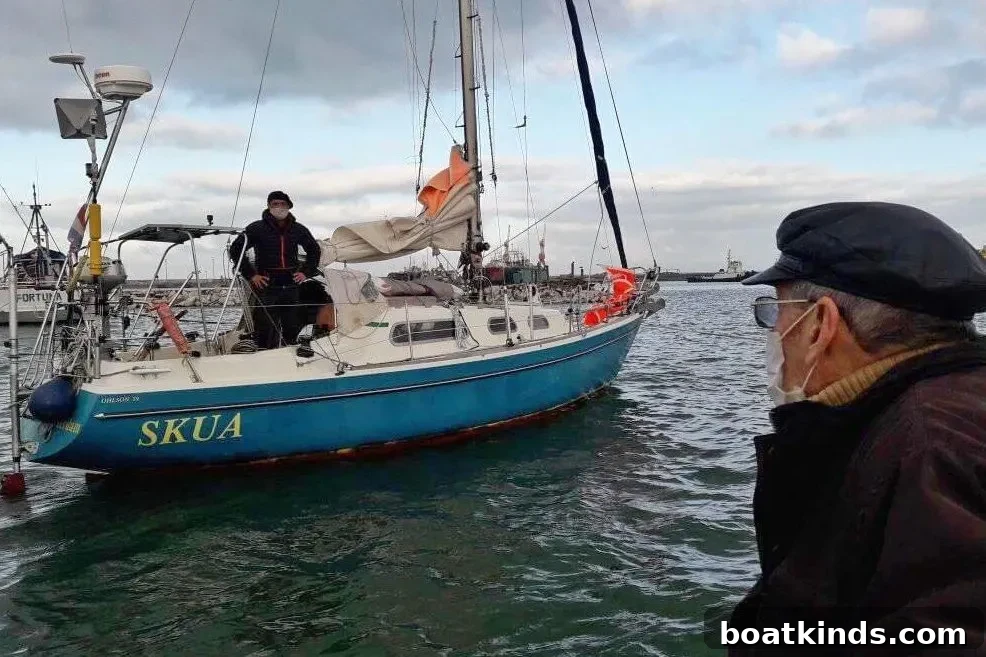
When 47-year-old Argentine sailor Juan Manuel Ballestero found himself stranded on a Portuguese island after the Covid-19 pandemic forced international flights to stop, he faced a difficult choice. He could remain where he was—on a scenic island that had largely escaped the pandemic and aboard his 29-foot sailboat—or attempt the long, uncertain journey back to Argentina to see his elderly father. Driven by concern for family and a sense that the world was in upheaval, Ballestero chose to set sail alone. Over the course of 85 days he crossed the Atlantic, confronting shortages, mechanical damage, and moments of intense solitude, before arriving home to an emotional reunion.
Ballestero’s decision to sail solo across the ocean was not made lightly. Living on a small yacht during an international crisis presented practical challenges: limited storage for food and water, the need to secure fuel and spare parts, and the difficulty of obtaining official permission to resupply at foreign ports. At one point during the voyage a local authority on an island refused him permission to replenish provisions, forcing him to ration supplies and rethink his route. These constraints turned the trip into a test of endurance and seamanship.
The voyage also included a series of frightening and uncertain moments. On more than one night he believed his boat was being followed by another vessel, heightening his sense of vulnerability far from shore. He experienced damage to his boat that required on-the-spot repairs and constant vigilance. Isolation amplified every problem: there was no crew to share watches, no immediate help available, and limited communication with the outside world. Yet Ballestero relied on his training, experience, and resourcefulness to keep going.
Alongside the difficulties, Ballestero encountered moments of extraordinary beauty and reflection. Long passages at sea can create a unique sense of perspective: vast horizons, changing skies, and the rhythm of waves provide time to think, grieve, and hope. He described aspects of the journey as spiritual, a reminder of how solitude and nature can reshape priorities. The crossing became not only a physical challenge but an emotional and mental one—an opportunity to confront fear and reaffirm the bonds of family that motivated him to risk the voyage.
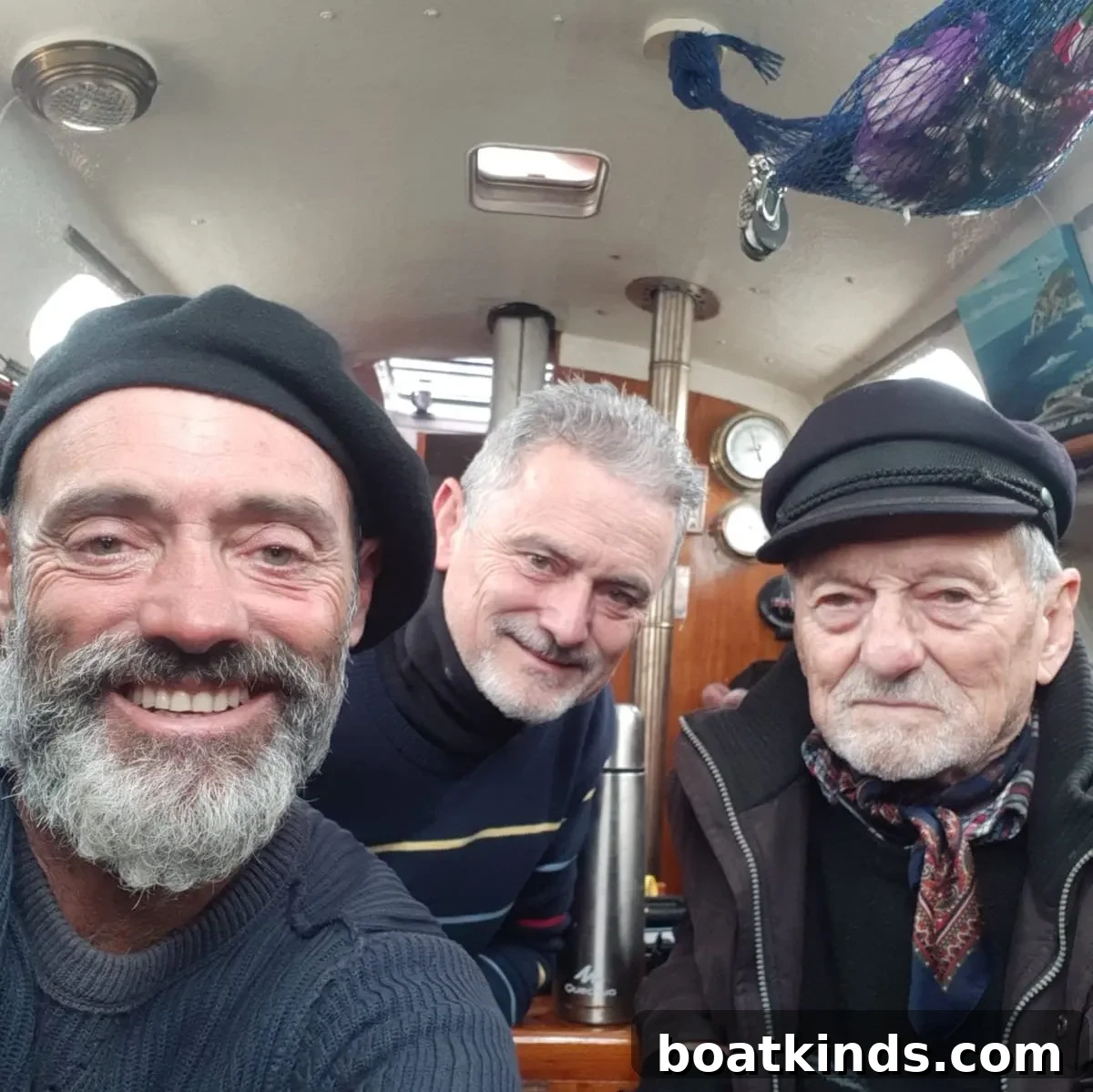
When he finally reached Argentina, Ballestero was welcomed with warmth by friends and relatives who had followed news of his trip. The reunion with his 90-year-old father was the culmination of a decision made under stress and uncertainty. His experience resonated with many people who were facing difficult choices during the pandemic: whether to stay put or attempt risky reunions with loved ones, how to balance caution with the human need for connection.
The story of Juan Manuel Ballestero highlights several broader themes relevant to sailors, travelers, and anyone navigating difficult times. First, thorough preparation matters: when planning long passages, stockpiling essential supplies, maintaining reliable equipment, and having contingency plans for resupply can be lifesaving. Second, mental resilience is as important as technical skill; solo sailors must manage fatigue, fear, and the psychological strain of isolation. Third, compassion and family ties can provide powerful motivation, shaping decisions that prioritize human relationships over convenience or comfort.
Ballestero’s Atlantic crossing has been covered by major news outlets and shared widely because it combines human drama, seamanship, and the extraordinary circumstances of the global pandemic. His voyage is a reminder of the lengths people will go to for family, and of the risks and rewards that come with choosing a solitary path across the sea. For sailors and non-sailors alike, the account offers lessons in preparation, courage, and the profound value of connection in uncertain times.
While every ocean passage is unique, Ballestero’s experience underscores universal truths: careful planning, adaptability when plans are disrupted, and the emotional importance of purpose can carry someone through prolonged hardship. His safe return home stands as a testament to perseverance and the enduring human desire to be with those we love, even when the route is long and the waters are unpredictable.