
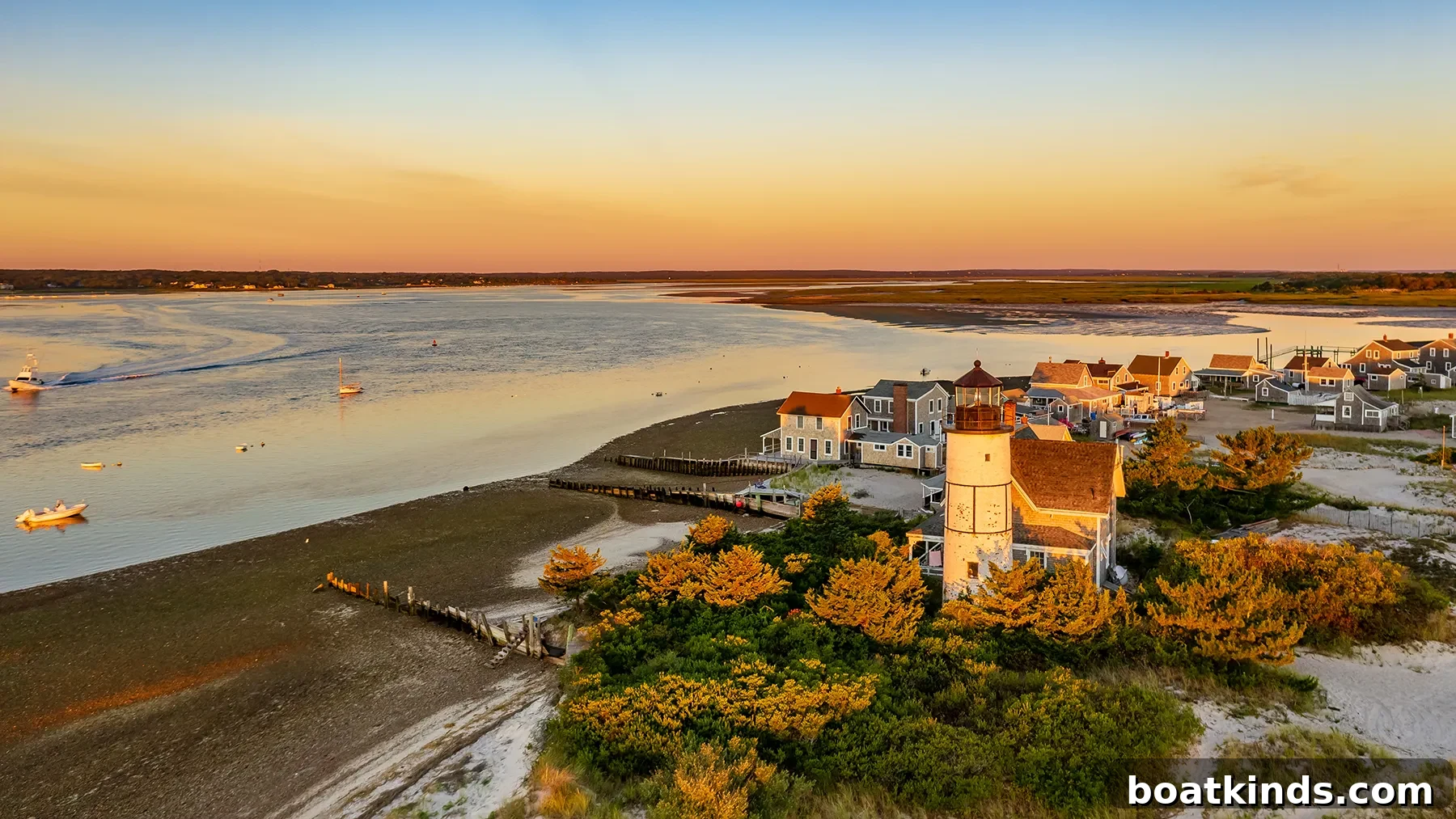
Cape Cod ranks among the Eastern Seaboard’s most popular summer destinations, offering more than 500 miles of coastline and countless scenic bays, beaches, and harbors—many accessible only by boat. Cruising from Boston lets boaters avoid road congestion while enjoying a varied coastal voyage and stopping at several noteworthy harbors along the way.
The peninsula is well suited to nearly every kind of vessel. Protected harbors and shallow anchorages welcome small craft, while deeper marinas can accommodate yachts well over 200 feet. Below are practical cruising routes from Boston to Cape Cod, useful stops en route, and key hazards to watch for while navigating these waters.
Reaching the Cape from Boston
A common departure point is Constitution Marina in downtown Boston, conveniently located near the historic North End, North Station, and the TD Garden arena. Before leaving Boston Harbor, study the local charts and be alert for hazards such as the Lower Middle and Castle Island flats, Ram’s Head Flats, Aldridge Ledge, Devils Back rock near President Roads, the Roaring Bulls near The Graves, and Half Tide Rock west of Hypocrite Channel. Harding’s Ledge off Point Allerton (Hull) is another notable shoal. Follow navigational beacons closely as you head southeast down the Eastern Shore.
Once clear of the harbor, enjoy a scenic cruise down the South Shore toward the Cape Cod Canal, about 50 nautical miles from Boston. Useful stopping points for fuel, provisions, and rest include Scituate Harbor (roughly midway between Boston and Plymouth) and Plymouth Bay, which lies about 18 miles north of the canal. When departing Plymouth, keep an eye out for the Mary Ann Rocks southeast of Manomet Point.
Approaching the Cape Cod Canal presents two main options: transit the canal to reach Buzzards Bay and the Nantucket Sound side of the Cape, or continue down the coast along Cape Cod Bay. Your choice will shape the harbors and towns you visit.
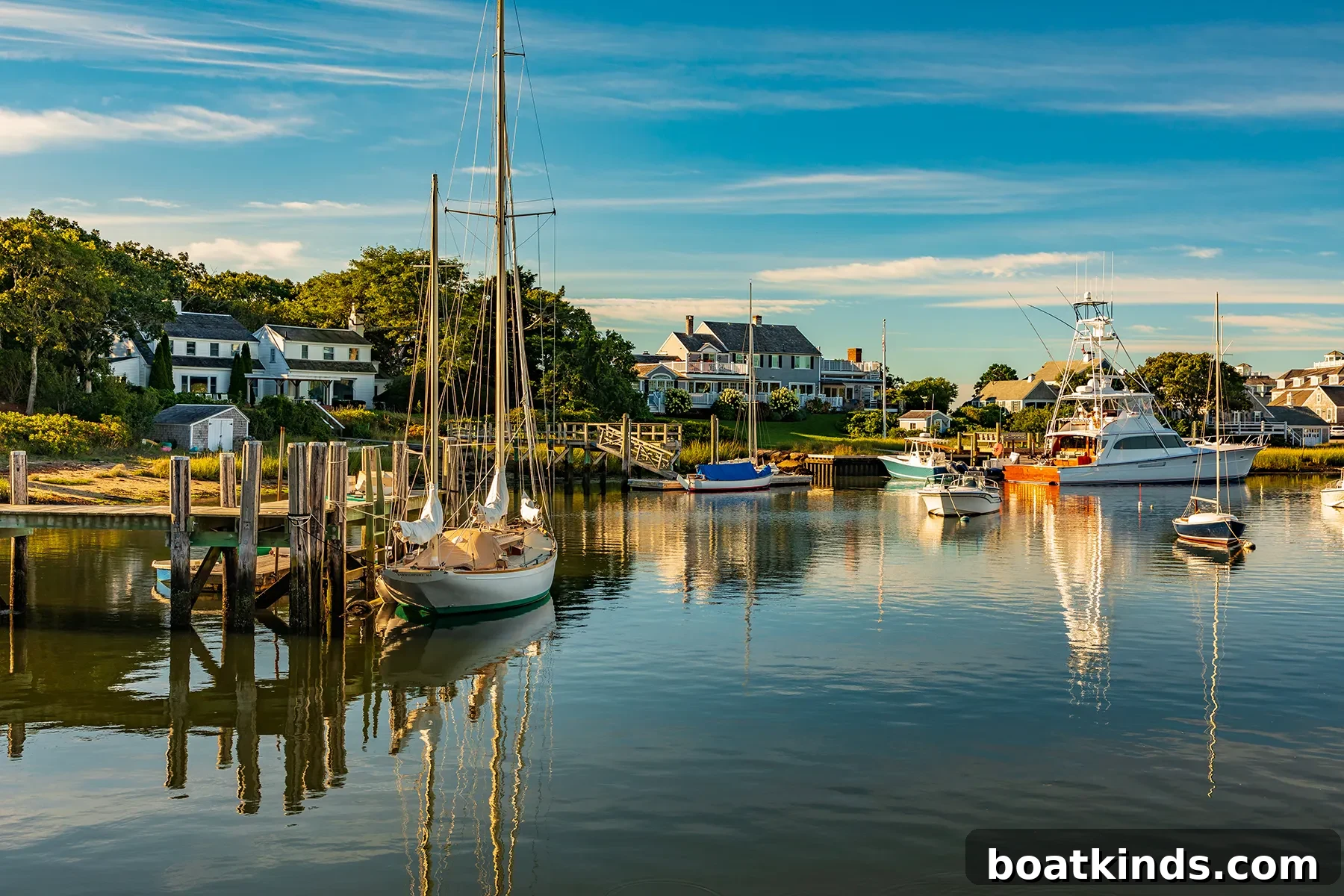
Cape Cod Canal, Woods Hole and Nantucket Sound
The Cape Cod Canal is about 7 miles long, 500 feet wide and roughly 40 feet deep, with an 8.5-knot speed limit. Transit time varies with the current—plan for approximately 30 minutes with a favorable current, 45 minutes at slack, and up to an hour with an opposing current. Conditions can become choppy in Buzzards Bay, where southwest winds often build the sea.
After exiting the west end of the canal, consider Bassetts Island at the entrances to Pocasset and Red Brook harbors in Bourne. The island’s southern beaches and shallow sand flats are excellent for daytime raft-ups and beach access. Hike to a picnic spot on the island for panoramic views of surrounding harbors. Marine services are available across the harbor at Kingman Yacht Center and Parker’s Boat Yard in Cataumet, both good options for moorings or slips. Nearby dining options make for an easy dock-and-dine stop.
Continue along the west side of the peninsula toward Falmouth and Woods Hole to reach classic Nantucket Sound towns. Exercise caution around Woods Hole—numerous rocks and strong tidal rips require careful timing with the tide charts and attention to markers during the short slack periods.
Hyannis is a primary destination on the Sound side, with a harbor that accommodates a wide range of vessel sizes. The deep channel maintains about 13 feet into the inner harbor, facilitating entrance for larger yachts. Hyannis is busy—expect ferries, tour boats, and commercial traffic. Short-term docking is available at the town docks in Bismore Park, and additional slips at Hyannis Marina, Dockside Marina, and Gateway Marina. Lewis Bay provides good holding for anchoring.
Ashore, Hyannis offers restaurants, waterfront parks, and the Cape Cod Maritime Museum. Baxter’s, a longstanding dock-and-dine, provides classic harbor views and fresh seafood.
Further southeast, Harwich and Chatham provide more cruising variety. Harwich stretches nearly 11 miles of shoreline and supports diverse fishing activity. Chatham, at the Cape’s southeastern tip, features miles of public white-sand beaches, an upscale downtown, and two distinct harbors. Chatham Harbor opens to the Atlantic and hosts much of the local fishing fleet; its exposure can produce breakers that challenge small craft. Stage Harbor, south of Chatham, is protected by Monomoy and offers safer entry, marinas, transient facilities, and limited anchoring by harbormaster permission. Chatham’s Main Street provides boutiques, galleries, and top-rated dining, plus the well-known Chatham Pier Fish Market for fresh local catch.
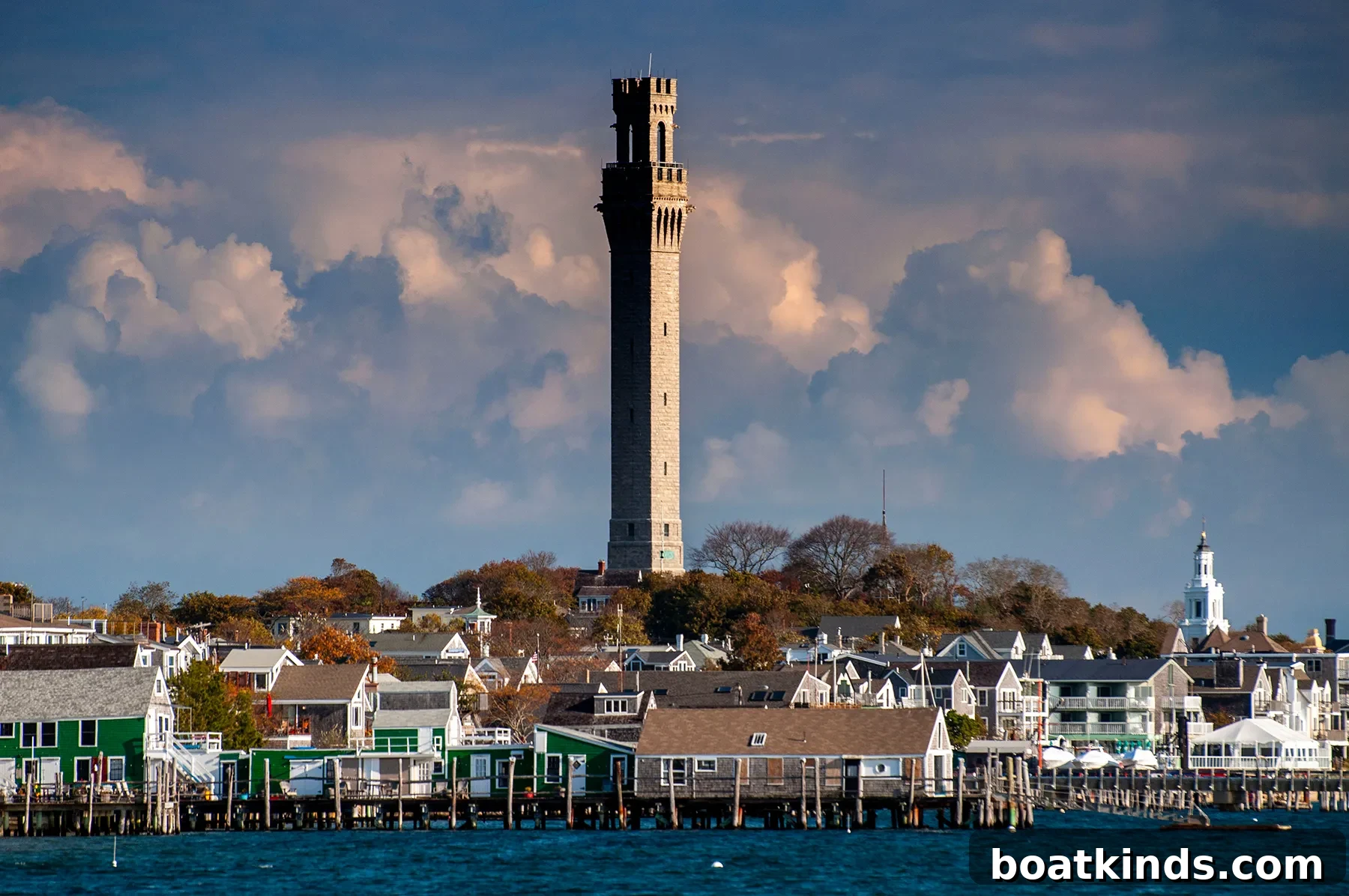
Cape Cod Bay
The Bay side of the Cape often offers calmer, more protected waters and brings a different set of towns and natural features to explore. Sandy Neck Beach in Barnstable is a six-mile barrier beach easily reached by boat; note that tides here can change access quickly. The Brewster Flats, at the Cape’s inner elbow, are North America’s largest tidal flats—about 12,000 acres—and are famed for surf and sight fishing for striped bass and blues.
Wellfleet, near the narrowest section of the Cape, combines rugged ocean beaches with tranquil bay shores and a lively downtown. The Wellfleet Bay Wildlife Sanctuary preserves salt marsh and walking trails for birding and nature viewing. When navigating Wellfleet Harbor, monitor tides and channel markers closely—the shifting bars and channels require attention. The Wellfleet Town Marina offers fuel, pump-out, power, and water, and there is sheltered anchorage north of Smalley Bar and east of Great Island in moderate depths.
At the Cape’s tip, Provincetown offers a deep, naturally protected harbor with safe approaches and ample transient facilities, including moorings and a marina that handles very large vessels by reservation. Anchoring inside the protected arm of Long Point is also an option for visitors. Provincetown provides lively nightlife, galleries, historic sites, and unique natural areas, and it’s a prime base for whale watching at the nearby Stellwagen Bank National Marine Sanctuary, where humpback, minke and fin whales feed—remember to observe the federal 300-foot minimum distance from whales.
Cape Cod is a boater’s paradise with harbors, beaches, and seaside towns for every taste. Whether you transit the canal, cruise Nantucket Sound, or explore Cape Cod Bay, prepare for changing tides, currents, and local hazards by consulting current charts and tide tables. With proper planning and attention to navigational aids, your trip from Boston to the Cape will be a memorable coastal adventure.
This article was originally published in the August 2023 issue.