
Ukrainian Chief Engineer Partially Sinks Russian-Owned Yacht in Mallorca
An incident tied to the ongoing Ukrainian-Russian conflict unfolded in the Mediterranean over the weekend when a Russian-owned yacht was deliberately damaged while moored at a luxury marina in Mallorca. The vessel, the 156-foot Lady Anastasia, owned by Alexander Mikheev—CEO of Rosoboronexport, a Russian state-owned military equipment supplier—was intentionally flooded by a crew member who said he acted in response to the war.
What happened on the Lady Anastasia
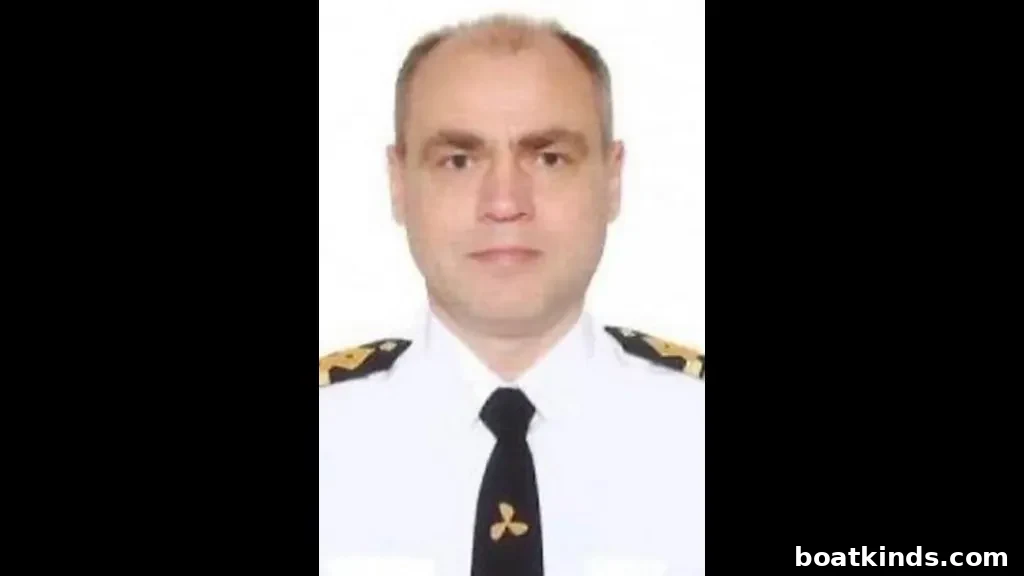
According to local accounts, the chief engineer of the yacht, identified as 55-year-old Taras Ostapchuck, opened two sea cocks on the hull while the vessel was docked at Port Adriano. The valves allowed seawater to enter the engine room, causing that compartment to flood and rendering the yacht partially submerged at its berth. The damage did not send the yacht to the seabed, but it was enough to disable the vessel and cause significant onboard flooding.
Before taking that action, Ostapchuck reportedly turned off the electricity and closed the fuel valves. Those steps were intended to limit the risk of fire and reduce environmental pollution from fuel discharge. He then warned fellow crew members to evacuate the vessel prior to opening the valves.
Motivation and reaction
Ostapchuck told journalists he was provoked by footage of a missile strike against a residential building in Kyiv. He said the damaged building resembled one in which he had lived, and he believed the missile may have been produced by the company linked to the yacht’s owner. He described his action as an act of retribution and said, “I don’t regret anything I’ve done.”
When local civil guards arrived to apprehend him, he reportedly accused his employer of selling weapons that kill Ukrainian civilians. He also said he planned to leave Spain and travel to Poland with the intention of returning to Ukraine to join the fight.
Legal, safety and environmental considerations
The deliberate scuttling of a vessel at its berth raises multiple legal and safety issues. Intentionally opening sea cocks to flood a yacht can endanger crew, marina staff and nearby vessels, and requires an immediate response from port authorities and emergency teams. The engineer’s reported measures to shut down electricity and close fuel lines aimed to mitigate fire and pollution risks, but any flooding event still presents hazards and requires professional salvage and environmental assessment.
From a legal perspective, such an act can lead to criminal charges, civil liability for damage and costs associated with salvage, repairs and environmental remediation. Local law enforcement and maritime authorities typically investigate incidents of intentional damage to vessels to determine culpability, intent and the full extent of losses.
Broader implications
This episode highlights how geopolitical conflicts can spill over into private and commercial spaces far from battlefields. Yachts, aircraft and other high-value assets owned by individuals and entities linked to conflict parties have increasingly become focal points for protests, sanctions and, in some cases, direct action by individuals affected by the conflicts. The situation at Port Adriano serves as a reminder that tensions provoked by war can produce unpredictable consequences in international ports and marinas.
Current status and next steps
At the time of reporting, the yacht’s engine room remained flooded and the vessel was partially submerged at its dock. Local authorities were involved following the incident. Any repairs, salvage operations and legal proceedings will determine the yacht’s future condition and the responsibilities for costs and damages. The reported intent of the engineer to return to Ukraine adds another personal dimension to the incident and may factor into legal and immigration inquiries.
The story underscores the complex intersection of personal conviction, maritime safety and international conflict, demonstrating how individual actions at sea can have wide-ranging legal and political repercussions.