
Wally the Walrus: Why He’s Causing Problems for Dinghies in the Isles of Scilly
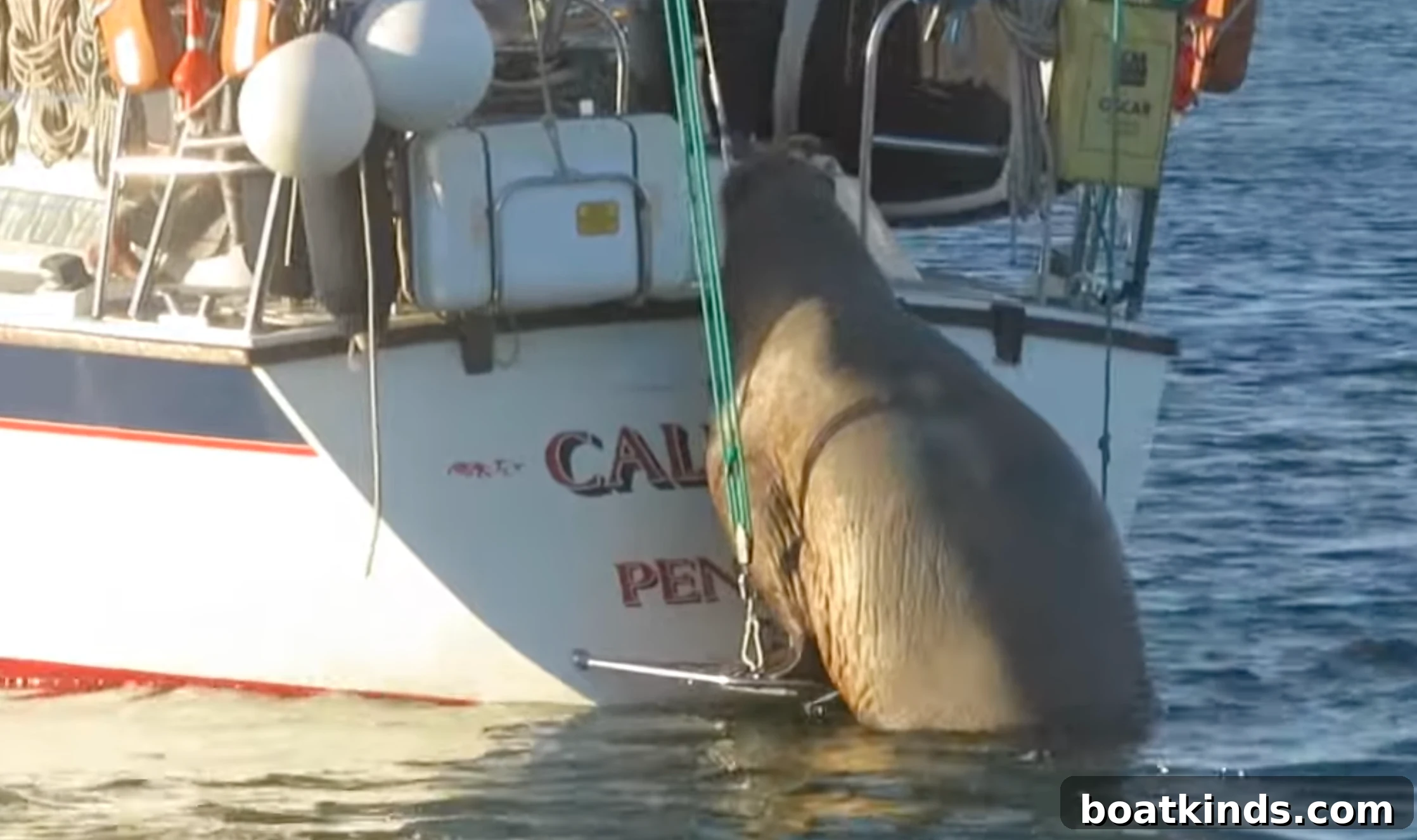
A large walrus known as Wally has been drawing attention across Western Europe for months, and his recent visits to the Isles of Scilly have put him at odds with local small-boat owners. While his presence delights wildlife watchers, Wally’s size and natural behavior have led to damage to inflatable dinghies and other lightweight vessels, prompting local authorities and mariners to adopt cautious measures.
Where Wally Has Been and What He’s Been Doing
Over the past four months Wally has been observed at multiple locations around the western European coastline, including Ireland, Spain, France, Cornwall and, most recently, the Isles of Scilly off the southwestern tip of Great Britain. During his tour, he has been feeding on local shellfish and using sheltered harbors and moorings as convenient resting spots.
Walruses are large, heavy marine mammals. When Wally climbs aboard small, unsupported craft such as inflatable dinghies, the boat can easily become swamped by his weight or punctured by his tusks. Local boat owners have reported dinghies being damaged and, in some cases, sinking after Wally used them as a resting platform.
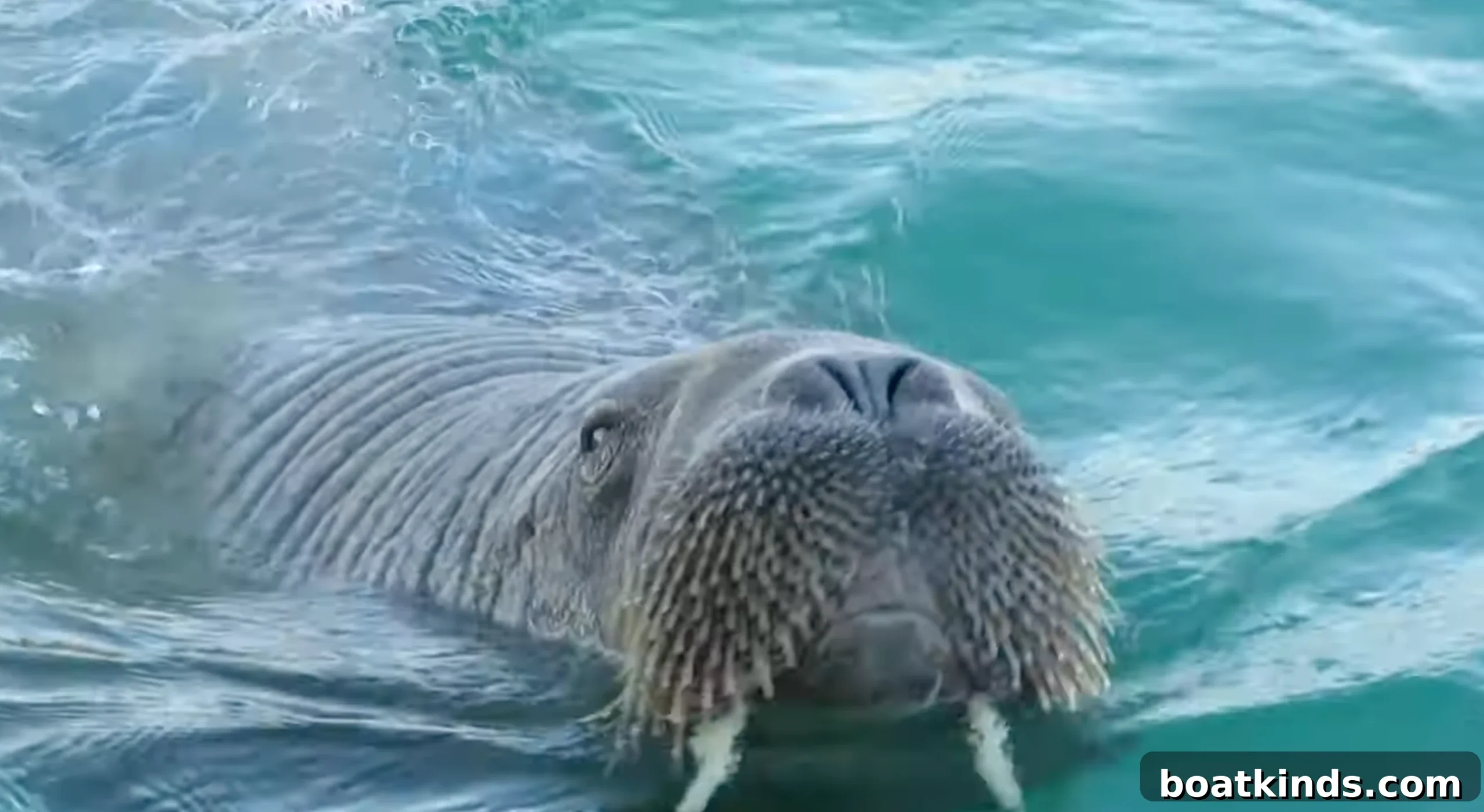
How Authorities and Boaters Are Responding
In response to the damage and to reduce the chance of conflict between the walrus and people, local authorities on the Isles of Scilly installed a floating pontoon intended as a dedicated resting place for Wally. The idea is to offer him a stable platform that will be less likely to damage visiting vessels and safer for both the animal and nearby boaters.
Boaters in the area have been given practical guidance on how to behave around the walrus. Authorities advise remaining calm, keeping a respectful distance, and gently encouraging Wally to move away from anchored or moored boats when necessary. In many cases, a cautious prod with an oar is recommended to persuade him to climb onto the pontoon or to rest elsewhere. Importantly, Wally has not shown aggressive behavior toward people; his interactions have been driven by the need to feed and rest rather than hostility.
Understanding Walrus Behavior and Safety Considerations
Walruses are wild animals with specific needs. During extended vigils away from their usual Arctic range, individuals like Wally expend a lot of energy traveling and foraging. Experts emphasize that giving the animal space to rest and recover is important so he can regain strength to continue his journey back to colder waters.
For boat owners, the practical takeaway is to secure inflatables and small craft whenever a large marine mammal is nearby, monitor moorings, and avoid leaving vulnerable vessels unattended. If an animal does climb aboard, avoid direct contact, do not attempt to move or disturb it aggressively, and follow local wildlife guidance. In many coastal communities, wildlife rescue and conservation teams are available to advise on best practice and to step in if the animal’s welfare or public safety is at risk.
Balancing Human Use and Wildlife Conservation
Wally’s visits highlight the occasional friction between human recreational boating and marine wildlife. Coastal communities often must balance protecting local livelihoods and property with conserving and respecting wild animals that stray into populated waters. Simple measures—like providing alternative resting structures, educating the public about safe behavior, and securing vulnerable boats—can reduce conflict while ensuring the animal’s welfare.
Local crews and wildlife experts hope Wally will use the provided pontoon and nearby safe spaces so he can rest comfortably, recover his energy, and eventually return to his natural Arctic habitat. In the meantime, residents and visitors are encouraged to observe from a distance and follow official guidance to minimize disturbances.
For further background on Wally’s movements and the local response, news coverage from established outlets has documented the walrus’s journey around western Europe and the measures taken by authorities in affected communities.