
Mid-Atlantic Whale Deaths Renew Debate Over Vessel Speed Rules Along the East Coast
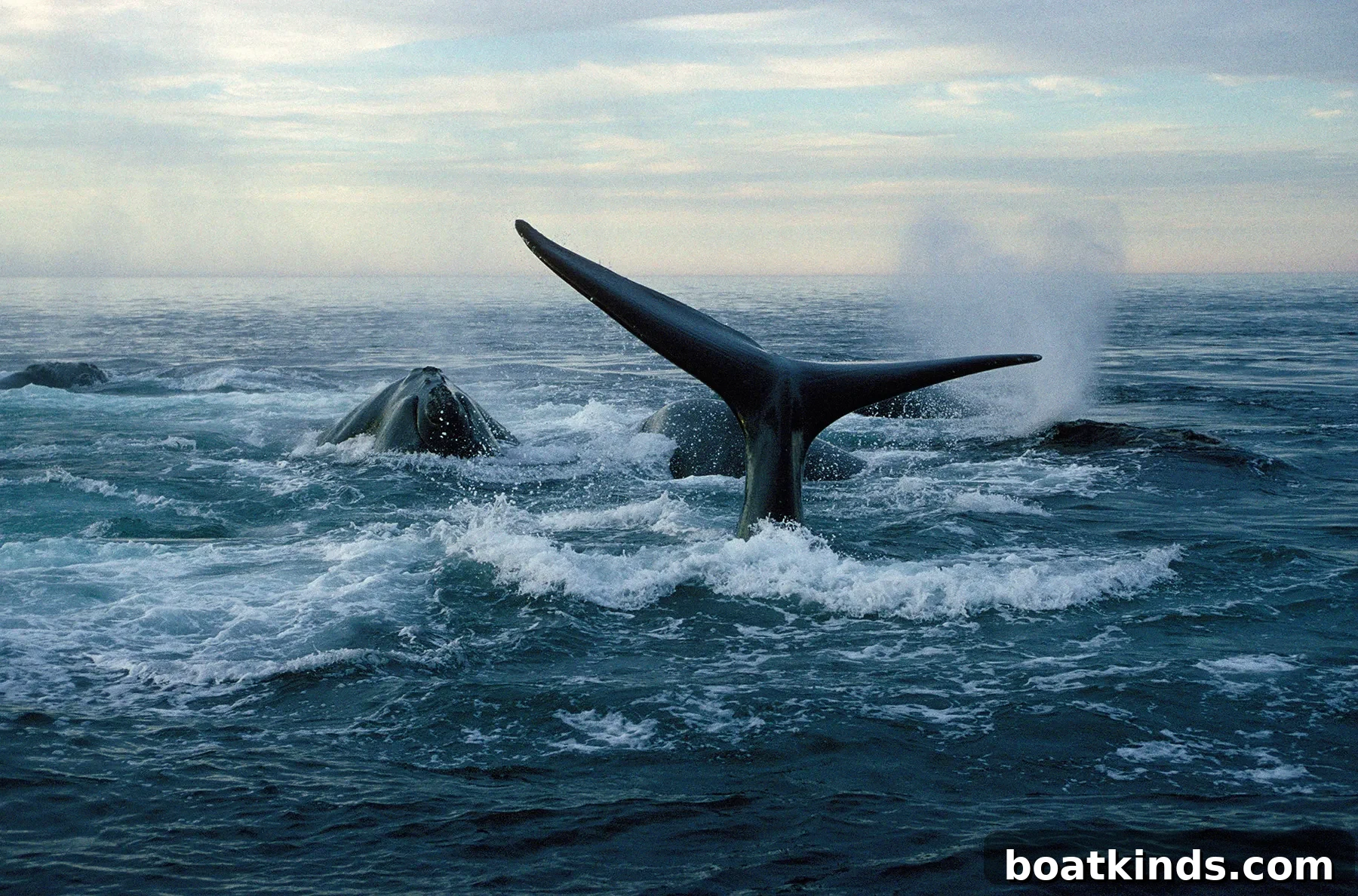
In recent months, a series of whale strandings along the mid-Atlantic coast—more than half a dozen humpback and sperm whales found on beaches from New York and New Jersey down to the Maryland–Virginia border—reignited a heated debate over the causes of these deaths and how best to prevent future losses.
Environmental organizations pressed for investigations into activities such as offshore wind construction, but federal agencies say there is no evidence linking that industry to the mortalities. Instead, initial findings from the National Oceanic and Atmospheric Administration (NOAA) indicate that at least some of the stranded whales appear to have died as a result of vessel strikes. Those findings landed amid a broader regulatory fight over a NOAA proposal that would require many recreational boats 35 feet or greater to slow to 10 knots for extended periods in designated right whale habitat along the Eastern Seaboard.
Conservation groups backing the NOAA proposal used the recent deaths to renew calls for immediate action to reduce vessel strike risk. The Natural Resources Defense Council (NRDC) said the proposed speed limit would “meaningfully reduce vessel strike risk for North Atlantic right whales,” and that the measure would also offer collateral protection for other large whale species.
NOAA announced the proposed vessel-speed rule in August and had been reviewing more than 20,000 public comments when the winter strandings occurred. The agency indicated a final rule would be announced in the spring or summer. Meanwhile, several conservation organizations filed an emergency petition asking NOAA to implement the rule more quickly, describing the situation as an “extinction-level emergency.” That emergency petition was denied in January.
Opposition to the proposed rule has been vocal and organized. BoatUS, the American Sportfishing Association, the National Marine Manufacturers Association (NMMA), and other marine-industry groups warn the regulation would disrupt thousands of recreational vessels, marinas, tackle shops and the sportfishing community along the East Coast. BoatUS vice president Chris Edmonston suggested the combination of a large volume of critical public comments and industry pressure may have influenced NOAA’s decision to deny the emergency petition.
Industry comments raise practical and safety concerns. Offshore-fishing data cited by opponents contend the probability of a 35-to-65-foot vessel striking a right whale is very low—reported as less than one in a million. BoatUS also highlighted problems with the proposed “weather exception,” noting that allowing deviations only when gale-force winds (35 knots or more) are present ignores the reality that lower wind speeds and changing sea state can affect a boat’s handling and safety.
Groups representing recreational anglers and boaters were blunt in their feedback. The Recreational Fishing Alliance called the proposal “a solution in search of a problem,” arguing available data do not show that boats between 35 and 65 feet pose a significant danger to right whales. The NMMA emphasized the scale of recreational boating—more than 100 million Americans boat annually, the group noted—and warned the rule could make many offshore fishing trips impractical, in some cases quadrupling travel time and making day trips unviable for large numbers of anglers.
Smaller interest groups and local operators also expressed concerns about the rule’s broader impacts. Sail Newport’s executive director, Brad Read, pointed out that while everyone wants to avoid striking whales, sailboat damage is more commonly caused by collisions with debris such as containers and abandoned gear than by whales. The Maritime Association of the Port of New York and New Jersey warned that lowering the threshold of vessels required to slow from 65 feet to 35 feet could introduce safety risks for pilot operations in busy ports, and that operating pilot boats at less than 10 knots can create hazardous conditions in some situations.
Edmonston cautioned that the NOAA vessel-speed rule is only one of several whale-protection measures that boaters and the marine industry should track. He noted other states and jurisdictions are considering or proposing their own protections—citing, for example, efforts in Washington State to expand mandatory separation distances from orcas—suggesting additional localized rules focused on marine mammal safety may become more common regardless of NOAA’s final decision.
The debate reflects a broader tension between conservation goals and the practical concerns of boating communities and commercial operators. Conservationists argue urgent, precautionary limits on vessel speeds are necessary to protect highly endangered right whales and to reduce lethal vessel strikes on other species. Industry representatives counter that the proposal is overly broad, could create safety hazards, and would significantly disrupt recreational and commercial activities without clear evidence that the changes would meaningfully reduce risk for many whale species.
As NOAA continues its review and prepares a final rule, both sides say they will keep pressing their cases through public comment, legal challenges, and outreach. For now, the recent strandings have sharpened public attention on vessel strikes and renewed calls for measures aimed at reducing human-caused whale mortality along the East Coast.
This article was originally published in the April 2023 issue.