
My father’s relationships with most of the mechanical things in his life were adversarial, but nothing compared to the wars he waged with two-stroke outboards. At least three-quarters of our crabbing and fishing trips began with him trying to coax an engine to life. It was common to see him twisted into a pretzel on the transom, cigarette dangling, a wrench in one hand and a can of starting fluid in the other. In hindsight, it’s a small miracle we all made it to the dock without incident.
His mechanical struggles became my education. I soaked up every moment of his frustration and learned how to troubleshoot small engines. In my twenties, when I owned my own outboards, that early curiosity grew into an obsession. I never focused much on cosmetic restoration; getting an engine to run smoothly and reliably was my satisfaction. In my early forties I discovered a community of like-minded outboard enthusiasts, and it changed everything.
In 2013 I came across members of the Antique Outboard Motor Club (AOMC) displaying a lineup of outboards dating back to the early 1900s at the Chesapeake Bay Maritime Museum’s Antique and Classic Boat Festival. Each engine was painstakingly restored and fired up, appearing as though it had just been removed from its original crate. Restored outboard stands, gas tanks and other collectibles completed the display. Speaking with the members I learned the club’s long history and the enthusiasm that keeps it thriving across many countries.
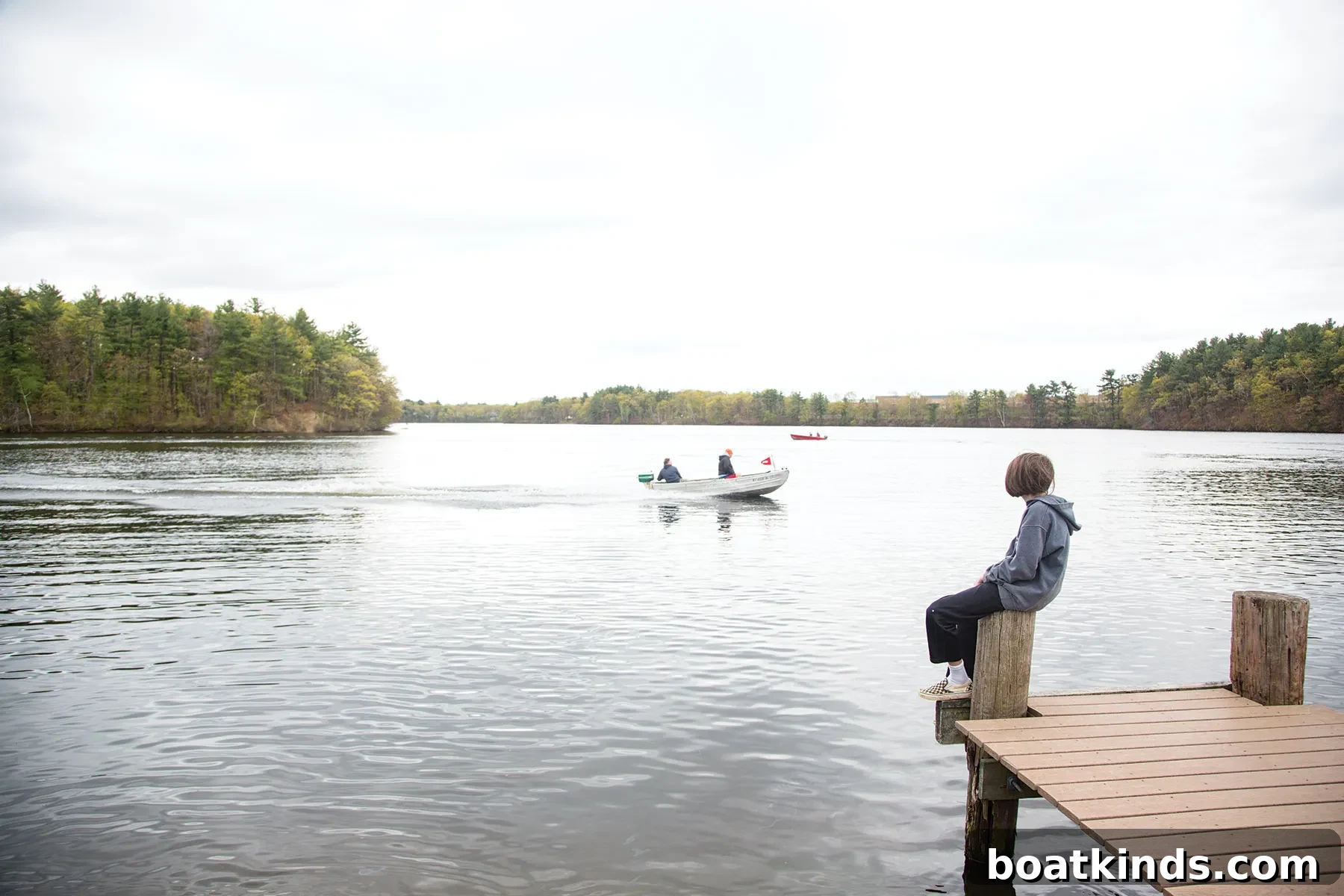
One longtime member, Gary Mower, is a retired engineer and a self-described outboard nut who has belonged to the club for 45 years. He lives in Cheshire, Connecticut, and serves as president of the AOMC Yankee Chapter, a regional group that covers Connecticut, Massachusetts, New Hampshire, Vermont and Rhode Island. The chapter gathers regularly and supports roughly two hundred members locally.
Mower recalls a childhood steeped in boats. “My family had a cabin in the Adirondacks that my uncle and grandfather built in the late ’50s,” he says. “They always had boats. I remember a 12-foot aluminum boat with a 10-hp 1968 Evinrude. I still have that boat and engine.” In high school he and a friend restored an eight-foot wooden pram and hunted for a motor, eventually finding a 3-hp 1928 Caille in the high school basement. They repaired the Caille, mounted it on the pram and went fishing—the start of a lifelong interest. He still owns that nearly 100-year-old engine.
Mower first heard about the AOMC from an advertisement in Popular Mechanics in the mid-1970s and has been an active member ever since. He emphasizes that while online groups are useful, the real value comes from in-person “wet” and “dry” meets where members show their work, exchange practical advice and form lasting friendships. The club’s gatherings are where people share knowledge about mechanical restoration, parts sourcing, historical details and boat show preparation.
Members are a diverse group. Some simply collect and display old machines, keeping them in a garage or shed. Others enjoy the challenge of getting a machine running without full cosmetic restoration. Then there are those who pursue complete restorations, striving to return engines to better-than-new condition. That range of interest and skill levels makes the club welcoming to newcomers and experienced restorers alike.
Bill Andrulitis, a retired mechanical engineer and AOMC member since 1971, exemplifies the hands-on tradition. He owns about 25 outboards and often fabricates parts in his small shop when originals can’t be found. He points out that the hobby is accessible: many vintage outboards are inexpensive to acquire, and parts are usually affordable. The internet and social media make it easier than ever to find advice, parts and fellow hobbyists, while club meetups offer direct, practical help for troubleshooting and restoration techniques.
Fabricating or improvising parts can be part of the fun. Crafty hobbyists often make gaskets, carb floats and seals; some old automobile parts are interchangeable with outboard components. Full restorations add complexity: matching paint colors, decals, emblems and instruction plates can be a hunt. That’s where the club’s collective expertise shines—members who specialize in particular brands, electrical systems or reproduction parts often help complete otherwise difficult projects.
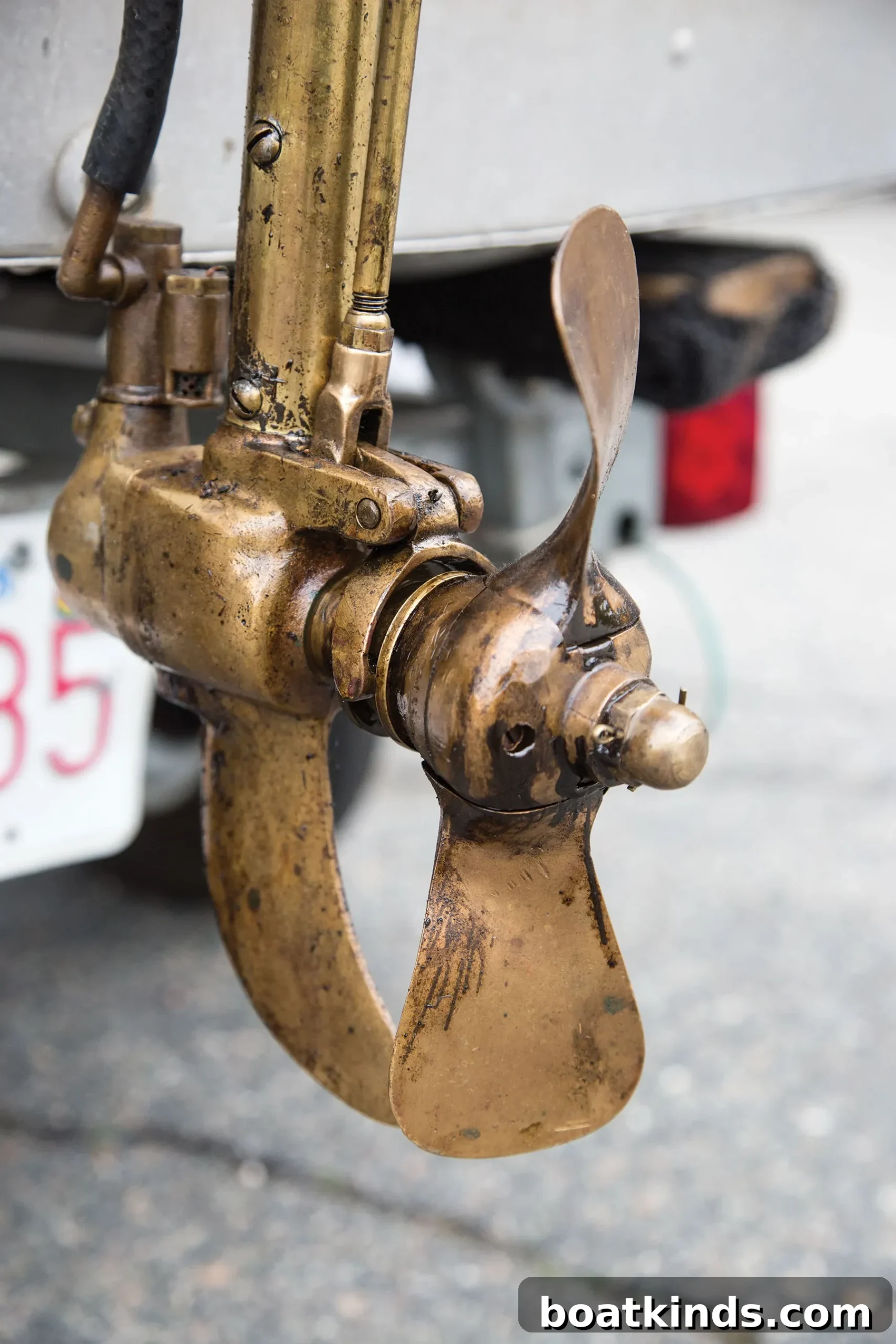
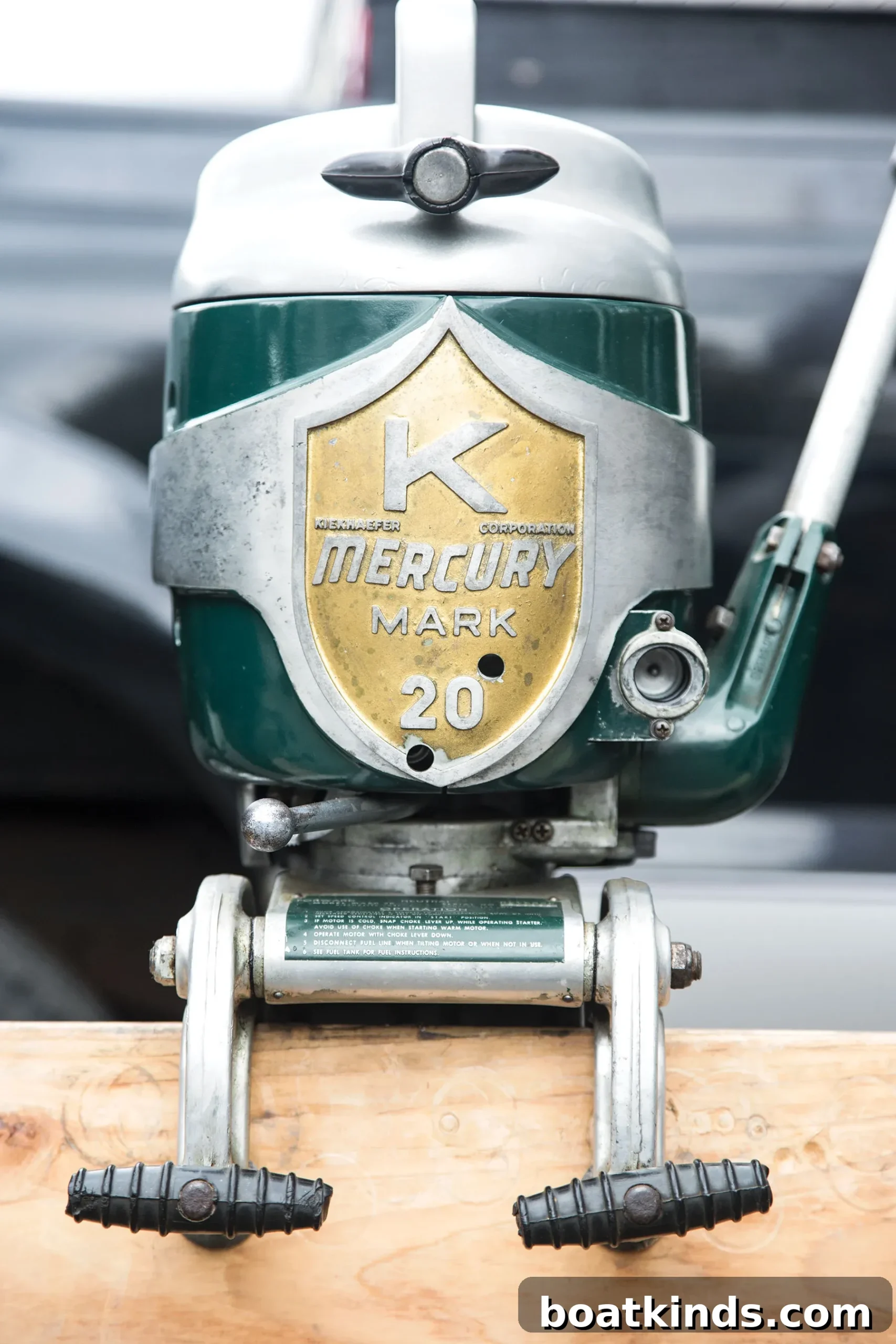
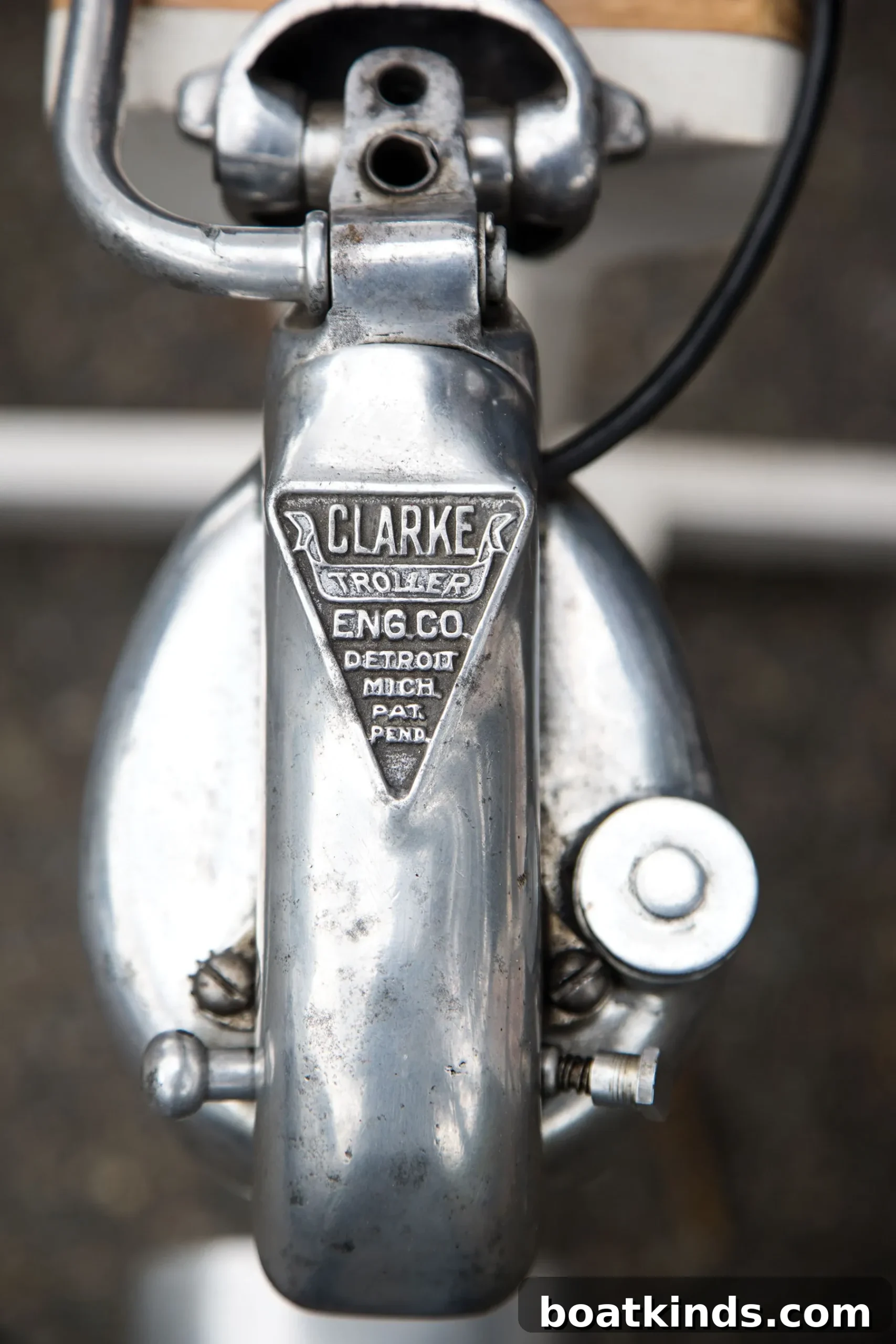
Beyond mechanics, many collectors are drawn to the aesthetic and historical character of vintage outboards. Early engines expose polished metalwork reminiscent of miniature steam engines. Post-war Mercurys carry art-deco flourishes. Some 1960s models reflect the household appliance styling of the era. Even less fashionable designs from the 1970s tell a story about industrial trends and materials of their time. That range of design and engineering appeals to collectors who appreciate both form and function.
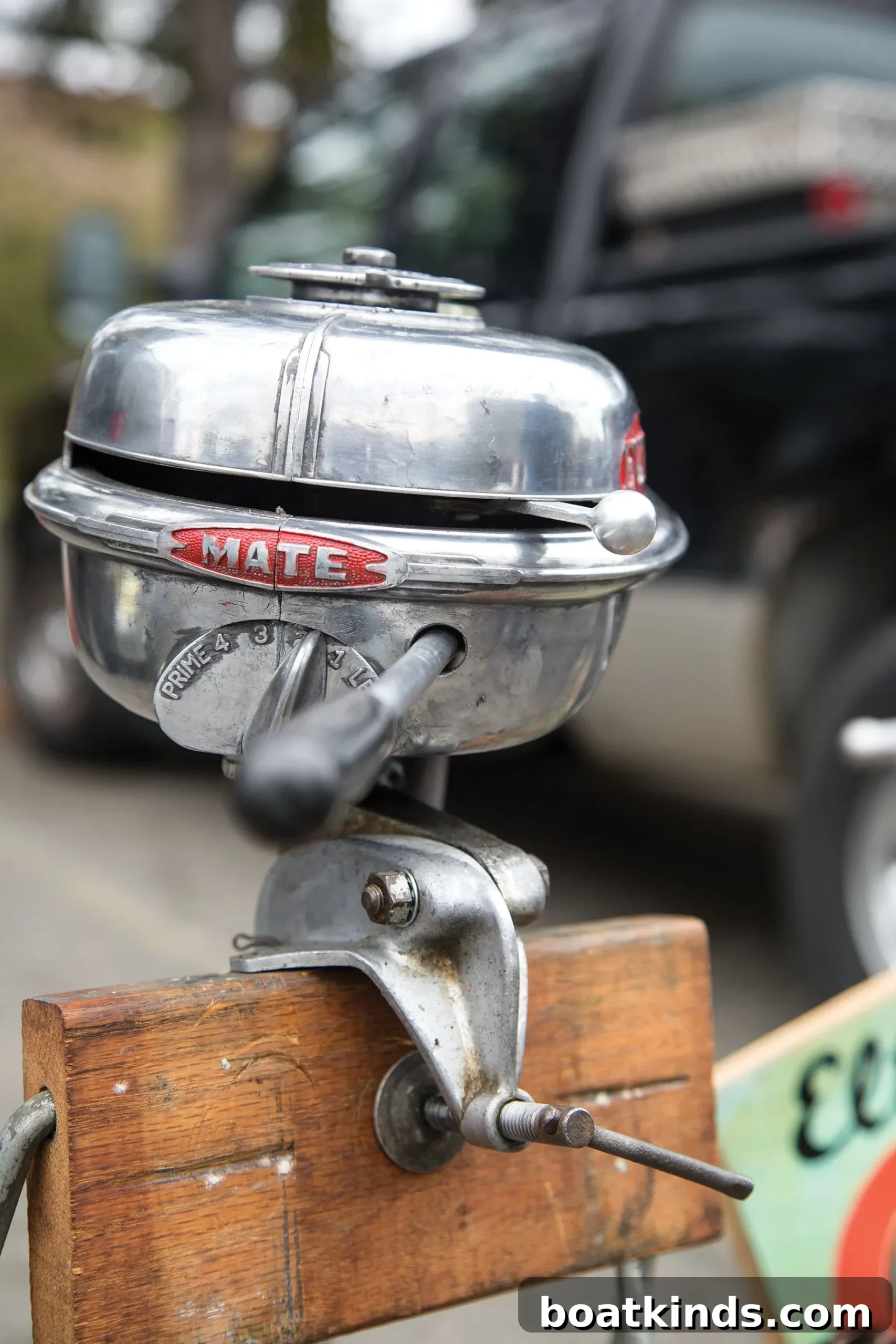
Bob Toffey, another veteran member, describes his eclectic collection as a visual and mechanical archive: not every motor is shiny or fully restored, but each one has a story. The exposed dials, carburetor adjustments, choke levers and other controls are reminders that many of these machines require knowledge—and patience—to start and operate correctly. That technical intricacy is part of the appeal for those who like hands-on mechanical challenges.
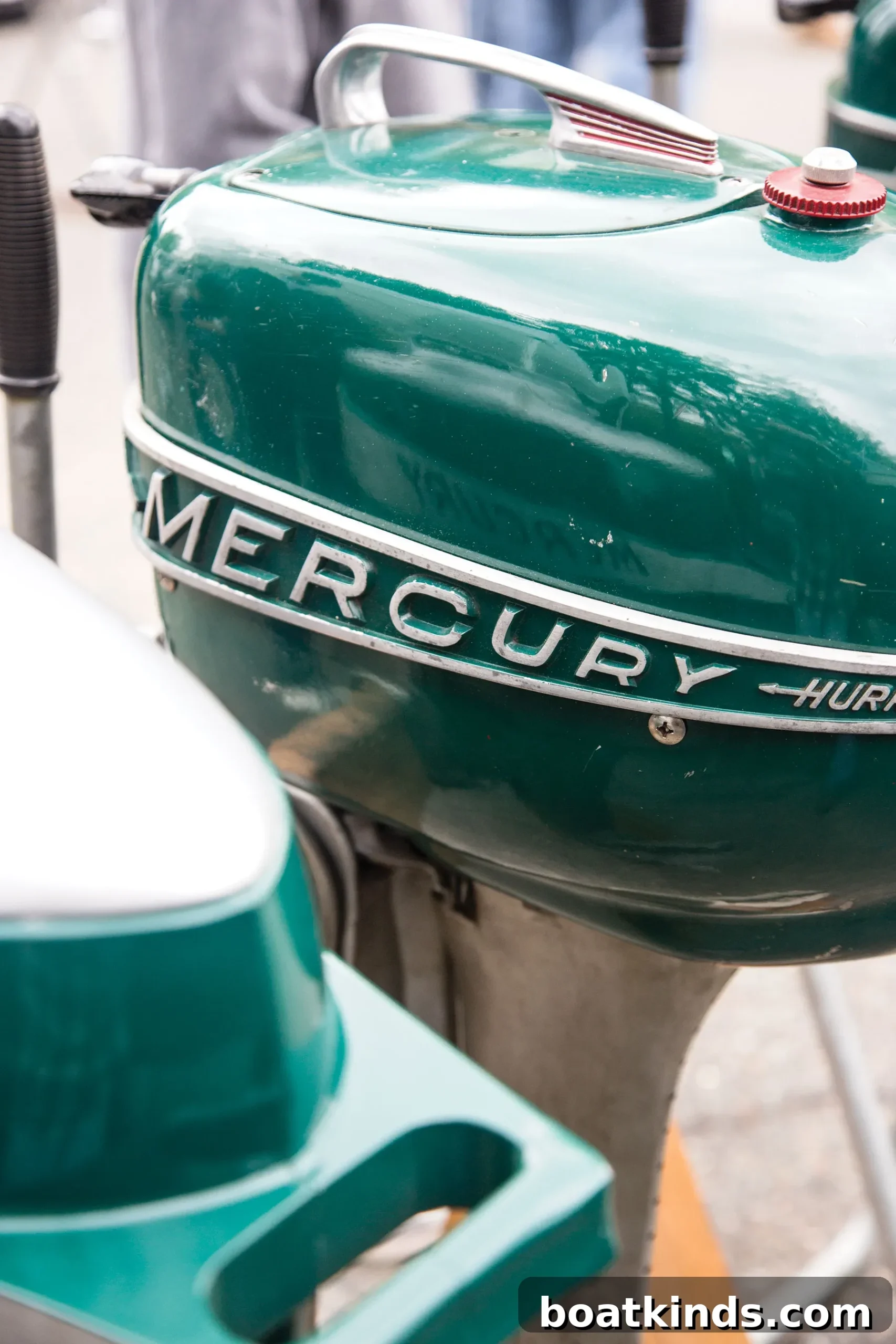
Some models are especially rare and sought after by collectors. Examples cited by members include earlier brands and models from the mid-20th century that are difficult to find today. Collectors often treasure these “unicorns,” and they frequently change hands among enthusiasts who can restore or use them for parts.
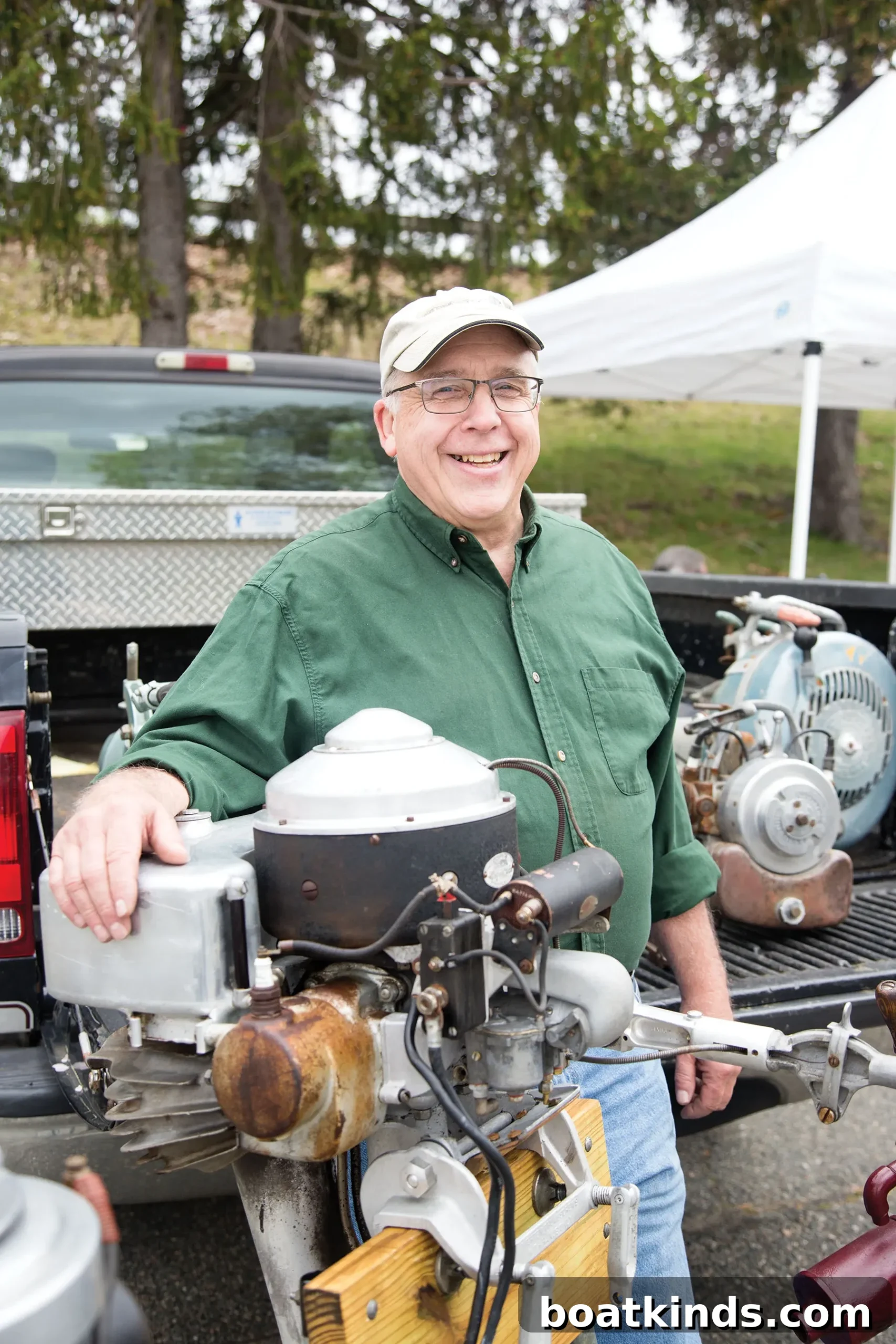
For members of the AOMC, the social bonds are as important as the machines. Hobbyists trade parts, expertise and stories, and they rescue engines that others collect for spares. The club’s spirit is one of cooperation, shared passion and good-natured camaraderie—where the joy of seeing a well-tuned vintage outboard run again is worth the time and effort.
This article was originally published in the July 2021 issue.