
Andrew Cooley always planned to take on classic boat restorations. “It’s something I was always planning for,” says the owner of Cooley Marine Management in Stratford, Connecticut.
Cooley’s life has long revolved around boats. By age six he was navigating Maine’s fog by compass, and after college he crossed the Atlantic with his father aboard a Westsail 32. He trained as a sailmaker at Doyle on Long Island, worked as a yacht rigger at Derecktor in Mamaroneck, New York, and rose to service manager at Derecktor’s Bridgeport yard. When the Bridgeport facility closed in 2011, Cooley launched Cooley Marine, starting out with a Volvo station wagon, a Chevy Astro van and Joao Paulo, another former Derecktor colleague.
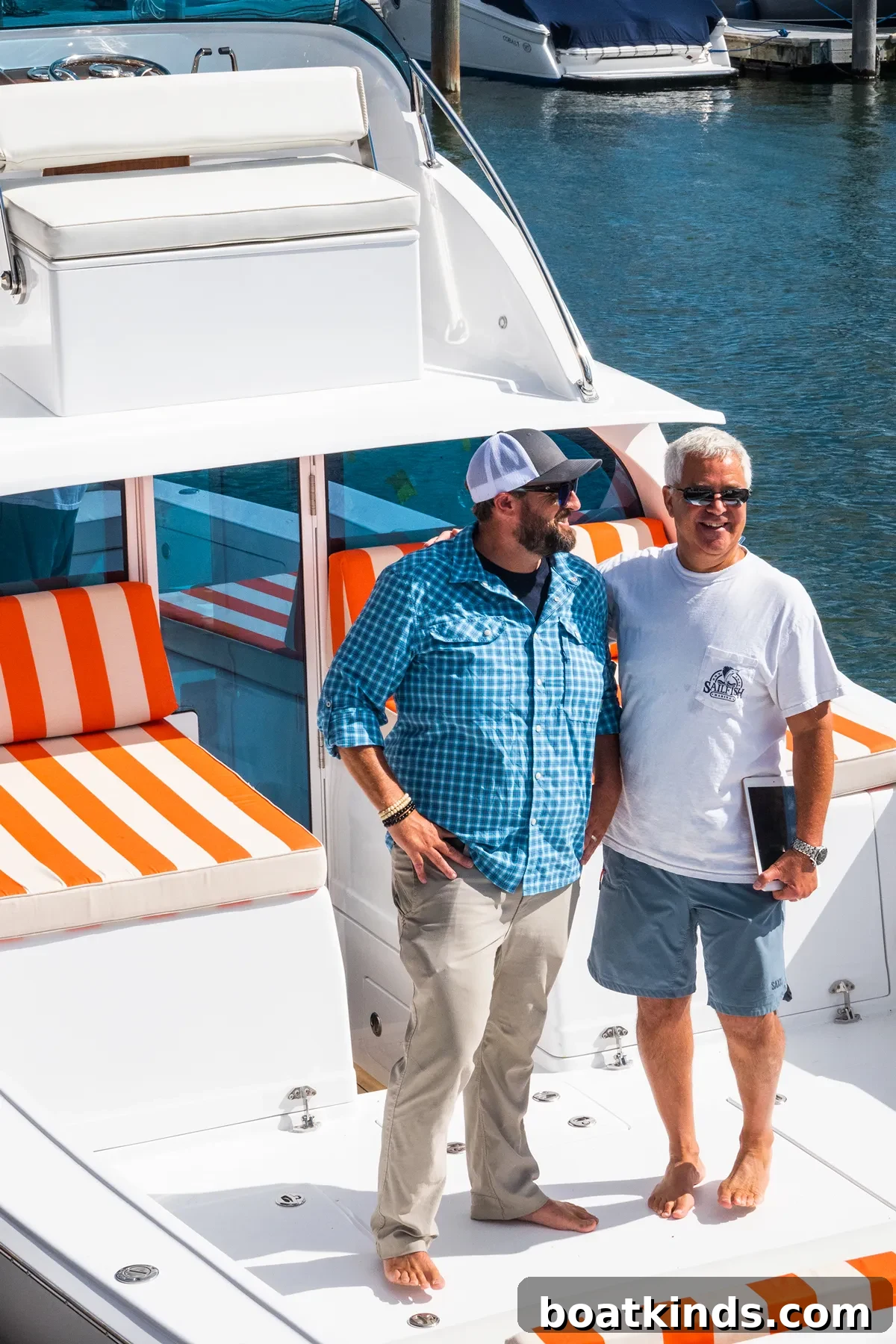
Cooley Marine built a reputation for large repairs and refits. The crew of 13 handles big fiberglass jobs after groundings, outfits interiors—insulation, floors, ceilings and furniture—and manages extensive refits. But Cooley had long wanted to restore a classic, and that chance arrived in 2018 when he met Justin and Sandi Bass of Norwalk, Connecticut.
Justin, an orthodontist and lifelong boater who owned a Tiara 42, wanted a retirement project. “We hit it off right away,” Cooley recalls. Justin admired Bertrams for their looks even though he’d never ridden in one.
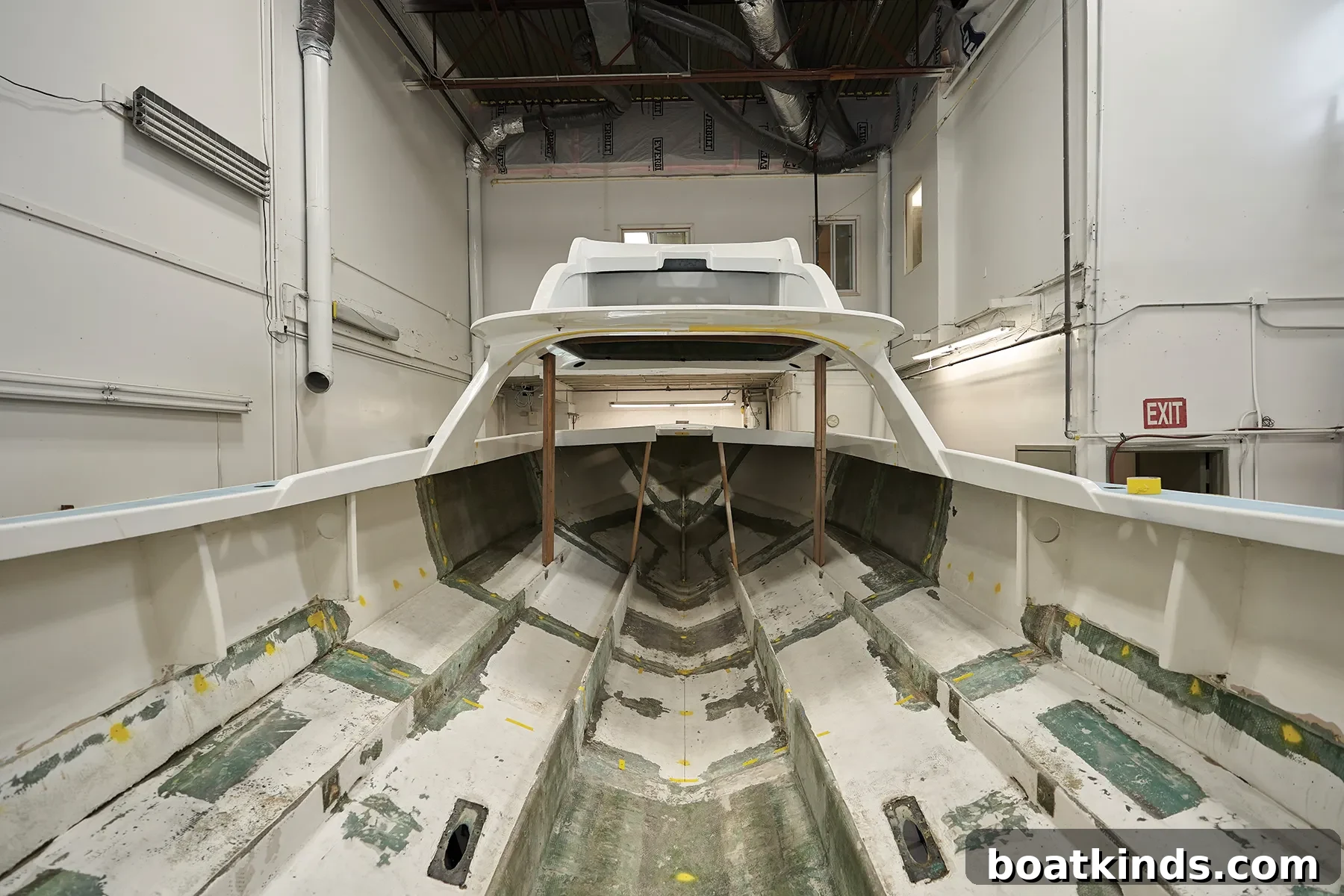
They located a suitable hull in Warwick, Rhode Island: a 1969 Bertram 31 Fly Bridge Cruiser with the renowned C. Raymond Hunt deep-V hull—famous for excellent seakeeping, a wet bow, a large cockpit and a compact interior. The boat had been partly stripped by another builder and arrived with rebuilt gas engines. “It was a good place for us to start,” Cooley says.
Initially the plan was modest: clean up the hull, install seating and finish a refit on a boat already demoed. As the pair inspected and sat in the cockpit, the project evolved. They discovered more demolition was needed and took the boat down to the stringers, still intending to reuse much of the original equipment.
After nearly a year of design work, Cooley proposed an alternative in 2019: instead of a cosmetic refit, why not build essentially a new boat—retaining the classic hull but modernizing everything else? Justin asked for a cost estimate and then said, “Let’s do it.” The scope expanded to include a new engine package, gears, throttles, props, electronic controls and a full glass wraparound windshield. The result would be a restored classic with contemporary performance and amenities—a true restomod. “The goal was to take everything to the next level,” Cooley says.
Then the pandemic arrived. “It was an uncertain time,” Cooley recalls, and Justin graciously offered to pause the project if needed. Cooley and his team shifted focus to an unexpected surge of repair work as new boat owners—many inexperienced—brought in damaged vessels. That steady stream of repairs helped keep the shop viable, and by 2021 Cooley felt financially secure enough to resume the Bertram.
Work continued through supply-chain delays and design challenges. By September 2022 the boat, named Old Fashioned, splashed. The finished craft blends the visual charm of a 1960s Bertram with modern engineering and conveniences.
Rather than reusing the rebuilt gas engines, the team installed twin 270-hp Nanni diesel engines with four-bladed 20-inch props on 1.5-inch shafts and new stainless struts. Cooley expects speeds north of 30 knots, while a 24-knot cruise consumes about 7 gph per engine—remarkable fuel efficiency for the package. Kraft Power of Pompton Plains, New Jersey, handled the engine installations.
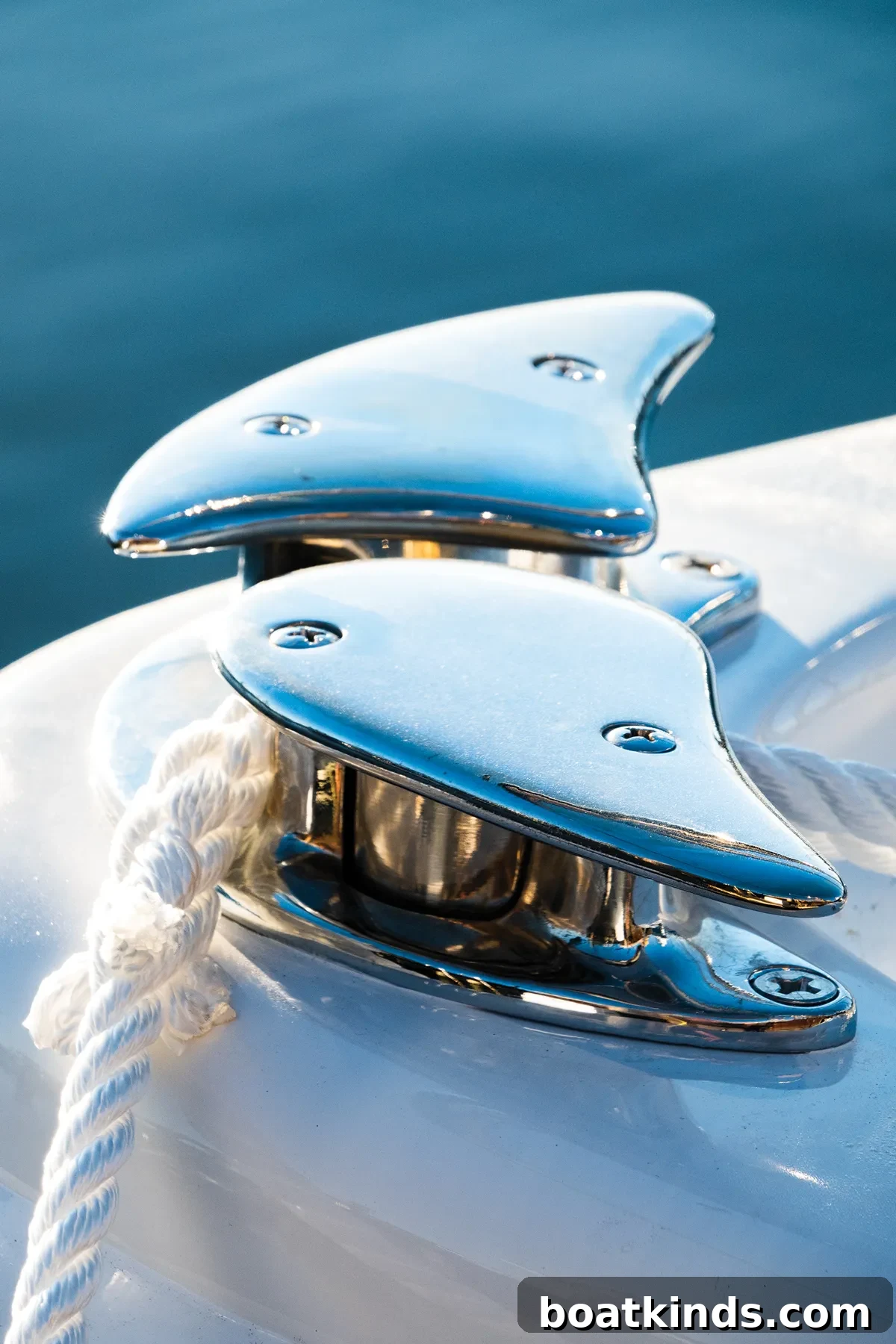
To accommodate a generator, the cockpit received a three-piece full-beam bench seat with a center locker housing a NextGen 3.5-kW unit. Aside from the hull, only five original Bertram parts returned to the boat: the rudders; the distinct Bertram bow chocks (re-chromed); the port and starboard flybridge steps; the aluminum rub rail; and a navigation light that was repaired and reused.
The Basses wanted to preserve the 1960s character—and that inspired the boat’s name—yet avoid the maintenance of real wood. Cooley enlisted Lou DeFusco to craft a faux-teak transom and a wooden-look helm pod. “That detail adds a whole other level,” Cooley says.
Justin treated the refit as a retirement project, researching many details (he’s still on the hunt for a 1960s outboard for the dinghy). He and Sandi worked with interior designer Kimberly Pratt of Kimberly Ann Interiors in Norwalk, who embraced an unconventional brief: “I’m gonna make it look just like a house,” she told them. Sandi, who is in the furniture business, collaborated closely with Pratt to bring home-style sophistication aboard.
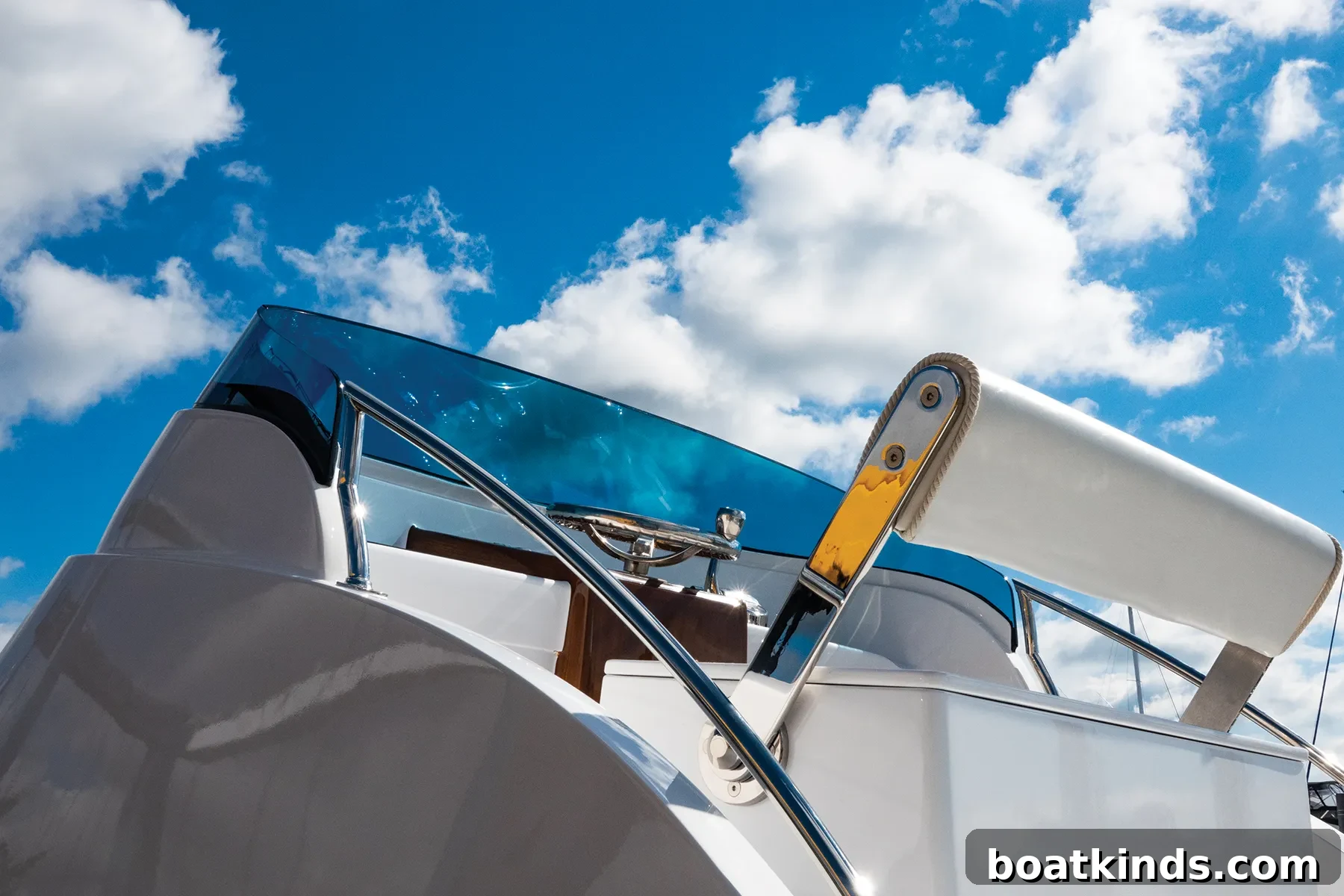
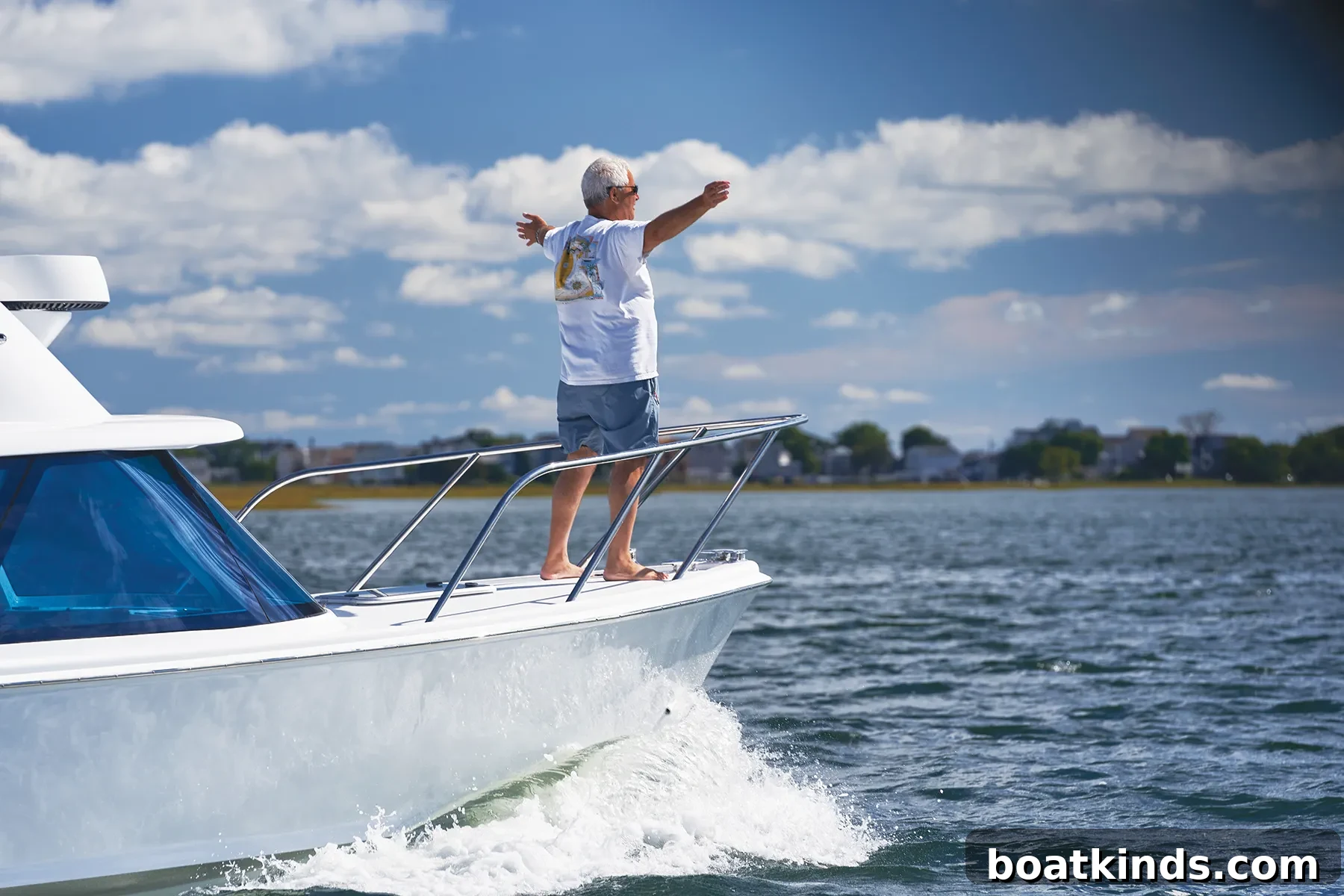
Former project lead Andy McNab was initially skeptical of some design choices, but even he was won over when Pratt designed a stainless-steel flybridge handrail that seamlessly bends out of the blue glass visor. Charlie Marques of Mystic Stainless fabricated the custom stainless work, including railings and reversible backrest supports. “It became a work of art,” Cooley says.
The exterior was painted snow white and the interior stark white to serve as a bright canvas. Orange accents deliver a 1960s vibe—striped cushions on the aft bench and sun pads, an orange-outlined transom logo, and an orange boot stripe. Joao Paulo applied the paint work, which makes the colors pop.
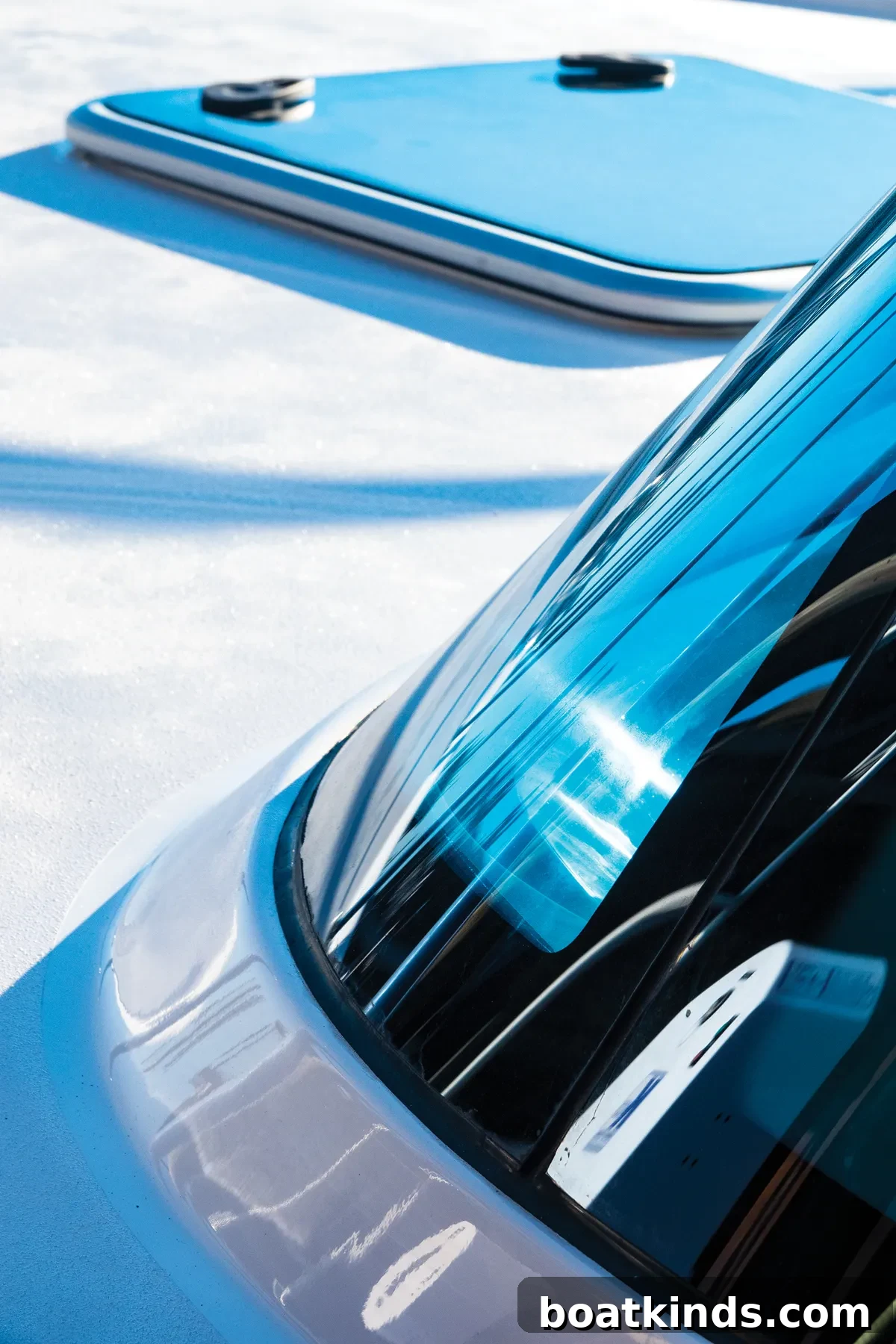
Most striking is the blue wraparound glass. The original lower helm had aluminum-framed windows; Cooley’s team removed them and collaborated with Burke Design of Centerville, Massachusetts, to engineer a composite structure capable of supporting curved glass and the flybridge above. Cooley then fabricated mullion frames and a flanged recess, and ProCurve Glass Design of Hatboro, Pennsylvania, produced the laminated blue reflective panels.
The idea for the blue glass came from the Basses, who spotted a building wrapped in blue glass in Chicago and wanted that same effect. “It looks like the boat is wearing Costa wraparound sunglasses,” Cooley says. On sunny days the glass reduces glare, enhances the view and makes the interior feel more open. To increase comfort, the cabin headroom at the helm was raised to seven feet by lifting the liner up to the flybridge controls, and the light Mediterranean teak Permateek sole keeps the interior bright. Because the windows are fixed, air conditioning maintains a comfortable climate.
The interior layout keeps sleeping accommodations simple: a forward V-berth and a portside convertible settee. The Basses plan to mostly stay ashore on overnights, so the galley is intentionally small. However, the head received special attention. Where most Bertram 31s had a simple portable head beneath the V-berth, the Basses wanted a full enclosed head. Cooley relocated it to the starboard aft space in the upper cabin and used switchable “magic glass” from ProCurve for privacy—flip the switch and the glass goes opaque.
Cooley admits he’s not sure of the final tab. “I don’t even know,” he says. “For all intents and purposes this is a new boat. It’s completely modern with a classic proven hull design that nobody else has.” He emphasizes that once the restoration passed a certain point, cutting corners wasn’t an option. The Bertram 31 project demonstrates what Cooley Marine can achieve when craftsmanship, design and modern systems come together.
The Basses still keep their Tiara 42, but after spending time aboard Old Fashioned they may make the Bertram their primary boat. Justin, perched on the flybridge with the seatback flipped to overlook the large cockpit, can’t hide his pleasure. “I dreamed about this spot,” he says. “This is just how I imagined it. Now I need to work on my peach-flavored Old Fashioned.”
This article was originally published in the November 2022 issue.