Tragic Carbon Monoxide Poisoning on a Boat: The Story of Andy and What Boaters Need to Know
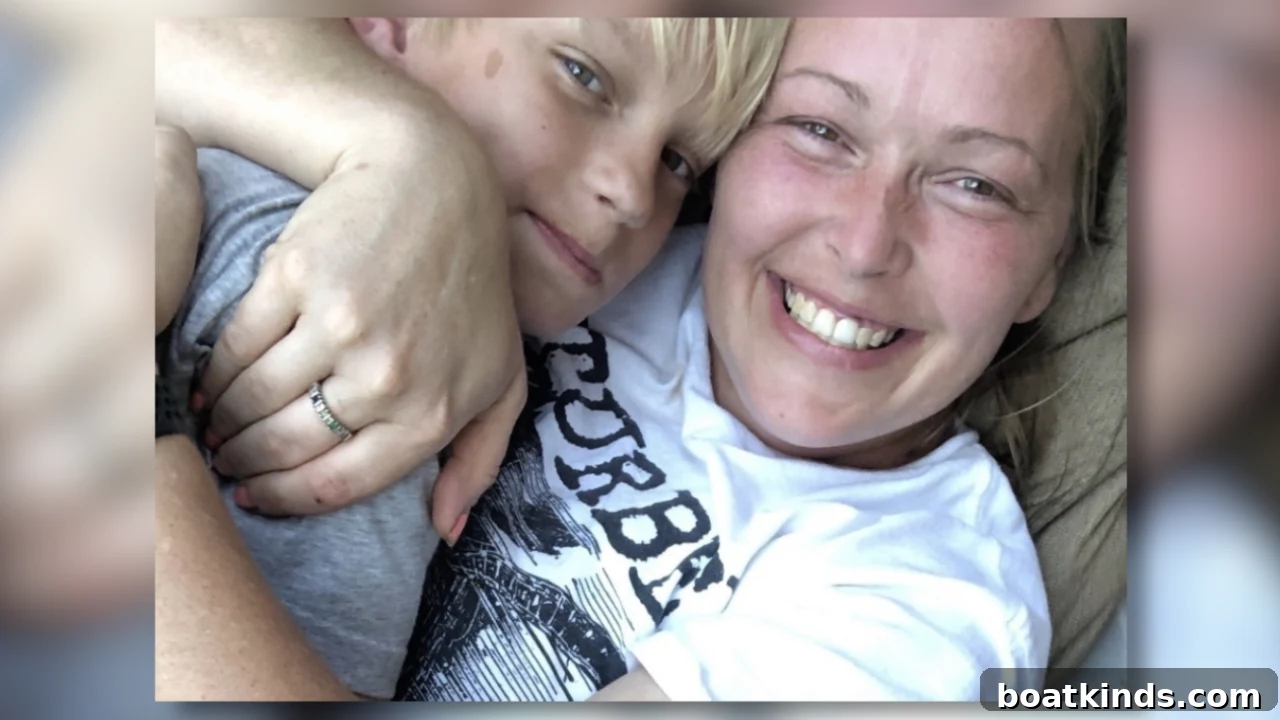
Cassi Free, a mother from Broken Arrow, Oklahoma, faced a nightmare no parent should endure when her 9-year-old son, Andy, crawled to the stern of their boat, lost consciousness and fell into the water. Although the official cause of death was listed as drowning, medical examiners determined that the immediate trigger for his fall was acute carbon monoxide (CO) toxicity. An autopsy reported a carbon monoxide level of 72 percent.
Carbon monoxide is an odorless, colorless gas produced by internal combustion engines. On boats, CO can accumulate around cockpits, swim platforms, cabins and other aft areas when engines are running, idling, moving slowly, or when exhaust backdrafts into occupied spaces. When concentrated in these areas, it can cause what is sometimes called open-air carbon monoxide toxicity—poisoning that occurs outside a closed cabin.
Andy’s two brothers experienced headache, nausea and dizziness—classic symptoms of CO exposure—and were taken to hospital where they recovered. Headache, nausea, dizziness, confusion, weakness and loss of consciousness are common warning signs of carbon monoxide poisoning and should prompt immediate movement to fresh air and medical evaluation.
Public health research underscores that CO on boats is a persistent risk. A joint review by the CDC and OSHA found more than 800 boating-related poisonings between 2000 and 2014, with 140 of those incidents resulting in death. These figures highlight the importance of awareness and practical prevention measures among boaters, marinas and manufacturers alike.
How CO Builds Up on Boats
Boating conditions that allow exhaust to linger near the vessel—slow-speed operation, idling, congested marinas, and certain hull and exhaust designs—can concentrate carbon monoxide near the stern and swim platform. External seating areas and open cabins are vulnerable when exhaust flow is disrupted or redirected toward occupied spaces. Even outdoors, CO concentrations can rise quickly enough to create immediate danger for people sitting or standing in those zones.
Calls for Better Warnings and Safer Practice
Following Andy’s death, Cassi Free has urged marina operators and boat docks to install clear warning signage that informs boaters and visitors about the dangers of carbon monoxide. She has also pushed for improved recall notifications and clearer manufacturer guidance so owners better understand risks associated with engine operation, exhaust configurations and aftermarket modifications.
“He was the kid that was going to grow up and change the world,” Cassi said of Andy. “But we’d like to think that he’s still going to change the world.” Her advocacy emphasizes awareness, education and practical safety steps to prevent other families from suffering similar loss.
Practical Safety Steps for Boaters
To reduce the risk of CO exposure on boats, consider these universally recommended precautions:
- Install marine-rated carbon monoxide detectors in cabins and enclosed spaces and test them regularly according to manufacturer instructions.
- Avoid sitting or standing on the stern, swim platform or near exhaust outlets while engines are running or idling.
- Do not allow engines to idle for extended periods when people are near the transom or when boats are close together in a marina.
- Keep vents, windows and companionways clear of exhaust and fumes; ensure proper ventilation throughout the vessel.
- If anyone on board reports headache, nausea, dizziness or any other possible CO symptoms, move them to fresh air immediately and seek medical attention without delay.
- Follow manufacturer guidance for engine maintenance, exhaust systems and approved modifications to reduce the risk of backdrafting.
Awareness Saves Lives
Andy’s tragic death is a stark reminder that carbon monoxide is a silent hazard on the water. Awareness, proper equipment, careful engine operation and clearer warning signage at marinas and docks can reduce the risk of poisoning. By sharing this story and following basic safety measures, boaters and marina operators can take concrete steps to protect families and prevent future tragedies.