
Boating in a Pandemic: How Marinas and Boaters Are Adapting on Lake Hopatcong and Beyond
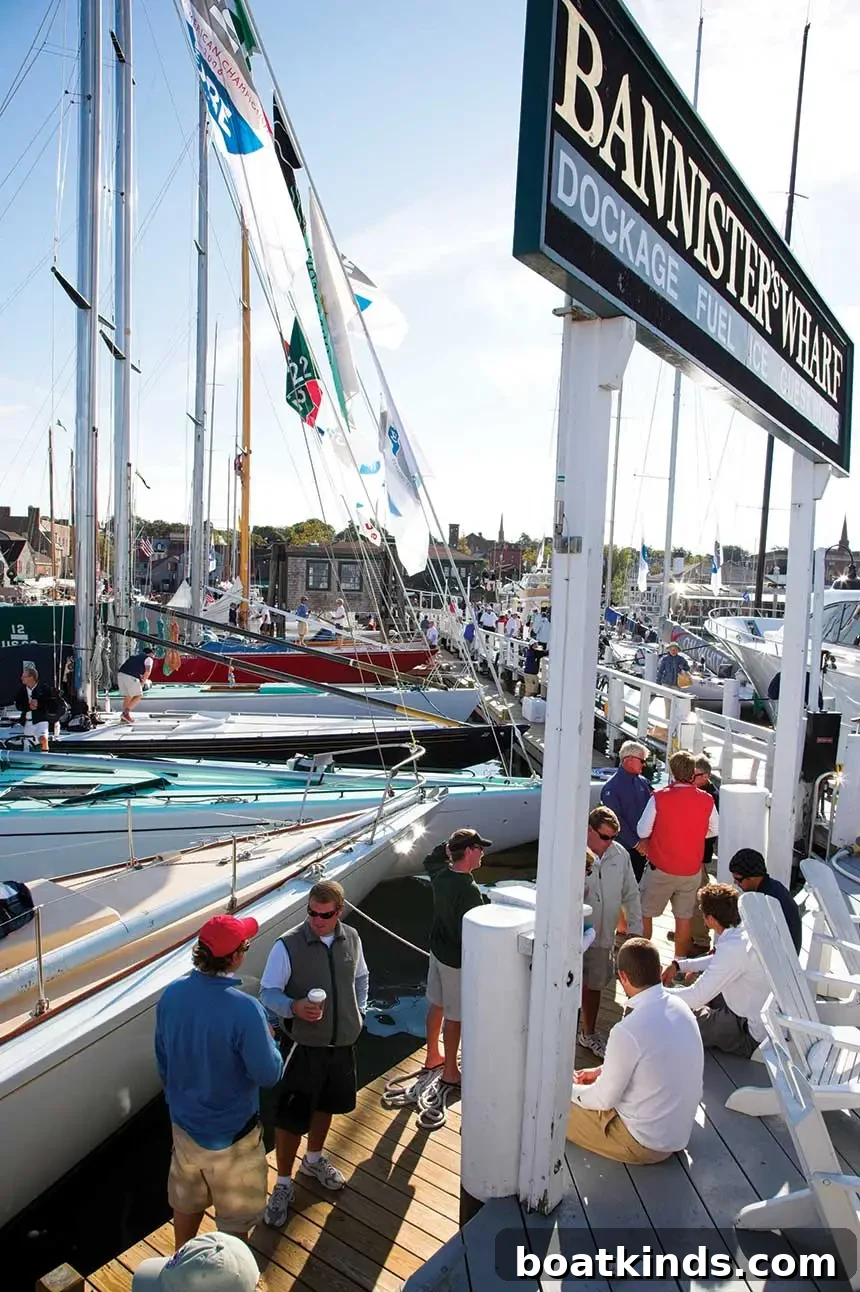
Ray Fernandez manages Bridge Marina on Lake Hopatcong, New Jersey—a state that, after New York, was one of the hardest hit early in the Covid-19 pandemic. As the virus prompted shutdowns in March, just before the Northeast’s annual commissioning season, Fernandez and his team contacted roughly 2,500 clients to discuss plans for the coming boating season. Though spring hadn’t fully arrived, boaters in other states were already seen on the water, and many local owners were eager to get out. Still, most Bridge Marina customers were cautious.
“About 75 to 80 percent said, ‘Thanks for calling, we want to go boating, but we’re going to wait and see,’” Fernandez says. He notes a stark contrast between responses from New Jersey customers and boaters in states such as Florida, Maine and Connecticut. The difference echoes the varied local experiences during crises—everyone felt the pandemic’s effects, but New Jersey’s early high hospitalization and death rates shaped behavior more strongly.
Regional variation in restrictions, public concern, and hospitalization trends will shape how marinas operate this summer. Marina operators, industry groups and boaters are navigating uncharted territory, trying to create safe, practical procedures that can adapt to local conditions.
“What’s challenging for marina owners and operators is that they’re under state-by-state, and locality-by-locality, different restrictions,” says Eric Kretch, legislative and outreach coordinator for the Association of Marina Industries. “You might see one state with very few restrictions, and then other marinas are under really strict guidelines. It’s a real challenge, and every business is different too.”
Because New Jersey faced severe impacts early on, Bridge Marina’s rules illustrate how strict, safety-first procedures can look. Ahead of a warm early-May weekend—when many people would naturally want to head out—Fernandez spelled out clear protocols to clients. He warned there would be no dockhands to assist with lines; everyone entering marina property had to wear a mask and gloves and must carry a life jacket while on the docks because staff would not be available to monitor safety. Payments were required online to avoid in-person exchanges, and clients were asked to bring extra face coverings, hand sanitizer, and any food or drink they planned to consume, since nearby restaurants and stores remained closed. Fernandez also encouraged boaters to use Apple’s self-assessment tool to decide whether to come to the marina at all.
He requested that customers avoid clustering when parking, refrain from socializing on docks, not assist other boaters with lines, keep masks on until boats were safely clear of slips, and avoid rafting up on the water—essentially asking for heightened etiquette and self-reliance. Every client complied without complaint, picked up their boats and left, Fernandez reports.
Marinas in states with fewer Covid-19 cases may see these measures as excessive, but the experience in New Jersey demonstrates a workable approach should a local hotspot appear. Boat owners appear willing to modify behavior to keep waterways open and safe.
“Boaters still want to boat,” Kretch says. “People are engaging with marinas, wanting to know whether they’re open and what the new operations are. A lot of boaters expect changes and will do what it takes to get on the water.”
Data from Dockwa, a digital slip-reservation platform that partners with nearly 1,100 marinas, shows how demand shifted in the spring. In April, when many states enforced stay-at-home orders, transient bookings dropped roughly 50 percent nationwide and fell about 90 percent on the Intracoastal Waterway. However, by early May, transient bookings for June through August were tracking close to the same pace as last year. Boaters’ top concern was not securing slips but the security of flexible cancellation policies should shutdowns return.
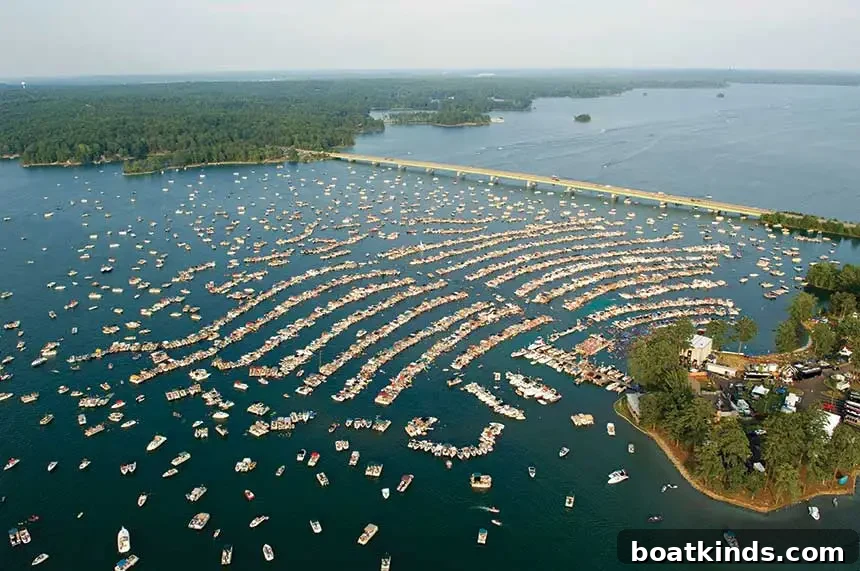
“That means people are still looking to use their boats this summer, and it means that marinas need to be very lax on their cancellation policies,” says Mike Melillo, co-founder and CEO of Dockwa. He reports marinas as far south as North Carolina removing dockhands to protect staff, shifting to online payments, and increasingly requesting digital booking systems. April was Dockwa’s busiest month ever for marina onboarding requests.
Melillo warns there’s little cohesive federal guidance, so local operators must apply common-sense precautions similar to those used in grocery stores: hand sanitizer, masks, and reduced person-to-person contact. Some operations are simpler to adapt than others. Fernandez says he managed to enforce social distancing in service areas and limit staff to essential personnel, but he wasn’t yet comfortable reopening the fuel dock. Fuel docks and boat ramps are likely to be pressure points this summer because they concentrate people and shared surfaces.
Dockwa encourages marinas to maintain digital logs of arrivals and departures. Detailed records aid contact tracing if a boater later tests positive for Covid-19 and can demonstrate to regulators that the marina acted proactively to limit exposure.
Another important consideration is boater skill and self-sufficiency. With dockhands unavailable, some owners who normally rely on assistance will need a refresher on handling lines and fenders and performing basic docking tasks solo. Fernandez emphasizes preparation: have lines ready, fenders out, and be prepared to manage the boat without multiple helpers.
Despite concerns, interest in boating surged as weather improved. Bridge Marina’s boating club—an option for people who don’t own boats but want to rent—received multiple calls in a single day from people seeking socially distanced outdoor activity. Some callers were non-boaters who viewed being on a boat as a safer way to spend time outside.
Where strict lockdowns have kept people inside longer, residents may be more inclined to follow rules designed to preserve boating access. Melillo urges individual responsibility: follow marina rules, respect safety measures, and help local marinas demonstrate that boating can be a responsible way for people to safely enjoy the outdoors.
This article originally appeared in the July 2020 issue.