
The Other Side of the Ice: A Family’s Northwest Passage Odyssey
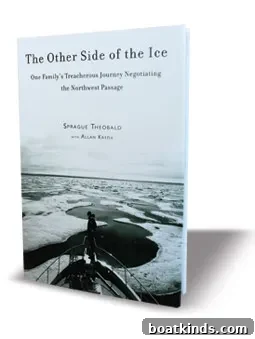
Sprague Theobald’s memoir, The Other Side of the Ice: One Family’s Treacherous Journey Negotiating the Northwest Passage, recounts an 8,500-mile bluewater voyage that becomes a personal and familial crucible. Published by Smith Publicity and available in hardcover and Kindle editions, the book follows a skipper who sets out from Newport, R.I., with a crew of five—among them his son and stepchildren—aboard a 57-foot Nordhavn bound for Seattle via Alaska. What begins as an ambitious maritime passage unfolds into a story about endurance, leadership, and the bonds that hold a family together under pressure.
Voyage and Setting
The voyage spans thousands of miles and a range of maritime environments, from familiar coastal waters to remote, icy stretches that test both vessel and crew. The route around Alaska challenges the team with mechanical setbacks and the ever-present unpredictability of weather and sea conditions. Theobald’s narrative situates the reader amid the practical realities of bluewater sailing—navigation, systems maintenance, and seamanship—while also conveying the psychological stresses that long passages can impose.
Family Dynamics at Sea
More than a straightforward travel narrative, the book is a portrait of family under strain. Bringing family members on a demanding voyage alters daily routines and relationships; onboard roles shift, conflicts emerge, and personal histories surface. The inclusion of his son and stepchildren adds intimacy to the account, as Theobald balances the responsibilities of skipper with those of father and stepfather. At times the family’s emotional dynamics create obstacles as significant as any mechanical failure or storm.
Leadership, Conflict, and Crew Tension
Theobald confronts not only natural hazards but interpersonal friction, including an obstinate crewmember whose attitudes complicate life aboard. These tensions reveal the challenges of maintaining authority and cohesion on a small vessel where personalities and decision-making intersect constantly. The author’s descriptions offer lessons about leadership at sea—how to make tough choices, manage dissent, and preserve morale when endurance is required.
Seamanship and Survival
Readers interested in maritime detail will find the practical elements of the voyage informative without becoming technical or dry. The narrative touches on mechanical troubleshooting, the necessity of preparedness, and the improvisations required when systems fail far from shore. These scenes emphasize an important truth for long-distance sailors: capability and calm are as essential as charts and engines. Theobald’s account shows how a well-handled response to problems can prevent minor issues from escalating into disaster.
The Emotional Core
At its heart, The Other Side of the Ice is about resilience—both personal and collective. The voyage becomes a proving ground where the skipper’s mettle is tested and his family’s resolve is revealed. The writing conveys pride, fear, hope, and frustration in balanced measure, presenting the complexities of choosing a life of adventure while shouldering real responsibilities to loved ones. The result is an intimate, human story set against the dramatic backdrop of northern seas.
Who Should Read It
This memoir will appeal to sailors and maritime enthusiasts who appreciate firsthand accounts of extended passages, as well as general readers drawn to adventure stories that emphasize family and character. It serves as both a cautionary tale about the demands of remote voyaging and an affirmation of why people are drawn to life at sea despite the risks.
Originally featured in the June 2014 issue, The Other Side of the Ice provides an engaging blend of travel writing, memoir, and practical seamanship. Sprague Theobald’s honest account offers insights into the logistics of long-distance cruising and the emotional costs and rewards of taking a family into waters that are as beautiful as they are unforgiving.