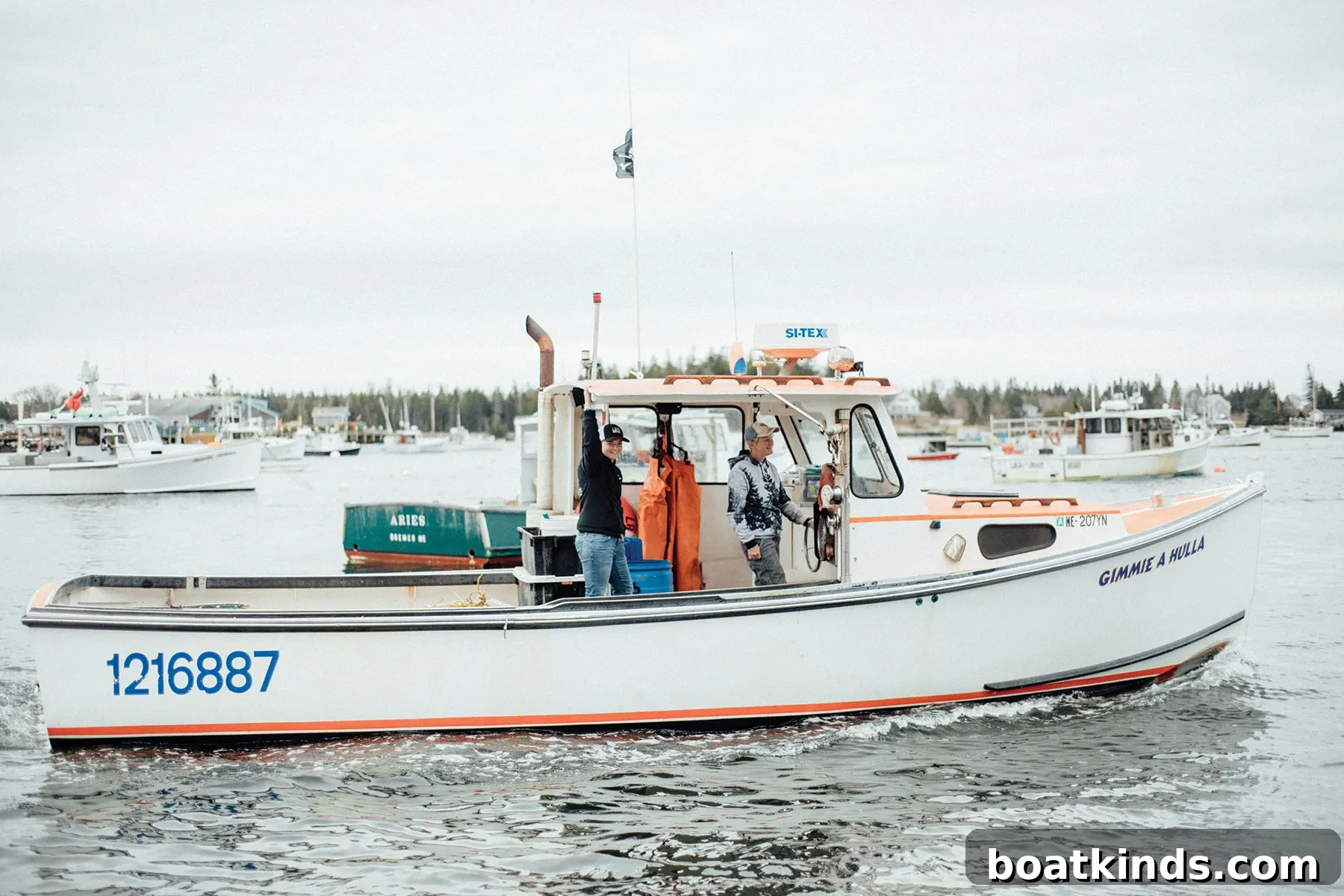
Kristen Porter fishes commercially for lobster and scallops from his 42-foot Wesmac out of Cutler, Maine. For years he has carried a federally approved tracking device on his boat—installed at his own expense for about $3,100 and costing roughly $60 a month for service—so regulators can monitor his activity in scallop fisheries and ensure compliance with the rules.
“It’s burdensome,” Porter says. “You have to log in before you leave the harbor. If you forget and remember when you’re halfway out, you either have to call and hope someone can help you, or go back and start over.”
Now Porter and other commercial fishermen could face another requirement: a second tracking device, this one specifically tied to lobster and Jonah crab fishing. In early August, the Atlantic States Marine Fisheries Commission announced it is considering a proposal to mandate electronic tracking on federally permitted vessels that participate in the American lobster and Jonah crab fisheries.
The commission says the additional tracking would provide more precise information about where boats fish, how fishing areas shift over time, and whether fishing activity overlaps with habitats or migration routes used by endangered North Atlantic right whales. The data could also help reduce conflicts between fishing and other ocean uses, such as aquaculture and offshore wind development.
“It’s a double-edged sword,” Porter admits. “Big Brother will know where you are. But when a large company proposes putting wind turbines where we’ve been fishing for generations, having concrete data that proves we fish there can be a powerful defense.”
This push for mandatory tracking comes as marine spatial planning accelerates. Marine spatial planning applies the familiar concept of land-use planning to the ocean—identifying where activities such as conservation, fisheries, energy development, and aquaculture can occur with minimal conflict. The modern federal effort to coordinate ocean uses gained momentum after President Obama’s 2010 executive order calling for the development of coastal and marine spatial plans.
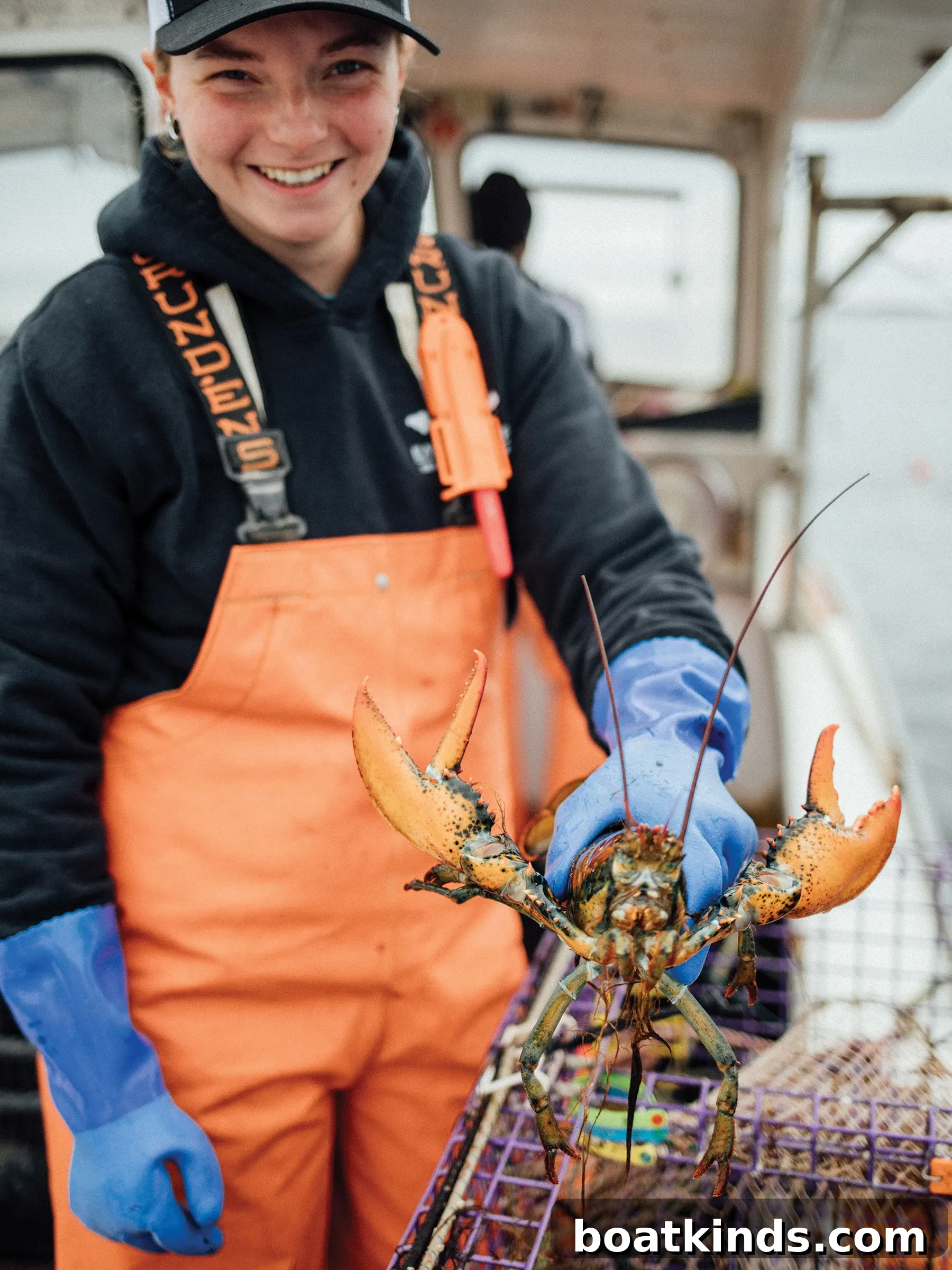
Toni Kerns, director of fisheries policy for the Atlantic States Marine Fisheries Commission, often represents the interests of fisheries at planning meetings. Her consistent challenge: fishermen have traditionally used many areas, but lack the spatial data to prove it in formal planning settings. “There needs to be a better way for us to show that this is lobster-fishing ground and that it matters to local communities,” she says.
Most of the fishermen affected by the proposed requirement are in Maine. Many anticipated this move for some time, but Porter says frustration will grow once the mandate takes effect. Cost is a major concern—especially since the commission has not clearly stated who would pay for the new devices. Another worry is the possibility of duplicate systems on a single vessel if trackers remain required for different fisheries or monitoring programs. Fishermen also worry that location data could be used for enforcement in ways that make them uncomfortable.
Still, electronic tracking and data collection are already common in many fisheries around the world. The Food and Agriculture Organization of the United Nations recognizes data collection and analysis as essential elements of modern fisheries management. “The lobster fishery is one of the last that we manage with limited harvester reporting,” Kerns points out. “We have 100 percent dealer reporting, but without data from the harvesters themselves, it’s hard to understand precisely where lobsters are being caught.”
Mandatory onboard tracking for federally permitted lobster vessels would fill that gap, providing spatial data to show where harvests occur and how fishing effort shifts over time. That information, Kerns says, would support science-based decisions and help fisheries stake their claims in planning discussions with other ocean users.
As of late August—about two weeks after the commission announced the proposal—Kerns reported little public pushback, though fishermen remain wary and are awaiting additional details. The commission’s timeline called for public comment and plan revisions through the end of 2022, with possible implementation of tracking and data collection in 2023 or 2024. The process, she cautions, will take months to years.
With growing interest from industry and government in offshore wind, aquaculture, and other ocean uses, Kerns says fisheries must act quickly to document where they operate. “The ocean is being proposed for a lot of different uses,” she notes. “Without reliable data that shows where our fisheries are, it’s difficult for fishing communities to retain their traditional areas.”
She also expects recreational boaters to become more engaged in marine spatial planning. GPS and AIS logs from personal navigation systems could become valuable records if boating organizations choose to provide opt-in access to support conservation or access goals. “Private industry and recreational users should consider how their location data might help them participate in these conversations,” Kerns advises.
This article was originally published in the November 2021 issue.