
Chris-Craft Triple-Cockpit Runabouts: Iconic American Dayboats
In 1874, a 13-year-old boy in Algonac, Michigan, built a skiff for himself. That young craftsman, Chris Smith, found an appreciative local market and soon began building more boats. His skills and entrepreneurial drive grew into Chris-Craft, a name that became synonymous with pleasure boating in America.
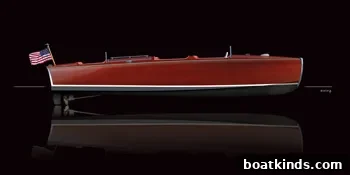
By the 1920s, Chris-Craft offered a wide range of models at varied price points so there was literally “a boat within the reach of everyone.” The prosperous atmosphere of the Roaring ’20s—when leisure activities and weekend motoring were on the rise—helped fuel demand. Before the decade ended, Chris-Craft had grown into the largest-volume producer of standardized powerboats in the world. Among their most distinctive offerings were the triple-cockpit runabouts: a family of elegant dayboats produced in 11 models beginning at 20 feet in length. The boat pictured here is a 25-footer from 1937.
These runabouts were instantly recognizable for their graceful lines and traditional wooden construction. Built with double-planked mahogany hulls, separated by oiled canvas, over sturdy white oak frames, they demonstrated a level of craftsmanship that combined beauty with seaworthy engineering. The classic finish and warm wood grain made them as much a style statement as a means of transportation.
Performance matched the boats’ refined appearance. Each runabout was powered by a single gasoline engine—commonly supplied by manufacturers such as Ford, Chrysler or Hercules—mounted between the middle and aft cockpits. That layout allowed these boats to achieve cruising speeds that made them lively on the water while still being described as “safe for the amateur to operate.” Reported operating speeds for various models typically fell into the range of brisk dayboating rather than racing extremes.
Chris-Craft marketed these runabouts like automobiles, and the analogy was deliberate. The helm featured an automobile-style steering wheel, a dashboard with gauges, throttle controls and a floor-mounted gearshift lever. Drivers sat behind an adjustable windshield, and the seating arrangement echoed touring cars of the era: bench seats with kapok filling split into three separate cockpits, providing a social, open layout ideal for sight-seeing and conversation.
These boats were about style and visibility as much as practicality. Triple-cockpit runabouts were designed to be seen—at yacht clubs, on summer lakes and in harbor parades. Their clientele included movie stars, business leaders and other high-profile owners who appreciated the combination of performance and refined styling. Many larger yachts of the day carried a Chris-Craft runabout as a tender, and the boats were also commonly used as water taxis and harbor tour vessels where graceful appearance and reliable handling mattered.
The stock market crash of 1929 and the economic changes that followed affected demand for luxury items, and Chris-Craft adapted by producing less-expensive Utility models with simpler, open layouts and a single seat. Despite that shift, the triple-cockpit runabout left a lasting impression on boat design and boating culture.
Today, original Chris-Craft triple-cockpit runabouts are highly prized by collectors, restoration specialists and enthusiasts of classic boats. Their mahogany hulls and traditional construction present both an aesthetic appeal and a preservation challenge: maintaining a wooden boat requires ongoing care, periodic re-caulking, varnishing and sometimes extensive restoration. Well-preserved examples and painstakingly restored boats are admired for their authentic lines, the glow of hand-finished wood and the evocative feel of a bygone boating era.
Beyond nostalgia, these runabouts continue to influence modern boat design where craftsmanship and proportion remain valued. Owners and restorers often emphasize authenticity—sourcing period-appropriate fittings, maintaining original cockpit layouts and preserving the visual details that made these boats distinct. Boat shows, classic boat regattas and restoration workshops keep the legacy alive, allowing new generations to experience the charm of mahogany runabouts on the water.
Chris-Craft’s triple-cockpit runabouts represent a chapter in American recreational boating that blended automotive styling, skilled wooden boatbuilding and a lifestyle centered on leisure and elegance. Their enduring appeal lies in the marriage of form and function: seaworthy hulls, comfortable layouts and the warm, tactile quality of real wood, all of which continue to captivate collectors and boaters who value classic maritime craftsmanship.
This article originally appeared in the February 2017 issue.