
EPIRB Rentals: Affordable Emergency Coverage for Offshore Boaters
There are roughly 12 million recreational boaters in the United States, but many stay close to shore or within VHF and cellular range. For boaters who plan to travel well offshore, an Emergency Position Indicating Radio Beacon (EPIRB) is a critical piece of safety equipment. New EPIRBs typically sell for between $600 and $700, a price that puts them out of reach for some occasional offshore users. To address that gap, the BoatUS Foundation for Boating Safety and Clean Water operates an EPIRB rental program that makes this life-saving technology accessible without a large upfront purchase.
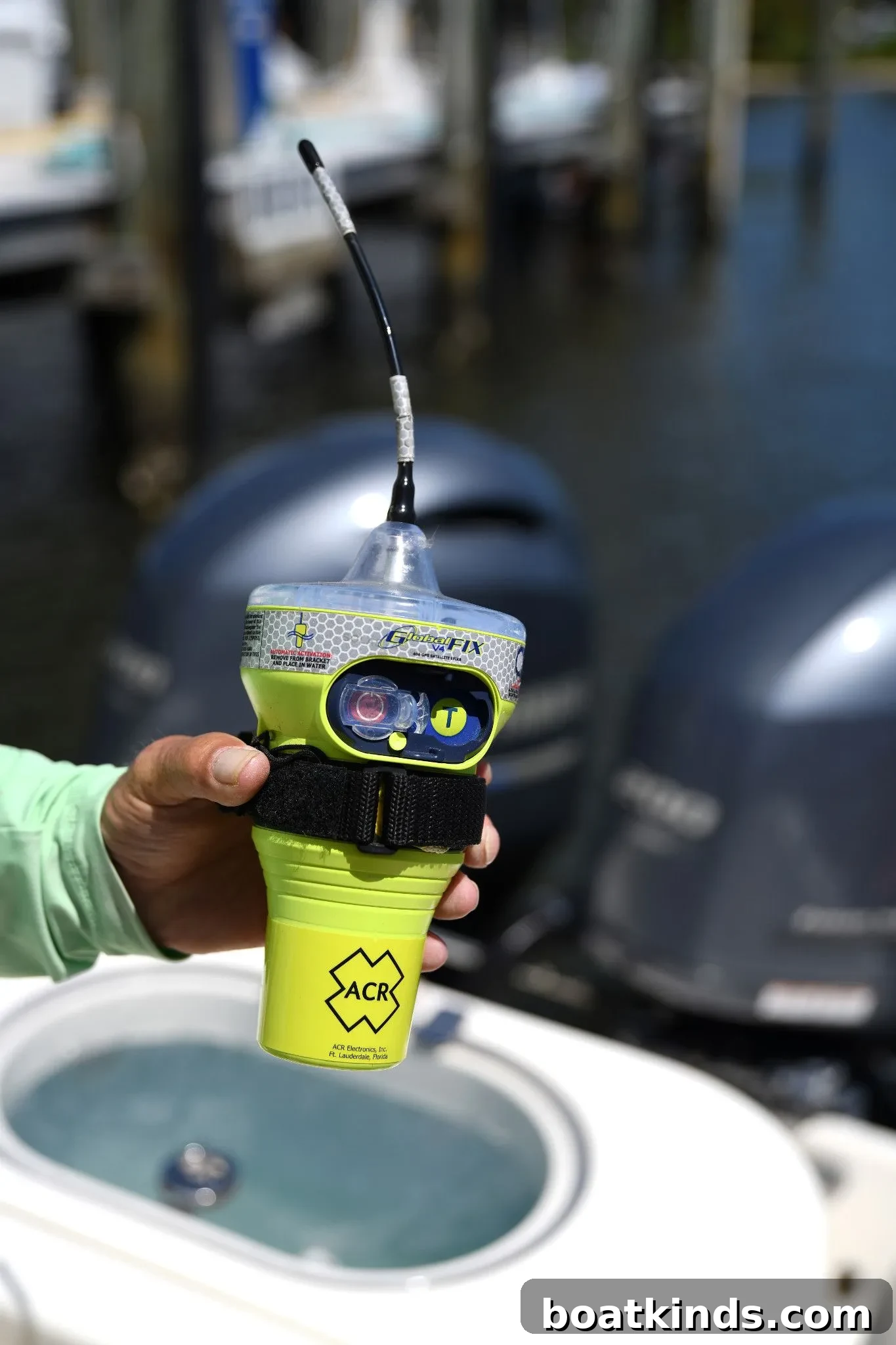
EPIRBs and Personal Locator Beacons (PLBs) serve similar purposes: they broadcast a distress signal that can be detected by satellite and relayed to search-and-rescue authorities. These devices are designed to be simple to operate in emergencies and to provide a reliable way to call for help when conventional communications are unavailable. For many recreational boaters who only occasionally venture beyond inshore waters, renting an EPIRB for a specific trip is a practical and cost-effective option.
Data from the BoatUS rental program shows that the average rental lasts about 10 days. “Our typical customer is the recreational boater who seldom travels out of sight of land but now needs a beacon, typically for a weeklong sailing race or fishing tournament, or they’ve selected a route that takes them far from the safety net of standard communications,” says Ted Sensenbrenner, director of boating safety for BoatUS. Customers often add a day or two for round-trip shipping, which is reflected in average rental lengths.
Rental pricing is straightforward and competitive. A 10-day EPIRB rental currently costs $120, which includes shipping. The BoatUS Foundation also offers Personal Locator Beacons (PLBs) for shorter-range personal use; a 10-day PLB rental costs $91. Since the program began, they have recorded multiple successful activations—28 EPIRB activations that have contributed to saving 69 lives since 1997—underscoring the real-world value of having an operational distress beacon on board.
If you find yourself going offshore more frequently, purchasing your own EPIRB is usually the recommended course. Owning a beacon removes rental logistics and ensures the device is available whenever you need it. Regardless of whether you rent or buy, it’s important to verify that the beacon’s battery, automatic/manual release, and mounting are in good condition before heading out. Routine checks and correct registration of the beacon with the appropriate national authority help search-and-rescue teams act quickly and accurately if a distress signal is sent.
Renting can be particularly appealing for infrequent offshore trips, one-off races, or budget-conscious boaters who want the safety margin of a distress locator without a large investment. The rental process typically includes clear instructions for use and return shipping materials, so renters can focus on their voyage with confidence that emergency communications are in place. For many, the combination of low cost, included shipping, and established program support makes renting an EPIRB the sensible choice for occasional offshore travel.
When planning a trip that will take you beyond VHF and cellular coverage, consider whether a rental EPIRB or PLB meets your needs. For program details and availability, search for the BoatUS EPIRB rental program on the BoatUS Foundation site or consult the foundation’s resources on EPIRBs and PLBs. Whether you rent or buy, having a properly functioning distress beacon aboard adds a vital layer of safety for you and your crew when operating offshore.