
Alaska Grocer Makes Weekly 14‑Hour Boat Runs to Keep Small Town Supplied During Pandemic
In a remote Alaska community, a local grocer has become the key lifeline for residents by taking on the difficult task of keeping the town stocked during the coronavirus pandemic. Toshua Parker, owner of Icy Strait Wholesale in Gustavas, has turned a private boat into a regular supply route, making a weekly 14‑hour, 50‑mile round trip to Costco in Juneau to bring food and essentials back to his island community.
Gustavas is a tiny settlement with no roads and very limited transportation options. The town is accessible only by private plane or by boat, so it relies heavily on scheduled ferry service and occasional shipments for groceries, household goods, and other necessities. When the pandemic arrived and severe storms damaged the town dock, the regular ferry service was suspended. The interruption of the ferry route and the disruption to normal supply chains left the community vulnerable to shortages.
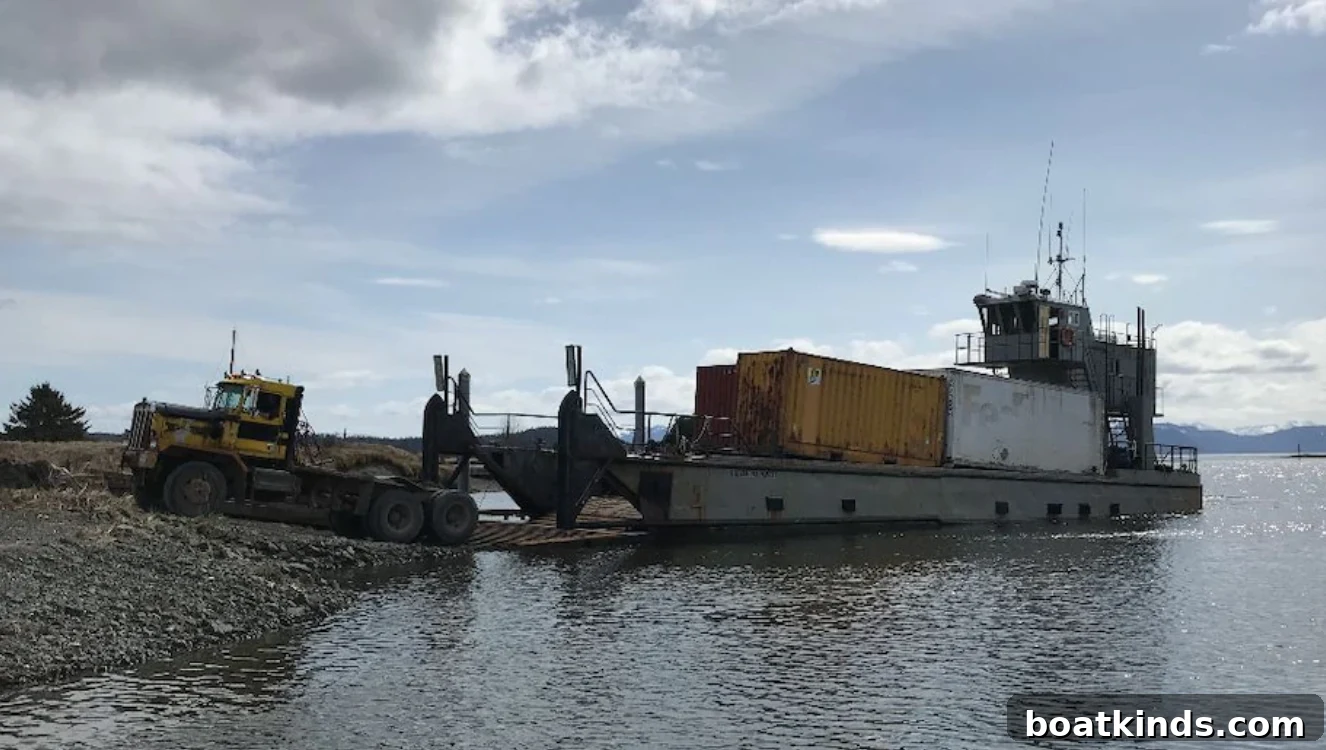
Rather than accept dwindling shelves, Parker organized an alternative. He borrowed a 96‑foot converted military vessel from a local fisherman and began loading shipping crates aboard to make the long trip to Juneau. Each week he brings back roughly $30,000 worth of food and supplies, replenishing the town’s small store inventory and ensuring residents can get what they need. These supply runs are physically demanding and time‑consuming—14 hours each way—and require careful planning, coordination, and a willingness to shoulder risk for the benefit of the community.
The practical challenges of supplying a remote town under pandemic conditions are significant. Limited storage, unpredictable weather, and the fragile nature of maritime logistics mean that a missed trip can leave households short on perishable goods and everyday staples. Parker’s decision to take on these weekly boat runs restored a critical supply line and reduced the strain on families trying to shelter in place. His actions have helped maintain access to fresh food, canned goods, and essential household items at a time when alternative sources were scarce.
Local leaders have acknowledged the central role Parker has played in keeping Gustavas functioning. According to Gustavas Mayor Casipit, “Toshua pretty much saved the town. I really don’t know what we would’ve done without him.” That praise reflects how a single small business owner can become the backbone of a remote community when larger systems break down. The combination of entrepreneurial initiative, a willingness to collaborate with neighbors, and the use of available maritime resources made these supply runs possible.
The story of Icy Strait Wholesale’s supply efforts highlights several broader issues facing isolated communities: the vulnerability of supply chains to natural disasters and public health emergencies, the importance of local businesses in resilience and recovery, and the adaptability required to keep essential services running when infrastructure is compromised. In places without easy road access, the community depends on people who can bridge gaps—individuals who are prepared to modify vessels, coordinate large purchases, and commit long hours to ensure deliveries.
For residents of Gustavas, the weekly trips are more than a logistical achievement; they are a reassurance that, despite storms and a global pandemic, essentials will still arrive. Parker’s runs to Juneau have alleviated immediate shortages and given the town time to adjust to a disrupted supply environment. His efforts serve as an example of local initiative and community support in a challenging time, demonstrating how determination and practical action can sustain small, remote towns when traditional services falter.