
Titanic II: Clive Palmer Reveals Plans for a Modern Replica
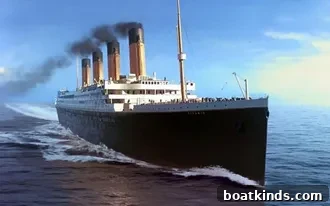
Last spring, Australian businessman Clive Palmer attracted worldwide attention with an ambitious proposal: to create a near-replica of the legendary RMS Titanic. On Tuesday, Palmer publicly revealed the detailed design for “Titanic II,” a modern reproduction he intends to build in China and operate under the Blue Star Line banner.
Design and Construction
The announced design aims to mirror the original Titanic’s exterior and period details while incorporating modern construction techniques and safety systems. Finnish designer Markku Kanerva, who worked on the project, described the vessel as intended to be “the most safe cruise ship in the world,” reflecting the planners’ emphasis on up-to-date safety standards that differ from the 1912 liner.
Planned Maiden Voyage
Palmer said the ship’s six-day maiden voyage is scheduled for late 2016 and will sail from Southampton to New York — a route chosen to “complete the journey” that the original Titanic began more than a century ago. The announcement at a New York press conference emphasized the symbolic nature of the voyage and the project’s aim to recreate the look and feel of early 20th-century ocean travel.
Onboard Experience: Period Atmosphere with Modern Comforts
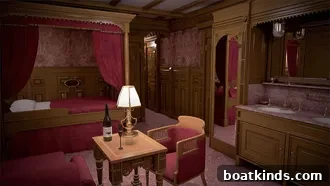
To evoke the era of the original Titanic, Palmer plans to outfit cabins with early 20th-century-style clothing and undergarments for passengers to wear during the maiden voyage, intending this as a way to immerse guests in the period atmosphere. In keeping with the nostalgic theme, the design reflects a desire to revive the perceived “romance” of a bygone age: televisions and Internet access will be intentionally absent, Palmer said.
At the same time, practical modern comforts will be allowed — for example, air conditioning will be available — creating a balance between historical styling and contemporary expectations for comfort and habitability on a transatlantic crossing.
Class Structure and Safety Differences
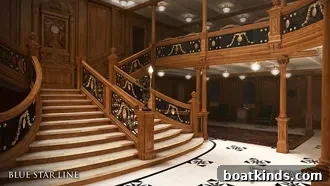
The Titanic II will preserve the three-class passenger arrangement used aboard the original Titanic, with separate accommodations and restricted access between classes. However, the designers note clear differences intended to address lessons learned since 1912. According to reporting that accompanied the unveiling, the lower decks will hold more passengers than on the original ship, but the vessel will carry a significantly larger complement of lifeboats and modern lifesaving equipment to comply with contemporary maritime safety regulations.
Public Reaction and Media Coverage
The project received wide media coverage, with international outlets reporting on both the nostalgic appeal and the controversy of recreating a vessel tied to a tragic maritime disaster. Coverage included images and visuals provided by the ship’s designers to illustrate how the replica would look and how its interiors might recreate period styling.
About Clive Palmer
Clive Palmer, who announced the project, is a mining magnate with an estimated net worth of about $5 billion. He founded Mineralogy and built his fortune through investments in mining and other natural resource ventures. Palmer is known for outspoken and often headline-grabbing statements on a range of subjects; one notable example is his public assertion that the U.S. Central Intelligence Agency was supporting environmental activism aimed at undermining Australia’s coal industry.
What Comes Next
With the design unveiled, the Titanic II project faces the usual challenges of large-scale shipbuilding: finalizing contracts, securing construction timelines, and meeting international safety and regulatory requirements. Supporters highlight the cultural and historical appeal of a faithful, modernized replica, while critics question the ethics and optics of recreating a vessel associated with a major loss of life. For now, the project remains a high-profile proposal that continues to spark discussion about heritage, tourism, and maritime safety.