
For much of the early 20th century, traveling quickly by powerboat was uncomfortable and often unsafe when seas turned rough. Even as marine engines delivered dramatically more horsepower in the 1940s and ’50s, hull designs lagged behind and simply could not make efficient use of that added power. Going fast in challenging conditions was, for most designers and owners, out of the question.
That changed when Charles Raymond “Ray” Hunt, a New England native with a tinkerer’s curiosity and a deep understanding of how boats interact with water, introduced a breakthrough hull form. Hunt’s mid-century experiments led to the deep-V hull, a design that allowed powerboats to cut through chop, handle at speed, and offer a vastly improved ride in adverse conditions. Today the deep-V is widely regarded as one of the most important innovations in modern boat design.
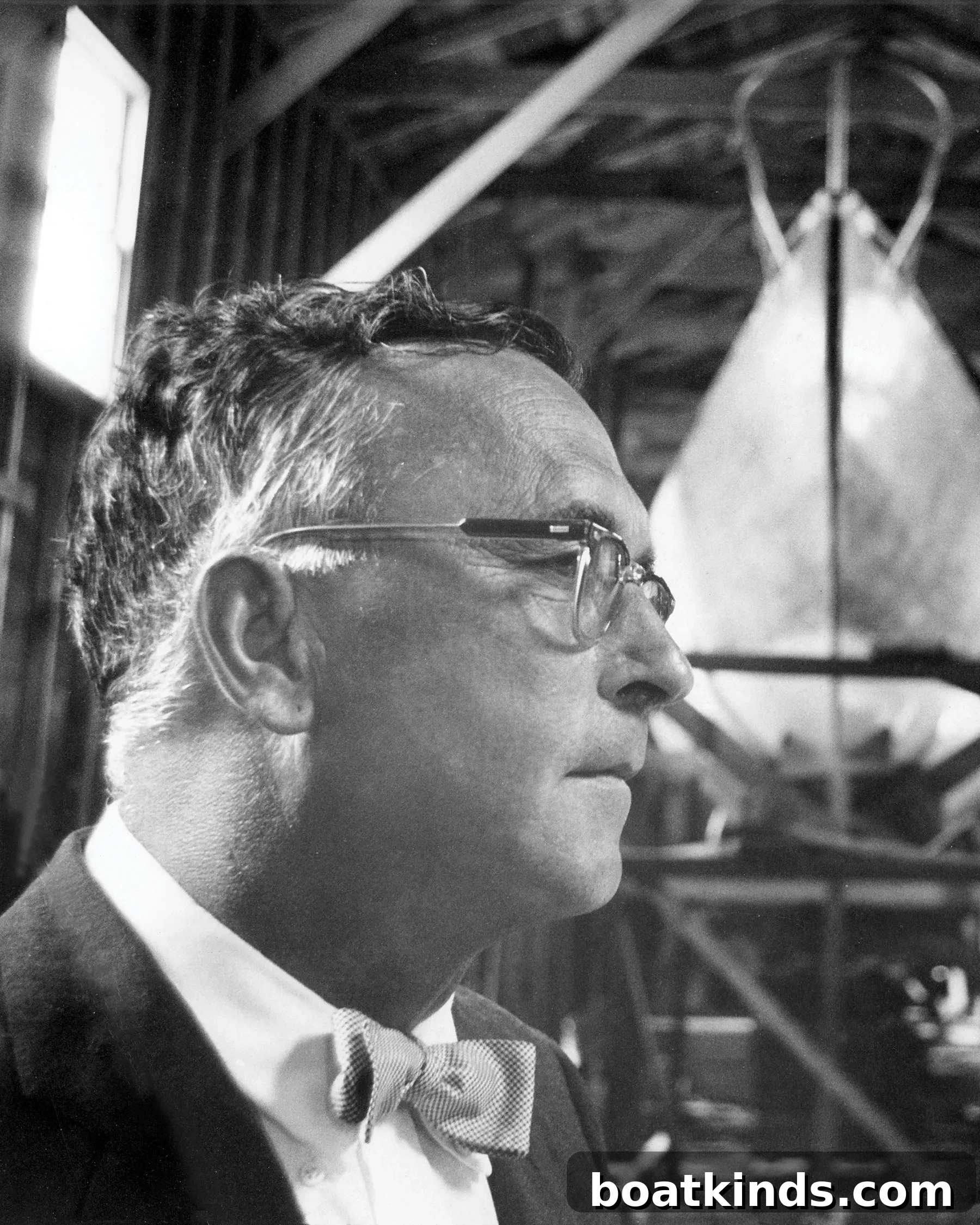
Hunt’s influence extended well beyond the deep-V. He designed numerous power and sailboat hulls and developed marine technologies that have shaped the industry for decades. His ideas continue to appear in contemporary models, and his firm’s design legacy remains central to many builder lineups and commercial fleets.
Formative Years
Born in Duxbury, Massachusetts, in 1908, Ray Hunt was a talented sailor from an early age. At 15 he won the prestigious Sears Cup in Marblehead Harbor in 1923—an early sign of the skill and competitive drive that would mark his career. This sailing background informed much of his later work, including a long list of successful sailboat designs.
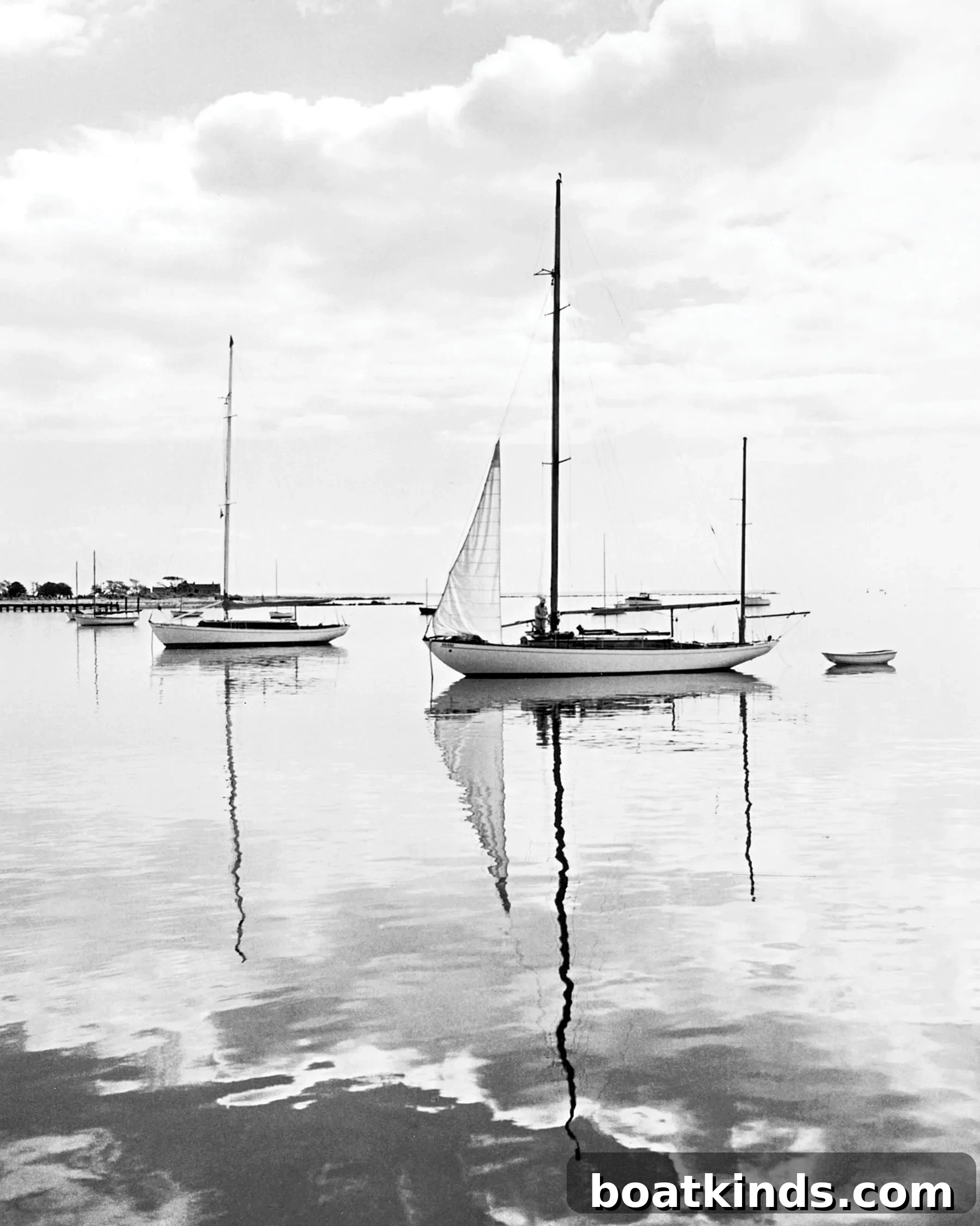
Hunt’s notable sail designs include the International series—110, 210, 310, 410, 510 and 1010—sleek one-design racers built in significant numbers and still actively raced today. He also designed a 12-Meter named Easterner, the Olympic gold-medal-winning 5.5 Meter Minotaur, and, perhaps most famously, the Concordia Yawl. Launched in 1938 after Hunt joined the Concordia Company in 1932, the Concordia Yawl became celebrated for its beauty, speed and offshore capability; of the 103 built, reports suggest 102 remain sailing.
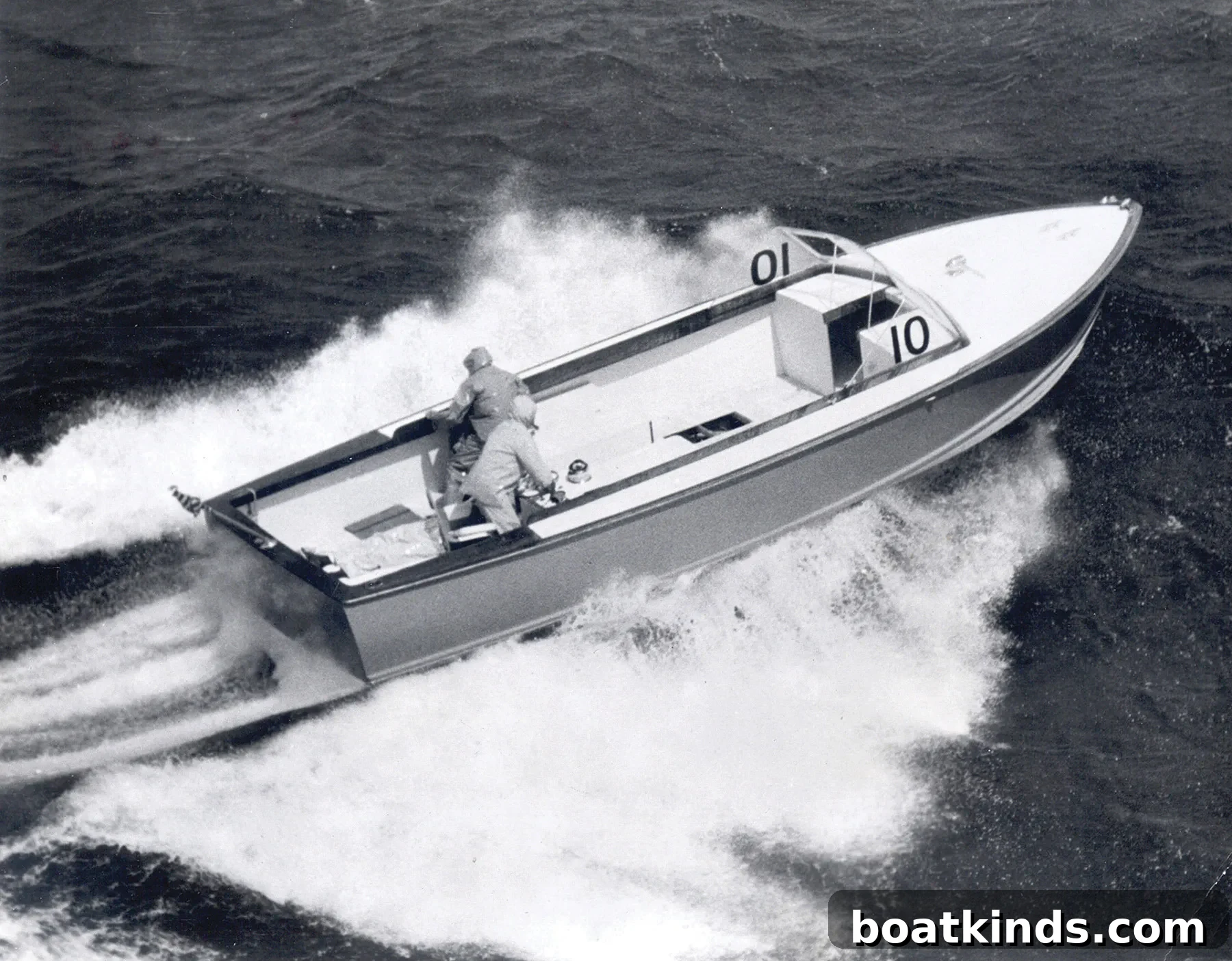
Hunt’s service in the U.S. Coast Guard during World War II proved formative for his powerboat work. In the late 1940s he began testing powerboat concepts, producing prototype hulls that explored new approaches to ride and handling. His first notable deep-V prototype, the Huntform 37, appeared in 1946 and bore some resemblance to lobster-boat forms. In 1949 he completed the 50-foot Sea Blitz, powered by a 1,500-hp Packard engine—an ambitious demonstration of what improved hull lines could achieve.
In 1957 Hunt collaborated with Dick Fisher and Bob Pierce on what became the Boston Whaler 13. That small boat used foam-cored fiberglass construction and a cathedral-style hull inspired by earlier designs; Hunt’s input helped shape a stable, durable small craft that became an industry staple for decades.
After continuing to refine powerboat concepts, Hunt developed a 23-foot deep-V tender with a 24-degree deadrise. During the America’s Cup in Newport, this tender impressed onlookers by slicing through steep chop at speed—an unusual feat at the time. Boatbuilder Dick Bertram took notice and commissioned Hunt to create a larger version for use in Florida. The result, Moppie, was a 31-foot deep-V with a 24-degree transom deadrise.
Bertram raced Moppie to victory in the 160-mile 1960 Miami–Nassau Race, held in exceptionally rough conditions. Moppie not only won but beat the previous record by four minutes while many other competitors arrived the following day. That hull then served as the plug for the first fiberglass Bertram, and the Bertram 31—an iconic offshore sportfisher—was introduced in 1960.
In 1961 Hunt founded C. Raymond Hunt Associates in Boston with business partner John Deknatel. Hunt sought to patent the deep-V hull, but a technicality prevented patent approval and other designers soon adopted similar deadrise forms. Still, the deep-V became a defining mainstream production hull in powerboats and influenced commercial and recreational craft worldwide.
The Legacy Lives On
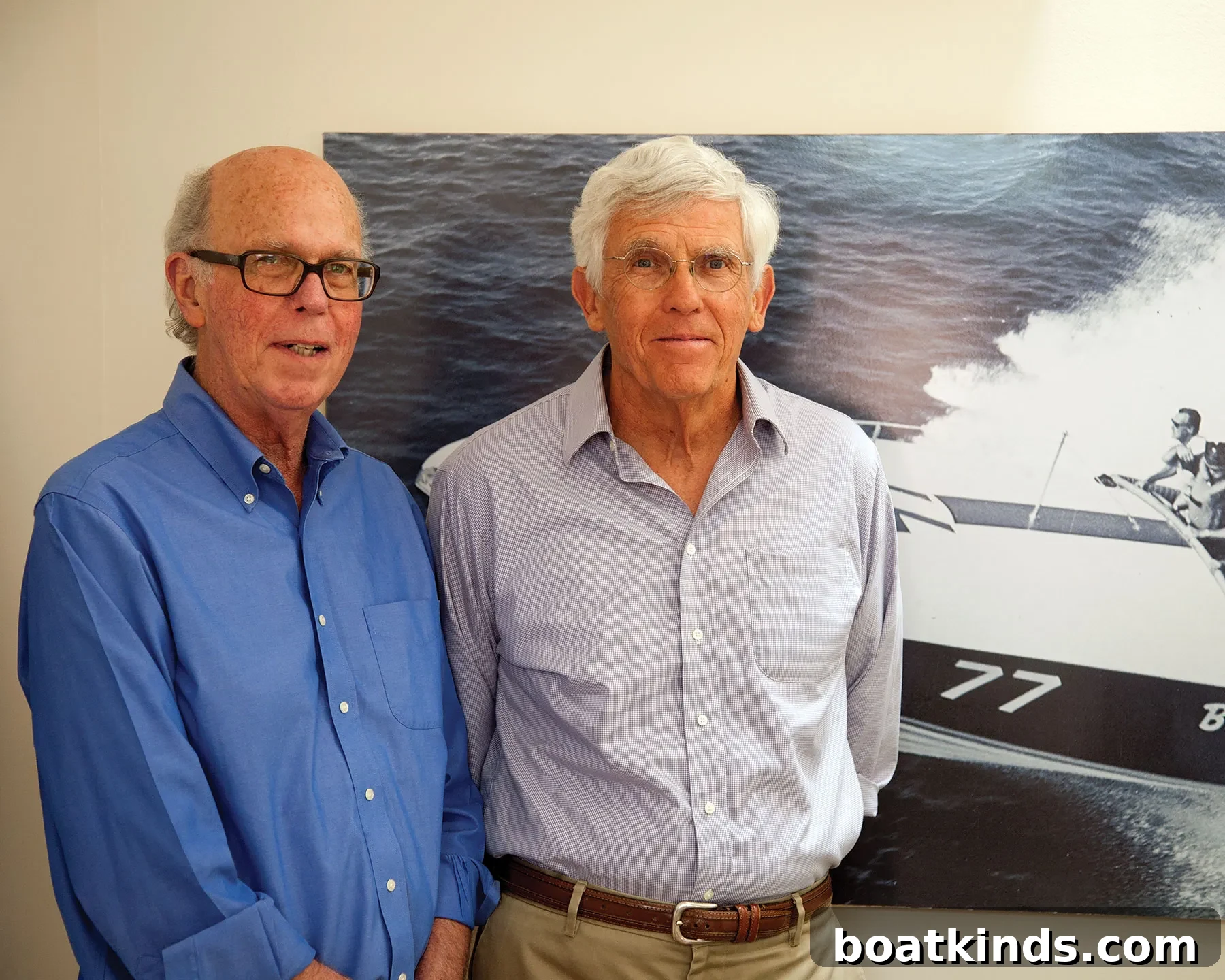
Winn Willard, who joined C. Raymond Hunt Associates as a draftsman in 1970 and later became president of Ray Hunt Design in New Bedford, recalls Hunt as an irrepressible innovator and hands-on thinker. Willard describes a man constantly inspired by nature, quick to experiment and unfazed by ideas others might find outrageous—traits that fueled many unconventional but successful solutions in hull and appendage design.
Hunt died in 1978 at age 70, but his firm continued to carry his vision forward. The same year he passed, the Pilots’ Association for the Bay and River Delaware asked the firm to design a fast pilot boat using a deep-V hull capable of safe transfers in rough weather. That project helped establish the company’s commercial portfolio, and pilot and patrol vessels remain a substantial portion of the firm’s work.
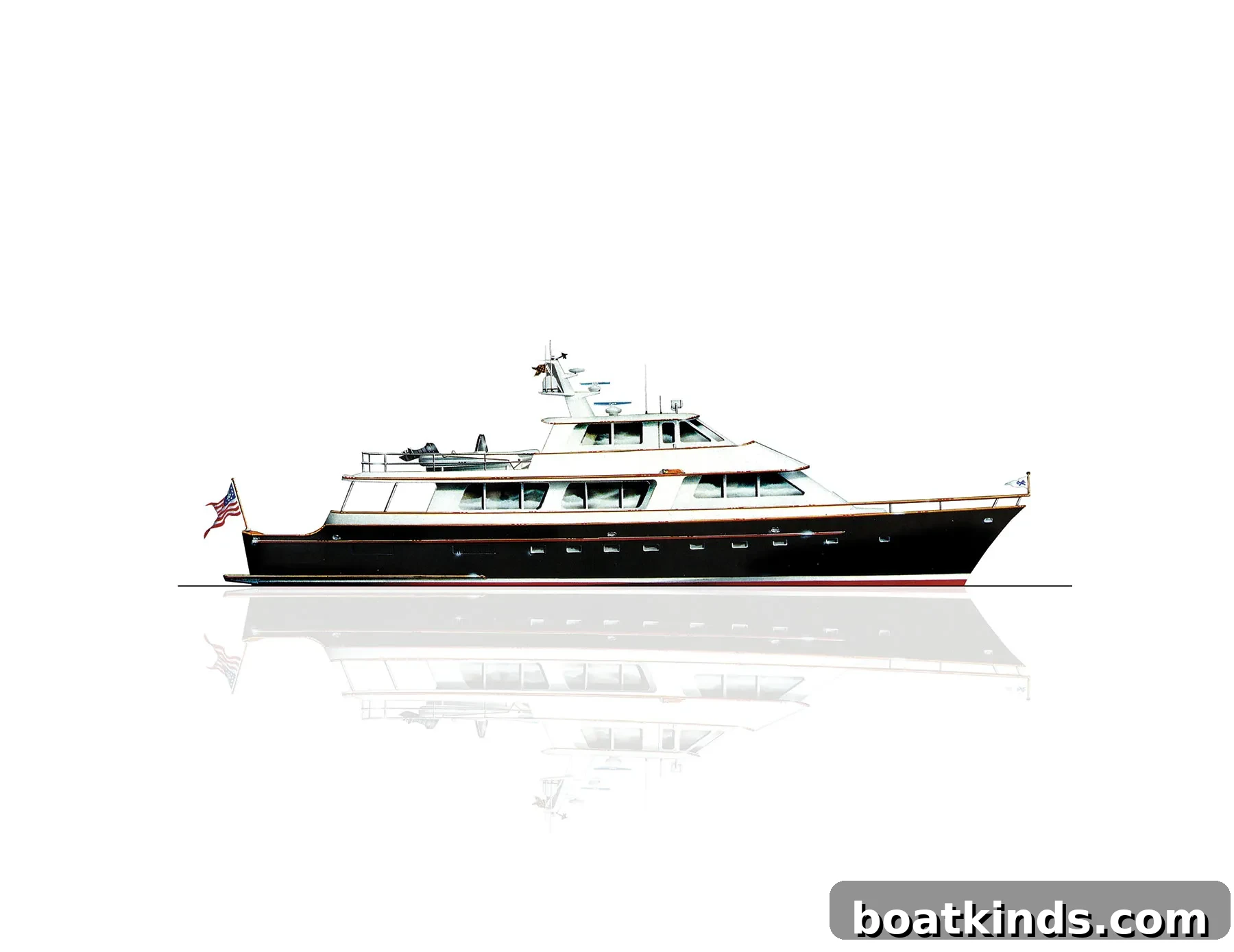
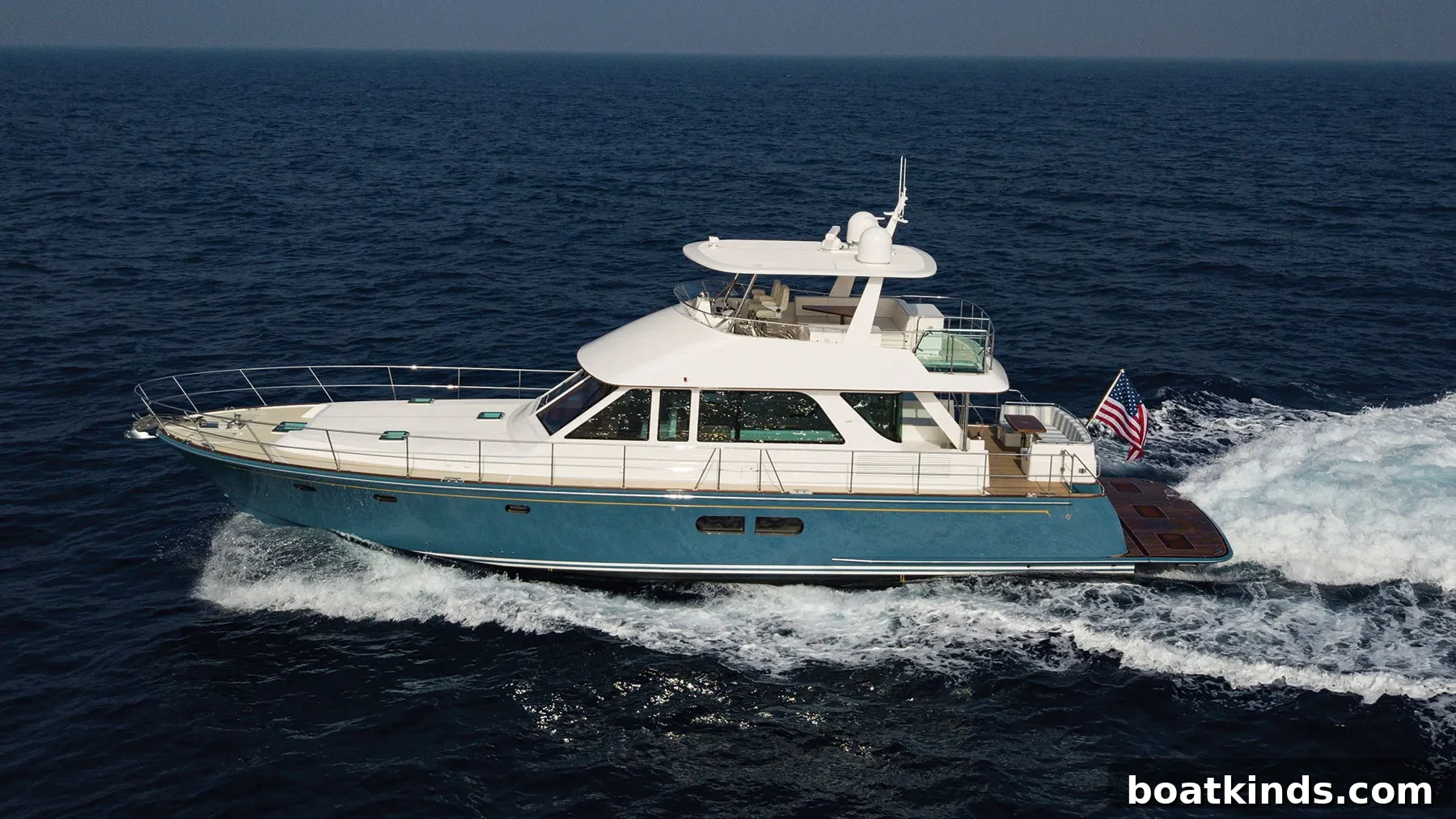
Two decades after Hunt’s death, the firm moved into boatbuilding. Using acquired molds, they produced a 33-foot hull that launched Hunt Yachts and quickly attracted orders. Over the following 15 years Hunt Yachts built a range of vessels—from offshore motor yachts to nimble dayboats and center consoles. In 2013 Hunt Yachts was acquired by Hinckley Yachts.
Today Ray Hunt Design operates from New Bedford and continues to serve a broad client list that has included Grady-White, Southport, Regal, Cruisers, Four Winns, Camper & Nicholsons, Hunt Yachts and Hinckley. The firm keeps refining the deep-V concept on both recreational and commercial projects, applying tuned deadrise, hard chines and modern engineering to improve efficiency, seakeeping and speed-to-length performance.
Recently the firm addressed a gap in American yachtbuilding by proposing traditionally styled motoryachts between 85 and 140 feet with V-bottom, hard-chined hulls optimized for practical cruising speeds. These designs reflect Hunt’s enduring influence: efficient hull forms that balance speed, comfort and classic lines—solutions that continue to inspire builders and owners.
Ray Hunt’s contributions reshaped powerboat design and left a legacy of innovation that still guides naval architecture today. From the deep-V hull that transformed offshore performance to generation-spanning sail and power designs, Hunt’s work remains a touchstone for designers seeking better ways to move through water.